


Newyddion
-
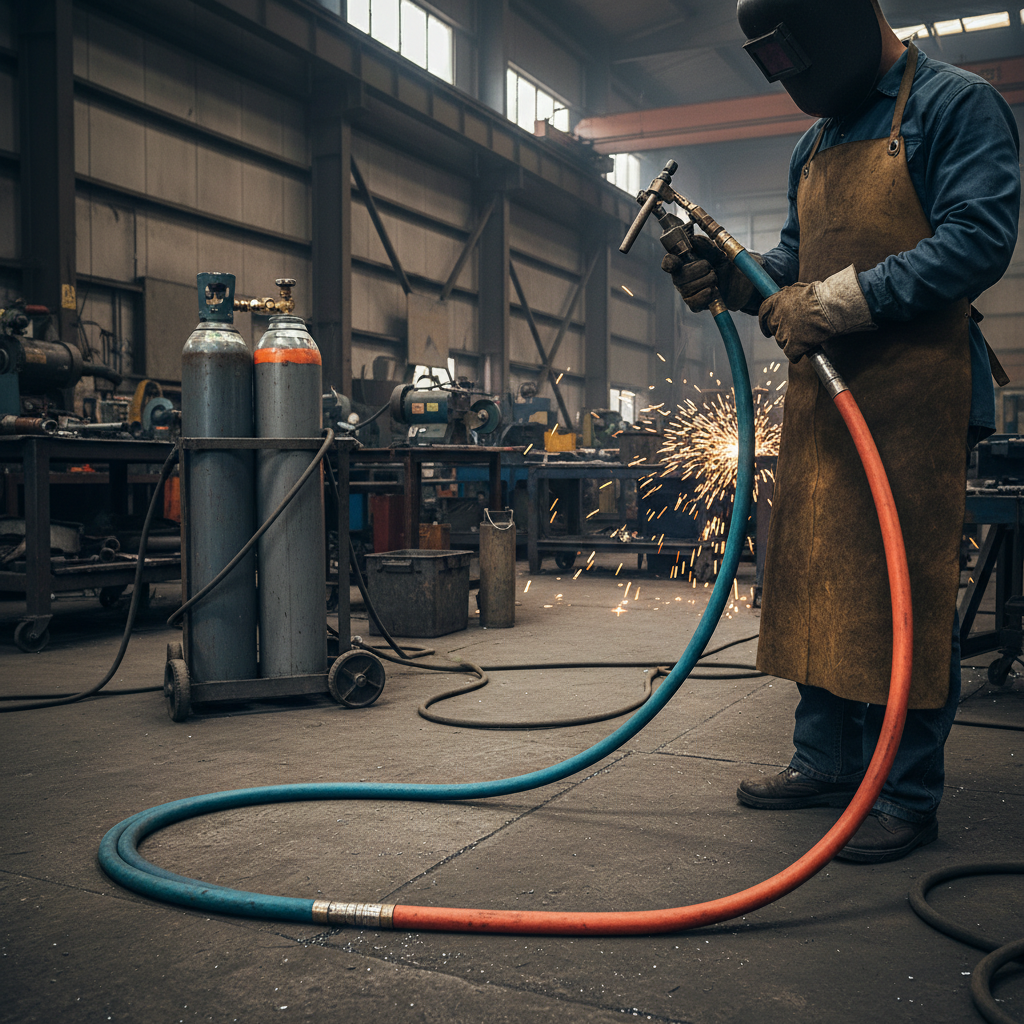 When it comes to reliable and safe welding operations, the right equipment is crucial. The twin welding hose 8mm is a vital component, delivering gases efficiently and safely to your welding torch. This article provides an in-depth look at this essential tool, covering its features, applications, benefits, and how to choose the best one for your needs. Selecting the correct hose ensures optimal welding performance and safety. A twin welding hose 8mm refers to a hose designed to carry two different gases simultaneously – typically oxygen and acetylene – to a welding torch. The '8mm' indicates the inner diameter of the hose, which is a common size for many welding applications. These hoses are constructed with separate channels for each gas, preventing them from mixing and ensuring a clean and consistent weld. A high-quality twin welding hose is essential for maintaining weld integrity and safety.Darllen mwy
-
 PVC twin welding hose is a critical component in numerous industrial applications, particularly in welding processes. Its flexibility, durability, and resistance to various chemicals make it a preferred choice for delivering gases safely and efficiently. This article provides an in-depth exploration of PVC twin welding hose, covering its applications, benefits, specifications, and considerations for selection. We will also highlight why Kebing Hose offers high-quality solutions for your welding needs. Selecting the correct hose is paramount to ensuring safe and effective welding operations. PVC twin welding hose, also known as double welding hose, consists of two separate hoses encased within a common PVC outer cover. This design allows for the simultaneous delivery of two different gases, typically oxygen and acetylene, required for oxy-fuel welding and cutting. The individual inner hoses are usually reinforced with a high-tensile strength braid for added durability and resistance to pressure.Darllen mwy
-
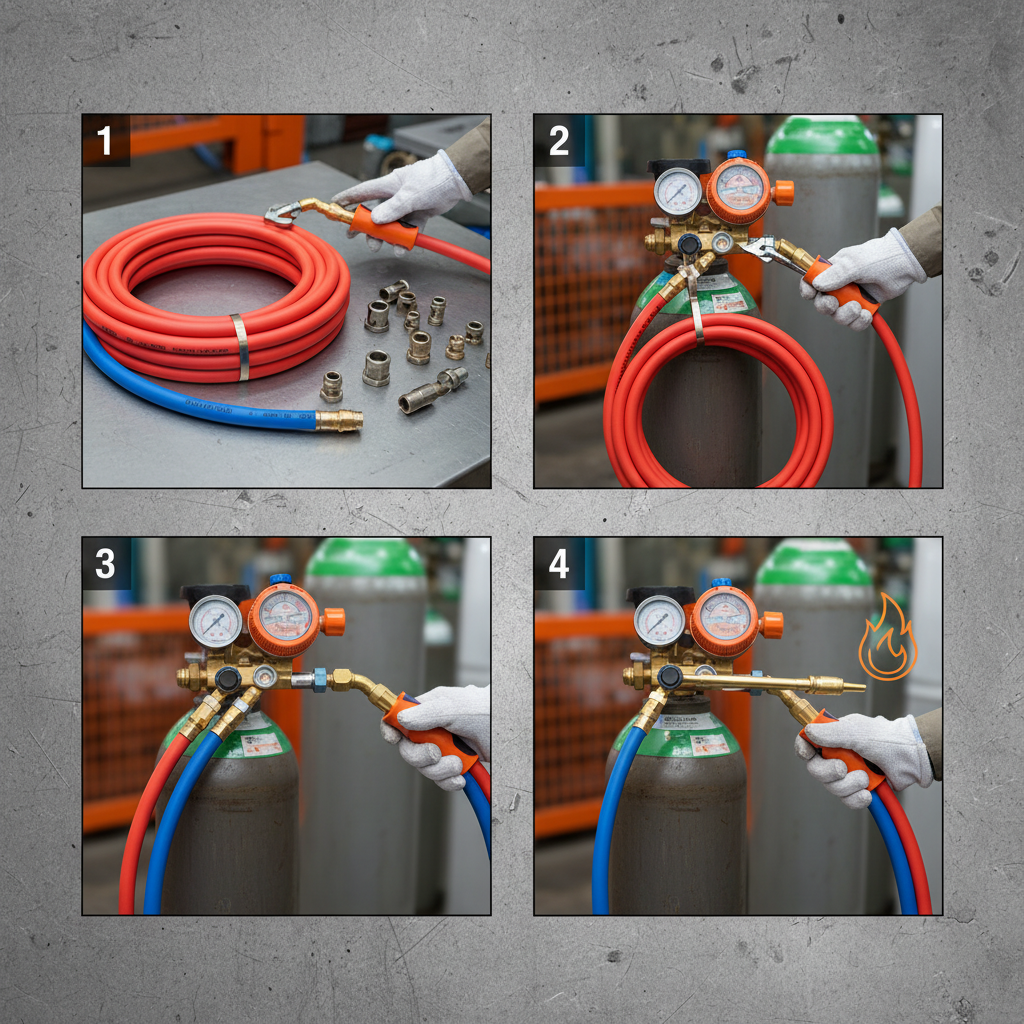 Rubber twin welding hoses are essential components in a variety of industrial applications, particularly in welding and gas supply systems. These hoses are designed to safely and efficiently transport gases like oxygen and acetylene to the welding torch. Choosing the right hose is crucial for safety, performance, and longevity. This article will provide a detailed overview of rubber twin welding hoses, covering their features, applications, safety considerations, and how to select the best option for your needs. We’ll explore the key specifications and benefits of investing in high-quality hoses. Rubber twin welding hoses are characterized by their dual-hose construction, with one hose for oxygen and another for fuel gas, typically acetylene. The rubber material provides flexibility and resistance to abrasion, oil, and weathering. Reinforcement layers, often made of high-tensile braided fabric, enhance the hose’s pressure resistance and prevent kinking. Crucially, the hoses are color-coded – typically red for oxygen and blue for fuel gas – for easy identification and safe operation.Darllen mwy
-
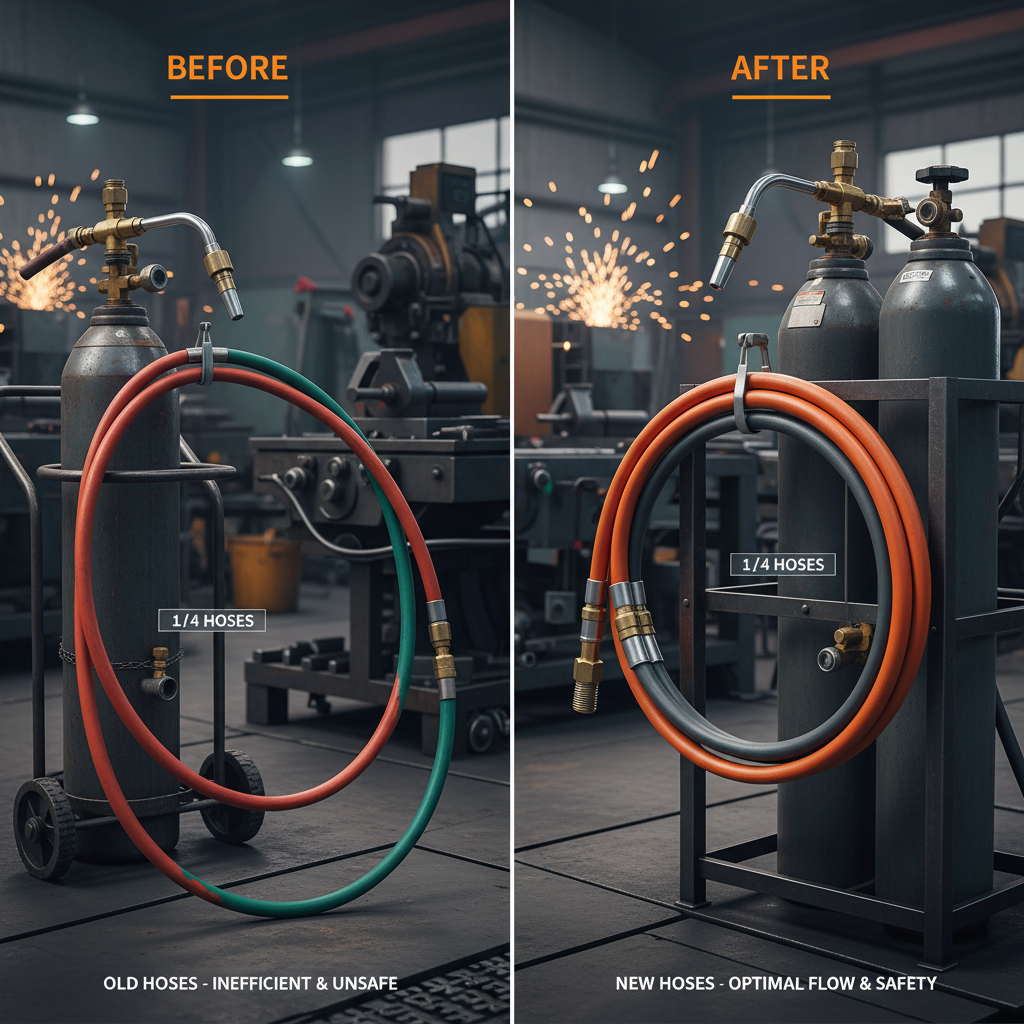 When working with oxy-acetylene systems, selecting the correct oxy acetylene hose sizes is crucial for safety and efficiency. Improper sizing can lead to reduced gas flow, uneven flame characteristics, and even potential hazards. This article will provide a detailed overview of the different hose sizes, their applications, and factors to consider when making your selection. We'll cover everything from identifying the right internal diameter to understanding the pressure ratings and construction materials. Choosing the right hose ensures optimal performance and minimizes risks associated with oxy-acetylene welding and cutting. The most common oxy acetylene hose sizes are designated by an ID (Internal Diameter) number. This number doesn't directly correlate to a specific measurement in inches or millimeters, but rather a sizing convention within the industry. The most frequently used sizes are ID 1/4", ID 3/8", and ID 5/8". Each size is designed to accommodate different flow rates and applications. ID 1/4" is typically used for oxygen, while ID 3/8" is common for acetylene. However, this isn’t a hard rule and depends on the application's demands. Understanding these standard sizes is the first step toward selecting the right hose for your needs.Darllen mwy
-
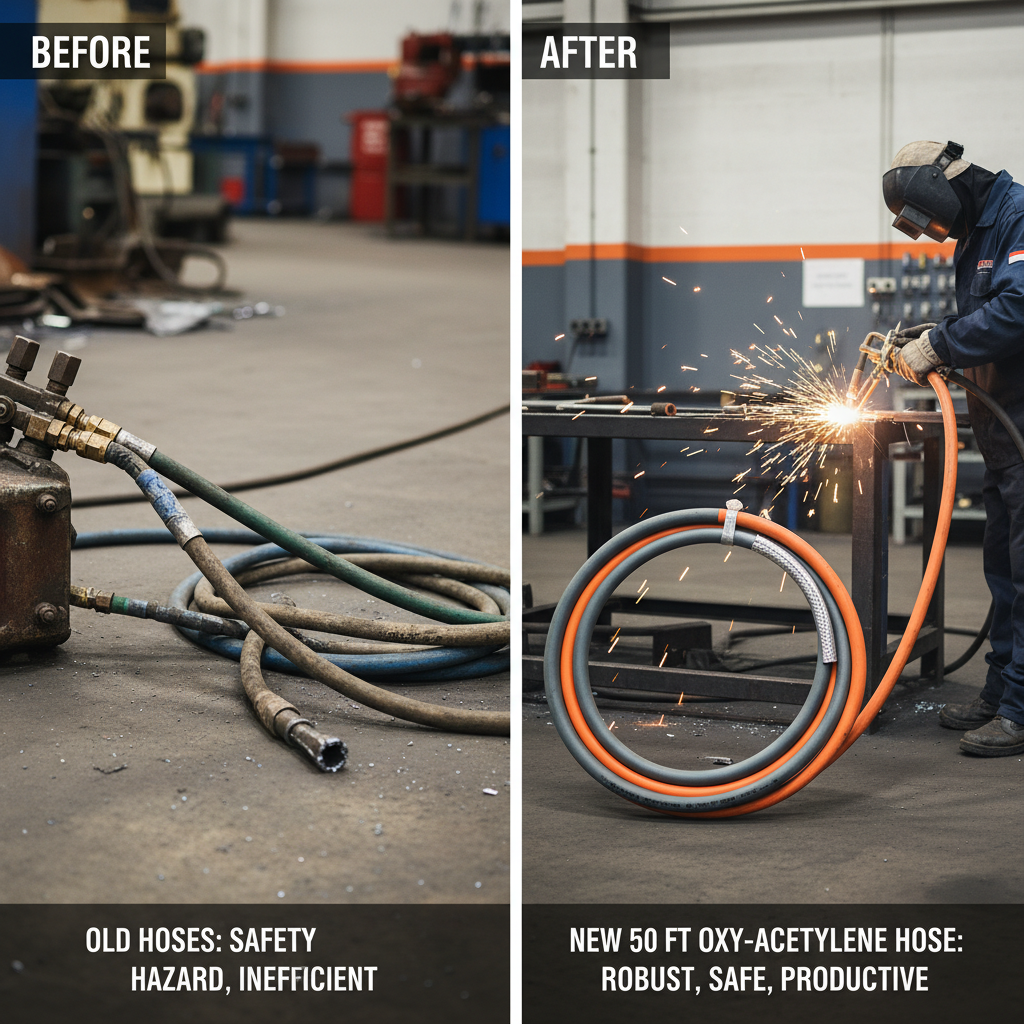 When undertaking welding, cutting, or heating applications, a reliable and durable 50 ft oxy acetylene hose is essential for safe and efficient operation. Selecting the correct hose isn’t just about length; it involves considering materials, construction, pressure ratings, and compatibility. This comprehensive guide will explore everything you need to know to choose the best hose for your specific requirements, ensuring a secure and productive workflow. We will delve into the key features and benefits of choosing the right hose for your particular application. Oxy acetylene hoses are specifically designed to handle the high pressures and temperatures associated with oxy-fuel gas welding and cutting. Typically, these hoses consist of multiple layers. The inner tube is crucial, often made of synthetic rubber that is resistant to oils, chemicals, and gas permeation. The reinforcement layer provides strength and prevents kinking, usually composed of high-tensile braided textile or wire. Finally, the outer cover protects the hose from abrasion, weather, and UV exposure. A quality 50 ft oxy acetylene hose will have a robust construction to ensure long-lasting performance and safety. When evaluating different hoses, several key features should be considered. Flexibility is vital for ease of maneuverability and positioning during work.Darllen mwy
-
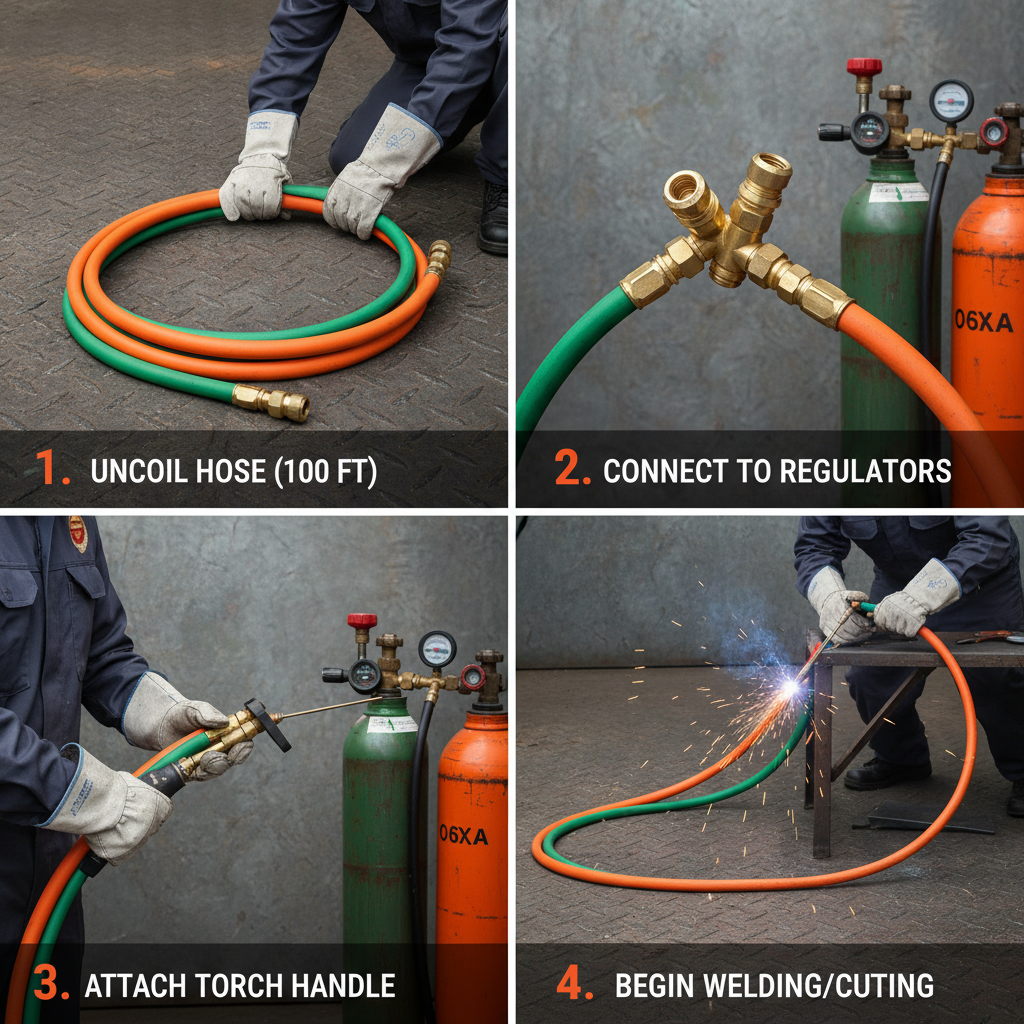 When undertaking welding, cutting, or heating projects, the quality of your oxy acetylene hose 100 ft is paramount. It directly impacts safety, efficiency, and the quality of your work. This article provides a detailed guide to understanding the key considerations when selecting the best hose for your needs. We’ll cover everything from materials and construction to size and safety features, helping you make an informed decision. Selecting the correct hose prevents leaks and ensures a smooth, consistent flow of gases for optimal performance. Oxy acetylene hoses are typically constructed with an inner tube, reinforcement layers, and an outer cover. The inner tube must be non-reactive to oxygen and acetylene to prevent degradation and ensure safety. Common materials include synthetic rubber. Reinforcement layers, often made of braided textile or steel wire, provide strength and prevent kinking. The outer cover protects against abrasion, weather, and oil. The quality of each layer significantly affects the hose's durability and performance. Choosing a hose with high-quality materials will save you money in the long run by reducing the need for frequent replacements.Darllen mwy
-
 When working with oxy-acetylene, having the right hose is critical for safety and efficiency. A 1 4 oxy acetylene hose is a standard size used in many applications, and choosing a quality hose is paramount. This article will explore the key features, applications, safety considerations, and how to select the best hose for your needs. We’ll delve into the specifications, materials, and best practices for maintaining these essential components. Ensuring you have the right hose can dramatically improve the safety and success of your welding and cutting tasks. Kebing Hose provides a range of high-quality hoses designed for these demanding applications. A 1 4 oxy acetylene hose refers to a hose with a 1/4 inch inner diameter (ID). These hoses are specifically designed to safely carry oxygen and acetylene gases, which are used in various welding, cutting, and heating processes.Darllen mwy
-
 When it comes to welding, cutting, or any application requiring oxygen and acetylene, the quality of your hose is paramount. A reliable 3/16 oxygen acetylene hose ensures safe and efficient operation. At Kebing Hose, we specialize in producing high-quality, durable hoses designed to meet the demands of professional welders and DIY enthusiasts alike. Choosing the right hose is crucial for safety, performance, and longevity. This article will guide you through the key considerations when selecting a 3/16 oxygen acetylene hose, helping you make an informed decision. The '3/16' designation refers to the inner diameter (ID) of the hose, measured in inches. This size is commonly used for lower flow rate applications. However, understanding the complete specifications is critical. Beyond the ID, consider the hose's construction materials, working pressure, burst pressure, and length. Oxygen hoses require different construction than acetylene hoses to prevent dangerous reactions. Oxygen hoses are typically constructed with a special liner that prevents oil contamination, which can react violently with oxygen. Acetylene hoses, on the other hand, are designed to withstand the higher pressures associated with acetylene.Darllen mwy
-
 Oxygen and acetylene hoses are critical components in welding, cutting, and other industrial applications. These hoses safely deliver the necessary gases to the torch or equipment, and choosing the right hose is paramount for both safety and efficiency. This article will provide a detailed overview of oxygen and acetylene hoses, covering their construction, types, safety considerations, and best practices. Whether you're a seasoned professional or new to these applications, this guide will equip you with the knowledge to select and maintain the right hoses for your needs. Explore our range of high-quality oxygen & acetylene hoses at Kebing Hose, designed for durability and safety. Oxygen and acetylene hoses are not interchangeable and are constructed differently to handle the unique properties of each gas. Acetylene hose typically uses a rubber liner, as acetylene is soluble in rubber, which helps to prevent leaks and maintain consistent gas flow. Oxygen hose, conversely, uses a synthetic rubber liner, as oxygen can react with organic compounds, potentially causing a fire.Darllen mwy
 Welsh
 Afrikaans
 Albanian
 Arabic
 Azerbaijani
 Belarusian
 Bengali
 Bulgarian
 Czech
 Danish
 Dutch
 English
 Finnish
 French
 German
 Greek
 Hebrew
 Hindi
 Hungarian
 Indonesian
 Irish
 Italian
 Japanese
 Kazakh
 Korean
 Kyrgyz
 Lao
 Latin
 Lithuanian
 Luxembourgish
 Malay
 Mongolian
 Myanmar
 Nepali
 Norwegian
 Persian
 Polish
 Portuguese
 Russian
 Serbian
 Slovak
 Spanish
 Swedish
 Tagalog
 Thai
 Turkish
 Ukrainian
 Uighur
 Uzbek
 Vietnamese







