0%

Table of Contents

The global demand for specialized gas transport solutions has led to the widespread adoption of high-performance tubing, where the 8mm low pressure lpg hose serves as a critical component for safety and efficiency. In industrial and residential settings, ensuring a leak-proof and durable connection is not just a matter of operational success but a fundamental safety requirement to prevent hazardous gas leaks.

Understanding the material science behind these hoses allows engineers and procurement managers to select products that withstand environmental stressors while maintaining flexibility. The transition toward advanced polymer composites has revolutionized how we handle liquefied petroleum gas, shifting from rigid, prone-to-crack materials to resilient, reinforced structures that extend the lifecycle of the equipment.

By integrating high-quality components like the 8mm low pressure lpg hose, industries can significantly reduce downtime and maintenance costs. This guide explores the technical specifications, global applications, and future innovations of these essential conduits to provide a comprehensive overview for professionals in the plastic piping sector.

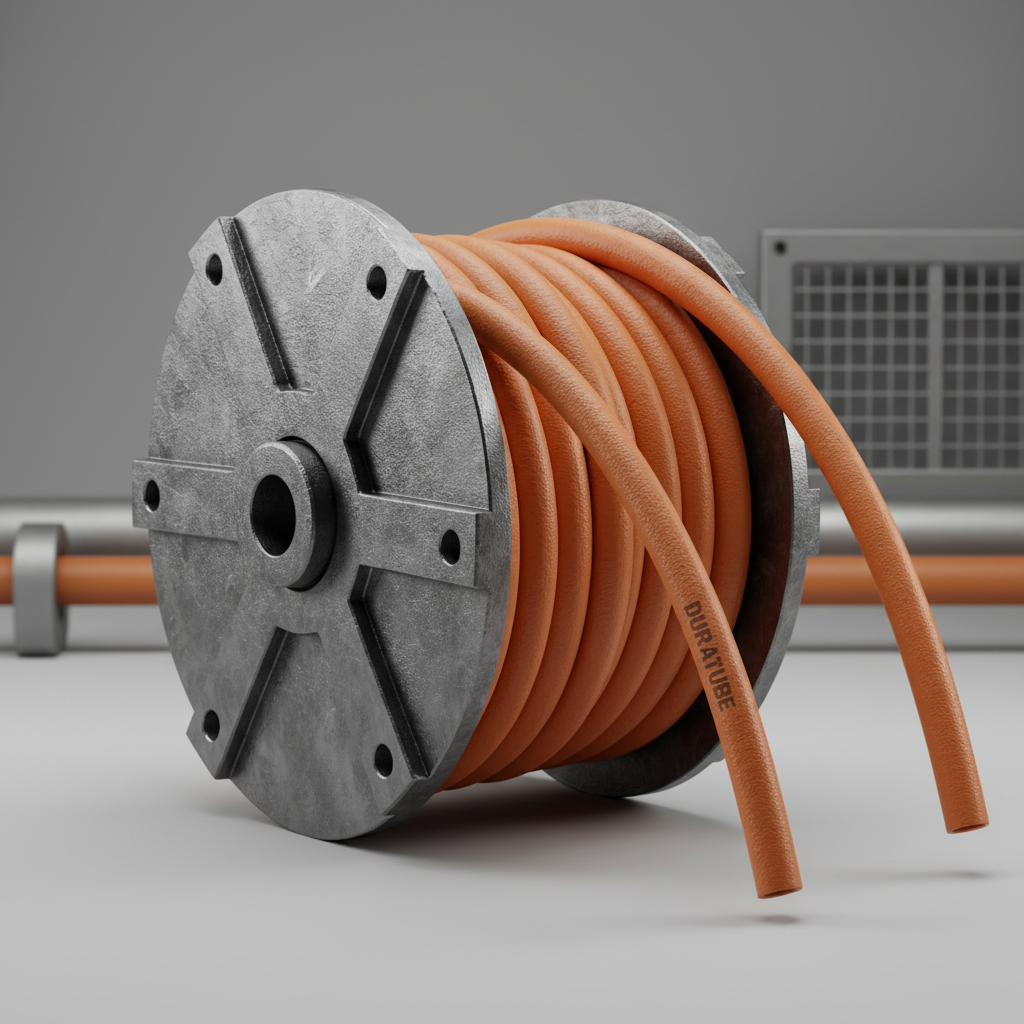
High Performance 8mm Low Pressure LPG Hose for Gas Safety

Material Composition of 8mm Low Pressure LPG Hose

High Performance 8mm Low Pressure LPG Hose for Gas Safety

The construction of a premium 8mm low pressure lpg hose relies on a sophisticated blend of polymers to ensure chemical compatibility with liquefied petroleum gas. The primary wall is typically engineered from polyester polyurethane, a material chosen for its exceptional balance of elasticity and tensile strength, which prevents the hose from collapsing or bursting under standard operating pressures.

To enhance structural integrity, a rigid PVC spiral is often integrated into the wall. This reinforcement allows the hose to maintain its circular cross-section even when subjected to bending or external vacuum pressures, ensuring a consistent flow rate and preventing kinks that could restrict gas delivery in tight industrial configurations.

Global Industry Relevance and Safety Standards

In the global landscape, the reliance on LPG for heating and cooking in remote regions makes the 8mm low pressure lpg hose a critical piece of infrastructure. According to international safety guidelines, the integrity of gas conduits is the first line of defense against industrial accidents, necessitating strict adherence to material purity and wall thickness specifications.

Many regions in Southeast Asia and Eastern Europe face challenges with extreme temperature fluctuations, which can cause inferior rubber hoses to become brittle. The transition to high-tech polymer composites allows these hoses to operate in temperatures ranging from -40ºC to 90ºC, ensuring that gas delivery remains stable regardless of the external climate.

Furthermore, the shift toward "zero defect" manufacturing goals, as seen in leading Chinese manufacturers, ensures that every meter of tubing is tested for permeability. This rigorous approach reduces the risk of micro-leaks, which are often the primary cause of low-pressure gas failures in commercial kitchen and automotive applications.

Technical Parameters and Performance Metrics

The efficiency of an 8mm low pressure lpg hose is defined by its wall thickness and vacuum resistance. Typically, wall thicknesses range from 0.6mm to 2.0mm, allowing for a customizable balance between flexibility for installation and robustness for long-term durability.

When evaluating an 8mm low pressure lpg hose, the bending radius is a key metric. A smaller bending radius allows the hose to be routed through complex machinery or compact cabinets without compromising the internal diameter, which is essential for maintaining constant low-pressure flow.

Vacuum pressure ratings further distinguish professional-grade tubing from consumer-grade products. By utilizing a rigid PVC spiral, the 8mm low pressure lpg hose can resist suction forces, making it versatile enough for various pneumatic and gas-transfer environments.

Efficiency Analysis in Gas Distribution

Optimizing gas distribution requires a deep dive into the flow dynamics of the tubing used. By selecting a precisely engineered 8mm low pressure lpg hose, operators can minimize pressure drops across the line, ensuring that the end-user appliance receives a consistent supply of fuel.

The reduction of turbulence within the hose wall is achieved through smooth interior finishes, which prevent the buildup of residue and reduce the friction coefficient of the gas. This efficiency leads to lower energy waste and a safer operating environment by eliminating pressure spikes.

Performance Comparison of Gas Tubing Methods


Diverse Application Use Cases

The versatility of the 8mm low pressure lpg hose extends far beyond simple kitchen connections. In the automotive industry, these hoses are utilized in LPG-converted vehicles, where they must withstand constant vibration and exposure to engine heat without degrading or cracking.

In industrial laboratory settings, these hoses provide a reliable conduit for precision burners and heating elements. Their ability to remain flexible at low temperatures makes them ideal for cold-storage facilities or outdoor industrial zones in Northern climates, where traditional rubber would fail.

Long-term Value and Sustainability

Investing in a high-grade 8mm low pressure lpg hose provides significant long-term economic value by extending the replacement cycle. While lower-cost alternatives may seem attractive initially, their propensity for rapid oxidation and cracking leads to frequent replacements and increased risk of gas leakage.

From a sustainability perspective, the use of polyester polyurethane and PVC in a reinforced structure reduces the overall volume of material wasted over time. Durable hoses mean fewer landfill contributions and a smaller carbon footprint associated with the manufacturing and shipping of replacement parts.

Moreover, the reliability of these components fosters trust between equipment manufacturers and end-users. When a system is built with a dependable 8mm low pressure lpg hose, the perceived quality of the entire machine is elevated, ensuring customer satisfaction and brand loyalty in competitive markets.

Future Innovations in Polymer Tubing

The future of the 8mm low pressure lpg hose lies in the integration of "smart materials" that can detect micro-perforations in real-time. Researchers are exploring the addition of conductive layers within the polyurethane wall that can trigger an alarm system if the hose integrity is compromised.

Another emerging trend is the development of bio-based polymers that offer the same chemical resistance as PVC but are fully biodegradable at the end of their lifecycle. This shift aligns with global green energy policies and the push toward a circular economy in the plastics industry.

Automation in the extrusion process is also enabling more precise wall thickness control, allowing for "gradient-wall" hoses that are thicker at high-stress points and thinner in low-stress areas. This innovation will optimize the weight and cost of the 8mm low pressure lpg hose without sacrificing safety.

Comparative Analysis of Hose Specifications for LPG Use

Material Type Temperature Range Flexibility Score (1-10) Expected Lifespan
PU w/ PVC Spiral -40ºC to 90ºC 9 5-8 Years
Standard Rubber -10ºC to 60ºC 7 2-3 Years
Reinforced PVC 0ºC to 60ºC 5 3-5 Years
Teflon Composite -60ºC to 200ºC 6 10+ Years
Nylon-Reinforced -20ºC to 80ºC 8 4-6 Years
Silicone Blend -50ºC to 150ºC 10 3-5 Years

FAQS

Can I use a standard 8mm low pressure lpg hose for high-pressure gas?

No, this hose is specifically designed for low-pressure applications. Using it in high-pressure environments can lead to wall failure or bursting. Always verify the pressure rating of your gas source before installation.

How often should I replace my 8mm low pressure lpg hose?

Depending on environmental exposure, we recommend a professional inspection every 6 months and replacement every 3-5 years. If you notice any stiffness or surface cracks, replace it immediately.

Does the PVC spiral affect the flow rate of the gas?

The rigid PVC spiral is designed to prevent collapse and kinking, which actually helps maintain a consistent flow rate. It does not obstruct the internal passage of the gas.

Is the polyester polyurethane material resistant to oil?

Yes, polyester polyurethane offers excellent resistance to many oils and chemicals, making it suitable for industrial environments where accidental spills may occur near gas lines.

Can this hose be used in temperatures below freezing?

Absolutely. This specific construction is rated for temperatures as low as -40ºC, ensuring it remains flexible and leak-proof even in extreme winter conditions.

How do I ensure a leak-proof connection with an 8mm hose?

Use high-quality hose clamps and ensure the hose is pushed fully onto the fitting. We recommend a soapy water leak test after every new installation to confirm seal integrity.

Conclusion

The 8mm low pressure lpg hose represents a critical intersection of material science and safety engineering. From its robust polyester polyurethane wall to the stabilizing PVC spiral, every design element is aimed at providing a reliable, flexible, and durable solution for gas transport. By adhering to strict technical parameters and utilizing high-performance polymers, industries can ensure operational continuity while mitigating the risks associated with gas leakage.

As we move toward a future of smarter and more sustainable materials, the importance of choosing a manufacturer committed to "zero defects" cannot be overstated. Upgrading to advanced composite tubing not only enhances safety but also contributes to long-term cost efficiency and environmental responsibility. For those seeking professional-grade piping solutions, we invite you to explore our full range of products. Visit our website: www.kebinghose.com

David Miller

David Miller

David Miller is Kebing’s Senior Sales Engineer, specializing in pneumatic and high-pressure hose applications. With over 8 years of experience in industrial material sales, David focuses on building strong relationships with clients in the manufacturing and automotive sectors. He's a graduate of Purdue University with a degree in Mechanical Engineering,
Previous High Performance Heavy Duty LPG Hose for Industrial Use
Next High Performance 8mm high pressure lpg hose and Thermal Duct
INQUIRE
en_USEnglish