In the complex landscape of fluid transport, the demand for high-performance conduits has led to the evolution of the heavy duty lpg hose, a critical component designed to handle rigorous industrial demands. While traditional tubing often fails under extreme mechanical stress or temperature fluctuations, these specialized hoses provide the structural integrity required for safety-critical environments. Understanding the engineering behind these components is essential for maintaining operational efficiency in modern manufacturing and utility sectors.
Globally, the shift toward more volatile energy sources and the intensification of industrial automation have highlighted the need for materials that offer both flexibility and uncompromising strength. A failure in a heavy duty lpg hose can lead to significant downtime or safety hazards, making the selection of high-grade polymers and reinforcement materials a top priority for engineers worldwide. From urban infrastructure to remote industrial sites, the reliability of these conduits ensures a seamless flow of essential resources.
Whether utilized in drainage systems or specialized pneumatic applications, the integration of a heavy duty lpg hose ensures that the system can withstand vacuum pressures and external abrasions. By focusing on high-grade polypropylene and steel wire reinforcements, manufacturers are now able to offer solutions that bridge the gap between extreme durability and operational versatility.
Structural Engineering of Heavy Duty LPG Hose
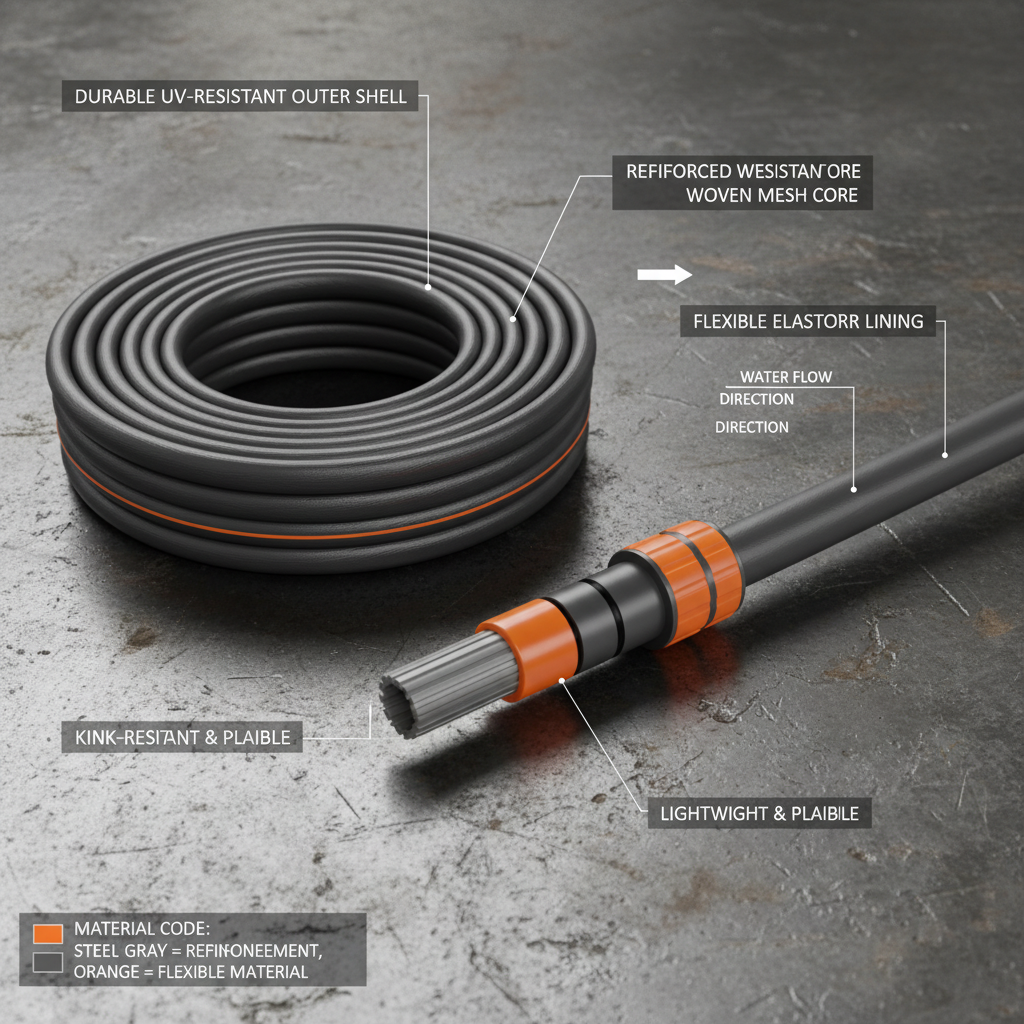
The structural integrity of a heavy duty lpg hose relies on a sophisticated composite design. By utilizing high-grade polypropylene for the wall construction, the hose achieves a balance of chemical resistance and mechanical toughness. This ensures that the conduit remains stable even when exposed to the rigorous demands of water drainage or portable air conditioning systems, where constant movement and bending are common.
To prevent collapse under vacuum pressure, the integration of a spring steel wire or PP-coated steel wire helix is paramount. This reinforcement allows the heavy duty lpg hose to maintain its circular cross-section while providing the flexibility needed for complex installations. The result is a tearing-resistant product with high tensile strength that can be customized in various sizes and colors to meet specific project requirements.
Global Industry Context and Material Standards
In the global manufacturing sector, the standards for fluid transport have been elevated by ISO and other international regulatory bodies to prioritize safety and sustainability. The heavy duty lpg hose represents a response to the industry's need for components that can operate across wide temperature ranges, specifically from -20℃ to +70℃. As industries migrate toward more sustainable polymers, the use of high-grade polypropylene has become a benchmark for efficiency.
The challenge facing many industrial zones today is the degradation of traditional rubber hoses when exposed to modern chemical agents or extreme weather. This has created a surge in demand for reinforced plastic alternatives that offer a "zero defect" quality objective. By implementing scientific research into polymer composite materials, manufacturers can now produce hoses that resist kinking and bursting, significantly reducing the risk of industrial accidents.
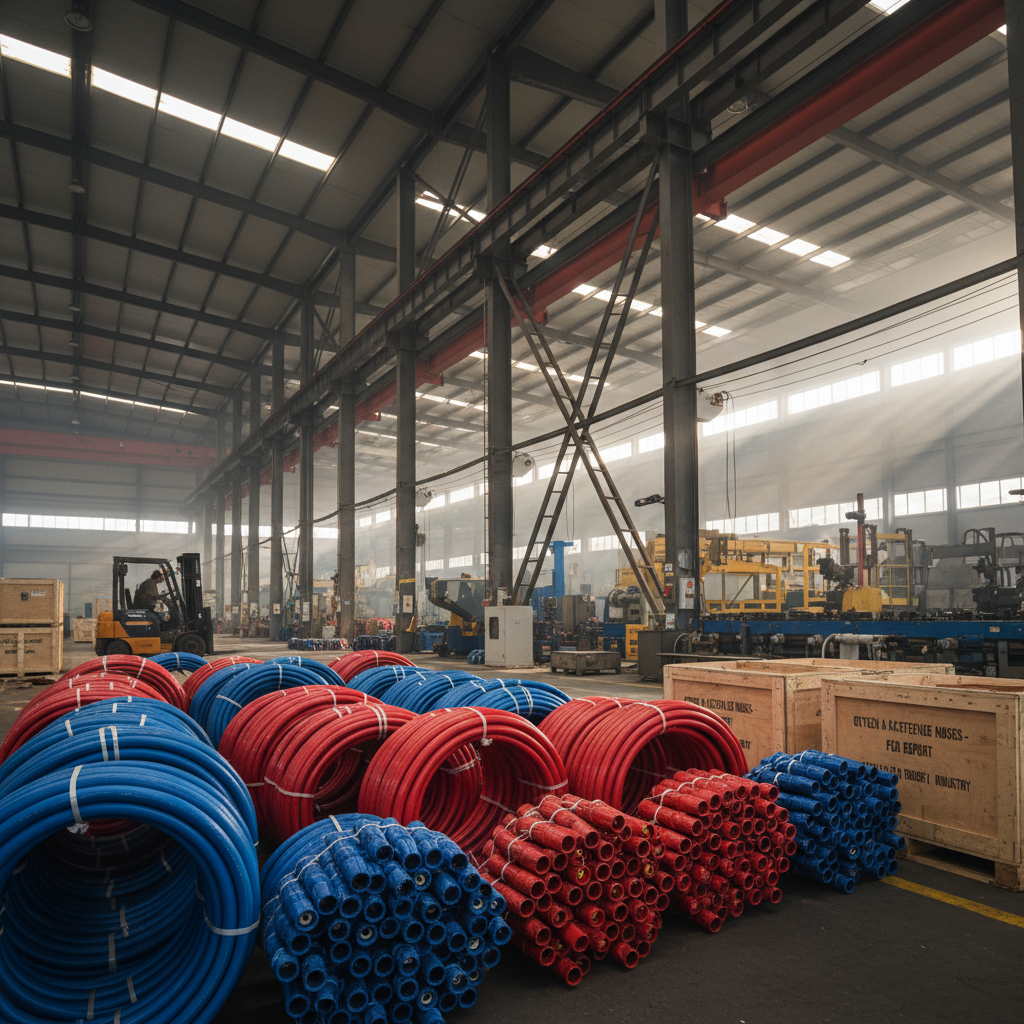
Furthermore, the scalability of these products—offering diameters from 1 inch up to 8 inches—allows them to be integrated into everything from small-scale residential plumbing to massive industrial ventilation networks. This versatility makes the heavy duty lpg hose an indispensable asset in the global supply chain, ensuring that critical fluid and air transport remains uninterrupted regardless of the environmental stress.
Core Components and Material Synergy
The performance of a heavy duty lpg hose is a direct result of the synergy between its inner wall and its reinforcement helix. The high-grade polypropylene provides the primary barrier, ensuring that the fluid remains contained and the outer surface remains resistant to abrasion. This material choice is critical for applications involving sink or bathtub drainage, where hygiene and corrosion resistance are non-negotiable.
At the heart of the heavy duty lpg hose is the steel wire reinforcement. Whether using bare spring steel or PP-coated wire, this helix provides the "skeleton" that prevents the hose from collapsing under negative pressure. This engineering detail is what separates a standard plastic tube from a professional-grade industrial hose capable of maintaining a consistent flow rate.
Finally, the ability to withstand short-term temperature spikes up to 80℃ adds a layer of operational safety to the heavy duty lpg hose. This thermal stability, combined with high tensile strength, ensures that the hose does not deform or weaken during sudden temperature shifts, which is a common occurrence in portable air conditioning systems and industrial heat exchange units.
Performance Metrics and Vacuum Capability
Measuring the efficiency of a heavy duty lpg hose requires a deep dive into its vacuum pressure and bending radius. For instance, a 1-inch inner diameter hose typically maintains a bending radius of 35mm, allowing for tight turns in confined spaces without restricting flow. As the diameter increases to 8 inches, the bending radius extends to 230mm, reflecting the increased structural rigidity required to support larger volumes of material.
Vacuum pressure is another critical metric, typically rated around 0.34 to 0.02 Bar depending on the size. This ensures that the heavy duty lpg hose can handle suction tasks without imploding, making it ideal for vacuum and duct hose applications where a steady intake is required. The following chart illustrates the comparative performance ratings of various hose configurations.
Heavy Duty LPG Hose Performance Comparison
Diverse Applications in Modern Infrastructure
The versatility of the heavy duty lpg hose extends across multiple sectors, most notably in residential and commercial plumbing. Its role as a water drain hose for sinks, basins, and bathtubs is fundamental, where its high flexibility allows it to navigate the awkward angles of under-cabinet installations while remaining compressible and resistant to tearing.
Beyond simple drainage, these hoses are integral to portable air conditioning systems, where they manage condensate water removal. In more industrial settings, the same structural principles are applied to dust pipes and ventilation pipes, where the steel wire reinforcement ensures that the heavy duty lpg hose does not collapse under the high-velocity suction of industrial vacuum systems.
Long-Term Value and Reliability Factors
Investing in a high-quality heavy duty lpg hose provides significant long-term value by reducing the frequency of replacements. Because the materials are resistant to high tensile stress and environmental degradation, the total cost of ownership is lowered. This reliability is not just a financial advantage but a safety imperative, as it prevents leaks and structural failures in critical fluid pathways.
The "zero defect, zero complaints" objective adopted by leading manufacturers ensures that every meter of hose is tested for consistency. For the end-user, this means a product that performs predictably under pressure, whether it's used in a high-tech polymer factory or a basic home renovation. Trust in the material's durability allows engineers to design systems with tighter tolerances and less redundancy.
Furthermore, the availability of various sizes and colors allows for a standardized color-coding system in large facilities. By using different colors of the heavy duty lpg hose to designate different fluids or pressure levels, companies can enhance workplace safety and simplify maintenance protocols, creating a more organized and safer industrial environment.
Future Innovations in Polymer Hose Design
The future of the heavy duty lpg hose is leaning heavily toward the integration of "smart" materials and green chemistry. Researchers are exploring bio-based polymers that offer the same tensile strength as polypropylene but with a significantly lower carbon footprint. This shift toward sustainability is expected to redefine the manufacturing process of industrial rubber and plastic hoses over the next decade.
Digital transformation is also playing a role, with some manufacturers implementing RFID tags or embedded sensors within the hose wall to monitor wear and tear in real-time. Such innovations would transform the heavy duty lpg hose from a passive component into an active part of a predictive maintenance system, alerting operators before a failure occurs.
As automation increases in the manufacturing of polymer composites, we can expect even more precise wall thicknesses and more efficient helix winding. This will lead to a new generation of hoses that are lighter yet stronger, further expanding the capabilities of the heavy duty lpg hose in extreme environments like aerospace or deep-sea exploration.
Analysis of Heavy Duty LPG Hose Technical Specifications
| Hose Size (I.D.) |
Wall Thickness |
Bending Radius |
Vacuum Rating |
| 1 inch (25mm) |
0.6 mm |
35 mm |
0.34 Bar |
| 2 inch (51mm) |
0.6 mm |
65 mm |
0.24 Bar |
| 3 inch (76mm) |
0.6 mm |
90 mm |
0.15 Bar |
| 4 inch (102mm) |
0.6 mm |
120 mm |
0.08 Bar |
| 6 inch (152mm) |
0.6 mm |
180 mm |
0.04 Bar |
| 8 inch (203mm) |
0.6 mm |
230 mm |
0.02 Bar |
FAQS
The heavy duty lpg hose is ideal for portable AC systems because of its high flexibility and compressibility. It can be easily routed through tight spaces to drain condensate water without kinking, and its polypropylene construction ensures it won't degrade when exposed to the moisture and temperature fluctuations typical of air conditioning units.
Yes, these hoses are engineered to operate in temperatures as low as -20℃. The high-grade polypropylene remains resilient and does not become excessively brittle in cold environments, ensuring that the hose maintains its structural integrity and does not crack under mechanical stress.
The steel wire helix acts as a reinforcement skeleton. Its primary purpose is to provide the hose with vacuum resistance, preventing it from collapsing or flattening when suction is applied. This is crucial for its use in vacuum and duct hoses where a constant internal diameter must be maintained.
Absolutely. Thanks to the combination of high-tensile polypropylene and the embedded steel wire reinforcement, these hoses are specifically designed to be tearing-resistant. This makes them suitable for industrial environments where the hose may be dragged across rough surfaces or subjected to external friction.
The heavy duty lpg hose is available in a wide range of sizes to suit different needs, with inner diameters starting from 1 inch (25mm) and going up to 8 inches (203mm). This extensive range allows for application in everything from small domestic drains to large-scale industrial ventilation.
Spring steel is generally used for standard high-strength applications. However, PP-coated steel wire is preferred in environments where additional corrosion resistance is needed or where the hose will be in contact with more aggressive chemicals, providing an extra layer of protection to the reinforcement helix.
Conclusion
The heavy duty lpg hose stands as a testament to the intersection of polymer science and mechanical engineering. By combining high-grade polypropylene with strategic steel reinforcement, it addresses the critical need for conduits that are simultaneously flexible, vacuum-resistant, and thermally stable. From managing simple water drainage in bathrooms to supporting complex industrial ventilation and AC systems, its versatility and reliability ensure safety and efficiency across a multitude of global applications.
Looking forward, the continued innovation in composite materials and the move toward smarter, more sustainable production will only enhance the value of these components. For industries seeking to eliminate downtime and maximize operational safety, investing in professionally engineered hoses is not just a purchase but a strategic decision. For more information on high-performance hose solutions, visit our website: www.kebinghose.com