


Aluminium Foil Flexible Duct: Lightweight, Durable Solutions for Modern Ventilation
What is Aluminium Foil Flexible Duct and Why It Matters
Aluminium foil flexible duct might sound like a mouthful, but at its core, it’s a remarkably simple yet vital component used extensively in heating, ventilation, air conditioning, and industrial exhaust systems worldwide. Understanding its role is becoming more important as we push for efficiency and sustainability across all industries. Globally, these ducts play a surprisingly crucial part in maintaining energy efficiency, air quality, and even disaster relief infrastructures. Knowing what they are and why they're important helps engineers, contractors, and even end-users appreciate the technology behind climate comfort and industrial safety.
Mini takeaway: Aluminium foil flexible ducts are everywhere, quietly making spaces safer, cleaner, and more energy-efficient — and their importance is only growing.
The Global Context: Why Aluminium Foil Flexible Ducts Matter Now
Globally, the HVAC sector alone accounts for nearly 15% of total energy consumption in commercial and residential buildings according to the International Energy Agency (IEA). The aluminium foil flexible duct addresses a core challenge: how to distribute heated or cooled air without leaking precious energy or contaminating indoor environments. The World Bank estimates that indoor air quality influences health outcomes for billions, showing that effective ventilation systems can literally save lives.
At the same time, industries dealing with fumes, dust, or hazardous gases need reliable ducting that withstands harsh conditions. The aluminium foil flexible duct offers a lightweight, cost-effective, and adaptable solution. Oddly enough, in disaster zones, temporary shelters with integrated ventilation often rely on these ducts for safe air supply. So, the use cases are truly global and multi-dimensional.
Mini takeaway: Given energy, health, and safety stakes worldwide, this seemingly low-profile product wields considerable impact.
Defining Aluminium Foil Flexible Duct: What Is It Exactly?
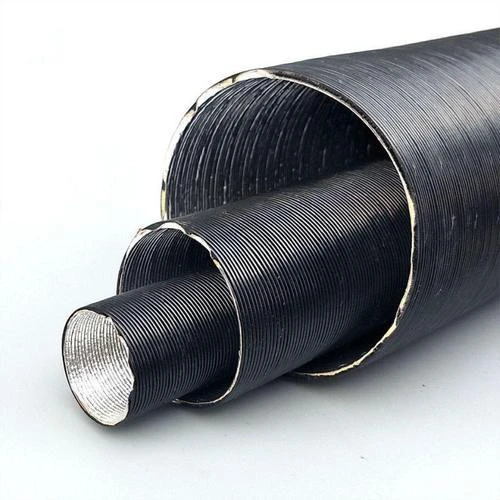
Simply put, an aluminium foil flexible duct is a bendable air conduit made primarily from thin layers of aluminium foil bonded with reinforcing materials like polyester or fiberglass. This construction creates a lightweight, flexible tube that can snake through walls, ceilings, and cramped spaces while maintaining air tightness and resistance to temperature changes.
Thanks to this design, it fits naturally within modern building systems and industrial plants where rigid ducts would be impractical or costly to install. From ventilation fans to exhaust hoods, the aluminium foil flexible duct is the quiet workhorse of air transport, seamlessly bridging technical needs and practical limitations.
Mini takeaway: Think of it as the flexible artery system pumping fresh or exhausted air without fuss.
Core Features of Aluminium Foil Flexible Duct
1. Durability and Heat Resistance
Despite their thinness, these ducts handle elevated temperatures upwards of 200°C (around 400°F) without melting or deforming. The aluminium foil surface is inherently flame-retardant and corrosion-resistant — a huge plus in industrial and kitchen exhausts. Durability means longer service life and less frequent replacements.
2. Flexibility & Ease of Installation
The very “flexible” part is key. These ducts bend, compress, and curve to fit tight spaces, unlike rigid metal ducts that require precise manufacturing and more joints. This flexibility reduces installation time and cost, especially in retrofit projects or temporary setups.
3. Lightweight Design
Because aluminium foil is ultra-thin and combined with lightweight reinforcements, these ducts weigh a fraction of traditional galvanized steel ducts. That’s a big deal when you think about transport, ceiling load limits, and handling by installers.
4. Cost Efficiency
Material and installation costs tend to be lower than rigid ductwork. Plus, they reduce energy loss from leaks or gaps, saving money in the long run. For many businesses tight on budgets, this balance of upfront cost and operational saving is compelling.
5. Scalability & Customization
Manufacturers offer a range of diameters, lengths, and insulation options. From small residential vent pipes to large industrial exhausts, aluminium foil flexible ducts adapt to diverse needs, making them highly scalable across projects of different size and complexity.
Mini takeaway:
- Its durability, flexibility, lightweight, cost, and scalability explain why so many engineers swear by aluminium foil flexible ducts.
Global Applications & Real-World Use Cases
Across continents, aluminium foil flexible ducts find homes in unexpected places:
- North America & Europe: Integral in residential HVAC systems where quick installation and energy efficiency are prized.
- Asia & Middle East: Used heavily in industrial zones for chemical factories, exhaust extraction, and cleanroom ventilation.
- Humanitarian Relief: Post-natural disasters (like earthquakes or floods), organizations deploy temporary shelters fitted with ventilation systems using flexible aluminium ducts to ensure air quality and reduce respiratory risks.
- Remote Mining Camps: Ventilation in isolated sites relies on these ducts to ensure a safe workspace for miners.
Oddly enough, you can even spot them in spacecraft ground support equipment, where flexible ducting is essential for managing temperature around delicate instruments.
Mini takeaway: The versatility of these ducts spans settings from plush urban buildings to rugged disaster zones.
Advantages & Long-Term Value
At first glance, the benefits might feel technical — but dig a little deeper and the value these ducts offer is both practical and emotional:
- Energy Savings: Tight joints mean less air loss, and less wasted energy reduces bills and environmental impact.
- Sustainability: Aluminium is recyclable, and many manufacturers now use recycled content, lowering the carbon footprint.
- Social Safeguarding: Reliable ventilation helps protect respiratory health, an often overlooked but critical quality-of-life factor.
- Innovation & Trust: Knowing the duct installed will perform under pressure, heat, and time builds confidence among building managers and end-users alike.
Frankly, investing in quality ductwork — like these aluminium foil flexible ducts — is about safeguarding comfort and health for years to come.
Product Specification Table
| Specification | Typical Value | Remarks |
|---|---|---|
| Diameter Range | 50 mm – 500 mm | Varies by model |
| Operating Temperature | -40°C to 200°C | Suitability for HVAC and industrial exhausts |
| Material | Aluminium foil + Polyester/Fiberglass | Multi-layer construction |
| Fire Resistance | Class A1/A2 (EN 13501-1) | Non-combustible rating |
| Weight | ~250 g/meter (for 100 mm diameter) | Light and easy to handle |
Vendor Comparison Table
| Feature | KeBing Hose | Global Flex Duct | FlexiAir Solutions |
|---|---|---|---|
| Temperature Range | -40°C to 220°C | -20°C to 200°C | -30°C to 180°C |
| Customization Options | Diameter, insulation, length | Diameter, thickness | Length, color only |
| Fire Resistance | EN Class A1 | EN Class A2 | Not certified |
| Average Lead Time | 2 weeks | 3 weeks | 1 week |
| Pricing | Competitive | Premium | Budget |
Future Innovations & Trends in Aluminium Foil Flexible Duct Technology
Looking ahead, the push for greener, smarter buildings is shaping the ducting industry. Manufacturers are experimenting with improved composite materials to increase durability and reduce environmental footprint. Nano-coatings that repel dust or inhibit microbial growth are on the horizon, meaning HVAC systems could be cleaner and more efficient.
Digital integration is also emerging. Imagine ducts equipped with sensors to monitor airflow, detect leaks, or indicate maintenance needs in real-time — enabling automation to optimize energy use. Plus, regulatory bodies like ISO are tightening standards, pushing for higher fire safety and sustainability grades globally.
Mini takeaway: The aluminium foil flexible duct won't just stay “flexible,” it will become smarter, greener, and more durable.
Challenges & How They’re Being Tackled
Despite many advantages, these ducts aren’t perfect. Common issues include:
- Physical damage during installation due to delicate foil layers.
- Limited structural strength compared to rigid ducts.
- Potential for punctures or tears leading to leaks.
However, manufacturers combat these by reinforcing their products with tougher outer layers, offering protective sleeves, and providing detailed installation training. Some innovators are developing hybrid ducts blending flexibility and structural rigidity. The goal is to maintain ease of installation while increasing lifespan and reliability.
Mini takeaway: Challenges exist, but so do clever solutions keeping these ducts relevant and reliable.
FAQs About Aluminium Foil Flexible Duct
- Q1: How long does an aluminium foil flexible duct typically last?
- A: With proper installation and maintenance, these ducts can last 10–15 years, even longer in non-corrosive environments. Handling during installation is key to prevent early damage.
- Q2: Can aluminium foil flexible ducts be used outdoors?
- A: Generally, they’re designed for indoor use. However, with proper insulation and protective cladding, some models can be adapted for sheltered outdoor applications.
- Q3: How do aluminium foil flexible ducts compare to rigid metal ducts in terms of airflow?
- A: While airflow efficiency of rigid ducts is slightly better due to smooth interiors, flexible aluminium ducts perform well if installed without excessive bends or compression.
- Q4: Are these ducts environmentally friendly?
- A: Yes. Aluminium is highly recyclable, and many manufacturers incorporate recycled materials. Plus, better sealing reduces energy waste, contributing to sustainability goals.
- Q5: How can I import aluminium foil flexible ducts for a large project?
- A: Many vendors, such as KeBing Hose, specialize in international shipping and custom orders. It’s advisable to request samples and certifications before placing bulk orders.
Conclusion: Why Aluminium Foil Flexible Duct Is a Smart Investment
The aluminium foil flexible duct continues to prove its worth as a crucial component in modern ventilation and industrial systems. It's cost-effective, flexible, lightweight, and surprisingly durable — packed into one neat package. Whether in a gleaming new urban complex or a makeshift disaster relief shelter, it quietly keeps air flowing and people breathing easier.
If you’re considering enhanced efficiency and reliable performance for your next project, explore the range of aluminium foil flexible ducts from trusted suppliers like KeBing Hose. Sometimes the smallest piece of technology holds the biggest impact.
Let’s keep the air moving — sustainably and smartly.
References:
1. International Energy Agency (IEA), “Energy Efficiency 2023 Report”
2. World Bank, “Indoor Air Pollution and Health”
3. ISO 15099:2018 - Thermal performance of building components
-
How to Choose Fuel Oil Hose SAE J30 R6 for Size and Service ConditionsNewsNov.11,2026
-
Flexible High Pressure Top Quality PU Pneumatic Tube Air Hose: Comparing Two PU Tube OptionsNewsNov.03,2026
-
High-Quality Flexible PVC Clear Hose from China: Compatibility, Sizing and Documentation FAQNewsOct.28,2026
-
Choosing PU Anti-Sprial Hose: Medium, Dimensions and Operating ConditionsNewsOct.24,2026
-
Choosing Plastic PVC Water Pump Suction Hose from a Cost-Effective PVC Water Hose Supplier: Medium, Dimensions and Operating ConditionsNewsOct.24,2026
-
Choosing ALUMINUM FOIL VENTILATION DUCT: Application Fit and Specification ChecksNewsOct.24,2026
 Afrikaans
 Albanian
 Arabic
 Azerbaijani
 Belarusian
 Bengali
 Bulgarian
 Czech
 Danish
 Dutch
 Finnish
 French
 German
 Greek
 Hebrew
 Hindi
 Hungarian
 Indonesian
 Irish
 Italian
 Japanese
 Kazakh
 Korean
 Kyrgyz
 Lao
 Latin
 Lithuanian
 Luxembourgish
 Malay
 Mongolian
 Myanmar
 Nepali
 Norwegian
 Persian
 Polish
 Portuguese
 Russian
 Serbian
 Slovak
 Spanish
 Swedish
 Tagalog
 Thai
 Turkish
 Ukrainian
 Uighur
 Uzbek
 Vietnamese
 Welsh
 English







