Aluminum Foil Duct Solutions for Efficient Ventilation | Kebing Hose
Understanding Aluminum Foil Ducts: What They Are and Why They Matter
If you've ever wondered how certain HVAC systems manage to stay efficient, lightweight, and easy to install, the humble aluminum foil duct is often the unsung hero behind it all. These ducts, made by laminating aluminum foil onto flexible cores, have quietly revolutionized ventilation and air distribution worldwide. But why should we care, really? Well, in a world that’s rapidly urbanizing and simultaneously striving for energy efficiency, understanding the role and benefits of these ducts isn’t just industry jargon — it’s a step toward smarter building design, better indoor air quality, and ultimately, greener cities.
Introduction: The Global Role of Aluminum Foil Ducts in Modern Infrastructure
Globally, the HVAC (Heating, Ventilation, and Air Conditioning) sector is a huge energy consumer — roughly 15% of global electricity use stems from buildings trying to stay cool or warm indoors (source: IEA). The aluminum foil duct plays a surprisingly big part here, offering a lightweight, cost-effective way to transport conditioned air through complex buildings or industrial setups.
One of the big challenges faced worldwide in urban development and disaster relief is deploying ductwork quickly and reliably without heavy equipment or complex installation — think emergency shelters, or temporary clinics in remote zones. Aluminum foil ducts, being flexible and corrosion-resistant, are fitting perfectly into those needs.
Oddly enough, this duct type not only supports modern skyscrapers in major cities but also humanitarian organizations setting up emergency solutions across continents. In real terms, this makes them both a pillar of progress and a lifeline in crisis.
What Exactly Is an Aluminum Foil Duct?
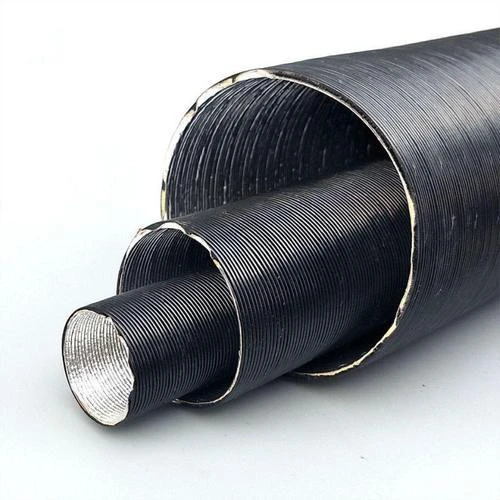
Simply put, an aluminum foil duct is a flexible air conduit used primarily for ventilation systems, consisting of layers of aluminum foil bonded to a flexible core, often polyester or polyethylene. This structure gives the duct its characteristic lightweight and thermal reflective properties.
In industrial terms, it’s a duct that balances durability and flexibility without the weight of traditional metal ducts. For humanitarian causes, the aluminum foil duct is excellent because it can be rolled up, transported easily, and installed without heavy tools. That makes it something of a quiet MVP for modern ventilation needs in both permanent and temporary structures.
Core Features and Components To Know
Durability and Corrosion Resistance
The aluminum foil layer naturally resists rust and moisture damage better than steel or iron ducts, which means less maintenance in moist or chemically aggressive environments. Many engineers say this can double the life span of ventilation systems in coastal or industrial zones.
Flexibility and Ease of Installation
Rather than rigid metal pipes that require precise measurement and heavy lifting, aluminum foil ducts bend easily and can be cut or joined on the fly. This flexibility makes installation faster, less labor-intensive, and more adaptable in tight or awkward spaces.
Thermal and Reflective Properties
The aluminum's reflective surface helps contain the heat or cold within the duct. This is critical for maintaining energy efficiency, especially in long runs where thermal loss could otherwise be substantial.
Lightweight and Space-Saving
For transport and storage, rolling up a coil of aluminum foil duct weighs only a fraction of traditional steel ducting. This advantage matters for projects in remote locations or disaster zones, where every kilogram counts.
Cost Efficiency
Compared to rigid metal ducts, foil ducts generally cost less both upfront and over the system’s life, thanks to reduced installation time and lower maintenance.
Environmental Impact
Made primarily from recyclable aluminum, and often incorporating recycled plastic layers, these ducts fit into emerging green building standards.
Mini takeaway: Aluminum foil ducts pack a surprising punch in durability, reflection, and flexibility — making them a popular multi-use solution in ventilation systems.
How and Where Are Aluminum Foil Ducts Used Globally?
This ducting material is everywhere — from the HVAC systems of corporate offices in New York, hospitals in Germany, to emergency shelters set up by aid agencies in Southeast Asia.
- Urban Construction: Lightweight ducting materials reduce the load on buildings and speed up installation, critical in fast-paced urban development.
- Disaster Relief and Humanitarian Projects: Aluminum foil ducts let aid agencies deploy ventilation systems quickly in temporary housing and field hospitals.
- Industrial and Chemical Plants: Resistant to corrosion and some chemicals, these ducts suit complex ventilation needs in factories or refineries.
- Renewable Energy Facilities: Ventilation for battery storage or clean energy plants often benefits from the reflective, lightweight nature of foil ducts.
For instance, after the 2018 earthquake in Indonesia, relief teams reported that using aluminum foil ducts in temporary clinics helped maintain airflow and reduce the spread of airborne pathogens — a critical factor in managing public health.
Mini takeaway: Versatility and rapid deployment make these ducts essential in both advanced industry and urgent humanitarian setups.
Advantages and Long-Term Value of Aluminum Foil Ducts
Why do so many facility managers and engineers keep choosing aluminum foil ducts? It’s a blend of practical and emotional factors:
- Savings on Installation Costs and Time: Because they’re flexible and light, installation crews can work faster and with fewer people.
- Sustainability: The recyclability of aluminum and reduced material usage contribute to lower carbon footprints.
- Reliability: Corrosion resistance means less downtime and lower maintenance costs, nurturing trust in building safety.
- Improved Indoor Air Quality: Reflective insulation helps maintain consistent airflow temperature, supporting occupant comfort and health.
- Social Impact: In disaster zones, offering breathable, clean air through these ducts can be literal lifesavers.
In the end, it feels like they’re not just ducts — they’re enablers of comfort and safety with a side of environmental responsibility.
Technical Specifications of a Typical Aluminum Foil Duct
| Specification | Details |
|---|---|
| Material | Aluminum foil with polyester or polyethylene core |
| Diameter Range | 50mm to 500mm (flexible) |
| Temperature Range | -40°C to 120°C |
| Pressure Rating | Low to medium (up to 2000 Pa) |
| Length per Roll | Up to 50 meters |
| Fire Resistance | Class B1 (flame retardant treatment optional) |
Vendor Comparison: Who’s Leading the Aluminum Foil Duct Market?
| Vendor | Product Range | Price Range | Lead Time | Specialty |
|---|---|---|---|---|
| Kebing Hose | 50-500mm flexible ducts, custom coatings | Mid-range | 2-3 weeks | Global shipping, quick prototyping |
| FlexAir Solutions | 100-400mm, fire retardant models | Higher-end | 3-4 weeks | Specializes in industrial-grade tubes |
| DuctMaster | Standard 50-300mm sizes | Budget-friendly | 1-2 weeks | Quick delivery, small batch options |
Emerging Trends and Innovations in Aluminum Foil Ducts
The aluminum foil duct market isn’t standing still. As the call for sustainable building materials grows, vendors are exploring bio-based coatings and enhanced recycling methods. Moreover, smart IoT-enabled ducts — equipped with sensors to monitor airflow and temperature — are beginning to emerge, offering real-time performance data and predictive maintenance.
Meanwhile, fire safety regulations are pushing innovations in flame-retardant layers, ensuring ducts remain safe in more demanding environments. The increasing adoption of aluminum foil duct in green building projects is a testament to the sector’s potential to blend function and responsibility.
Common Challenges and Practical Solutions
Despite many benefits, aluminum foil ducts are not perfect. They tend to have lower pressure ratings than rigid ducts, limiting their use in heavy industrial airflow applications.
However, manufacturers mitigate this with reinforced cores or hybrid duct designs combining foil with other materials. Another challenge is susceptibility to punctures during transportation or installation — but protective coatings and better packaging now reduce this risk considerably.
FAQ: Practical Insights About Aluminum Foil Ducts
- Q: Are aluminum foil ducts suitable for outdoor HVAC installations?
- A: Generally, aluminum foil ducts are designed for indoor use due to UV sensitivity and lower mechanical strength outdoors. But with special coatings and UV-resistant layers, some models can be applied in protected outdoor areas.
- Q: How long does an aluminum foil duct typically last in commercial buildings?
- A: With proper installation and maintenance, these ducts can last 10-15 years, sometimes longer in less corrosive environments.
- Q: Can aluminum foil ducts be customized for unique building projects?
- A: Absolutely. Vendors like Kebing Hose offer custom diameters, lengths, and coatings to meet project specifications, making them versatile for almost any setup.
- Q: Is it possible to recycle aluminum foil ducts after their lifespan?
- A: Yes, aluminum is highly recyclable. Provided the plastic layers can be separated or incinerated safely, the metal can re-enter the manufacturing cycle, aiding circular economy efforts.
Wrapping Up: Why Aluminum Foil Ducts Are More Than Just Flexible Pipes
In many ways, aluminum foil ducts quietly straddle the gap between industry and humanitarian needs — helping buildings breathe, saving energy, and enabling rapid response where it counts. For those involved in specifying or purchasing ventilation solutions, diving into the specifics of these products will surely pay off in the long run.
If you’re curious about quality suppliers or want to explore custom options, do visit our website — it’s a great starting point to see how these flexible wonders might fit your next project.
References:
-
How to Choose Fuel Oil Hose SAE J30 R6 for Size and Service ConditionsNewsNov.11,2026
-
Flexible High Pressure Top Quality PU Pneumatic Tube Air Hose: Comparing Two PU Tube OptionsNewsNov.03,2026
-
High-Quality Flexible PVC Clear Hose from China: Compatibility, Sizing and Documentation FAQNewsOct.28,2026
-
Choosing PU Anti-Sprial Hose: Medium, Dimensions and Operating ConditionsNewsOct.24,2026
-
Choosing Plastic PVC Water Pump Suction Hose from a Cost-Effective PVC Water Hose Supplier: Medium, Dimensions and Operating ConditionsNewsOct.24,2026
-
Choosing ALUMINUM FOIL VENTILATION DUCT: Application Fit and Specification ChecksNewsOct.24,2026
 Afrikaans
 Albanian
 Arabic
 Azerbaijani
 Belarusian
 Bengali
 Bulgarian
 Czech
 Danish
 Dutch
 Finnish
 French
 German
 Greek
 Hebrew
 Hindi
 Hungarian
 Indonesian
 Irish
 Italian
 Japanese
 Kazakh
 Korean
 Kyrgyz
 Lao
 Latin
 Lithuanian
 Luxembourgish
 Malay
 Mongolian
 Myanmar
 Nepali
 Norwegian
 Persian
 Polish
 Portuguese
 Russian
 Serbian
 Slovak
 Spanish
 Swedish
 Tagalog
 Thai
 Turkish
 Ukrainian
 Uighur
 Uzbek
 Vietnamese
 Welsh
 English