


Aluminum Foil Flexible Duct: Versatile Ventilation Solutions for Industry & Aid
Understanding the Role of Aluminum Foil Flexible Ducts in Modern Industry
Aluminum foil flexible ducts may not be headline-grabbing technology, but in industries from HVAC to humanitarian aid, they quietly play a crucial role. These lightweight, adaptable ducts are more than just shiny tubes—they are key to efficient airflow systems, disaster relief setups, and even cleanroom environments. With growing global demand for energy-efficient and easily deployable solutions, aluminum foil flexible duct products have gained new relevance worldwide, especially as nations look to modernize infrastructure and improve air quality standards.
Global Importance and Industry Context
Worldwide, HVAC systems consume about 40% of building energy (International Energy Agency, 2021), and flexible ducting solutions contribute to optimizing that consumption. Aluminum foil flexible ducts, with their reflective and insulating properties, help reduce energy loss. This gain in efficiency aligns well with global commitments like the United Nations’ Sustainable Development Goals, which emphasize sustainable industry innovation. Plus, in emerging markets or post-disaster sites, these ducts offer rapid deployment advantages that rigid alternatives simply can’t match.
Interestingly, the global aluminum foil duct market is projected to grow steadily due to rising urbanization and stricter environmental regulations pushing for better ventilation systems (source: MarketsandMarkets, 2023). Yet challenges remain, such as balancing cost with durability and ease of installation.
What Are Aluminum Foil Flexible Ducts?
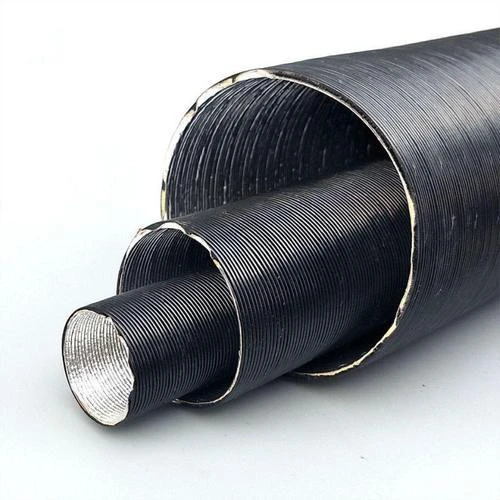
Simply put, an aluminum foil flexible duct is a tube composed of thin layers of aluminum foil wrapped around a structural spiral (usually made of wire or metal tape), creating a highly flexible, lightweight conduit for air or gases. Unlike rigid ducts, these can bend, stretch, and adapt to confined spaces. In HVAC, that means easier routing through tight building cavities. In humanitarian contexts, aluminum foil ducts enable quick assembly of temporary shelters and ventilation systems, sometimes in challenging environments where traditional materials can’t cope.
Key Features and Core Components
- Durability: Despite the thin aluminum layers, these ducts resist corrosion, moisture, and temperature fluctuations, which makes them reliable in diverse climates.
- Flexibility: The signature bendability means they can snake through difficult spaces without kinks, ensuring consistent airflow.
- Thermal Reflectivity: Aluminum foil layers reflect heat and light, helping maintain temperature control inside ducts, improving HVAC efficiency.
- Lightweight Construction: Compared to heavy metal ducts, the foil design significantly reduces weight, easing transport and installation.
- Cost Efficiency: Materials and manufacturing processes keep these ducts affordable, especially compared to custom-fabricated rigid ducts.
In real terms, these qualities make aluminum foil flexible ducts popular among engineers looking for performance and adaptability without breaking budgets.
Product Specification Table
| Specification | Typical Value |
|---|---|
| Diameter Range | 50mm to 500mm (2" to 20") |
| Temperature Resistance | -30°C to +120°C |
| Material Thickness | 12-30 micron aluminum foil |
| Air Velocity Capacity | Up to 15 m/s |
| Maximum Length | Up to 30 meters per section |
Global Applications & Use Cases
Aluminum foil flexible ducts serve several sectors:
- Residential and Commercial HVAC: Their adaptability makes installation faster, especially in retrofit projects or complicated architectural designs.
- Industrial Ventilation: Factories and workshops rely on flexible ducts to safely channel hazardous fumes or dust.
- Disaster Relief & Humanitarian Aid: NGOs use these ducts for quick air circulation in temporary shelters in places like Haiti or the Philippines, where speed and portability matter.
- Cleanrooms & Laboratories: Aluminum’s reflective properties help maintain sterile environments by preventing condensation and microbial growth.
- Aerospace and Automotive Industries: Custom flexible ducts assist in ventilation of confined engine bays and vehicle compartments.
For instance, following the 2020 wildfires in Australia, relief agencies deployed flexible duct systems to ventilate temporary medical tents, improving patient safety and worker comfort in urgent conditions.
Vendor Comparison: Aluminum Foil Flexible Duct Suppliers
| Supplier | Material Quality | Customization Options | Price Range | Lead Time |
|---|---|---|---|---|
| Kebing Hose | Premium-grade aluminum, multi-layer | Diameter, length, reinforcement | $$$ (mid to high) | 2-4 weeks |
| Alpha Ducts | Standard aluminum foil | Limited customization | $$ (economical) | 1-3 weeks |
| Global FlexiVent | Mid-grade alloy blends | Custom lengths, connectors | $$$ (mid range) | 3-6 weeks |
Advantages and Long-Term Value
Choosing aluminum foil flexible ducts is sensible for many reasons. Firstly, they improve energy efficiency, translating into tangible utility savings. Their lightweight and flexible nature means easier transport and faster installation — factors that reduce labor costs and project timelines.
On a more human note, they foster healthier indoor environments by enabling better airflow and keeping contaminants out. This impacts everything from office productivity to patient recovery in hospitals.
Furthermore, aluminum’s recyclability aligns well with sustainability goals, making these ducts a more responsible choice long-term — not just financially but environmentally.
Future Trends and Innovations
Looking ahead, materials science is pushing boundaries: expect aluminum foil ducts integrated with nanocoatings for antimicrobial properties or combined with smart sensors to monitor airflow and detect leaks in real-time. Digitalization of building management systems might soon coordinate directly with duct sensors for optimized HVAC operation.
Sustainability efforts also encourage development of biodegradable hybrid foils or ducts made with a greater percentage of recycled aluminum, minimizing carbon footprints. Meanwhile, robotics and automation could streamline manufacturing, keeping prices competitive despite complexity increases.
Challenges and Emerging Solutions
No technology is perfect. Aluminum foil flexible ducts can be vulnerable to accidental punctures, especially during transport or installation. Performance might degrade in extreme temperatures or aggressive chemical environments unless specially treated.
Industry experts advise reinforced multilayer designs or protective coatings to counter these issues. User education about proper handling also helps mitigate damage. Meanwhile, ongoing R&D focuses on improving tear resistance and duct longevity to satisfy harsher industrial demands.
FAQ: Frequently Asked Questions About Aluminum Foil Flexible Ducts
- How do aluminum foil flexible ducts compare to traditional rigid ducts?
- Flexible aluminum ducts offer superior adaptability and ease of installation, especially in complex spaces. While rigid ducts excel in durability, flexible types save time and cost, particularly in retrofit or temporary setups.
- Are these ducts suitable for high-temperature industrial use?
- Standard aluminum foil flexible ducts typically handle up to about 120°C, sufficient for many HVAC and low-heat industrial applications. For higher temperatures, specialized insulated or reinforced ducts are recommended.
- Can these ducts be recycled?
- Yes—aluminum foil is highly recyclable, meaning flexible ducts can be processed at metal recycling facilities, which helps reduce environmental impact.
- What customization options are typically available?
- Suppliers often allow variations in diameter, length, reinforcement type, and layering to meet specific pressure and flexibility requirements.
- How do NGOs import aluminum foil flexible ducts for emergency use?
- NGOs usually partner with specialized suppliers who handle export logistics. It’s advisable to choose vendors with experience in rapid delivery and compliance with customs regulations.
Conclusion
Aluminum foil flexible ducts may seem modest, but their impact on efficiency, versatility, and sustainability is sizable. From urban construction to emergency shelters, they provide reliable, cost-effective airflow solutions tailored for modern challenges. If you’re involved in HVAC projects or need adaptable ventilation solutions, exploring aluminum foil flexible duct options could be a smart move. For trusted, customizable products equipped to serve today’s demanding environments, visit Kebing Hose.
In the end, technology isn’t just about sophistication but about fitting the real-world puzzle — and these ducts fit quite nicely.
References
-
How to Choose Fuel Oil Hose SAE J30 R6 for Size and Service ConditionsNewsNov.11,2026
-
Flexible High Pressure Top Quality PU Pneumatic Tube Air Hose: Comparing Two PU Tube OptionsNewsNov.03,2026
-
High-Quality Flexible PVC Clear Hose from China: Compatibility, Sizing and Documentation FAQNewsOct.28,2026
-
Choosing PU Anti-Sprial Hose: Medium, Dimensions and Operating ConditionsNewsOct.24,2026
-
Choosing Plastic PVC Water Pump Suction Hose from a Cost-Effective PVC Water Hose Supplier: Medium, Dimensions and Operating ConditionsNewsOct.24,2026
-
Choosing ALUMINUM FOIL VENTILATION DUCT: Application Fit and Specification ChecksNewsOct.24,2026
 Afrikaans
 Albanian
 Arabic
 Azerbaijani
 Belarusian
 Bengali
 Bulgarian
 Czech
 Danish
 Dutch
 Finnish
 French
 German
 Greek
 Hebrew
 Hindi
 Hungarian
 Indonesian
 Irish
 Italian
 Japanese
 Kazakh
 Korean
 Kyrgyz
 Lao
 Latin
 Lithuanian
 Luxembourgish
 Malay
 Mongolian
 Myanmar
 Nepali
 Norwegian
 Persian
 Polish
 Portuguese
 Russian
 Serbian
 Slovak
 Spanish
 Swedish
 Tagalog
 Thai
 Turkish
 Ukrainian
 Uighur
 Uzbek
 Vietnamese
 Welsh
 English







