Aluminum Foil Tube: Durable, Sustainable Packaging Solution for Global Industries
Understanding the Aluminum Foil Tube: A Global Packaging Marvel
If you’ve ever squeezed toothpaste or hand cream from a tube, that pliable yet resilient package is likely an aluminum foil tube at work. Though it might seem mundane, this packaging solution carries immense importance worldwide—from personal care and pharmaceuticals to food and even industrial applications.
Why does this matter beyond just aesthetics? Aluminum foil tubes offer unique protection, preserving sensitive product integrity across climates and supply chains. With sustainability pressure rising and global standards tightening, understanding the aluminum foil tube’s role reveals its critical industrial and humanitarian contributions.
The Global Context: Why Aluminum Foil Tubes Still Matter
Globally, the packaging industry is a behemoth—estimated at over $1 trillion in 2023—and aluminum foil tubes hold a significant niche within it. According to the International Organization for Standardization (ISO), packaging that protects against moisture, oxygen, and light contamination remains paramount in ensuring product safety and shelf life. Aluminum foil tubes excel here, especially in emerging markets where infrastructure challenges demand reliable, compact packaging.
However, challenges like environmental sustainability and supply chain disruptions have pushed brands and manufacturers to innovate continually. Aluminum foil tubes bridge durability with lighter weight packaging, offering logistical and ecological advantages. But oddly enough, many consumers don’t realize what goes into these simple tubes that touch their every day.
What Exactly Is an Aluminum Foil Tube?
At its core, an aluminum foil tube is a flexible container made by laminating thin aluminum foil with plastic layers. This composite construction creates a tube that’s malleable, moisture-resistant, and an oxygen barrier—perfect for products that need airtight protection. You’ll find these tubes delivering everything from toothpaste, ointments, glues, to even some specialty foods.
The tubes' capability to maintain freshness or sterility aligns well with modern humanitarian needs. For example, medical ointments shipped to remote clinics rely on aluminum foil tubes to keep formulas uncontaminated, even in harsh environments.
Core Features of Aluminum Foil Tubes
1. Durability and Barrier Protection
The aluminum layer acts as a high-performance barrier, shielding contents from oxygen, UV light, and moisture. This is crucial for preserving active ingredients in pharmaceuticals or preventing food spoilage.
2. Flexibility and User Convenience
These tubes are sturdy yet flexible, allowing consumers to squeeze out contents efficiently with minimal waste. Some tubes feature threaded screw caps or tamper-evident seals enhancing usability.
3. Scalability and Customization
Manufacturers can produce aluminum foil tubes in vast volume ranges and sizes—from tiny 3ml samples to large 300ml tubes—suiting many industries. Printing and embossing options make branding vivid and appealing.
4. Cost-Efficiency and Supply Chain Adaptability
Lighter and more space-saving than rigid packaging, aluminum foil tubes reduce transportation costs and environmental footprint. They're also relatively simple to recycle, given proper processing.
5. Food-Grade and Medical Compliance
Certified safe for direct food and medicinal contact, these tubes adhere to standards like FDA 21 CFR 177.1210 for plastic materials and ISO 15378 for primary packaging of medicinal products.
Aluminum Foil Tube Specifications At a Glance
| Specification | Details |
|---|---|
| Material Composition | Aluminum foil laminated with polyethylene or epoxy-phenolic resins |
| Typical Diameter Range | 12mm to 52mm |
| Length Range | 50mm to 230mm (customizable) |
| Common Capacity | 3ml to 300ml |
| Barrier Properties | Excellent against moisture, oxygen, and light |
Comparing Leading Aluminum Foil Tube Suppliers
| Supplier | Range of Sizes | Customization Options | Sustainability Initiatives | Lead Times |
|---|---|---|---|---|
| Kebing Hose | 3ml - 300ml | Full color printing, embossing, matte or gloss finishes | Recyclable materials, minimized waste manufacturing | 4-6 weeks |
| AluFlex Co. | 10ml - 250ml | Standard printing, custom shapes | Focus on lightweight foil technology | 6-8 weeks |
| Global Tube Ltd | 5ml - 300ml | Advanced digital printing, matte texture options | Partial use of renewable energy in production | 5-7 weeks |
Real-World Uses of Aluminum Foil Tubes
Oddly enough, the aluminum foil tube has found itself indispensable across many sectors:
- Pharmaceuticals: Creams and ointments for dermatology often come in foil tubes, ensuring sterile, uncontaminated delivery, especially critical in remote or emergency healthcare.
- Personal Care: Toothpaste and sunscreen products rely heavily on these tubes to maintain freshness, notably in tropical climates where heat and moisture threaten quality.
- Food Industry: Certain concentrated flavors, pastes, and caviar come packaged in aluminum tubes to extend shelf life without refrigeration.
- Industrial & Adhesives: Epoxy resins, glues, and lubricants are transported and stored efficiently in aluminum foil tubes — easy to dispense and reuse.
In post-disaster relief operations, lightweight, easily transported aluminum foil tubes have helped deliver medical creams and antiseptics swiftly where bulk packaging would be impractical.
Why Aluminum Foil Tubes Offer Long-Term Value
There’s a logic and a feeling behind choosing aluminum foil tubes. Logically, they reduce packaging failure rates and lower cost due to less damage in shipping. Emotionally, there’s a reliability and trust factor when customers see a well-designed tube — it signals quality and care.
Further, their sustainability edge is becoming clearer: they consume less raw material weight compared to rigid containers and can be recycled, reducing landfill waste. These factors combine to make aluminum foil tubes a far more responsible choice in many industries.
The Road Ahead: Innovations and Trends
The aluminum foil tube sector isn’t standing still. Industry insiders are exploring:
- Green Foil Advances: Using more eco-friendly adhesives and coatings that speed up recycling processes.
- Smart Packaging: Embedding QR codes or NFC tags onto tubes for authenticating products and enhancing consumer engagement.
- Automation in Manufacturing: Robotics-enabled precision ensures consistent quality with minimal waste.
- Lightweighting: Further reducing foil thickness while maintaining barrier functionality — saving costs and carbon footprint.
Challenges Facing Aluminum Foil Tubes and How to Solve Them
Despite their many benefits, aluminum foil tubes do have drawbacks. Recycling can be tricky unless separated properly due to multilayer structures. Also, supply chain disruptions in raw aluminum can lead to price volatility.
But many manufacturers now apply modular lamination technologies to simplify recycling and alternative aluminum sourcing strategies to reduce dependence on volatile markets. Continual R&D into biodegradable inner coatings might be on the horizon, too.
Frequently Asked Questions About Aluminum Foil Tubes
- Q: How durable are aluminum foil tubes compared to plastic?
A: They generally provide superior barrier protection against air, moisture, and light. Aluminum tubes resist punctures and deformation better than many plastics, extending product shelf life effectively. - Q: Can aluminum foil tubes be recycled easily?
A: Recycling requires specialized facilities to separate aluminum from plastic layers. Recycling rates depend on local infrastructure, but advances in technology are improving process efficiency. - Q: Are aluminum foil tubes safe for food use?
A: Yes, they comply with FDA and ISO food contact regulations, ensuring contents stay uncontaminated and fresh over time. - Q: What customization options are available for branding?
A: Full color printing, embossing, matte or gloss finishes, and tamper-evident caps are common, enabling brands to stand out on shelves. - Q: How do aluminum foil tubes help in disaster relief?
A: Their lightweight, compact size and excellent barrier properties make transporting sensitive ointments and creams efficient, even in challenging environments.
Conclusion: The Quiet Strength of Aluminum Foil Tubes
When you think about it, the humble aluminum foil tube is a silent workhorse of modern packaging. It’s a solution balancing durability, sustainability, and versatility—traits vital for today’s globalized economy and evolving consumer expectations.
Whether you’re in pharmaceuticals, food, personal care, or industry, embracing these tubes means reliability and responsibility rolled up in one neat package. For expert sourcing and tailored options, visit our website: https://www.kebinghose.com.
Mini takeaway: Aluminum foil tubes aren’t just containers—they’re enablers of quality, innovation, and sustainability worldwide.
References:
-
How to Choose Fuel Oil Hose SAE J30 R6 for Size and Service ConditionsNewsNov.11,2026
-
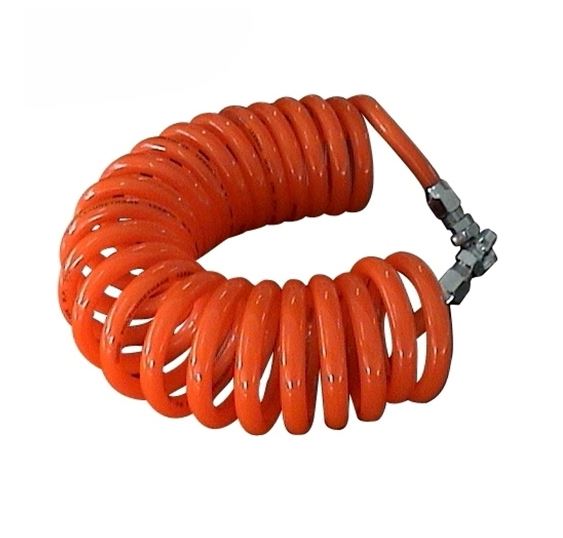
Flexible High Pressure Top Quality PU Pneumatic Tube Air Hose: Comparing Two PU Tube OptionsNewsNov.03,2026
-
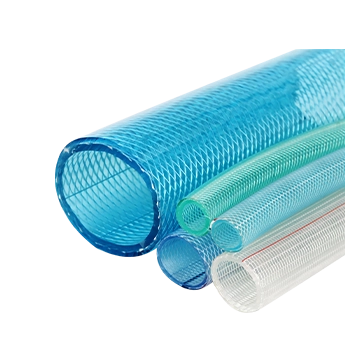
High-Quality Flexible PVC Clear Hose from China: Compatibility, Sizing and Documentation FAQNewsOct.28,2026
-
Choosing PU Anti-Sprial Hose: Medium, Dimensions and Operating ConditionsNewsOct.24,2026
-
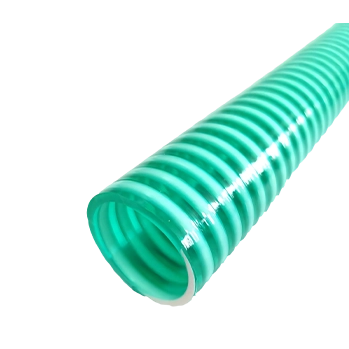
Choosing Plastic PVC Water Pump Suction Hose from a Cost-Effective PVC Water Hose Supplier: Medium, Dimensions and Operating ConditionsNewsOct.24,2026
-
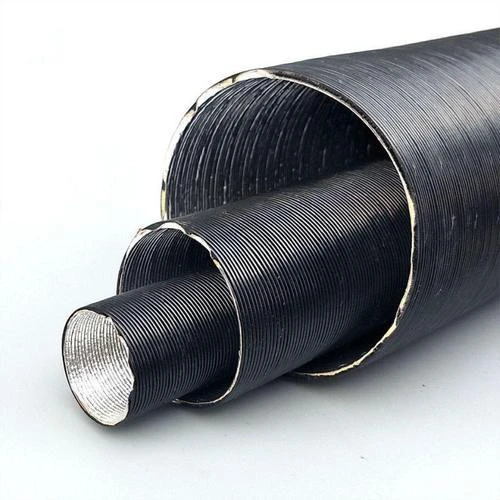
Choosing ALUMINUM FOIL VENTILATION DUCT: Application Fit and Specification ChecksNewsOct.24,2026
 Afrikaans
 Albanian
 Arabic
 Azerbaijani
 Belarusian
 Bengali
 Bulgarian
 Czech
 Danish
 Dutch
 Finnish
 French
 German
 Greek
 Hebrew
 Hindi
 Hungarian
 Indonesian
 Irish
 Italian
 Japanese
 Kazakh
 Korean
 Kyrgyz
 Lao
 Latin
 Lithuanian
 Luxembourgish
 Malay
 Mongolian
 Myanmar
 Nepali
 Norwegian
 Persian
 Polish
 Portuguese
 Russian
 Serbian
 Slovak
 Spanish
 Swedish
 Tagalog
 Thai
 Turkish
 Ukrainian
 Uighur
 Uzbek
 Vietnamese
 Welsh
 English