Clear Braided Tubing: Durable, Transparent Solutions for Global Fluid Systems
The Quiet Revolution of Clear Braided Tubing: What You Should Know
We rarely stop to think about the humble tubing that carries fluids across industries, from pharmaceuticals to agriculture. But clear braided tubing is quietly transforming how we handle liquids — offering durability, visibility, and unmatched reliability worldwide. Understanding this simple component shines a light on a critical link in global water systems, medical devices, and manufacturing lines. Plus, it’s vital to industries striving for higher safety standards and better sustainability.
Why Clear Braided Tubing Matters Globally
On a global scale, the demand for safe, durable, and transparent tubing is driven by expanding industrial activities, boosted medical infrastructure, and more complex fluid handling needs. According to the World Bank, water and sanitation systems alone serve billions worldwide and require reliable piping solutions to prevent leakage and contamination. In humanitarian contexts, such as water delivery in disaster zones, clear braided tubing provides a trustworthy conduit that ensures clarity at every drop, critical for health and safety.
However, many existing fluid delivery methods are prone to wear or don’t offer visual inspection capabilities, risking delays or contamination. Clear braided tubing helps solve these challenges with its unique blend of strength and transparency.
Defining Clear Braided Tubing: What It Really Is
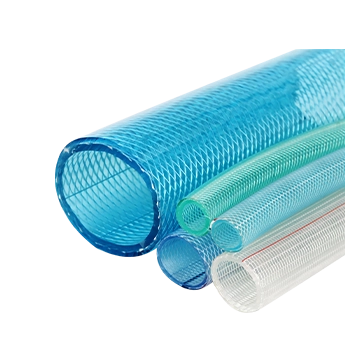
Clear braided tubing is essentially a flexible, transparent tube reinforced with a braided fiber layer, typically polyester. This braiding boosts tensile strength and crush resistance without sacrificing pliability or visibility. Imagine a plastic straw but made strong, with that woven pattern inside making it tough against pressure or kinks.
Its transparent nature means operators can visually inspect the fluid flow in real time — spotting blockages, leaks, or contamination early. This makes it invaluable not only in manufacturing or medical setups but also in remote locations where immediate troubleshooting isn’t always an option.
Core Components and Key Factors of Clear Braided Tubing
1. Durability
The braided polyester layer dramatically increases resistance to stretching, bursting, and punctures. This allows usage in harsh environments — think chemical plants, food production lines, or outdoor irrigation systems — without fear of unexpected failure.
2. Transparency
Unlike opaque tubing, clear braided tubing allows users to monitor flow visually. This reduces downtime and prevents damage caused by unnoticed clogs or leaks.
3. Chemical Compatibility
Most clear braided tubing is made from materials like PVC or polyurethane, which tolerate a wide range of chemicals. This versatility makes them practical in pharmaceutical, laboratory, and food-grade applications.
4. Flexibility
Despite reinforcement, these tubes bend easily around corners or equipment, facilitating installation in confined or complex layouts.
5. Cost Efficiency
Compared to metal or thick-walled hoses, clear braided tubing offers a balance of performance and price, particularly where frequent flow monitoring is necessary.
| Specification | Value | Notes |
|---|---|---|
| Material | PVC with polyester braid | Standard for chemical resistance |
| Operating Pressure | Up to 250 psi (17 bar) | Varies by diameter |
| Temperature Range | -20°C to 60°C (-4°F to 140°F) | Suitable for moderate climates |
| Inner Diameter | Typically 1/4" to 1" | Custom sizes available |
| Color | Clear (transparent) | Essential for flow monitoring |
| Bend Radius | 5x tube diameter | Prevents kinking |
Where Clear Braided Tubing Makes a Difference Globally
The application spectrum of clear braided tubing is remarkably wide:
- Healthcare: Used in infusion lines and respiratory devices where clear flow monitoring is vital.
- Agriculture: For delivering fertilizer and water in drip irrigation, especially in arid areas like parts of Africa and the American southwest.
- Manufacturing: Chemical lines in factories, where leakage detection is critical for hazardous substances.
- Humanitarian Relief: In disaster zones (floods, earthquakes), clear tubing ensures clean water transport with ease of inspection.
- Food and Beverage: Transparent food-grade tubing supports quality control during processing and bottling.
For instance, during the 2019 Cyclone Idai relief in Mozambique, NGOs deployed portable water filtration units using clear braided tubing to quickly verify water cleanliness on-site, reducing illness risk. It’s just one among countless examples where clarity literally saves lives.
The Long-Term Benefits of Clear Braided Tubing
In real terms, why do companies and aid organizations lean on this kind of tubing? It boils down to:
- Cost Savings: Reduced leakages and faster maintenance cut operational costs.
- Sustainability: Durable tubing lasts longer, reducing waste and need for frequent replacement.
- Safety & Compliance: Visibility enhances regulatory adherence and worker confidence.
- Innovation: The ease of monitoring speeds up adoption of more complex fluid management systems.
Often overlooked, the emotional aspect also ties in — knowing you can see obvious problems as they happen frees technicians from guesswork and stress. It’s that feeling of keeping control over a potentially delicate environment that counts.
Innovations Steering the Future of Clear Braided Tubing
Looking ahead, manufacturers are introducing bio-based polymers and smarter materials that maintain transparency while cutting carbon footprints. Better UV resistance and antimicrobial coatings address outdoor and medical uses respectively. There’s also growing integration with sensors that monitor pressure or flow digitally — a step toward fully automated, IoT-enabled fluid networks.
Digital twin technology, where flow conditions are modeled real-time, could soon rely heavily on clear braided tubing’s visibility and sensor compatibility. Sustainability trends will only increase demand for recyclable or biodegradable versions, making this category quite exciting if you think about it.
Challenges and How We Overcome Them
Of course, no product is without drawbacks. Clear braided tubing can be sensitive to extreme temperatures beyond its typical range. Chemical resistance has limits — some solvents will degrade PVC-based tubing. Also, large diameters may lose some flexibility and clarity, complicating flow checks.
Innovating new polymers and hybrid designs help mitigate these issues. Partnering with vendors who provide technical support and customization—from wall thickness to braiding density—often saves time and money in the long run.
Comparing Top Vendors in Clear Braided Tubing
| Vendor | Material Options | Customization | Typical Lead Time | Price Range |
|---|---|---|---|---|
| ClearFlow Inc. | PVC, PU | Wall thickness, color tint | 2–3 weeks | $$ |
| PolyBraided Solutions | PVC, Silicone blend | Braiding pattern, diameters | 4–5 weeks | $$$ |
| EcoTubing Co. | Bio-PVC, TPU | Sustainability focus, limited sizes | 3–4 weeks | $$$ |
Frequently Asked Questions About Clear Braided Tubing
Q1: How do I know if clear braided tubing is suitable for my chemical application?
A1: Check the chemical compatibility charts from vendors and compare your fluids’ properties against the tubing material, typically PVC or PU. If your chemicals are harsh solvents or strong acids, consider alternative materials or coatings. Always ask suppliers for resistance data to avoid unexpected failures.
Q2: Can clear braided tubing be customized for unusual sizes or pressure requirements?
A2: Yes, many manufacturers offer customization options including diameter, wall thickness, and braid density, allowing tubing to handle higher pressures or specific flow rates. However, these might increase lead time and cost, so plan accordingly.
Q3: How often should clear braided tubing be replaced in typical industrial use?
A3: Depending on conditions, tubing often lasts 2–5 years. Regular inspections (made easier thanks to transparency) help spot wear or discoloration. Extreme environments or abrasive chemicals may shorten lifespan.
Q4: Is clear braided tubing reusable for sterile applications?
A4: Reusability depends on cleaning protocols and the chemical resistance of the tubing. Medical-grade tubing often comes with guidelines for sterilization methods. Always consult product documentation to ensure compliance with health standards.
Q5: Where can I find reliable suppliers of clear braided tubing?
A5: Trusted manufacturers include ClearFlow Inc., PolyBraided Solutions, and EcoTubing Co. Visiting dedicated product pages or distributors such as clear braided tubing suppliers can help you get detailed specs and samples.
Wrapping Up: Why Clear Braided Tubing Deserves Your Attention
If you’re managing fluid systems, from industrial plants to disaster relief logistics, clear braided tubing is that modest hero you didn’t realize you needed. Its blend of strength, flexibility, and real-time visual feedback solves age-old problems in safer, smarter ways. Keep an eye on emerging materials and automation-friendly options to stay ahead.
For professionals curious about optimized tubing systems, or those planning projects where clarity and durability matter, I suggest exploring products at https://www.kebinghose.com — it’s a great starting point for sourcing quality clear braided tubing.
References:
1. World Bank, Water and Sanitation Overview, 2023.
2. ISO 18752:2020 Pneumatic Tube Systems
3. Wikipedia contributors, "Braided hose," Wikipedia, The Free Encyclopedia, 2024.
-
How to Choose Fuel Oil Hose SAE J30 R6 for Size and Service ConditionsNewsNov.11,2026
-
Flexible High Pressure Top Quality PU Pneumatic Tube Air Hose: Comparing Two PU Tube OptionsNewsNov.03,2026
-
High-Quality Flexible PVC Clear Hose from China: Compatibility, Sizing and Documentation FAQNewsOct.28,2026
-
Choosing PU Anti-Sprial Hose: Medium, Dimensions and Operating ConditionsNewsOct.24,2026
-
Choosing Plastic PVC Water Pump Suction Hose from a Cost-Effective PVC Water Hose Supplier: Medium, Dimensions and Operating ConditionsNewsOct.24,2026
-
Choosing ALUMINUM FOIL VENTILATION DUCT: Application Fit and Specification ChecksNewsOct.24,2026
 Afrikaans
 Albanian
 Arabic
 Azerbaijani
 Belarusian
 Bengali
 Bulgarian
 Czech
 Danish
 Dutch
 Finnish
 French
 German
 Greek
 Hebrew
 Hindi
 Hungarian
 Indonesian
 Irish
 Italian
 Japanese
 Kazakh
 Korean
 Kyrgyz
 Lao
 Latin
 Lithuanian
 Luxembourgish
 Malay
 Mongolian
 Myanmar
 Nepali
 Norwegian
 Persian
 Polish
 Portuguese
 Russian
 Serbian
 Slovak
 Spanish
 Swedish
 Tagalog
 Thai
 Turkish
 Ukrainian
 Uighur
 Uzbek
 Vietnamese
 Welsh
 English