Comprehensive Guide on Types of Hoses in Fire: Specifications, Uses & Innovations
Understanding the Types of Hoses in Fire: Essential Tools for Fire Safety Worldwide
When it comes to firefighting, having the right equipment can literally make the difference between tragedy and safety. One of the core components of fire suppression efforts around the globe is the hose. But not just any hose — there are various types of hoses in fire situations, each tailored for specific needs, conditions, and challenges.
Knowing the distinctions between different fire hoses is crucial not only for firefighters but also for industries, governments, and communities that face wildfire risks or industrial fire hazards. It empowers better preparedness, response, and ultimately, saves lives and property. So why does this matter globally? Because fires, especially uncontrolled ones, have been increasing—data from the United Nations Environment Programme points to a rise in wildfire frequency linked with climate change and expanding urban areas near forests.
The takeaway: A clear grasp on fire hose types is foundational for effective firefighting efforts worldwide, reducing risk and improving recovery outcomes.
Global Relevance: The Growing Need for Varied Fire Hoses
Globally, fire incidents cause billions in damages annually and threaten public safety. According to the World Bank and international safety organizations, rapidly changing environments push firefighting tactics to adapt constantly. It’s here that selecting the appropriate hose makes a tangible difference in how quickly a fire can be controlled.
For instance, urban firefighting demands hoses that balance flexibility and pressure resistance, while wildland firefighting needs lightweight, durable hoses capable of withstanding rough terrain. Industrial zones might require hoses with chemical-resistant coatings due to hazardous substances. The problem? Often, agencies lack tailored solutions due to budget constraints or lack of knowledge.
Mini summary: The selection of fire hoses is not one-size-fits-all but a nuanced decision reflecting geography, fire types, and operational needs.
What Are the Types of Hoses in Firefighting?
The term "types of hoses in fire" generally refers to several varieties of hoses designed specifically for firefighting applications. Simply put, they're specialized tubing that carries water or foam from the source to the fire. Each type is engineered to meet particular criteria such as pressure tolerance, length, diameter, and material ruggedness.
For example, the most common are:
- Attack Hoses: Large diameter and flexible, meant for direct firefighting.
- Supply Hoses: Connect hydrants to engines, designed for high pressure and volume.
- Forest or Wildland Hoses: Lightweight, often accordion-folded for easy transport across tough landscapes.
- Booster Hoses: Smaller diameter hoses used for small fires or mop-up operations.
Understanding these distinctions is vital for modern firefighting logistics and even humanitarian efforts, especially in countries prone to seasonal wildfires or industrial accidents.
Takeaway: Knowing hose types enhances operational readiness and can optimize resource allocation.
Key Factors in Fire Hose Selection & Use
1. Durability
Fire hoses endure extreme stresses — high-pressure water flow, abrasion on rough surfaces, exposure to chemicals or heat. Materials like synthetic fibers coated with rubber or polyurethane are common because they balance flexibility and durability well enough to last through multiple deployments.
2. Pressure Rating
Because these hoses channel water under great pressure, almost like mechanical veins, they have to withstand predefined PSI (pounds per square inch). A wrong rating can lead to hose bursts or insufficient water flow.
3. Flexibility and Weight
A hose can’t be cumbersome or rigid — agility is essential when firefighters work in confined spaces or uneven terrain. Wildland hoses, for instance, are designed extremely lightweight and packable.
4. Length and Diameter
Longer hoses increase reach but add weight and pressure drop, while diameter affects the volume of water delivered. Fire services often optimize hose lengths based on typical deployment scenarios.
5. Chemical and Heat Resistance
In industrial settings, hoses often encounter burning chemicals or extreme heat, so materials must resist melting or degrading quickly.
Summary: The right fire hose balances mechanical and environmental demands — a complicated dance between physics and practicality.
Types of Hoses in Fire – Product Specifications Overview
| Hose Type | Diameter | Max Pressure (PSI) | Weight (per 50 ft.) | Material |
|---|---|---|---|---|
| Attack Hose | 1.5" - 2.5" | 300 - 500 psi | 12-18 lbs | Synthetic fiber with rubber liner |
| Supply Hose | 4" - 5" | 200 - 400 psi | 40-60 lbs | Polyester double-jacketed rubber |
| Wildland Hose | 1" - 1.5" | 100 - 300 psi | 7-12 lbs | Synthetic textile with TPU coating |
| Booster Hose | 0.75" - 1" | 200 - 400 psi | 5-8 lbs | Rubber with textile reinforcement |
Global Applications & Real-World Use Cases
Whether it’s battling wildfires in California and Australia or tackling chemical factory blazes in Germany, the variety of fire hoses reflects the environments in which they operate.
- Urban Fire Departments: Use attack and supply hoses to control residential and commercial fires efficiently.
- Wildland Firefighters: Depend on lightweight, durable hoses during long hikes through forests — in places like Canada or Siberia.
- Industrial Facilities: Require specialized hoses that can resist corrosive substances and heat for safety in chemical plants and refineries.
- Humanitarian & Disaster Relief: Emergency responders use portable hose systems to deliver firefighting capabilities in disaster-affected or resource-poor zones.
For more detailed info on hose types in fire response, check out types of hoses in fire.
Mini takeaway: Diverse environments demand equally diverse hose technologies — firefighting isn’t one-size-fits-all.
Advantages & Long-Term Value
Choosing the right fire hose yields immediate and lasting benefits. From a cost perspective, durability cuts down on replacement frequency. Flexible hoses reduce fatigue among firefighters, enhancing safety and efficiency. Socially, reliable equipment nurtures community trust in emergency services — a key piece of the broader safety puzzle.
And then there’s the emotional reassurance firefighters get knowing their gear won’t fail in critical moments. You can’t underestimate this psychological edge; it directly impacts response effectiveness.
Vendor Comparison: A Quick Look at Leading Fire Hose Suppliers
| Vendor | Product Quality | Price Range | Special Features | Warranty |
|---|---|---|---|---|
| Kebing Hose | High | $$$ | Custom coatings, UV resistant | 5 years |
| Global Fire Hoses Inc. | Medium | $$ | Standard materials | 3 years |
| FireGear Solutions | High | $$$ | Lightweight models, quick-dry | 4 years |
Future Trends & Innovations in Fire Hose Technology
The firefighting industry isn’t standing still. Frankly, there’s a bit of a race to produce fire hoses that are not only more effective but greener and smarter.
Innovations include:
- Sustainable Materials: Hoses with bio-based coatings or recycled fibers reduce environmental footprint.
- Smart Sensors: Integrated tech to monitor hose pressure, temperature, and leaks in real time.
- Lightweight Composite Materials: Enhancing portability without sacrificing strength.
- Modular Hose Systems: Quick-connect segments for faster deployment and repair.
Such developments mean firefighting gear will gradually become more reliable, cost-effective, and suited for complex future challenges.
Common Challenges & How Experts Suggest Overcoming Them
Challenges persist, of course:
- Hose degradation: UV exposure and chemicals wear hoses down faster than expected.
- Weight balance: Making hoses lighter without losing durability is tricky.
- Cost constraints: High-tech hoses aren't always affordable for smaller agencies.
Experts recommend rigorous maintenance schedules, investing in protective covers for hoses, and adopting hybrid materials to address these issues. Collaborating with innovative suppliers like Kebing Hose can also bring better custom solutions tailored to specific use cases.
FAQ: Frequently Asked Questions About Types of Hoses in Firefighting
1. What is the difference between an attack hose and a supply hose?
Attack hoses deliver water directly to the fire and are smaller in diameter (1.5"-2.5"), more flexible, and designed for handling by firefighters on the front lines. Supply hoses are larger (4"-5") and connect the water source to the fire engine, built to handle higher volumes and longer distances.
2. How important is hose flexibility in firefighting?
Very important! Flexible hoses allow firefighters to maneuver through tight spaces and rugged terrain, reducing the risk of tripping or hose failure. Flexibility also helps in quick deployment and repacking after use.
3. Can fire hoses be reused after exposure to chemicals?
It depends on the chemical and hose material. Specialized chemical-resistant hoses can be safely reused after proper cleaning and inspection, while standard hoses might degrade and require replacement to ensure safety.
4. How long does a typical fire hose last?
With proper maintenance, a quality fire hose can last anywhere from 5 to 15 years. Factors such as frequency of use, storage conditions, and exposure to harsh elements affect longevity.
5. Are all fire hoses compatible with standard hydrant fittings?
Most fire hoses conform to national or international standards (like ISO or NFPA) for coupling sizes, but some may require adapters. Always verify compatibility before deployment.
Conclusion & Call to Action
To sum it up, understanding the types of hoses in fire contexts is more than just technical jargon—it’s a life safety issue that touches communities worldwide. The right hose can mean the difference between rapid containment and prolonged disaster.
If you want to explore high-quality, innovative fire hoses tailored to varied needs and environments, I strongly encourage you to visit our website: https://www.kebinghose.com. Equipped with expert guidance and reliable products, you can take your firefighting preparedness to the next level.
Final thought: Firefighting gear might sound mundane, but in reality, it reflects centuries of practical innovation and future-focused technology aiming to protect what matters most — life and property.
References
-
How to Choose Fuel Oil Hose SAE J30 R6 for Size and Service ConditionsNewsNov.11,2026
-
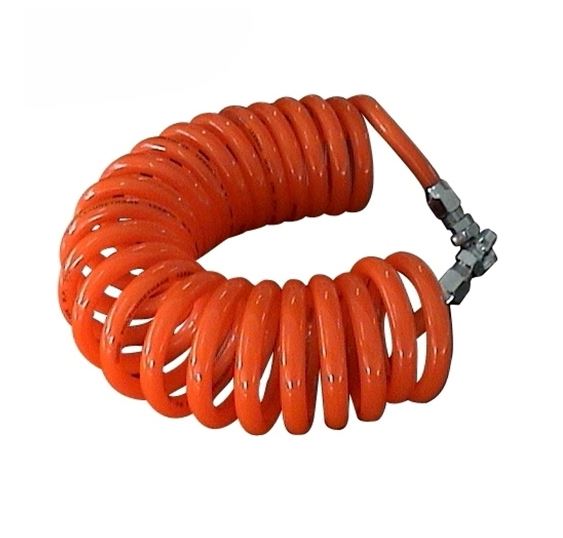
Flexible High Pressure Top Quality PU Pneumatic Tube Air Hose: Comparing Two PU Tube OptionsNewsNov.03,2026
-
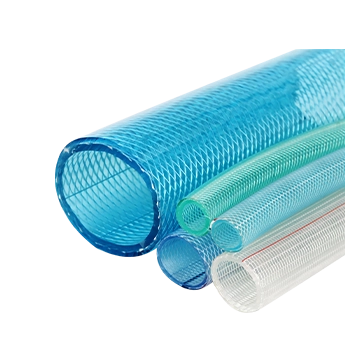
High-Quality Flexible PVC Clear Hose from China: Compatibility, Sizing and Documentation FAQNewsOct.28,2026
-
Choosing PU Anti-Sprial Hose: Medium, Dimensions and Operating ConditionsNewsOct.24,2026
-
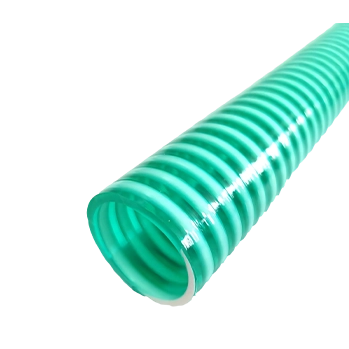
Choosing Plastic PVC Water Pump Suction Hose from a Cost-Effective PVC Water Hose Supplier: Medium, Dimensions and Operating ConditionsNewsOct.24,2026
-
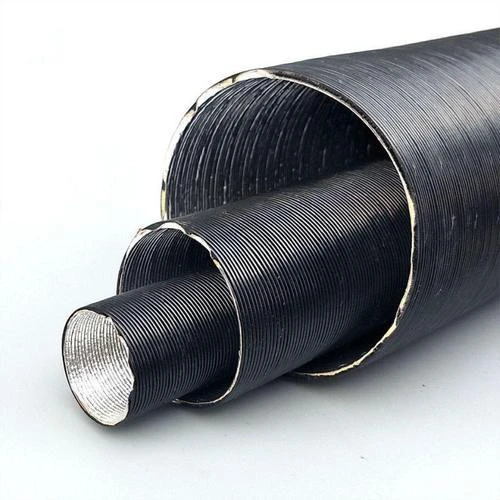
Choosing ALUMINUM FOIL VENTILATION DUCT: Application Fit and Specification ChecksNewsOct.24,2026
 Afrikaans
 Albanian
 Arabic
 Azerbaijani
 Belarusian
 Bengali
 Bulgarian
 Czech
 Danish
 Dutch
 Finnish
 French
 German
 Greek
 Hebrew
 Hindi
 Hungarian
 Indonesian
 Irish
 Italian
 Japanese
 Kazakh
 Korean
 Kyrgyz
 Lao
 Latin
 Lithuanian
 Luxembourgish
 Malay
 Mongolian
 Myanmar
 Nepali
 Norwegian
 Persian
 Polish
 Portuguese
 Russian
 Serbian
 Slovak
 Spanish
 Swedish
 Tagalog
 Thai
 Turkish
 Ukrainian
 Uighur
 Uzbek
 Vietnamese
 Welsh
 English