


Comprehensive Guide to Duct Cleaning Vacuum Hoses: Features, Uses & Trends
What’s the Big Deal About Duct Cleaning Vacuum Hoses?
If you’ve ever wondered how the air inside big office buildings, hospitals, or even factories gets cleaned and kept fresh, you might find yourself coming across something called a duct cleaning vacuum hose. It sounds super technical, but quite simply, it’s a special hose designed to help remove dust, debris, and other unseen yuck from ventilation ductwork. Why does this matter worldwide? Well, clean air means better health, increased productivity, and less risk of costly fires or system breakdowns. Understanding these hoses and their role actually links to bigger challenges like urban health standards, sustainability, and indoor air quality management.
So yeah, these hoses might seem like a small piece of plumbing or HVAC gear, but in the grand scheme of modern living spaces and industries—they’re unsung heroes.
The Global Context: Why Duct Cleaning Vacuum Hoses Matter More Than Ever
Across the globe, older buildings and new constructions alike face a common foe: dirty air ducts. According to the World Health Organization, indoor air pollution ranks among the top environmental risks to health, especially in urban areas where people spend up to 90% of their time indoors. The ISO 16890 standard stresses the importance of HVAC maintenance, highlighting the need for effective duct cleaning solutions.
Here lies the challenge — how do you consistently and efficiently clean these complex duct systems to ensure healthy air circulation? Enter the duct cleaning vacuum hose, a tactical answer for maintenance teams worldwide. In developing economies, poor duct cleaning can contribute to respiratory illnesses. Meanwhile, in industrialized countries, these hoses help preserve expensive HVAC systems and minimize energy waste.
It’s a clean air pipeline that quite frankly, we can’t live without.
Breaking It Down: What Exactly Is a Duct Cleaning Vacuum Hose?
At its core, a duct cleaning vacuum hose is a flexible, durable tube connected to a vacuum system that’s purpose-built for ductwork cleaning. Unlike regular vacuum hoses, these are made specifically to snake through narrow vents and crawl around ducts without kinking or tearing. They often have reinforced linings and smooth interiors to reduce resistance, allowing technicians to suction dust, loose dirt, mold spores, and other debris from the inside of ventilation paths.
This tool is vital not only for buildings and factories but also for environments facing humanitarian challenges. For instance, in shelters or emergency housing, clean air systems can reduce infection spread, making these hoses indirectly lifesaving.
Key Features of Duct Cleaning Vacuum Hoses
- Durability: Constructed from abrasion-resistant materials to withstand repeated use inside harsh ductwork.
- Flexibility: Designed to navigate bends and tight spaces without compromising suction.
- Length Options: Varies from short hoses for residential jobs to extended lengths for large commercial ducts.
- Compatibility: Interfaces smoothly with various vacuum systems, often using standardized coupling ends.
- Safety: Non-toxic and resistant to static buildup, ensuring safe operation in sensitive environments.
Practically speaking, these features ensure that cleaning teams spend less time battling hoses themselves and more time delivering clean, healthy air.
Mini Takeaway:
Understanding what makes a duct cleaning vacuum hose “tick” helps in choosing the right equipment for maintenance needs — a worthwhile investment for better indoor air quality.
Where in the World and Who Actually Uses These Hoses?
From sprawling manufacturing plants in Germany to busy hospitals in the U.S., these hoses are in constant demand. In China’s megacities, where air pollution is a severe concern, industrial HVAC maintenance teams rely heavily on duct cleaning systems to reduce trapped particulates inside ventilation systems.
Humanitarian agencies operating refugee camps or temporary shelters often deploy these hoses connected to portable vacuum units for swift air duct cleaning, preventing airborne illnesses. Post-disaster rebuilding efforts in places like the Philippines utilize duct cleaning for safe reoccupation of buildings, making the hose a small but critical cog in recovery.
Even modern smart buildings in Europe include professional duct cleaning as part of their green certification protocols, emphasizing sustainability.
Product Specification Table: Typical Duct Cleaning Vacuum Hose
| Specification | Details |
|---|---|
| Material | Polyurethane reinforced with steel wire helix |
| Diameter Options | 2 inch, 3 inch, 4 inch (50/75/100 mm) |
| Length Variants | 5 m, 10 m, 20 m |
| Max Temperature | 60 °C (140 °F) |
| Weight | Approx. 2.5 kg per 10 m length |
| Coupling | Quick-release metal fitting |
Comparing Your Options: Leading Duct Cleaning Vacuum Hose Vendors
| Vendor | Material Quality | Range of Sizes | Price Range | Customization Options |
|---|---|---|---|---|
| Kebing Hose | High-grade polyurethane & steel | 2”–6” diameters, 5–30 m lengths | $$$ | Fully customizable fittings, branding |
| AirClean Supplies | Standard PVC blend | 2”–4” diameters, fixed 10 m length | $ | Limited customization |
| HVAC Pro Gear | Polyurethane with fiber reinforcement | 3”–5” diameters, 5–20 m lengths | $$ | Multiple coupling options |
Why Invest in a Quality Duct Cleaning Vacuum Hose?
It’s not just about suction power or hose length. The right duct cleaning vacuum hose can:
- Save money long-term by reducing HVAC repairs and boosting energy efficiency.
- Improve indoor air quality, which means healthier occupants and fewer sick days.
- Reduce downtime during maintenance by making cleaning faster and easier.
- Lower environmental impact thanks to materials chosen for sustainability and hose longevity.
On a human level, it’s about trust. Facilities managers often say that knowing their ductwork is truly clean allows them to sleep better at night — it’s like clearing a hidden pollution source.
Emerging Trends Impacting Duct Cleaning Vacuum Hoses
The humble vacuum hose is seeing innovation in several ways: light-weight composite materials are making hoses easier to handle; anti-microbial linings are battling mold growth inside the hose itself; and IoT sensors embedded in hoses help track cleaning progress and detect blockages remotely.
Plus, the growing push for eco-friendly materials aligns with global sustainability goals. Green polymers and recyclable hose designs are becoming the new standard, especially for large enterprises aiming for LEED certifications.
Tackling Challenges in Duct Cleaning Hose Use
Of course, no tool is perfect. Some hoses wear out quickly in very abrasive environments, or get stuck going through tight bends. Plus, matching hoses to older or bespoke vacuums can be a headache. The solution? Many vendors now offer modular systems and reinforced “memory” hoses that bounce back without much fuss. Also, ongoing training for technicians ensures hoses aren’t damaged through misuse.
FAQ: Common Questions About Duct Cleaning Vacuum Hoses
- Q: How do I know which hose diameter I need?
A: Generally, it depends on your vacuum unit capacity and duct size. For residential ducts, 2-3 inches usually work, while large commercial systems may require 4 inches or more. - Q: Can these hoses be used for wet vacuuming?
A: Most duct cleaning vacuum hoses are designed primarily for dry debris. However, some models with waterproof inner linings are rated for minimal moisture exposure—check manufacturer specs carefully. - Q: How often should hoses be replaced?
A: Typical lifespan varies, but with regular use and care, hoses last about 1-3 years. Watch for cracks, loss of flexibility, or reduced suction as replacement signs. - Q: Are custom lengths available?
A: Absolutely. Many vendors, including duct cleaning vacuum hose suppliers, specialize in custom lengths and fittings tailored to your job requirements. - Q: What safety precautions should I take when using these hoses?
A: Use gloves and eye protection, ensure no electrical hazards exist near ducts, and work in well-ventilated areas. Also, avoid excessive bending to preserve hose integrity.
Wrapping It Up: Clean Air Starts With the Right Hose
Choosing a quality duct cleaning vacuum hose isn’t just a minor step in maintenance — it’s a foundational investment in building health, energy efficiency, and operational smoothness. Whether you’re a property manager aiming to meet ISO air quality standards or an industrial firm minimizing downtime, the right hose can make all the difference.
For the best options and custom solutions, visit duct cleaning vacuum hose providers like Kebing Hose. Trust me, once you handle and see the difference a quality hose can make, you’ll wonder how you managed without one.
Mini Takeaway:
The next time you flip on your HVAC and breathe in that fresh, clean air, spare a moment to appreciate the duct cleaning vacuum hose quietly doing its job behind the scenes.
References
-
How to Choose Fuel Oil Hose SAE J30 R6 for Size and Service ConditionsNewsNov.11,2026
-
Flexible High Pressure Top Quality PU Pneumatic Tube Air Hose: Comparing Two PU Tube OptionsNewsNov.03,2026
-
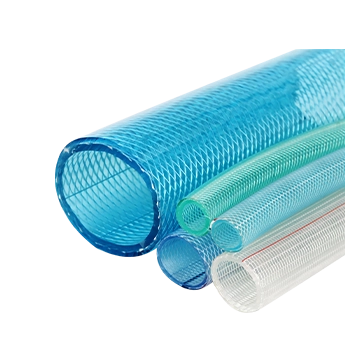
High-Quality Flexible PVC Clear Hose from China: Compatibility, Sizing and Documentation FAQNewsOct.28,2026
-
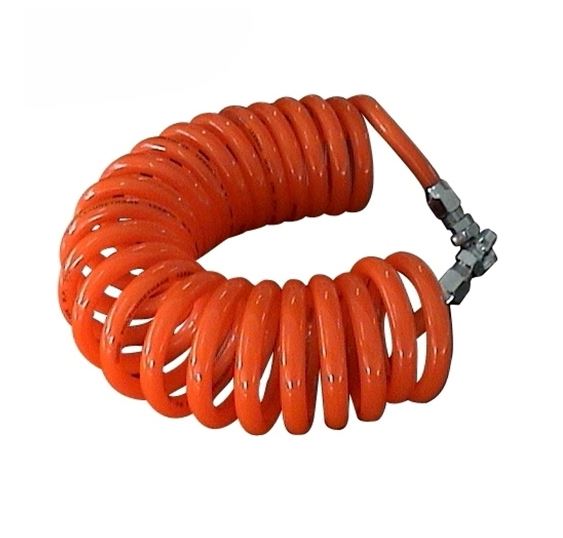
Choosing PU Anti-Sprial Hose: Medium, Dimensions and Operating ConditionsNewsOct.24,2026
-
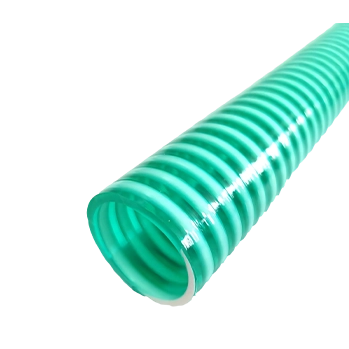
Choosing Plastic PVC Water Pump Suction Hose from a Cost-Effective PVC Water Hose Supplier: Medium, Dimensions and Operating ConditionsNewsOct.24,2026
-
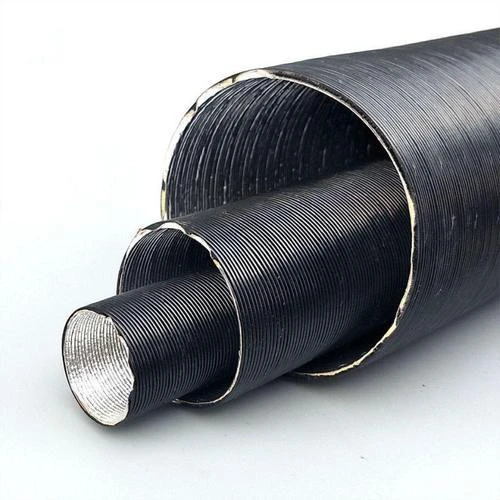
Choosing ALUMINUM FOIL VENTILATION DUCT: Application Fit and Specification ChecksNewsOct.24,2026
 Afrikaans
 Albanian
 Arabic
 Azerbaijani
 Belarusian
 Bengali
 Bulgarian
 Czech
 Danish
 Dutch
 Finnish
 French
 German
 Greek
 Hebrew
 Hindi
 Hungarian
 Indonesian
 Irish
 Italian
 Japanese
 Kazakh
 Korean
 Kyrgyz
 Lao
 Latin
 Lithuanian
 Luxembourgish
 Malay
 Mongolian
 Myanmar
 Nepali
 Norwegian
 Persian
 Polish
 Portuguese
 Russian
 Serbian
 Slovak
 Spanish
 Swedish
 Tagalog
 Thai
 Turkish
 Ukrainian
 Uighur
 Uzbek
 Vietnamese
 Welsh
 English







