


Comprehensive Guide to PVC Hose Manufacturer – Global Trends & Applications
PVC Hose Manufacturer: The Backbone of Versatile Industrial Solutions
When we talk about manufacturers of PVC hoses, we’re really zeroing in on a niche that’s quietly but powerfully woven into the fabric of industries worldwide. These flexible tubes are everywhere—from agricultural irrigation and construction sites to medical devices and even in disaster relief efforts. But why does this matter globally? Understanding the role and benefits of PVC hose manufacturing is key not just for engineers or procurement specialists but for anyone committed to efficient resource utilization, sustainability, and innovation in material applications.
Setting the Stage: Why PVC Hose Manufacturing Matters Globally
Globally, demand for PVC hoses has surged due to their remarkable versatility and affordability. According to market research from ISO certified organizations, the global market for PVC-based industrial products is expected to grow steadily at around 5% annual rate through 2028 (1). That’s partly because PVC hoses address critical challenges: durability in harsh environments, adaptability for various fluids, and cost-effectiveness.
Consider agriculture, which employs around 27% of the world’s population (UN data, 2023). Efficient irrigation systems depend heavily on reliable hoses that can withstand sun, chemicals, and rough handling. Or, for that matter, humanitarian logistics in post-disaster zones rely on quick-deploy water transport solutions, often supplied through PVC hoses that don’t crack under pressure or freeze in cold climates.
Mini takeaway: The global relevance of PVC hoses is rooted in their unique combination of durability, affordability, and adaptability in fields vital for food security and disaster resilience.
What Is a PVC Hose Manufacturer?
Simply put, a PVC hose manufacturer produces flexible tubing made primarily from polyvinyl chloride (PVC), a type of plastic known for robustness and chemical resistance. These manufacturers oversee everything from compounding the raw PVC resin with additives to extrusion, molding, and quality testing of hoses designed for specific applications.
In industrial terms, these hoses move liquids, gases, and sometimes solids safely and efficiently. On a humanitarian level, reliable hoses are crucial for water distribution, sanitation, and medical supply transport, often in challenging or resource-poor settings. The PVC hose manufacturer isn’t just a factory – it’s an innovation hub pushing material science and manufacturing precision forward.
Core Components and Key Factors of PVC Hose Manufacturing
Durability and Chemical Resistance
PVC hoses must endure a wide range of chemicals without degrading, which is why manufacturers carefully select additives like plasticizers, stabilizers, and UV inhibitors. This makes them ideal for handling acids, oils, or agricultural chemicals.
Flexibility and Strength
The balance between flexibility and tensile strength is critical. Thicker walls or reinforcement layers (like fabric or steel wire braid) can be added to enhance strength without sacrificing pliability.
Cost Efficiency
PVC is relatively inexpensive compared to synthetic rubbers or silicone, so these hoses provide a budget-friendly option for mass applications without compromising performance.
Customization and Scalability
Manufacturers tailor hoses to customer requirements—diameter, length, color coding, pressure rating, temperature tolerance—all scalable depending on volume demands.
Compliance and Safety Standards
ISO 9001 and other certifications ensure hoses meet strict product safety and performance benchmarks. This adds trustworthiness and market acceptability, especially in regulated sectors like food or medical tools.
| Specification | Standard Range | Typical Use Case |
|---|---|---|
| Inner Diameter | 6mm - 150mm | Irrigation, chemical transfer |
| Pressure Rating | 4 - 15 bar | Industrial water & air supply |
| Operating Temperature | -10°C to 65°C | General fluid transfer |
| Material Composition | PVC with plasticizers + optional reinforcements | Enhanced pressure & durability |
Global Applications & Real-World Use Cases
PVC hoses’ wide-ranging use cases span multiple continents and industries. In Southeast Asia, the agricultural sector relies on affordable, easy-to-install irrigation hoses to tackle water scarcity and improve yields. In Europe and North America, industries like automotive manufacturing and pharmaceuticals benefit from specialized hoses that conform to hygiene standards and chemical handling.
Post-disaster humanitarian organizations often use the rapid deployment of hose pipelines to channel clean water into affected regions. Oddly enough, even the food and beverage industry uses food-grade PVC hoses to pump liquids without contamination risks.
Mini takeaway: The diversity of PVC hose applications proves their indispensable role in connecting critical supply chains globally—food, water, chemicals, and more.
Advantages & Long-Term Value of PVC Hose Manufacturing
- Cost Effectiveness: Compared to rubber and specialty polymers, PVC hoses reduce operational budget burdens significantly.
- Sustainability: Increasingly, manufacturers recycle PVC offcuts and develop bio-based plasticizers to reduce environmental footprint.
- Reliability: Proven performance over decades builds trust especially in high-stakes industries where hose failure isn’t an option.
- Emotional Impact: For communities, reliable hoses mean access to clean water, safer environments, and restored dignity after crises.
Looking Ahead: Future Trends in PVC Hose Manufacturing
We’re seeing exciting changes on the horizon. As global industries push for greener practices, PVC hose manufacturers are exploring eco-friendly additives and improving recyclability. Automation in production lines is also enhancing consistency and scaling capabilities.
Smart hoses embedded with sensors to detect leaks or flow irregularities show promise in industrial digital transformations. Regulations, too, are tightening to ensure that PVC hoses meet stricter environmental and safety standards.
Challenges & Forward-Thinking Solutions
One common challenge is the environmental impact of PVC, especially concerns about plasticizers and post-use waste. Industry experts are working on bio-based and non-toxic additives and more efficient recycling programs. Also, while PVC hoses perform well in moderate temperature ranges, extreme conditions sometimes require hybrid materials or specialty polymers, which ramps costs. Innovative layering techniques and nanocomposite fillers can address this.
| Vendor | Product Range | Customization | Sustainability Focus | Global Reach |
|---|---|---|---|---|
| Kebing Hose Co. | Wide (agriculture, industrial, food grade) | High (diameter, color, reinforcement) | Advanced recycling & bio-plasticizers | Asia, EMEA, Americas |
| Global PVC Solutions | Medium (mainly industrial) | Medium (standard sizes) | Moderate (some recycled content) | Europe, North America |
| EcoHose Industries | Niche: medical & food grade | Limited (specialized) | Strong eco focus & certifications | Europe, Asia |
FAQ: Frequently Asked Questions About PVC Hose Manufacturer
- What industries most commonly use PVC hoses?
- They’re widely used in agriculture for irrigation, in chemical plants for fluid transport, in food and beverage industries for sanitary liquid transfer, and in medical devices requiring flexible tubing.
- How long can PVC hoses typically last under regular use?
- Depending on application and exposure, good-quality PVC hoses can last anywhere from 3 to 10 years if maintained properly, especially when protected from extreme UV exposure and chemicals outside their compatibility range.
- Are PVC hoses recyclable, and how eco-friendly are they?
- Yes, PVC can be recycled, though it is more complex than some plastics due to additives. Leading manufacturers are improving recycling methods and introducing bio-based plasticizers to lower environmental impact.
- Can PVC hoses be customized for special industrial needs?
- Absolutely. Most manufacturers offer customization in terms of size, wall thickness, reinforcements (like steel wire braiding), and color to meet pressure, temperature, and chemical resistance requirements.
- How can international buyers source from reliable PVC hose manufacturers?
- Contacting established suppliers online, checking certifications (ISO 9001, ROHS), reviewing product specs, and requesting samples are best practices. For example, visit pvc hose manufacturer websites for trusted options worldwide.
Wrapping Up: Why Investing in PVC Hose Manufacturers Makes Sense
To sum it all up, PVC hose manufacturing isn’t just about plastic tubes. It’s about enabling safer, more efficient, and affordable transfer solutions critical to many of the world’s key sectors. From feeding communities to powering industries and ensuring disaster resilience, dependable PVC hoses stand at that intersection of innovation and practical problem-solving.
If you want to explore reliable and customizable PVC hoses, or learn more about sustainable manufacturing solutions, be sure to visit our website and connect with the experts driving the future of this essential product.
Oddly enough, the humble PVC hose might just be one of the unsung heroes in your daily life and work.
References
- International Organization for Standardization (ISO) Market Reports, 2023.
- United Nations Food and Agriculture Organization (FAO), World Agricultural Statistics, 2023.
- Wikipedia contributors, “Polyvinyl Chloride,” Wikipedia, The Free Encyclopedia. (accessed June 2024).
-
How to Choose Fuel Oil Hose SAE J30 R6 for Size and Service ConditionsNewsNov.11,2026
-
Flexible High Pressure Top Quality PU Pneumatic Tube Air Hose: Comparing Two PU Tube OptionsNewsNov.03,2026
-
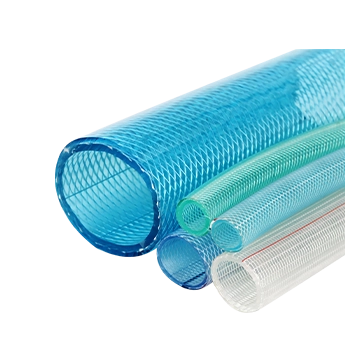
High-Quality Flexible PVC Clear Hose from China: Compatibility, Sizing and Documentation FAQNewsOct.28,2026
-
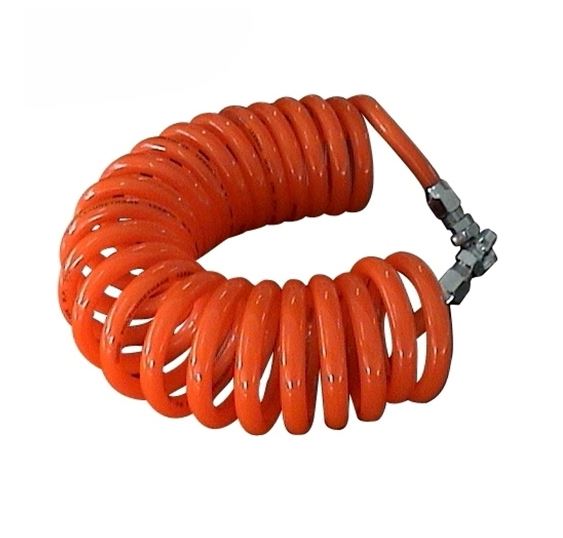
Choosing PU Anti-Sprial Hose: Medium, Dimensions and Operating ConditionsNewsOct.24,2026
-
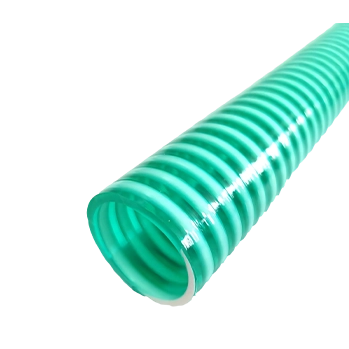
Choosing Plastic PVC Water Pump Suction Hose from a Cost-Effective PVC Water Hose Supplier: Medium, Dimensions and Operating ConditionsNewsOct.24,2026
-
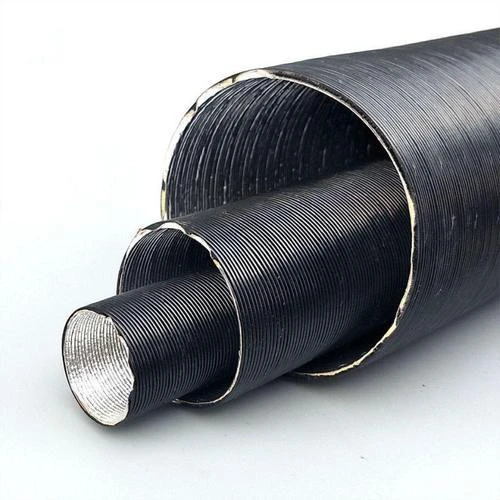
Choosing ALUMINUM FOIL VENTILATION DUCT: Application Fit and Specification ChecksNewsOct.24,2026
 Afrikaans
 Albanian
 Arabic
 Azerbaijani
 Belarusian
 Bengali
 Bulgarian
 Czech
 Danish
 Dutch
 Finnish
 French
 German
 Greek
 Hebrew
 Hindi
 Hungarian
 Indonesian
 Irish
 Italian
 Japanese
 Kazakh
 Korean
 Kyrgyz
 Lao
 Latin
 Lithuanian
 Luxembourgish
 Malay
 Mongolian
 Myanmar
 Nepali
 Norwegian
 Persian
 Polish
 Portuguese
 Russian
 Serbian
 Slovak
 Spanish
 Swedish
 Tagalog
 Thai
 Turkish
 Ukrainian
 Uighur
 Uzbek
 Vietnamese
 Welsh
 English







