difference between pipe tube and hose
Understanding the Differences Between Pipe, Tube, and Hose
In various industries, the terms pipe, tube, and hose are often used interchangeably, but they refer to different types of cylindrical structures used for transporting fluids or gases. Understanding the differences between these three is crucial for selecting the right material for your needs. This article will explore the distinct characteristics of each and their common applications.
Pipe
Pipes are primarily designed for transporting liquids, gases, and sometimes solids. They have a fixed diameter and wall thickness, which are standardized according to industry specifications. Pipes are measured by their nominal pipe size (NPS) or diameter, and they come in a variety of materials, including metal, plastic, and concrete.
One of the key characteristics of pipes is their rigidity. They tend to be used in applications requiring high pressure and are often found in municipal water systems, oil and gas pipelines, and sewage systems. Pipes can also be easily joined through welding, threading, or flanging, facilitating the creation of extensive networks for transporting fluids over great distances.
Tube
Tubing, on the other hand, is more versatile and is available in various shapes and sizes. Unlike pipes, tubes are typically measured by their actual outer diameter (OD) and wall thickness. This allows for a wider range of applications, especially in scenarios where precision and specific dimensions are critical. Tubes can be made from metals, plastics, and composites, and they are often used in applications such as manufacturing, automotive, and aviation industries.
difference between pipe tube and hose

Another significant difference is that tubes are more flexible than pipes; they can bend and conform to specific shapes, making them suitable for applications like fluid transfer in medical devices or automotive cooling systems. Tubes are generally utilized in situations where aesthetics and precision are important, and they can be easily customized for unique applications.
Hose
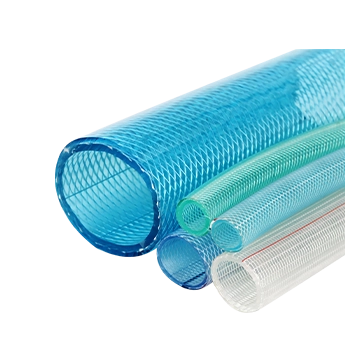
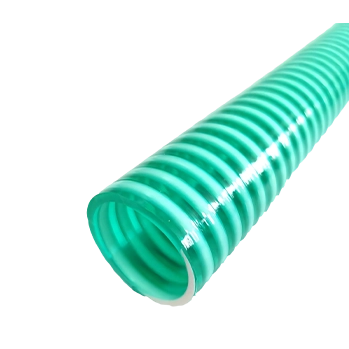
Hoses are different from pipes and tubes in that they are usually made of flexible materials, such as rubber or plastic, allowing them to be bent and manipulated with ease. This makes hoses ideal for applications that require movement or flexibility. Common uses of hoses include gardening, industrial processes, and automotive applications for conveying liquids and gases.
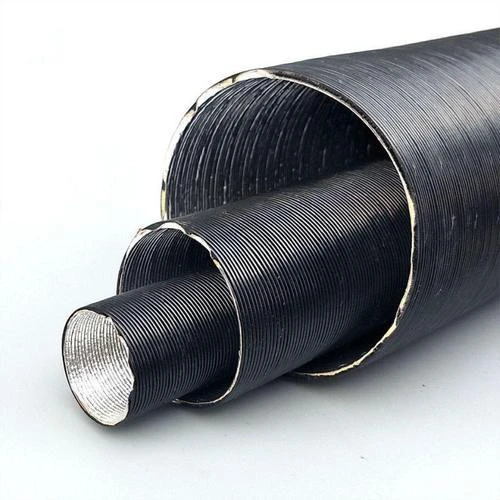
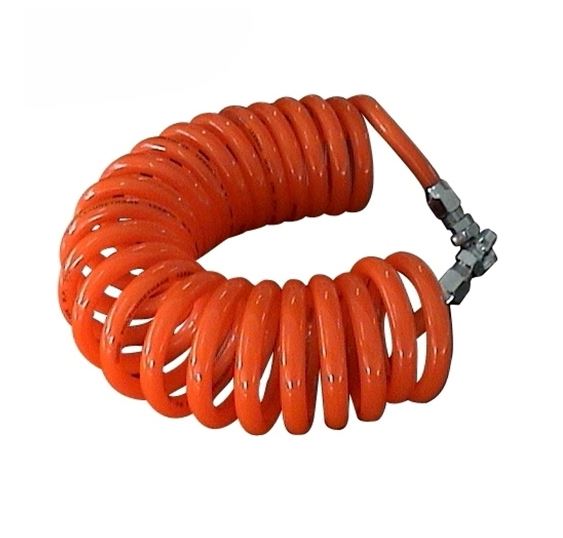
Hoses also have various reinforcements to withstand pressure variations and environmental factors. They can be designed for specific applications, such as high-pressure hoses for hydraulic systems or ventilation hoses for exhaust systems. Additionally, hoses often come with fittings or connectors to facilitate quick attachment and detachment.
Conclusion
In summary, the choice between pipe, tube, and hose ultimately comes down to the specific requirements of the application. Pipes are best for fixed, high-pressure systems; tubes offer versatility and precision; and hoses provide flexibility for dynamic applications. Understanding these differences can help professionals make informed decisions when selecting the appropriate materials for their projects, ensuring efficiency and reliability in their operations. Whether you’re working in construction, manufacturing, or another field, recognizing the distinct characteristics of pipe, tube, and hose can greatly enhance your project's success.
-
How to Choose Fuel Oil Hose SAE J30 R6 for Size and Service ConditionsNewsNov.11,2026
-
Flexible High Pressure Top Quality PU Pneumatic Tube Air Hose: Comparing Two PU Tube OptionsNewsNov.03,2026
-
High-Quality Flexible PVC Clear Hose from China: Compatibility, Sizing and Documentation FAQNewsOct.28,2026
-
Choosing PU Anti-Sprial Hose: Medium, Dimensions and Operating ConditionsNewsOct.24,2026
-
Choosing Plastic PVC Water Pump Suction Hose from a Cost-Effective PVC Water Hose Supplier: Medium, Dimensions and Operating ConditionsNewsOct.24,2026
-
Choosing ALUMINUM FOIL VENTILATION DUCT: Application Fit and Specification ChecksNewsOct.24,2026
 Afrikaans
 Albanian
 Arabic
 Azerbaijani
 Belarusian
 Bengali
 Bulgarian
 Czech
 Danish
 Dutch
 Finnish
 French
 German
 Greek
 Hebrew
 Hindi
 Hungarian
 Indonesian
 Irish
 Italian
 Japanese
 Kazakh
 Korean
 Kyrgyz
 Lao
 Latin
 Lithuanian
 Luxembourgish
 Malay
 Mongolian
 Myanmar
 Nepali
 Norwegian
 Persian
 Polish
 Portuguese
 Russian
 Serbian
 Slovak
 Spanish
 Swedish
 Tagalog
 Thai
 Turkish
 Ukrainian
 Uighur
 Uzbek
 Vietnamese
 Welsh
 English