


Durable and Cost-Effective Steel PVC Pipe Solutions for Global Infrastructure
Understanding Steel PVC Pipe: A Solid Solution for Modern Infrastructure
In a world increasingly demanding durable, cost-effective, and sustainable infrastructure materials, the steel pvc pipe stands out as a smart hybrid solution. It’s the kind of product engineers and suppliers can’t stop talking about—combining the strength of steel with the versatility and corrosion resistance of PVC. Whether you’re in construction, irrigation, or industrial sectors, grasping what steel PVC pipes bring to the table—and why they're becoming a global staple—can save you headaches and dollars in the long run.
Why Steel PVC Pipe Matters Globally
The infrastructure needs worldwide are staggering. According to the World Bank, trillions in investment are needed annually to upgrade plumbing, water distribution, and industrial piping to meet growing urban demands—and to do it sustainably. Traditional materials often fall short under these pressures, either rusting away or costing too much over time. Steel pvc pipe addresses many of these pain points by being more resilient against corrosion than pure steel pipes, yet stronger and more impact-resistant than plain PVC.
Industries spanning from agriculture in arid regions to utilities in tropical climates benefit from this modern composite. Plus, under the ISO standards ISO 15493 and ISO 16422 that govern plastic-lined steel pipes, manufacturers can guarantee performance and safety worldwide—something buyers increasingly rely on.
Mini summary: Global infrastructure demands call for materials that combine strength, durability, and affordability, which is why steel PVC pipes are growing in popularity worldwide.
What Exactly is a Steel PVC Pipe?
Put simply, a steel PVC pipe is a steel pipe coated or lined with polyvinyl chloride (PVC) to improve corrosion resistance and lifespan. Imagine the rugged backbone of steel protected by the chemically inert skin of PVC—this marriage offers the best of both worlds. Pipes like these are perfect when you need mechanical strength but can’t compromise on resistance to chemicals or water degradation.
They’re pivotal in modern industries—especially where water quality or chemical transport is critical. This product satisfies humanitarian needs too, such as delivering potable water in disaster-hit or developing regions, thanks to its cleanliness and longevity.
Key Characteristics of Steel PVC Pipes
Durability and Corrosion Resistance
Steel’s strength is unmistakable, but it rusts—particularly underground or underwater. PVC lining creates a barrier, dramatically slowing corrosion and extending pipe life by decades. In real terms, this reduces maintenance frequency and repair costs.
Cost Efficiency
Though the upfront cost is a little higher than bare steel or pure PVC, the extended service life and fewer breakdowns translate into lower lifecycle costs. Depending on installation environments, savings can reach 30% over ten years.
Ease of Installation
These pipes tend to be lighter than comparable steel-only pipes due to the PVC layer. Installers find them easier to handle and join, reducing labor time and safety risks.
Environmental Impact
The combination offers less overall maintenance and longer durability, which reduces waste. Moreover, many manufacturers incorporate recyclable PVC in production, aligning with green initiatives.
Flexibility and Customization
Suppliers can customize inner linings with different PVC formulations or add special coatings to suit unique industrial fluids or temperatures, enhancing adaptability across sectors.
Mini summary: Steel PVC pipes blend strength, corrosion resistance, cost savings, and customization to meet diverse needs effectively.
Global Uses and Surprising Applications
Across continents, steel PVC pipes find use in:
- Urban water and sewer systems, especially in regions with corrosive soils like the Gulf states.
- Irrigation in large-scale farming within semi-arid areas such as parts of Australia and the American Southwest.
- Oil and gas pipelines where chemical resistance and mechanical strength are non-negotiable.
- Post-disaster reconstruction scenarios, where rapid deployment of reliable piping means improved sanitary outcomes.
Oddly enough, I’ve noticed that several NGOs increasingly prefer steel pvc pipe for transporting safe water after floods. Its resistance to contamination truly makes a difference in those chaotic moments.
Steel PVC Pipe Product Specifications
| Specification | Typical Range | Notes |
|---|---|---|
| Diameter | 20 mm to 800 mm | Custom sizes available |
| Wall Thickness | Steel: 3 mm to 15 mm PVC lining: 2 mm to 5 mm |
Depends on pressure rating |
| Pressure Rating | Up to 25 bar (360 psi) | Varies with pipe dimensions |
| Temperature Range | -20°C to 60°C | PVC polymer limits max temp |
| Typical Lifespan | 50+ years | Assuming proper installation |
Comparing Major Steel PVC Pipe Vendors
| Vendor | Price per Meter | Customization Options | Warranty | Delivery Time |
|---|---|---|---|---|
| AquaSteel Pipes Ltd. | $45 - $60 | Standard & advanced PVC blends | 10 years | 4-6 weeks |
| Global Composite Pipes | $50 - $70 | Custom diameters, chemical lining | 15 years | 6-8 weeks |
| EcoLine Pipeworks | $40 - $55 | Recyclable PVC, green certifications | 8 years | 3-5 weeks |
The Long-Term Value of Choosing Steel PVC Pipes
Choosing these pipes feels like casting a vote for safety, economy, and sustainability all at once. Many engineers I've talked to swear by their reliability, especially when the stakes are high—like municipal water supply or sensitive chemical transport. They remind you that cutting corners here actually costs more eventually.
Beyond the financial, there’s a dignity factor: clean water and durable infrastructure protect communities and empower industries. And frankly, in a world chasing green credentials, this composite material ticks many boxes. It’s tough, kind to the environment, and lowers the risk that something nasty sneaks in via pipe corrosion.
Emerging Innovations in Steel PVC Pipe Technologies
The future looks bright—producers are experimenting with nanotechnology-infused PVC linings that repel biofilm and pathogens. Automation in production means more consistent and fault-free coating applications. Meanwhile, the push toward "smart pipes" integrates sensors inside steel PVC pipes to monitor flow and detect leaks instantly.
Plus, the material blends nicely with renewable energy projects: pipelines for geothermal heat transfer or solar-powered water pumping often prefer this pipe because of its balance of strength and insulation.
Common Challenges and Workarounds
Steel PVC pipes aren’t without faults. Temperature limitations of PVC can be a headache in hot industrial processes, and jointing methods require skilled installers to avoid damage to the lining. Also, recycling remains tricky due to the composite nature.
Solutions? Some manufacturers now offer higher temperature-resistant thermoplastic composites, and training for fitters is increasingly mandatory. On recycling, programs that separate steel from PVC and reuse each component are gaining ground, keeping the circular economy promise alive.
Frequently Asked Questions About Steel PVC Pipe
What are the main advantages of steel PVC pipes over pure steel or pure PVC pipes?
Steel PVC pipes combine steel’s mechanical strength and PVC’s corrosion resistance, offering longevity, reduced maintenance, and cost savings. Pure steel pipes can rust, and pure PVC pipes lack sufficient pressure tolerance in some applications.
How long do steel PVC pipes typically last in harsh environments?
With proper installation, these pipes can last 50 years or more, even in corrosive soils or water with varying pH, outperforming many traditional piping materials.
Can steel PVC pipes be customized for different industrial chemicals?
Yes. PVC lining can be formulated with additives to resist specific chemicals, and pipe thickness can be adjusted to suit pressure and temperature requirements.
Are steel PVC pipes eco-friendly?
They support sustainability by extending pipeline lifespans and reducing leaks and waste. However, recycling composite materials remains a challenge, though advances are underway.
How can international buyers source steel PVC pipes effectively?
It's best to work with certified manufacturers offering ISO compliance and global logistics support. Visiting dedicated suppliers like steel pvc pipe providers ensures reliable quality and timely delivery.
Wrapping It Up – The Durable Path Forward
Understanding steel pvc pipe reveals a nuanced story of innovation, adaptation, and collaboration across industries. These hybrid pipes aren’t just about material science; they’re about building infrastructure and communities that last. For anyone working in water supply, agriculture, or chemical transport, they’re worth a close look.
Curious? Hop over to our website to explore specifications, pricing, and expert advice. The right pipe changes everything—or so many say.
References:
-
How to Choose Fuel Oil Hose SAE J30 R6 for Size and Service ConditionsNewsNov.11,2026
-
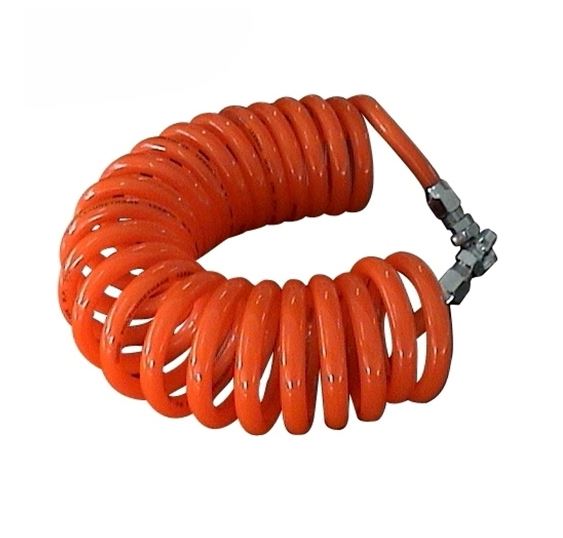
Flexible High Pressure Top Quality PU Pneumatic Tube Air Hose: Comparing Two PU Tube OptionsNewsNov.03,2026
-
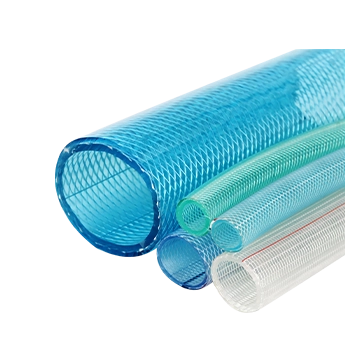
High-Quality Flexible PVC Clear Hose from China: Compatibility, Sizing and Documentation FAQNewsOct.28,2026
-
Choosing PU Anti-Sprial Hose: Medium, Dimensions and Operating ConditionsNewsOct.24,2026
-
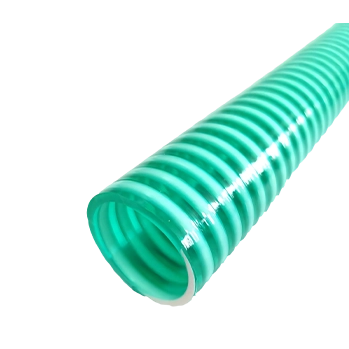
Choosing Plastic PVC Water Pump Suction Hose from a Cost-Effective PVC Water Hose Supplier: Medium, Dimensions and Operating ConditionsNewsOct.24,2026
-
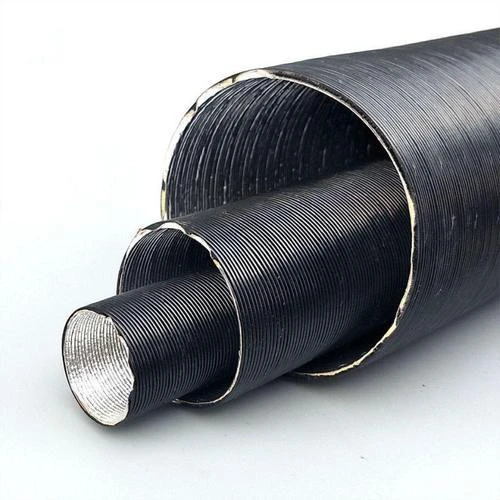
Choosing ALUMINUM FOIL VENTILATION DUCT: Application Fit and Specification ChecksNewsOct.24,2026
 Afrikaans
 Albanian
 Arabic
 Azerbaijani
 Belarusian
 Bengali
 Bulgarian
 Czech
 Danish
 Dutch
 Finnish
 French
 German
 Greek
 Hebrew
 Hindi
 Hungarian
 Indonesian
 Irish
 Italian
 Japanese
 Kazakh
 Korean
 Kyrgyz
 Lao
 Latin
 Lithuanian
 Luxembourgish
 Malay
 Mongolian
 Myanmar
 Nepali
 Norwegian
 Persian
 Polish
 Portuguese
 Russian
 Serbian
 Slovak
 Spanish
 Swedish
 Tagalog
 Thai
 Turkish
 Ukrainian
 Uighur
 Uzbek
 Vietnamese
 Welsh
 English







