Durable and Versatile 4 Inch Industrial Vacuum Hose for Global Industries
The Role of the 4 Inch Industrial Vacuum Hose in Modern Industry
When you hear “4 inch industrial vacuum hose,” it might sound very specific, but don’t underestimate its global importance. This particular size and type of hose plays a surprisingly vital role across a range of industries—from manufacturing plants to disaster relief efforts. Understanding what it is and why it matters helps us appreciate the infrastructure behind many clean-up operations, heavy-duty suction tasks, and hazardous material handling worldwide. Plus, it bridges the gap between efficiency, safety, and environmental responsibility, which is a powerful combination these days.
Global Context and Why It Matters
Industrially speaking, vacuum hoses are essential for transporting debris, liquids, and particulates safely and efficiently. According to the International Organization for Standardization (ISO) and reports by the United Nations on industrial safety, efficient suction tools mitigate environmental contamination risks by collecting hazardous dust and waste.
In real terms, the 4 inch industrial vacuum hose is a popular diameter because it balances maneuverability with capacity. Industries across North America, Europe, and Asia increasingly rely on such hoses for everything from chemical plants managing waste to emergency clean-up in flood-affected regions.
Oddly enough, while it sounds niche, it solves large-scale problems like environmental clean-up and worker safety on the factory floor.
Defining the 4 Inch Industrial Vacuum Hose
In essence, a 4 inch industrial vacuum hose is a flexible tube with a 4-inch internal diameter designed to handle high suction pressures. It's usually made from durable materials like reinforced rubber or polyurethane to withstand wear and tear, chemicals, and temperature variations. You’ll see them used to transfer sludge, dust, and sometimes slurry across diverse sites.
These hoses link vital equipment such as vacuum trucks, suction excavators, and industrial vacuums. In humanitarian contexts, they’re invaluable for clearing debris after natural disasters or removing contaminated materials in a controlled way.
- Diameter: 4 inches (typically 100 mm)
- Material: Reinforced rubber, polyurethane, or PVC
- Application: Heavy-duty suction of solids/liquids/particulate
Key Components and Features That Define Their Utility
Durability
One of the primary necessities is a hose that lasts against abrasion, chemicals, and temperature swings. A well-made 4 inch industrial vacuum hose resists cracking and punctures, sometimes lasting twice as long as cheaper alternatives.
Flexibility and Weight
Surprisingly, even with reinforcement layers, many industrial vacuum hoses are designed for flexibility. This is critical because a hose too rigid makes installation tricky and slows operations. At roughly 2.5 to 4 kg per meter, these hoses balance robustness and manageability.
Suction Capacity and Pressure Rating
The internal diameter and materials govern how much material can be evacuated and how quickly. A 4 inch hose typically handles moderate volumes, making it a go-to size for medium-scale industrial use.
Compatibility and Standardization
The hose’s size matches a lot of established fittings and equipment standards. This “plug and play” attribute saves companies time and money during maintenance or upgrades.
Safety Features
Many hoses come with anti-static layers or are designed to handle flammable dust, reducing the risk of explosions in volatile environments.
Mini takeaway: Understand that these hoses aren’t just garden variety suckers; they’re engineered tools tailored for demanding environments.
Global Applications and Real-World Examples
Industries everywhere, from mining in Australia to petrochemical facilities in the Gulf, use 4 inch industrial vacuum hoses continually.
- Post-disaster relief: After floods or earthquakes, vacuum hoses clear debris and contaminated water rapidly.
- Manufacturing plants: For vacuuming dust or spills that can pose health risks.
- Municipal maintenance: Cleaning sewer lines or storm drains.
- Construction: Suction excavating to avoid damaging underground utilities.
A friend recently shared a case where a utility company in Germany swapped out their 3 inch hoses for 4 inch ones and noticed a 30% faster clearing of waste lines during maintenance—small change, big difference.
Advantages and Long-Term Value
Cost-wise, investing in sturdy 4 inch vacuum hoses pays off. Fewer replacements, less downtime, and improved safety reduce overall expenses.
From a sustainability angle, durable hoses mean fewer discarded parts and less pollution. Longer-lasting hoses also foster trust: workers feel safer using gear that won’t fail mid-job.
On a personal note, I’ve met several technicians who swear by these hoses. It’s a bit like the difference between a trusty old pickup truck and a shiny rental car—you just know it won’t let you down.
Product Specification Table
| Specification | Detail |
|---|---|
| Internal Diameter | 4 inches (100 mm) |
| Material | Reinforced Rubber / Polyurethane |
| Operating Pressure | Up to -0.8 bar (vacuum) |
| Temperature Range | -20°C to +80°C |
| Weight | About 3.2 kg/m |
| Color Options | Black, Blue, Red (custom colors available) |
Comparing Leading Vendors of 4 Inch Industrial Vacuum Hoses
| Vendor | Material Quality | Price (per meter) | Warranty | Customization Options |
|---|---|---|---|---|
| FlexiHose Corp | High-grade rubber | $18 | 3 Years | Yes (colors & lengths) |
| VacuuMax Solutions | Polyurethane composite | $22 | 5 Years | Yes (reinforcements, fittings) |
| KeBing Hose Ltd | Reinforced rubber/polyurethane blend | $20 | 4 Years | Extensive customization |
Future Trends and Innovations in Industrial Vacuum Hoses
Things are changing fast. Manufacturers are integrating smart sensor tech into hoses to monitor wear and vacuum efficiency in real-time. Imagine a hose that tells you “Hey, I’m about to wear out” before risking a failure on the job.
Then there’s the green push—many vendors are now using recycled or bio-based materials without compromising durability. In years ahead, we might see hoses that self-heal microcracks or incorporate IoT connectivity for full operational oversight.
Frankly, it feels like vacuum hoses are quietly entering the digital age.
Challenges and Practical Solutions
The biggest headaches right now are compatibility hiccups, damage due to misuse, and supply chain delays. Some hoses fail prematurely because someone underestimated abrasion or chemical exposure.
Experts suggest robust training, regular inspections, and choosing hoses engineered specifically for your materials. The right vendor—like KeBing Hose Ltd—can help you customize according to your precise needs. Plus, modular hose sections and quick-couplers speed up repairs, minimizing downtime.
FAQs: Your Questions About 4 Inch Industrial Vacuum Hose
Q1: What materials are best for a 4 inch industrial vacuum hose used with abrasive solids?
A: Reinforced polyurethane or specialized rubber blends excel here because they resist wear and tear better than standard PVC. They last longer and maintain suction integrity even with heavy debris.
Q2: Can a 4 inch industrial vacuum hose be used for both wet and dry applications?
A: Absolutely. These hoses are designed for versatility, handling liquids, sludge, dust, and solids. Just ensure you select one with appropriate lining to resist corrosion if wet materials are involved.
Q3: How do I know when to replace an industrial vacuum hose?
A: Look for cracking, loss of flexibility, visible wear on the inner lining, or pressure loss during operation. Some smart hoses now have sensors that monitor these factors for predictive maintenance.
Q4: Are custom lengths and fittings available?
A: Yes, most suppliers offer customization in length, color, and couplings. This saves time and fits specific machines and setups better.
Q5: Where can I purchase quality 4 inch industrial vacuum hoses internationally?
A: Vendors like KeBing Hose Ltd provide global shipping and tailored solutions, making them reliable for international importers.
Wrapping Up: Why the 4 Inch Industrial Vacuum Hose Is a Smart Choice
In brief, this unassuming tool sits at a crossroads of industry, safety, and environmental stewardship. Investing in high-quality 4 inch industrial vacuum hoses means smoother operations, fewer headaches, and a lighter ecological footprint. Whether you’re cleaning up a chemical spill or maintaining a city’s drainage system, these hoses deliver dependable performance.
Ready to upgrade your vacuum hose setup? Visit KeBing Hose Ltd for quality products and expert support.
References
-
How to Choose Fuel Oil Hose SAE J30 R6 for Size and Service ConditionsNewsNov.11,2026
-
Flexible High Pressure Top Quality PU Pneumatic Tube Air Hose: Comparing Two PU Tube OptionsNewsNov.03,2026
-
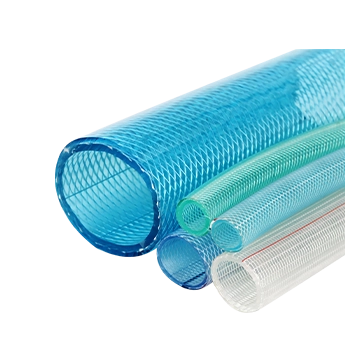
High-Quality Flexible PVC Clear Hose from China: Compatibility, Sizing and Documentation FAQNewsOct.28,2026
-
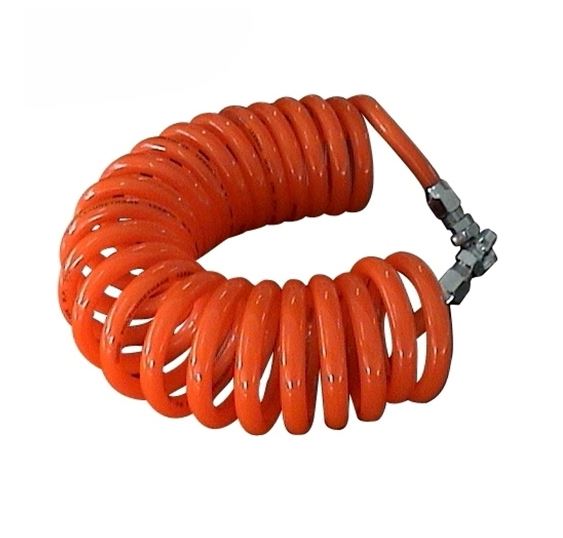
Choosing PU Anti-Sprial Hose: Medium, Dimensions and Operating ConditionsNewsOct.24,2026
-
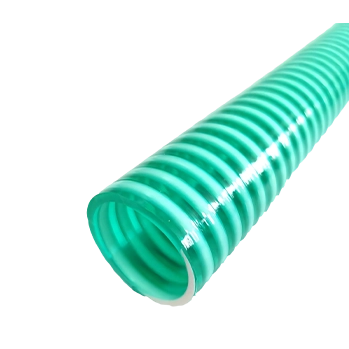
Choosing Plastic PVC Water Pump Suction Hose from a Cost-Effective PVC Water Hose Supplier: Medium, Dimensions and Operating ConditionsNewsOct.24,2026
-
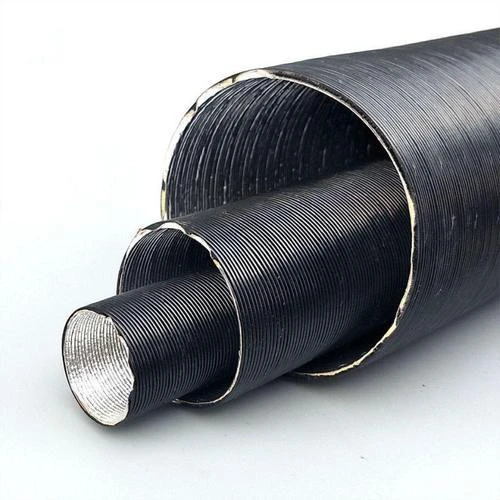
Choosing ALUMINUM FOIL VENTILATION DUCT: Application Fit and Specification ChecksNewsOct.24,2026
 Afrikaans
 Albanian
 Arabic
 Azerbaijani
 Belarusian
 Bengali
 Bulgarian
 Czech
 Danish
 Dutch
 Finnish
 French
 German
 Greek
 Hebrew
 Hindi
 Hungarian
 Indonesian
 Irish
 Italian
 Japanese
 Kazakh
 Korean
 Kyrgyz
 Lao
 Latin
 Lithuanian
 Luxembourgish
 Malay
 Mongolian
 Myanmar
 Nepali
 Norwegian
 Persian
 Polish
 Portuguese
 Russian
 Serbian
 Slovak
 Spanish
 Swedish
 Tagalog
 Thai
 Turkish
 Ukrainian
 Uighur
 Uzbek
 Vietnamese
 Welsh
 English