


Durable Suction Hose Pipe 2 Inch for Industrial and Emergency Use | Kebing Hose
Why a Suction Hose Pipe 2 Inch Matters More Than You Think
At first glance, a suction hose pipe 2 inch might seem like just another industrial tool in the long list of pipes and fittings that nobody gets excited about. But truth be told, it plays a quietly critical role in several sectors worldwide—from agriculture and water management to emergency relief and heavy industry. Globally, the demand for reliable, flexible, and durable suction hoses is growing as water scarcity, industrial growth, and disaster preparedness take center stage. Understanding this humble piece of equipment—its design, applications, and innovations—gives you insight into a small component with outsized global impact.
Global Context: The Rising Importance of Small-Diameter Suction Hose Pipes
Let’s talk scale for a moment. According to the United Nations, over 2 billion people currently live in countries experiencing high water stress. Efficient water transfer and handling solutions become crucial in such contexts—and that’s where suction hose pipes, including the 2-inch variety, come in. Whether it’s agricultural irrigation in parts of Sub-Saharan Africa or emergency floodwater pumping in Southeast Asia, suction hoses are frontline workhorses. Even in industrialized nations, climate change forces industries to rethink water use and transport.
The 2-inch suction hose, notably compact yet sturdy, is often preferred when flexibility and maneuverability are key, or when pumps require moderate volume transfer with consistent pressure. Oddly enough, in many regions this size hits the sweet spot between portability and efficiency.
However, challenges remain: improper hose materials can cause failures, and durability is vital in rough field conditions. This is a space where innovation and quality really matter.
What Exactly is a Suction Hose Pipe 2 Inch?
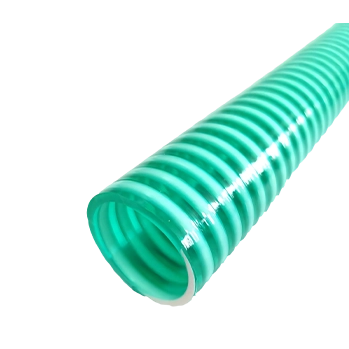
Put simply, a suction hose pipe 2 inch is a flexible hose designed to withstand vacuum pressure, allowing liquid to be drawn through it without collapsing. It’s typically reinforced to prevent kinking or damage while maintaining flexibility. The ‘2 inch’ refers to the internal diameter of the hose—small enough for precise operations but capable of handling decent flow rates.
It’s the unsung hero behind water pumps used in farms, construction sites, and emergency services alike. Sometimes its purpose is straightforward: transferring clean water from source to site. Other times, it must manage slurry, chemicals, or oils safely.
Core Components of a Reliable Suction Hose Pipe
1. Durability
The first thing to look for is the material and reinforcement of the pipe. Most 2-inch suction hoses combine synthetic rubber with embedded polyester or nylon reinforcement layers. This ensures resistance to external abrasion, internal pressure, and even chemical corrosion.
2. Flexibility
Flexibility matters—especially on uneven terrain or cramped sites. A hose that’s tough but too stiff will be frustrating to deploy quickly. The right balance keeps setup time low and reduces damage.
3. Vacuum Resistance
A common mistake is ignoring vacuum pressure capabilities. When suction is too strong for the hose’s rating, collapse and failure happen. These pipes generally withstand vacuum pressures roughly between -0.8 to -0.9 bar but check specs.
4. Chemical & Temperature Resistance
Suction hose 2 inch pipes often need to carry more than just water—liquids might range from mild chemicals to mud. Knowing the pipe’s compatibility with media and temperature (often -20°C to +70°C) is crucial.
5. Connection & Fittings
The ease and security of connecting hoses to pumps or valves impacts operational uptime. Most 2-inch hoses support camlock fittings for rapid assembly.
Specifications at a Glance
| Specification | Typical Value |
|---|---|
| Internal Diameter | 2 inch (50 mm) |
| Max Working Pressure | 6 bar (87 psi) |
| Vacuum Resistance | -0.85 bar |
| Temperature Range | -20°C to +70°C |
| Material | Synthetic rubber & polyester reinforcements |
| Fittings | Camlock couplings |
Real-World Applications Around the Globe
Let’s zoom out just a bit and see where the suction hose pipe 2 inch finds its real purpose:
- Agriculture: In irrigation setups where moderate water volumes are pumped from wells or reservoirs, these hoses provide agility in layout and setup.
- Disaster Relief: After floods, a quick deployment of suction hoses enables water removal to dry affected areas — agencies in Asia and Latin America frequently rely on 2-inch hoses for rapid pumping.
- Construction Sites: Dewatering trenches and removing slurry demands robust, abrasion-resistant hoses that are easy to handle on-site.
- Manufacturing & Industrial Plants: Transferring chemicals or oils in controlled volumes is streamlined with specialized suction hoses customized for compatibilities.
For example, a well-known NGO involved in disaster relief told me how switching to high-quality 2-inch suction hoses cut their water removal times by nearly 30% on average, saving both money and stress under those high-pressure situations.
Why Investing in Quality Suction Hose Pipes Pays Off
Cost-wise, it’s tempting to grab cheaper hoses. But cheap hoses tend to fail prematurely—resulting in downtime, replacements, and sometimes safety incidents. The emotional toll on operators improvising with failures is a factor rarely discussed.
High-quality suction hoses bring:
- Reliability: Handling tough environments without collapse or leaks.
- Longer Service Life: Fewer replacements equals lower total cost.
- Safety and Dignity: Especially in humanitarian contexts, smooth water pumping equals less suffering.
- Sustainability: Durable hoses mean less waste and more efficient resource management.
What Does the Future Hold for Suction Hose Pipes?
Innovation is quietly happening. For example, new composite materials with improved UV resistance and flexibility extend hose lifespans. Some manufacturers experiment with antimicrobial liners to reduce contamination risks.
Digital transformation is also creeping in: sensors embedded in hoses could soon signal wear or pressure irregularities, preventing failures before they happen. Green policies encourage materials that can be recycled or reused safely. Automation on water transfer setups pairs nicely with reliable suction hoses to reduce manual labor.
Facing the Challenges: What Holds Suction Hose Pipe 2 Inch Back?
A few sticky points remain:
- Contamination Risks: Especially when used in food or pharmaceutical industries; specialized hoses with FDA-approved materials help here.
- Misapplication: Using the wrong size or material hose can cause damage.
- Supply Chain Issues: In remote areas, availability and timely delivery can be a problem.
Experts recommend rigorous testing and standard compliance (like ISO 3994 for hoses) paired with good training for handlers. That bit of investment upfront pays dividends down the road.
How Do Popular Vendors Stack Up?
| Vendor | Material Quality | Price Range | Delivery Time | Customization Options |
|---|---|---|---|---|
| Kebing Hose | Premium synthetic rubber, reinforced | Mid-range | 7-10 days | High (length, fittings, color) |
| FluidFlex | Standard PVC blend | Budget | 14 days | Limited |
| AquaPro Pipes | High-quality nitrile rubber | Premium | 10-12 days | Moderate |
FAQs About Suction Hose Pipe 2 Inch
- What makes a 2-inch suction hose different from other hoses?
- The key difference is its ability to handle vacuum pressure without collapsing while maintaining flexibility and durability. The 2-inch diameter offers a balance between flow volume and ease of handling, making it versatile for many applications.
- Can these hoses be used with chemicals safely?
- It depends on the hose’s materials and lining. Many 2-inch suction hoses use chemically resistant rubbers or liners, but it’s important to check compatibility with specific fluids to avoid damage or leakage.
- How long does a suction hose pipe 2 inch usually last?
- With proper usage and maintenance, these hoses can last anywhere from 3 to 7 years. Environmental factors like UV exposure, abrasion, and chemical contact influence lifespan.
- Are there industry standards I should look for?
- Absolutely. ISO 3994 sets testing and quality benchmarks for suction hoses, and compliance ensures better performance and safety.
- Where can I source high-quality suction hose pipes quickly?
- Reliable vendors with known quality and fast delivery, such as Kebing Hose, are recommended to avoid delays and inferior products.
Conclusion: The Small Hose That Makes a Big Difference
So, when you think of a suction hose pipe 2 inch, don’t just see it as a small pipe. It’s a vital link in global water management, industrial workflows, and disaster response networks. Choosing the right hose means considering durability, flexibility, compatibility, and trusted suppliers. Over time, quality makes all the difference—both in cost and in human impact.
If you’re ready to upgrade your setup or just want to explore options, visit Kebing Hose's website for expert advice and quality products. Sometimes, the simplest components pack the most punch.
Mini Takeaway
The 2-inch suction hose pipe is a quietly powerful tool, bridging the gap between efficiency and reliability in water and liquid management worldwide. Smart investment in quality—and knowing its broad applications—pays off in both dollars and peace of mind.
References
-
How to Choose Fuel Oil Hose SAE J30 R6 for Size and Service ConditionsNewsNov.11,2026
-
Flexible High Pressure Top Quality PU Pneumatic Tube Air Hose: Comparing Two PU Tube OptionsNewsNov.03,2026
-
High-Quality Flexible PVC Clear Hose from China: Compatibility, Sizing and Documentation FAQNewsOct.28,2026
-
Choosing PU Anti-Sprial Hose: Medium, Dimensions and Operating ConditionsNewsOct.24,2026
-
Choosing Plastic PVC Water Pump Suction Hose from a Cost-Effective PVC Water Hose Supplier: Medium, Dimensions and Operating ConditionsNewsOct.24,2026
-
Choosing ALUMINUM FOIL VENTILATION DUCT: Application Fit and Specification ChecksNewsOct.24,2026
 Afrikaans
 Albanian
 Arabic
 Azerbaijani
 Belarusian
 Bengali
 Bulgarian
 Czech
 Danish
 Dutch
 Finnish
 French
 German
 Greek
 Hebrew
 Hindi
 Hungarian
 Indonesian
 Irish
 Italian
 Japanese
 Kazakh
 Korean
 Kyrgyz
 Lao
 Latin
 Lithuanian
 Luxembourgish
 Malay
 Mongolian
 Myanmar
 Nepali
 Norwegian
 Persian
 Polish
 Portuguese
 Russian
 Serbian
 Slovak
 Spanish
 Swedish
 Tagalog
 Thai
 Turkish
 Ukrainian
 Uighur
 Uzbek
 Vietnamese
 Welsh
 English







