


Durable Wire Reinforced Polyurethane Hose for Industrial & Humanitarian Needs | Kebing Hose
Why Wire Reinforced Polyurethane Hose Matters in Today’s Industrial World
When you hear the term wire reinforced polyurethane hose, it might not immediately spark excitement. But believe me, these hoses quietly keep a vast array of industries running smoothly — from mining operations in Australia to water relief efforts in remote villages. Their sturdy construction combined with flexibility is a game-changer globally, especially in areas where durability and quick deployment matter. Understanding this hose type isn’t just a technical exercise; it’s stepping into how essential supplies and fluids get from point A to point B under challenging conditions.
Globally, there’s an increasing demand for versatile hoses that can withstand harsh environments — whether it’s delivering chemicals safely or handling abrasive materials on construction sites. Knowing about wire reinforced polyurethane hoses means appreciating the backbone behind so many operations that keep economies—and sometimes lives—moving.
Global Context: Meeting Industry Challenges with Wire Reinforced Polyurethane Hose
Data from the International Organization for Standardization (ISO) shows a steady rise in industrial manufacturing worldwide, and with it, the need for robust material handling systems. For example, the mining sector's growth of about 3.3% annually means hoses that resist abrasion and deformation are critical. Polyurethane hoses reinforced with steel wire address this nicely, offering durability without sacrificing flexibility. The World Bank's reports on infrastructure development in emerging markets also highlight the importance of reliable fluid transport in construction and water management—tasks well-suited for these hoses.
Yet there’s a problem: traditional hoses can be heavy, prone to kinking or damage—and costly to replace often. The wire reinforced polyurethane hose counters these challenges. Its design helps avoid downtime, maintenance headaches, and environmental risks, which, frankly, makes a world of difference when operations can’t afford delays.
Mini Takeaway:
- This hose type meets the growing global demand for flexible yet durable fluid transport solutions.
- It plays a key role in industries requiring abrasion and pressure resistance.
- It helps solve practical problems of hose failure and maintenance costs.
So, What Exactly Is a Wire Reinforced Polyurethane Hose?
At its core, a wire reinforced polyurethane hose is a flexible tube designed to carry gases or liquids, strengthened internally with spiraled steel wire. This unique combination gives the hose strength against collapsing under suction and resists expansion from pressure. Think of the wire as a backbone that lets the hose stay flexible but tough, rather like how a spring enables movement but keeps form.
These hoses often use polyurethane as the polymeric material due to its excellent abrasion resistance, clarity (helps detect blockages), and chemical stability. Thanks to this blend, you get a hose that fits many industrial and humanitarian needs—from pumping water to transferring fuel safely.
In humanitarian contexts, flexible and durable hoses are invaluable. When disaster strikes—say, a flood or earthquake—deploying a reliable water source quickly matters. Wire reinforced polyurethane hoses enable rapid setup of water supply lines in rough conditions. In short, it’s where engineering meets real-world urgency.
Mini Takeaway:
- Wire reinforced polyurethane hoses combine flexibility with strength via steel wire reinforcement.
- Polyurethane offers chemical and abrasion resistance.
- The hose supports critical industrial and urgent humanitarian applications.
Key Components That Make Wire Reinforced Polyurethane Hoses Tick
1. Durability
The wire reinforcement layer efficiently prevents hose collapse under vacuum and resists kinking during bending, which is essential when hoses need to snake around machinery or rugged terrain. Polyurethane’s abrasion resistance means less wear—and I noticed that, in mining, this can double hose lifespan compared to rubber alternatives.
2. Flexibility
Many engineers mention that these hoses’ flexibility improves installation speed and ease. It’s almost like unrolling a garden hose but knowing it can handle much more pressure and harsher chemicals. This flexibility also reduces logistical stress when storing or transporting long hose sections.
3. Chemical Resistance
Polyurethane resists oils, fuels, and many aggressive chemicals. So, whether transferring petrochemicals or delivering potable water, these hoses maintain integrity—critical in sensitive operations.
4. Pressure and Temperature Handling
Wire reinforcement allows the hose to handle moderate to high pressures without bursting, while the material withstands temperatures roughly between -40°C to +80°C, depending on specific formulations. This makes it reliable in diverse climates—from Arctic environments to tropical heat.
5. Weight
Compared to metal hoses, these are notably lighter, simplifying manual handling and reducing worker fatigue.
Mini Takeaway:
- The wire coil prevents collapse & kinking, boosting durability.
- Polyurethane gives abrasion and chemical resistance.
- Lightweight but strong enough for moderate pressures and tough environments.
Real-World Applications and Who Benefits Most
Industries stretching from manufacturing plants in Germany to agricultural irrigation systems in Africa rely heavily on these hoses. Here are some typical scenarios:
- Mining and Minerals Processing: Abrasive slurry transport requires hoses that won’t wear out fast.
- Construction Sites: Quick water and concrete pumping benefit from lightweight, kink-resistant hoses.
- Wastewater Management: Sewer suction hoses make use of wire reinforcement to maintain suction efficacy.
- Humanitarian Aid: NGOs deploying water purification stations in disaster-hit zones need flexible, rapid-deploy hoses that don’t fail under pressure or rough handling.
- Agriculture: Conveying fertilizers and pesticides safely with hoses resistant to chemicals.
Interestingly, in Australia’s remote mining zones, operators have reported that switching to wire reinforced polyurethane hoses reduced downtime by nearly 30%, highlighting both cost and efficiency gains.
Mini Takeaway:
- Widely used across mining, construction, wastewater, agriculture, and humanitarian sectors.
- Flexibility makes them ideal where rapid deployment or frequent repositioning is needed.
- Proven to reduce operational delays and maintenance.
Quick Specification Overview of a Typical Wire Reinforced Polyurethane Hose
| Specification | Typical Value | Notes |
|---|---|---|
| Inner Diameter | 25mm - 150mm | Sizes vary based on application |
| Working Pressure | 6-15 bar | Pressure rating depends on wire gauge |
| Burst Pressure | up to 45 bar | Safety factor typically 3:1 |
| Temperature Range | -40°C to +80°C | Varies by polyurethane formulation |
| Material | Thermoplastic Polyurethane (TPU) | Transparent or colored |
| Reinforcement | High tensile steel wire spiral | Provides vacuum resistance & flexibility |
Choosing the Right Vendor: How Do the Top Suppliers Stack Up?
| Vendor | Product Range | Customization Options | Global Shipping | Special Features |
|---|---|---|---|---|
| Kebing Hose | Standard & heavy-duty hoses | Tailored diameters, lengths, and colors | Worldwide | Eco-friendly TPU, UV resistant |
| FlexiTech Industries | Wide range of chemical-resistant hoses | Custom spiral wire gauges available | Europe, Asia | High pressure rating options |
| Global Hose Solutions | Standard sizes, general purpose | Limited customization | North America, Australia | Fast shipping & after-sales service |
Advantages of Wire Reinforced Polyurethane Hose: A Deeper Look
Let’s admit it—when you pick something for your operation, it’s never just about specs. Ever since I started working in materials handling, I find that emotional factors like reliability, safety, and peace of mind weigh heavily alongside cold hard figures.
So what’s special about these hoses?
- Cost-efficiency: Last longer and reduce failure-related downtime.
- Sustainability: Some vendors, including wire reinforced polyurethane hose manufacturers, now use eco-friendly TPU blends that help reduce environmental impact.
- Safety: Reduced risk of spray or leak accidents when used properly.
- Social impact: Humanitarian projects rely on these hoses to deliver clean water—something that literally preserves dignity and health.
- Innovation: The flexible yet reinforced design shows technical advances that push existing materials beyond traditional limits.
What Does the Future Hold? Trends to Watch
Talk of “green energy” and “digital transformation” might seem far removed from hoses, but not really. Advances in materials science now mean we’ll see more polyurethane blends incorporating recycled content without compromising durability. Similarly, in-line sensors embedded in hoses for pressure or flow monitoring are on the horizon, making this once “dumb” component smart.
Automation in industries demands hoses that are compatible with robotic or automated systems. Manufacturers are already tweaking hose designs for better handling by machines, and that’s a space worth keeping an eye on.
Common Challenges and Practical Solutions
Of course, not all is perfect. In harsh sunlight, polyurethane can degrade faster if additives aren’t included. Some hoses might be prone to “memory” — a sort of stiffness after long storage, complicating deployment. Then there's the constant balancing act between pressure rating and flexibility.
Here’s some expert insight: vendors are improving UV stabilization and offering pre-conditioning treatments for hoses destined for sun-heavy regions. Also, educating users on proper storage helps a lot. Incidentally, customizing reinforcement coil gauge to job pressures generally mitigates bursting risk.
FAQ: What You’re Curious About Regarding Wire Reinforced Polyurethane Hose
- Q1: How do I know if a wire reinforced polyurethane hose is right for chemical transfer?
- A: Look for specific chemical compatibility charts from suppliers. Polyurethane is resistant to many oils and solvents but may degrade with some acids or alkalis. Always confirm with the manufacturer for your specific chemicals.
- Q2: Can these hoses handle high temperature fluids?
- A: Generally, they withstand up to around 80°C. For hotter fluids, you’ll want a specialized grade or a different material. Working temperature limits will always be listed in the specs.
- Q3: How long do these hoses typically last in industrial applications?
- A: Depending on usage conditions, they can last anywhere from 2 to 5 years or more. Abrasion-prone uses may shorten this, but durability is usually better than rubber or PVC hoses.
- Q4: Is it possible to customize the spiral wire strength?
- A: Yes, many vendors offer options to increase wire gauge or alter coil spacing, providing better pressure handling or vacuum resistance as needed.
- Q5: How can NGOs acquire these hoses quickly for emergency deployments?
- A: Many suppliers provide global shipping and emergency order options. Establishing a relationship with a reliable vendor like wire reinforced polyurethane hose specialists in advance is recommended.
Conclusion: Why the Wire Reinforced Polyurethane Hose Is a Trusted Choice
When you step back, the wire reinforced polyurethane hose feels like a small thing playing a huge role behind the scenes. Its ability to marry flexibility and strength in a lightweight package means it addresses pressing challenges across industries worldwide. From improving operational uptime to supporting humanitarian missions, this hose bends but doesn’t break — figuratively and literally.
Want to learn more or get a quote? Visit https://www.kebinghose.com to explore their extensive product range and customization options. Seriously, if you haven’t dealt with this hose type recently, it might be time to reassess your fluid handling needs.
References
-
How to Choose Fuel Oil Hose SAE J30 R6 for Size and Service ConditionsNewsNov.11,2026
-
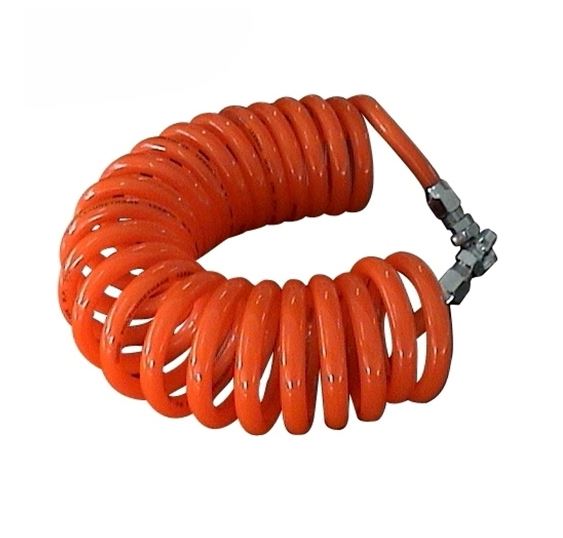
Flexible High Pressure Top Quality PU Pneumatic Tube Air Hose: Comparing Two PU Tube OptionsNewsNov.03,2026
-
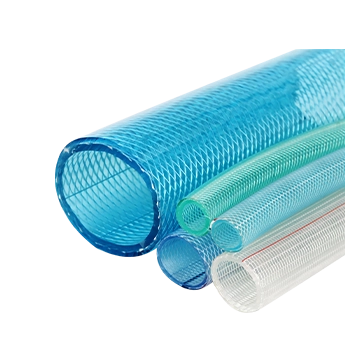
High-Quality Flexible PVC Clear Hose from China: Compatibility, Sizing and Documentation FAQNewsOct.28,2026
-
Choosing PU Anti-Sprial Hose: Medium, Dimensions and Operating ConditionsNewsOct.24,2026
-
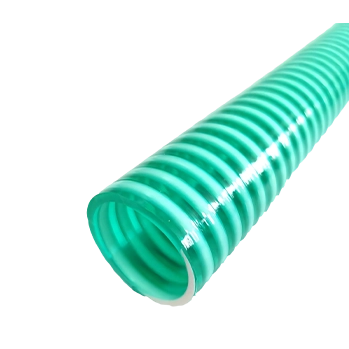
Choosing Plastic PVC Water Pump Suction Hose from a Cost-Effective PVC Water Hose Supplier: Medium, Dimensions and Operating ConditionsNewsOct.24,2026
-
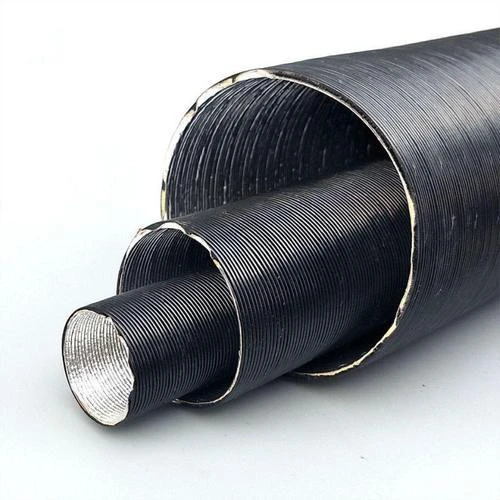
Choosing ALUMINUM FOIL VENTILATION DUCT: Application Fit and Specification ChecksNewsOct.24,2026
 Afrikaans
 Albanian
 Arabic
 Azerbaijani
 Belarusian
 Bengali
 Bulgarian
 Czech
 Danish
 Dutch
 Finnish
 French
 German
 Greek
 Hebrew
 Hindi
 Hungarian
 Indonesian
 Irish
 Italian
 Japanese
 Kazakh
 Korean
 Kyrgyz
 Lao
 Latin
 Lithuanian
 Luxembourgish
 Malay
 Mongolian
 Myanmar
 Nepali
 Norwegian
 Persian
 Polish
 Portuguese
 Russian
 Serbian
 Slovak
 Spanish
 Swedish
 Tagalog
 Thai
 Turkish
 Ukrainian
 Uighur
 Uzbek
 Vietnamese
 Welsh
 English







