Effective HVAC Duct Vacuum Solutions for Energy & Health | Kebin Ghose
Understanding HVAC Duct Vacuum: What It Is and Why It Matters
When it comes to maintaining comfortable, healthy indoor environments, the humble HVAC system often takes center stage. But lurking behind the scenes is a less-celebrated yet crucial player: the hvac duct vacuum. While the phrase might sound technical, it represents an essential process and tool that ensures HVAC systems work efficiently, sustainably, and safely — not just in individual buildings, but across industries worldwide.
Today, as many nations grapple with energy inefficiency, indoor air pollution, and rising health concerns, understanding HVAC duct vacuum technology is more important than ever. This article will walk you through what it is, why it's globally relevant, and the myriad benefits it brings—whether you run a hospital, an office skyscraper, or a disaster relief shelter.
Why HVAC Duct Vacuum Has Global Importance
Globally, buildings consume nearly 40% of the world’s energy according to the International Energy Agency (IEA). Out of this, heating, ventilation, and air conditioning take up a substantial chunk. Inefficient duct systems cause energy losses of up to 30%, increasing carbon footprints and costs. Not to mention, poorly maintained ducts circulate dust, allergens, and pathogens that worsen indoor air quality and impact public health — a concern heightened during the COVID-19 pandemic and other airborne diseases.
According to a 2019 ISO report, using professional HVAC duct vacuum techniques can reduce energy usage significantly and improve ventilation hygiene. This has direct implications for sustainability targets aligned with the UN’s Sustainable Development Goals (SDG #3 & #7) that promote good health and clean energy. So, this isn’t just about comfort; it’s a global effort to save energy, reduce emissions, and protect lives.
I guess you could say—if buildings are the lungs of modern cities—duct vacuuming is the deep breath they desperately need.
What Exactly Is HVAC Duct Vacuum?
In simple terms, HVAC duct vacuum is the process of cleaning and clearing out dust, debris, and contaminants from the ventilation ducts using specialized powerful vacuum equipment. Unlike regular household vacuums, these machines are designed to reach deep inside complex HVAC duct networks with suction strong enough to dislodge years of dirt buildup, mold spores, insulation particles, and sometimes rodent droppings.
Think of it as the professional-grade detox for your building’s breathing system. By vacuuming these ducts, the air circulated indoors becomes cleaner and the entire HVAC system operates more efficiently, reducing strain on fans and blowers. Especially for sectors like hospitals, manufacturing plants, or disaster relief shelters, this process is vital to maintaining sanitation, durability, and safety.
Core Components That Make HVAC Duct Vacuum Effective
1. Vacuum Equipment Power and Filtration
Effective duct vacuuming needs high-powered suction combined with HEPA (High-Efficiency Particulate Air) filters to trap tiny particles. Without proper filtration, cleaning can spread more dust around — the last thing you want.
2. Accessibility and Reach
Duct systems vary widely—from tight bends to lengthy pathways. Equipment must adapt to different duct sizes and shapes, often requiring specialized attachments or cameras to ensure thorough cleaning.
3. Durability and Portability
Some cleaning jobs happen on high-rise buildings; others in cramped warehouses or temporary field hospitals. Machines need to be rugged yet easy to transport and set up quickly.
4. Cost Efficiency
Given that many facilities have large duct networks, vacuuming can become a recurring expense. Vendors often design machines to minimize power consumption while maximizing performance.
5. Compliance and Safety Standards
Many countries require duct cleaning processes to adhere to local regulations, such as ASHRAE standards in North America or ISO 16890 air filtration norms globally, especially when hospitals and food processing plants are involved.
Real-Life Applications Around the World
The use of hvac duct vacuum systems is widespread across sectors and geographies:
- Healthcare Facilities: Hospitals in Europe and North America regularly vacuum HVAC ducts to reduce risks of airborne infections and maintain sterile environments.
- Industrial Sites: Factories in Asia use duct vacuuming to remove particulate matter generated by manufacturing processes, preventing respiratory hazards among workers.
- Disaster Relief Operations: In post-hurricane shelters or refugee camps, clean air is essential to reduce respiratory illness outbreaks. Portable vacuum systems expedite safe habitation.
- Commercial Real Estate: Office towers worldwide are increasingly mandated to provide better indoor air quality, with duct vacuuming a central maintenance practice.
Mini takeaway:
It isn’t just about a neat building. HVAC duct vacuuming is about improved health, operational efficiency, and environmental responsibility.
Advantages and Long-Term Value of HVAC Duct Vacuum
The benefits are both tangible and, at times, intangible:
- Energy Savings: Cleaner ducts reduce resistance in airflow, lowering energy used by fans and compressors.
- Health Improvements: Removing mold, dust, and contaminants supports allergy sufferers and helps control airborne pathogens.
- System Longevity: Less strain means HVAC components last longer, reducing expensive replacements.
- Environmental Impact: Lower energy consumption directly reduces greenhouse gas emissions.
- Peace of Mind: Operators and occupants trust their air is safe — a subtle but crucial psychological benefit.
A Look at Product Specifications
| Specification | Typical Value / Feature |
|---|---|
| Suction Power | Up to 250 CFM (cubic feet per minute) |
| Filtration | HEPA + Activated Carbon |
| Portability | Wheeled, approx. 40 kg |
| Noise Level | 65-70 dB |
| Power Source | Electric / optional battery pack |
| Accessories | Flexible hoses, brushes, CCTV inspection cameras |
Vendor Comparison: Choosing Your HVAC Duct Vacuum Solution
| Vendor | Key Features | Price Range (USD) | Best For |
|---|---|---|---|
| AirClean Pro | HEPA filtration, wireless remote, digital monitoring | $5,000 - $7,000 | Hospitals, Commercial Buildings |
| DuctVac Max | Heavy-duty suction, portable, battery option | $3,500 - $5,500 | Industrial Sites, Remote Areas |
| CleanFlow 360 | Integrated duct camera, modular attachments | $6,000 - $8,500 | Large Facilities, Custom Projects |
Future Innovations in HVAC Duct Vacuuming
Looking ahead, the field is buzzing with innovation. Companies are incorporating IoT sensors that monitor duct cleanliness in real-time, triggering automatic vacuum cycles. Battery-powered units with longer life enable cleaning in remote or disaster zones without reliable power. The rise of green building certifications has spurred development of vacuum systems with ultra-low energy consumption.
Plus, ever more sophisticated filtration tech is emerging—think nanoparticle capture and self-cleaning filters that reduce maintenance frequency. Frankly, as HVAC systems themselves become smarter and more connected, their maintenance tools like the duct vacuum can’t be left behind.
Challenges and Practical Solutions
Of course, it’s not all smooth sailing. Some ducts have inaccessible or narrow sections resisting thorough cleaning. Plus, poorly trained techs can actually damage delicate ducts or miss spots. There’s also the cost factor—high-end vacuum systems and regular services can be expensive.
To address this, many vendors now offer remote inspection cameras that verify cleaning quality, plus training certifications for operators. Additionally, modular ducts with improved access points are being promoted by engineers. For cost-conscious buyers, mega-leasing or shared equipment pools make sense.
FAQ: Common Questions About HVAC Duct Vacuum
Q1: How often should HVAC ducts be vacuumed?
A: Recommended intervals vary, but typically every 3-5 years for commercial buildings. More frequent cleaning may be needed in hospitals or highly polluted environments. Regular inspections help determine best timing.
Q2: Is DIY HVAC duct vacuuming a good idea?
A: It's generally not advised. Professional-grade vacuum units and techniques are needed to avoid spreading dust or damaging ducts. Certified technicians ensure thorough, safe cleaning.
Q3: Can duct vacuuming improve my HVAC system’s lifespan?
A: Absolutely. Removing debris reduces strain on fans and motors, minimizing breakdowns and extending component life significantly.
Q4: Are duct vacuum systems eco-friendly?
A: Many modern systems use energy-efficient motors and HEPA filters that prevent pollution, contributing positively to sustainability goals.
Q5: How do I choose the right HVAC duct vacuum equipment?
A: Consider your duct size, accessibility, frequency of use, and budget. Consult vendors who can tailor options for your industry and space constraints.
Final Thoughts
In the grand scheme, hvac duct vacuum may seem like a backstage player, but its impact is profound. From enhancing health and comfort to cutting energy costs and supporting sustainability, its role is nothing short of vital. As buildings grow smarter and greener, investing in proper duct vacuuming is an easy win for facility managers and building owners worldwide. Curious to explore your options? Visit our website for expert solutions and the latest products: https://www.kebinghose.com.
References
-
How to Choose Fuel Oil Hose SAE J30 R6 for Size and Service ConditionsNewsNov.11,2026
-
Flexible High Pressure Top Quality PU Pneumatic Tube Air Hose: Comparing Two PU Tube OptionsNewsNov.03,2026
-
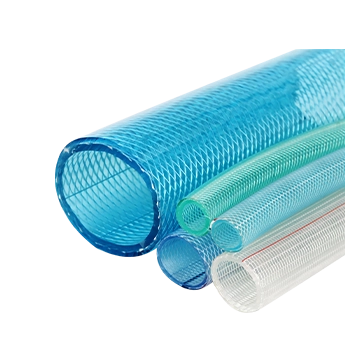
High-Quality Flexible PVC Clear Hose from China: Compatibility, Sizing and Documentation FAQNewsOct.28,2026
-
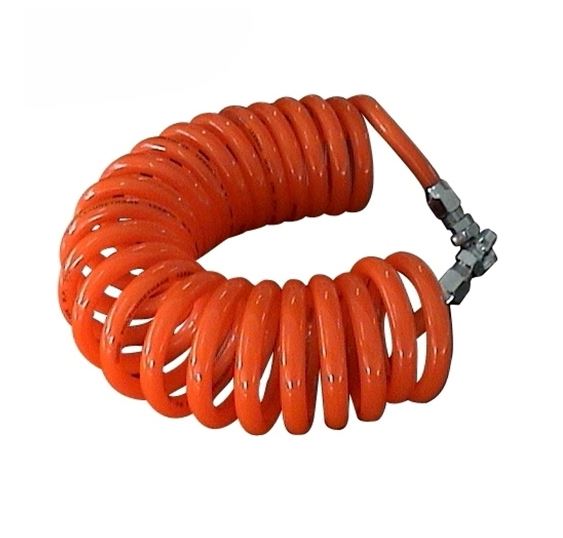
Choosing PU Anti-Sprial Hose: Medium, Dimensions and Operating ConditionsNewsOct.24,2026
-
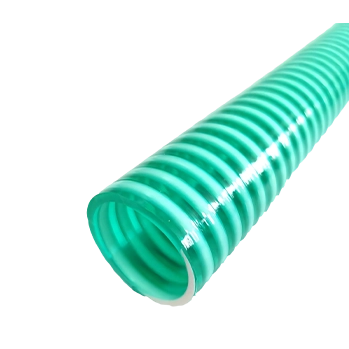
Choosing Plastic PVC Water Pump Suction Hose from a Cost-Effective PVC Water Hose Supplier: Medium, Dimensions and Operating ConditionsNewsOct.24,2026
-
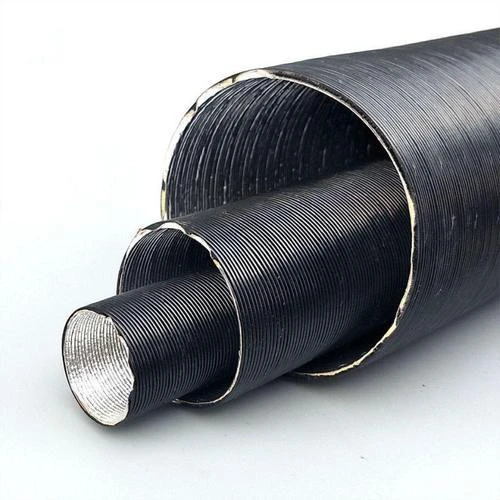
Choosing ALUMINUM FOIL VENTILATION DUCT: Application Fit and Specification ChecksNewsOct.24,2026
 Afrikaans
 Albanian
 Arabic
 Azerbaijani
 Belarusian
 Bengali
 Bulgarian
 Czech
 Danish
 Dutch
 Finnish
 French
 German
 Greek
 Hebrew
 Hindi
 Hungarian
 Indonesian
 Irish
 Italian
 Japanese
 Kazakh
 Korean
 Kyrgyz
 Lao
 Latin
 Lithuanian
 Luxembourgish
 Malay
 Mongolian
 Myanmar
 Nepali
 Norwegian
 Persian
 Polish
 Portuguese
 Russian
 Serbian
 Slovak
 Spanish
 Swedish
 Tagalog
 Thai
 Turkish
 Ukrainian
 Uighur
 Uzbek
 Vietnamese
 Welsh
 English