


Essential Guide to Air Duct Hose: Global Uses, Benefits & Future Trends
Why Understanding the Air Duct Hose Matters Globally
At first glance, an air duct hose might seem like just another industrial tube. But in reality, it’s a small yet critical component that quietly powers ventilation, heating, and air conditioning across continents. From the skyscrapers in New York to makeshift relief shelters after disasters, these hoses play a humble but vital role.
Globally, efficient airflow systems are linked directly to enhanced indoor air quality, worker safety, energy savings, and even public health. The UN estimates that improving air ventilation can reduce airborne disease transmissions significantly (1). So, an air duct hose isn’t just about moving air—it’s about moving progress and better living conditions worldwide.
The Global Context: Why Air Duct Hoses Matter Now More Than Ever
The HVAC (Heating, Ventilation, and Air Conditioning) market is projected to be worth $367 billion by 2030, according to industry data (2). The driving forces behind this growth? Increasing urbanization, climate change awareness prompting energy-efficient buildings, and emergency response needs in disaster zones.
But here’s an odd paradox: Even though we’re pumping billions into ventilation systems globally, many regions still face ventilation challenges. Thin or obsolete duct hoses can cause leaks, energy wastage, or even contamination risks. An air duct hose, which might seem like just flexible tubing, actually addresses these challenges by offering adaptable, durable, and effective airflow channels.
What Exactly Is an Air Duct Hose?
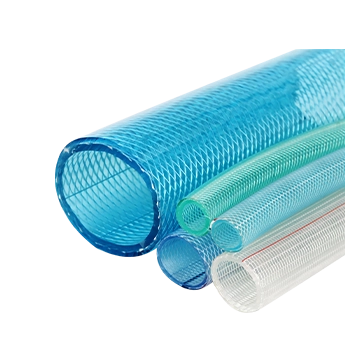
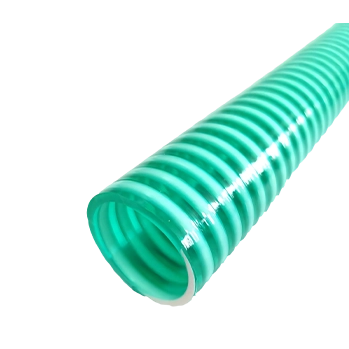
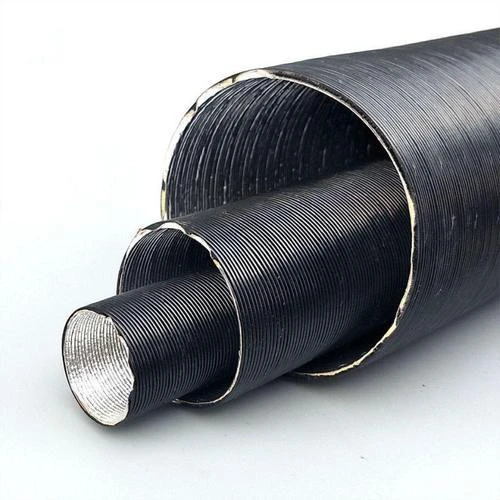
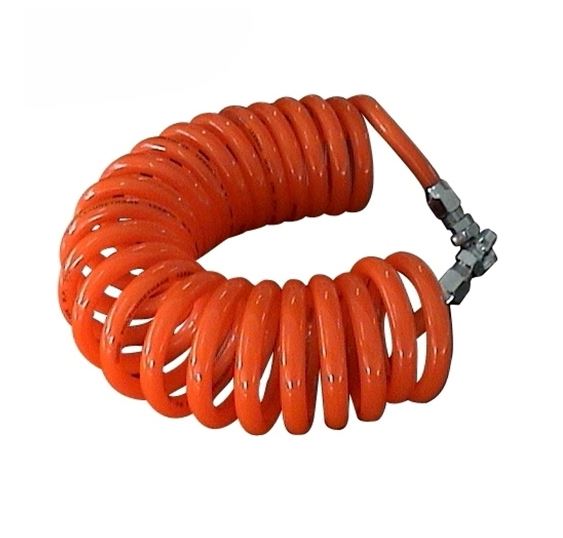
In simple terms, an air duct hose is a flexible conduit designed to transport air safely and efficiently from one point to another. Often made from materials like PVC, polyester, polyurethane, or aluminum, these hoses connect vents, air handling units, and fans.
They aren’t just plastic tubes. Think of them as the equivalent of blood vessels that keep air flowing through the body of a system. In modern industries—from clean rooms in pharmaceutical manufacturing to mobile HVAC setups in relief camps—the air duct hose is indispensable.
Oddly enough, the humanitarian sector has taken particular interest in these hoses for rapid deployment ventilation systems in temporary shelters where traditional ducts are unfeasible.
Core Elements That Make Air Duct Hoses Tick
1. Durability
Air duct hoses must withstand constant bending, twisting, and exposure to temperature changes. Many are reinforced with spiral wires or fabrics to handle abrasive environments. This durability extends product life and reduces replacement cost.
2. Flexibility & Scalability
The ability to adapt shapes and lengths on-the-fly means these hoses fit tight corners or expand in length, critical in cramped industrial settings or makeshift relief spaces.
3. Airflow Efficiency
Low resistance to airflow is key. Some hoses feature smooth inner linings, balancing flexibility with minimal friction for better energy savings.
4. Material Safety & Compliance
Materials used must meet fire retardant standards (ISO 6944, UL 181) and sometimes comply with food-grade or medical-grade certifications, depending on application.
5. Cost Efficiency
For large projects, cost per meter and maintenance expenses matter. Lightweight hoses that last longer can dramatically reduce operational costs.
Air Duct Hoses Across the Globe: How and Where They’re Used
In real-world terms, air duct hoses pop up everywhere.
- Industrial zones: Factories in Southeast Asia depend on them for dust control and exhaust ventilation.
- Disaster relief: After floods or earthquakes, NGOs set up temporary shelters with portable HVAC units connected via air duct hoses to ensure breathable air.
- Agriculture: Controlled environment farms use these hoses for circulation and climate control.
- Healthcare: Hospitals integrate specialized hoses into clean rooms and isolation wards.
For example, following the 2020 wildfires in Australia, emergency teams used flexible air duct hoses in mobile command centers to maintain air filtration under extreme conditions. In remote mining camps in Canada, lightweight but robust hoses ensure air quality in harsh winters.
Advantages & Long-Term Value of Choosing the Right Air Duct Hose
The benefits span tangible and emotional realms:
- Cost savings: Less energy wasted on air leaks means lower bills.
- Reliability: Less downtime — essential when human lives depend on clean airflow.
- Environmental impact: Durable hoses reduce waste and support low-impact building initiatives.
- Health & Safety: Improved air quality protects workers, patients, and displaced populations.
- Innovation & Trust: Using cutting-edge materials builds confidence with stakeholders.
Honestly, it's one of those few cases where smart material choices directly translate into better social outcomes — safety, dignity, and sometimes even hope.
Industry-Grade Product Specifications: Typical Air Duct Hose Features
| Specification | Detail |
|---|---|
| Material | Polyester fabric with PVC coating / PU / Aluminum |
| Diameter | Between 4” (100mm) and 24” (600mm) |
| Temperature Range | -30°C to +120°C (depending on material) |
| Max Pressure | Up to 5000 Pa (varies by model) |
| Certifications | UL 181, ISO 6944, RoHS |
| Length | Customizable, commonly 5-15 meters per segment |
Vendor Comparison: Leading Air Duct Hose Suppliers
| Supplier | Material Options | Customization | Certifications | Typical Lead Time |
|---|---|---|---|---|
| Kebing Hose | PVC, PU, Polyester | Diameter, length, fittings | UL, ISO, RoHS | 2-3 weeks |
| FlexVent Solutions | Aluminum, Reinforced PVC | Standard sizes; limited custom | ISO 9001, RoHS | 4-5 weeks |
| AirFlowTech | PU, Polyester, Specialty blends | Extensive custom engineering | UL, FDA (food-grade) | 3-4 weeks |
Looking Ahead: Innovations in Air Duct Hose Technology
The future is bright for these humble tubes.
- Smart materials: Embedded sensors to monitor airflow, temperature, and wear.
- Eco-friendly composites: Biodegradable coatings and recycled base fabrics.
- Automation integration: Hoses designed for robotic HVAC maintenance systems.
- Energy Efficiency: New internal coatings to reduce drag and noise.
All this points toward smarter, greener buildings and emergency systems that self-optimize, pushing the boundaries beyond simple ductwork.
Challenges with Air Duct Hoses and How Experts Are Tackling Them
Common issues include susceptibility to tears during installation, chemical degradation, and limited lifespan in harsh environments. There’s also the challenge of balancing flexibility with rigidity—a hose too soft kinks easily, one too stiff resists installation.
Experts suggest:
- Using hybrid materials combining flexibility and strength.
- Employing modular quick-connect fittings to reduce strain during handling.
- Routine inspection with infrared or ultrasonic tools to detect wear early.
Many engineers — including myself after talking with site teams — feel the next leap will come from IoT-enabled hoses that “talk” about their own condition.
Frequently Asked Questions About Air Duct Hose
- What materials are best for air duct hoses in corrosive environments?
- Polyurethane or reinforced aluminum duct hoses usually perform well, offering chemical resistance and flexibility without quick degradation.
- How easy is it to install an air duct hose in temporary structures?
- Air duct hoses are designed for easy installation; their flexibility lets you route them through tight spaces. Many come with simple connectors matching standard HVAC fittings, making them well-suited for rapid deployment shelters.
- Can air duct hoses be custom-sized?
- Absolutely. Most manufacturers, including Kebing Hose, offer custom diameters, lengths, and even material blends to meet unique project specifications.
- Are these hoses reusable after removal?
- Yes, if well maintained and inspected for damage. Durable hoses with proper cleaning can be repurposed multiple times, improving long-term value.
- Do air duct hoses meet fire safety regulations?
- Reputable models comply with standards like UL 181 and ISO 6944 for fire resistance. Always check certifications before purchase.
Wrapping Up: Why the Future Depends on Smarter Air Duct Hoses
Long story short, the air duct hose quietly supports everything from your office’s comfy climate to life-saving air delivery in remote emergency shelters. It blends science, engineering, and a touch of clever design to tackle global challenges at a fundamental level.
If you want a reliable partner for your next project—be it industrial, commercial, or humanitarian—consider exploring the quality and customization options of air duct hose providers like Kebing Hose.
After all, sometimes the smallest piece holds the whole system together.
(1) World Health Organization – Indoor Air Quality
(2) Market Research Future – HVAC Market Outlook 2024
(3) ISO Standards Committee – Safety & Material Compliance Guidelines
-
How to Choose Fuel Oil Hose SAE J30 R6 for Size and Service ConditionsNewsNov.11,2026
-
Flexible High Pressure Top Quality PU Pneumatic Tube Air Hose: Comparing Two PU Tube OptionsNewsNov.03,2026
-
High-Quality Flexible PVC Clear Hose from China: Compatibility, Sizing and Documentation FAQNewsOct.28,2026
-
Choosing PU Anti-Sprial Hose: Medium, Dimensions and Operating ConditionsNewsOct.24,2026
-
Choosing Plastic PVC Water Pump Suction Hose from a Cost-Effective PVC Water Hose Supplier: Medium, Dimensions and Operating ConditionsNewsOct.24,2026
-
Choosing ALUMINUM FOIL VENTILATION DUCT: Application Fit and Specification ChecksNewsOct.24,2026
 Afrikaans
 Albanian
 Arabic
 Azerbaijani
 Belarusian
 Bengali
 Bulgarian
 Czech
 Danish
 Dutch
 Finnish
 French
 German
 Greek
 Hebrew
 Hindi
 Hungarian
 Indonesian
 Irish
 Italian
 Japanese
 Kazakh
 Korean
 Kyrgyz
 Lao
 Latin
 Lithuanian
 Luxembourgish
 Malay
 Mongolian
 Myanmar
 Nepali
 Norwegian
 Persian
 Polish
 Portuguese
 Russian
 Serbian
 Slovak
 Spanish
 Swedish
 Tagalog
 Thai
 Turkish
 Ukrainian
 Uighur
 Uzbek
 Vietnamese
 Welsh
 English







