Flexible Hose Vacuum Solutions | Durable, Versatile Industrial Hoses
Understanding Flexible Hose Vacuum: What It Is and Why It Matters
In a surprisingly vast range of industries and applications, the humble flexible hose vacuum quietly plays a vital role. From industrial cleanup to disaster relief, these hoses are the unsung heroes that keep operations flowing smoothly. But why should we care on a global scale? Well, for starters, these hoses address a fundamental challenge: transporting liquids, particulate matter, and gases safely and efficiently across complex environments and often challenging terrains. Understanding flexible hose vacuum technology means recognizing how we protect worker safety, optimize industrial processes, and enable emergency responders worldwide to perform under pressure.
By grasping its benefits and mechanics, businesses and agencies can make smarter choices about materials, deployment, and maintenance — ultimately saving time, money, and even lives.
The Global Context: Why Flexible Hose Vacuum Solutions Are More Relevant Than Ever
With rapid urbanization, expanding energy needs, and ever-present environmental concerns, the demand for durable and adaptable vacuum hoses is climbing steeply. According to the International Organization for Standardization (ISO), standards for hose performance are becoming critical for global trade and safety.
Consider this: billions of tons of industrial waste, liquids, and gases require transport or containment every year. At the same time, in emergencies—from chemical spills to pandemic-related cleaning—highly flexible, strong hoses enable quick response. The United Nations Environment Programme highlights flexible hoses as key tools in reducing contamination risks during hazardous material handling.
Still, many operations face challenges with hoses that crack, kink, or fail under vacuum pressure, leading to costly delays. A properly designed flexible hose vacuum system is a highly versatile answer to these challenges.
Flexible Hose Vacuum: Breaking It Down
Simply put, a flexible hose vacuum is a hose designed to withstand negative pressure (vacuum), enabling safe suction and transfer of varied substances—often in tight or winding spaces where rigid pipes won’t fit. Think of it as a vacuum cleaner's artery, only built for industrial-grade tasks.
This hose connects vacuum pumps to the medium being transported—whether dust, liquids, or gases—allowing suction without collapsing or losing integrity. Its flexibility accommodates bends, while its inner lining resists chemical and mechanical wear. It’s an elegant, if understated, solution bridging engineering and practical needs.
Key Factors Behind Flexible Hose Vacuum Effectiveness
Durability: Built To Last Under Pressure
Vacuum hoses must resist internal collapse during suction while enduring external stresses. Materials like reinforced rubber, silicone, and woven synthetic fibers combine strength and elasticity. In real terms, that means hoses can last years even in harsh conditions, reducing downtime.
Flexibility: Navigating Complex Paths
Many setups aren’t linear, so hose flexibility is vital. Some hoses offer bend radii as tight as a few inches, making them perfect for confined industrial or rescue spaces. The magic lies in a balance—too stiff, and you'll struggle; too soft, and it might kink.
Chemical Resistance: Handling Varied Substances
Whether sucking up corrosive liquids or fine particulate matter, hoses must resist degradation. Inner linings often feature materials tailored to the application—like PTFE for chemical resistance or nitrile for oils. This protects both the hose and the environment.
Vacuum Strength & Leakage Prevention
Effective hoses maintain their shape and seals under sustained vacuum pressures, sometimes up to -1 bar. Leak-free connections and robust construction keep the system efficient and safe.
Cost Efficiency: Balancing Quality & Budget
While premium materials may increase upfront costs, long-term savings come via lower replacement rates and fewer failures. Choosing the right hose for the use case avoids both overspending and costly mishaps.
Mini takeaway: The strength of a flexible hose vacuum lies in its ability to balance tough materials with bend-friendly design, all while resisting harsh substances and vacuum pressures.
Global Applications & Real-life Use Cases
It’s one thing to know what these hoses are, another to see how they really get used worldwide:
- Post-disaster relief operations: Flexible vacuum hoses clear debris, pump out flooded areas, or transport hazardous waste safely.
- Mining and construction: In remote zones, durable suction hoses handle slurry, dust, or water, often where replacement parts arrive slowly.
- Food & beverage industry: Sanitary vacuum hoses move liquids and grains under strict hygiene requirements.
- Chemical plants: Specialized hoses resist aggressive reagents during maintenance or batch transfer.
- Municipal sanitation: Flexible hoses provide efficient sewer cleaning and waste vacuuming.
Regions like Southeast Asia, Latin America, and Europe have well-established industries leveraging innovative vacuum hose solutions for efficiency and safety.
Advantages and Long-term Value of Using Flexible Hose Vacuum Systems
Why go through the effort to invest in specialized hoses? The benefits stack up:
- Cost savings: Fewer replacements, less downtime, and safer operations reduce overhead.
- Sustainability: Durable hoses with long service lives cut waste; chemical resistance mitigates pollution risks.
- Safety and dignity: Especially in humanitarian efforts, reliable hoses help workers avoid exposure to harmful substances.
- Innovation trust: Using proven materials and standards creates confidence in system longevity.
How Flexible Hose Vacuum Systems Look on Paper: Product Specifications
| Specification | Typical Value | Notes |
|---|---|---|
| Inner Diameter | 25 – 150 mm | Application dependent |
| Material | Reinforced Rubber / Silicone | Chemical resistance varies |
| Max Operating Vacuum | -1 bar (full vacuum) | Must withstand full vacuum |
| Minimum Bend Radius | 3 x Hose Diameter | Ensures no kinking |
| Temperature Range | -30°C to +120°C | Varies by material |
Comparing Top Vendors of Flexible Hose Vacuum Products
| Vendor | Material Options | Special Features | Ideal Uses | Price Range |
|---|---|---|---|---|
| Kebing Hose | Rubber, Silicone, PTFE | UV resistant, custom lengths | Industrial & relief ops | $$ |
| Vacunz | Reinforced rubber | Anti-kink spiral design | Mining, construction | $ |
| Flexi-Vac Corp. | Silicone, PTFE | High-temp resistant | Food & pharma | $$$ |
Looking Ahead: Future Trends for Flexible Hose Vacuum Technology
Innovation never stops. Experts predict greater adoption of eco-friendly materials such as biodegradable polymers combined with nanotech coatings that repel dirt and chemicals. Meanwhile, smart sensor integration within hoses promises real-time leak detection and predictive maintenance—think of hoses that "tell you" when they're about to fail before it happens.
Automation in installation and enhanced global standards from bodies like the ISO will improve interoperability and safety. Plus, as green energy projects expand, hoses tailored for hydrogen transport or biofuels are on the horizon.
Challenges and Proposed Solutions
Despite advances, common issues like hose collapse under extreme vacuums, limited chemical compatibility, and logistical delays in remote areas remain. Many companies are exploring composite reinforcements and modular designs for quicker on-site repair.
Using third-party testing firms for certification and adopting flexible procurement strategies can mitigate supply chain interruptions. In practice, maintenance training for end-users reduces unexpected failures—sort of a “trust but verify” approach.
FAQ: Practical Questions About Flexible Hose Vacuum
- Q: What sets flexible vacuum hoses apart from regular hoses?
- A: Flexible vacuum hoses are engineered to handle negative pressure without collapsing, unlike standard hoses which may not sustain vacuum forces. They also often feature reinforced linings and specific chemical resistance for demanding applications.
- Q: How often should flexible vacuum hoses be inspected or replaced?
- A: Inspection frequency depends on usage but generally every 6–12 months is advised, with replacement every 3–5 years or sooner if damage or wear is detected. Harsh environments might require more frequent checks.
- Q: Can flexible hose vacuum systems be customized?
- A: Yes. Vendors often tailor lengths, diameters, and materials to fit specific needs—whether chemical resistance, temperature tolerance, or bend radius. Custom fittings and coatings are common additions.
- Q: Are these hoses safe for food and pharmaceutical applications?
- A: Absolutely. There are FDA and EU-compliant flexible hoses crafted with sanitary materials such as silicone or PTFE to meet strict hygiene regulations.
- Q: How do I select the correct flexible hose vacuum for my project?
- A: Assess the substances being transported, vacuum pressure, temperature range, bend radius, and chemical exposure. Consult with suppliers, and if needed, request sample testing to ensure compatibility.
Wrapping Up: Why Flexible Hose Vacuum Matters Long-Term
In the grand scheme, the flexible hose vacuum is one of those quietly essential technologies that keep the gears of modern industry and humanitarian efforts turning. It’s not flashy but dependable, adaptable, and continuously evolving. Whether clearing floodwaters or moving sensitive chemicals, these hoses ensure operations run safe and smooth.
To explore high-quality, customizable flexible hose vacuum solutions, visit flexible hose vacuum today and find products that truly work with your needs.
Mini takeaway: Picking the right hose isn’t just a transaction; it’s an investment in reliability, safety, and future-ready innovation. And frankly, that feels pretty important.
References
-
How to Choose Fuel Oil Hose SAE J30 R6 for Size and Service ConditionsNewsNov.11,2026
-
Flexible High Pressure Top Quality PU Pneumatic Tube Air Hose: Comparing Two PU Tube OptionsNewsNov.03,2026
-
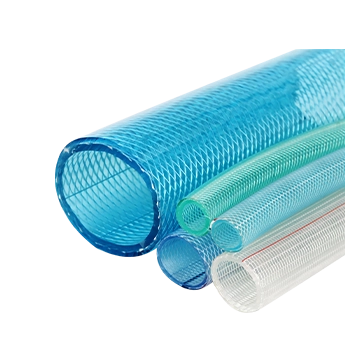
High-Quality Flexible PVC Clear Hose from China: Compatibility, Sizing and Documentation FAQNewsOct.28,2026
-
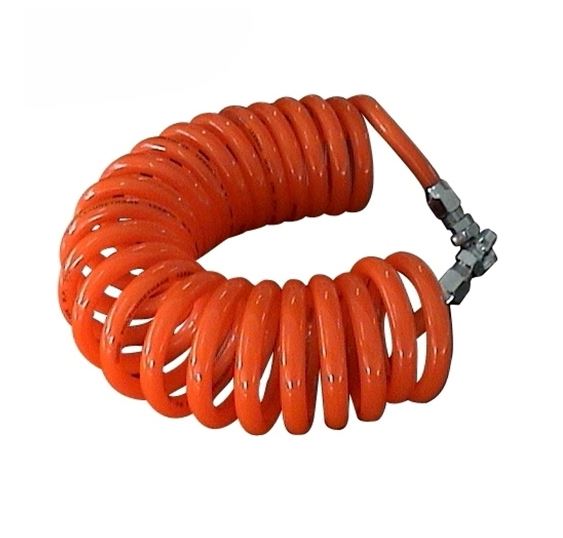
Choosing PU Anti-Sprial Hose: Medium, Dimensions and Operating ConditionsNewsOct.24,2026
-
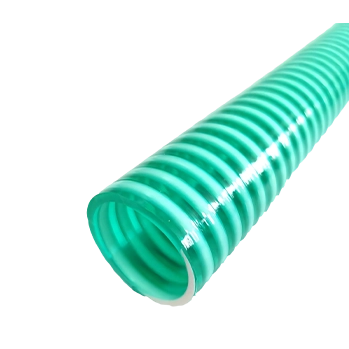
Choosing Plastic PVC Water Pump Suction Hose from a Cost-Effective PVC Water Hose Supplier: Medium, Dimensions and Operating ConditionsNewsOct.24,2026
-
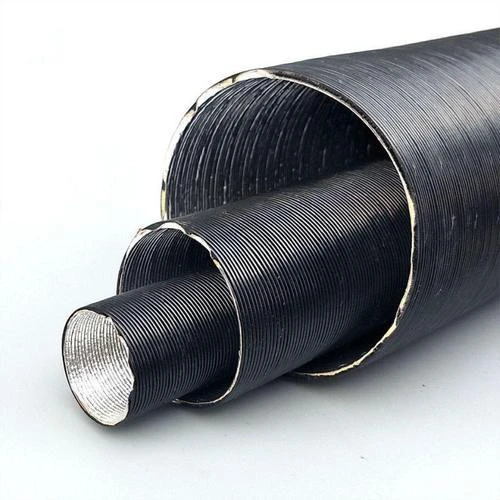
Choosing ALUMINUM FOIL VENTILATION DUCT: Application Fit and Specification ChecksNewsOct.24,2026
 Afrikaans
 Albanian
 Arabic
 Azerbaijani
 Belarusian
 Bengali
 Bulgarian
 Czech
 Danish
 Dutch
 Finnish
 French
 German
 Greek
 Hebrew
 Hindi
 Hungarian
 Indonesian
 Irish
 Italian
 Japanese
 Kazakh
 Korean
 Kyrgyz
 Lao
 Latin
 Lithuanian
 Luxembourgish
 Malay
 Mongolian
 Myanmar
 Nepali
 Norwegian
 Persian
 Polish
 Portuguese
 Russian
 Serbian
 Slovak
 Spanish
 Swedish
 Tagalog
 Thai
 Turkish
 Ukrainian
 Uighur
 Uzbek
 Vietnamese
 Welsh
 English