


Flexible Polyurethane Tubing – Durable, Versatile, and Future-Ready Solutions
The Unsung Hero: What is Flexible Polyurethane Tubing and Why Should We Care?
Flexible polyurethane tubing might sound like a mouthful, but it’s quietly everywhere, serving as a backbone for countless industries worldwide. From medical devices ensuring patient safety, to complex manufacturing lines humming away in factories, this tubing delivers a combination of durability, flexibility, and chemical resistance that’s hard to beat. Globally, understanding its role means appreciating how modern industries and humanitarian efforts keep moving—whether in bustling metropolitan hubs or remote disaster zones.
Why the fuss? It matters because flexible polyurethane tubing handles everything from sensitive fluid transfers to high-pressure pneumatic systems, and doing this reliably can mean the difference between success and costly downtime. Plus, as environmental and operational demands evolve, so too does the technology behind these tubes, making it a fascinating subject.
Introduction: Global Relevance of Flexible Polyurethane Tubing
Globally, industries are growing ever more dependent on materials that can perform under pressure—literally. According to ISO standards on material performance, flexible polyurethane tubing ranks as one of the preferred choices for applications requiring abrasion resistance, elasticity, and chemical stability (1). Meanwhile, the United Nations environmental programs also highlight polyurethane as a more sustainable option compared to traditional plastics due to its durability and lower waste footprint (2).
However, challenges exist. For instance, many developing regions grapple with access to high-quality tubing, essential for infrastructure projects such as clean water delivery and medical support systems. The inconsistency of supply and quality control can sometimes cripple project outcomes.
Flexible polyurethane tubing addresses these hurdles by providing a versatile, resilient solution that can handle diverse environments, from urban factories to post-disaster relief camps.
Mini takeaway: Flexible polyurethane tubing is a global enabler, improving industrial efficiency and humanitarian responses alike.
What Exactly is Flexible Polyurethane Tubing?
At its core, flexible polyurethane tubing is a hollow, pliable conduit made from polyurethane polymers. Unlike rigid piping, it can bend, stretch, and flex without cracking, making it ideal for dynamic environments. In simpler terms, imagine a tube that’s tough, yet elastic—able to carry fluids, air, or other materials safely without degrading.
This tubing isn’t just a pipe—it’s a smart solution crafted for modern needs. For medical devices, it means preventing contamination while allowing freedom of movement. In industrial automation, it allows machines to move without damaging hoses. In humanitarian work, it helps deliver clean water reliably to those in need.
Mini takeaway: Flexible polyurethane tubing blends toughness with flexibility, making critical industrial and humanitarian applications possible.
Key Factors Behind Flexible Polyurethane Tubing’s Popularity
Durability That Lasts
Polyurethane tubing resists abrasion far better than vinyl or rubber alternatives, so it stands up to rough conditions without wear. Engineers often note its ability to withstand harsh chemicals and oil-based fluids, crucial in factories and laboratories.
Flexibility and Elasticity
This tubing can flex and return to shape repeatedly, essential for applications involving movement or vibration. Think robotics, where tubes need to move with precision—and fast.
Cost Efficiency Over Time
Though the initial cost might be higher than some plastics, the lifespan of polyurethane tubing means fewer replacements and less downtime—a factor that savvy managers appreciate.
Wide Temperature Range
From cold-storage operations to hot machinery lines, these tubes can function between roughly -40°C to +90°C, offering versatility across climates and industries.
Ease of Installation and Customization
Flexible polyurethane tubing can be easily cut, molded, or shaped, allowing for custom lengths and diameters. This makes it a favorite when off-the-shelf solutions just won’t cut it.
Mini takeaway: It’s the balance of toughness, stretch, and value that makes flexible polyurethane tubing a go-to choice.
Real-World Applications and Who’s Using It
Flexible polyurethane tubing serves a host of industries worldwide. In Europe, automotive manufacturers depend on it for pneumatic brake systems, where precision and reliability are paramount. In North America, it’s widespread in medical device tubing—think catheters and fluid transfer systems—where safety standards are strict.
In Asia and Africa, NGOs have used polyurethane tubing in emergency water distribution networks during disaster relief efforts, prized for its lightweight and durability. One inspiring example comes from a cyclone-hit region, where local teams rapidly deployed water purification units connected by flexible tubing, restoring safe water access within days.
Industrial zones in the Middle East have incorporated it into automated manufacturing lines, benefiting from its abrasion resistance in sandy, high-temperature environments.
Mini takeaway: The tubing’s adaptability drives its expansive use—from hospitals in the US to disaster zones in Asia and factories in the Middle East.
The Long-Term Value and Advantages of Flexible Polyurethane Tubing
- Cost Savings Over Lifetime: Durable tubing reduces downtime, maintenance, and replacements.
- Sustainability: Longer life means fewer materials wasted; many manufacturers prioritize recyclable polyurethanes.
- Safety and Reliability: Ensures consistent performance in critical applications like medical and water supply systems.
- Trust and Innovation: Using flexible polyurethane tubing signals a commitment to advancing technology and quality.
Emotionally, operators often feel relieved knowing their systems won’t fail unexpectedly, and communities gain better access to essentials, preserving dignity and health. Technically, it’s a win-win: better design, fewer breakdowns, and smoother operation.
Looking Forward: Trends and Innovations in Flexible Polyurethane Tubing
What’s next for this tubing? Industry experts talk about bio-based polyurethanes reducing fossil fuel dependence, reinforced tubing with embedded sensors to monitor pressure and wear in real-time, and enhanced coatings to improve chemical resistance even further.
Automation trends mean more custom-shaped tubing made by advanced 3D printing techniques, while green energy sectors utilize these tubes in hydrogen fuel cell systems—applications demanding unmatched safety and flexibility.
Mini takeaway: The future is flexible AND smart, blending sustainability with technology.
Challenges and How Industry Leaders Address Them
Despite all its benefits, flexible polyurethane tubing isn’t without challenges. Issues with UV degradation in outdoor uses or variability in supplier quality can hamper performance. Also, cost concerns in less-developed markets sometimes limit adoption.
Innovative approaches include UV-stabilized coatings, stricter supplier vetting, and modular tubing kits designed for quick field replacement. Meanwhile, education and better distribution networks help spread access globally.
FAQ: Your Flexible Polyurethane Tubing Questions Answered
- What makes flexible polyurethane tubing better than rubber tubing?
- Polyurethane generally offers superior abrasion resistance, greater elasticity, and better resistance to chemicals and oils. This means it lasts longer in harsh conditions and is less likely to crack under repeated stress.
- How do I know which diameter is right for my needs?
- Choosing diameter depends on the flow rate and pressure your system requires. It’s best to consult product specs or speak with a supplier — many provide custom sizing to suit specific applications.
- Can flexible polyurethane tubing be used outdoors?
- Yes, but standard tubing may degrade under prolonged UV exposure. Opt for variants with UV-resistant coatings or additives if your tubing will face long-term sun exposure.
- Is flexible polyurethane tubing recyclable?
- Many types are recyclable depending on local facilities and polymer type. Asking your supplier about environmental certifications can help ensure you choose sustainable options.
- How quickly can tubing be replaced if damaged on-site?
- Thanks to its flexibility and ease of cutting, replacement is usually swift—often taking less than an hour for simple systems. Pre-cut modular pieces can speed this up even more.
Flexible Polyurethane Tubing: A Durable Solution for Today and Tomorrow
In sum, flexible polyurethane tubing might seem like a small detail, but it carries a huge weight in global industry and humanitarian efforts alike. Its balance of strength, flexibility, and sustainability makes it an indispensable material. Whether you’re designing factory equipment, medical devices, or relief supplies, this tubing fits a variety of needs with impressive reliability.
Feeling inspired? Visit our website at https://www.kebinghose.com to explore our range of flexible polyurethane tubing solutions tailored to your industry’s demands.
Product Specification Table:
| Specification | Value / Range | Notes |
|---|---|---|
| Material | Polyurethane (TPU or TPU blend) | Various grades for hardness and flexibility |
| Temperature Range | -40°C to +90°C | Stable in harsh environments |
| Inner Diameter | 2 mm – 25 mm | Custom sizes available |
| Tensile Strength | 20 – 50 MPa | Varies by formulation |
| Abrasion Resistance | High | Outperforms rubber & PVC |
Vendor Comparison
| Vendor | Material Grades | Customization Options | Lead Time | Global Shipping |
|---|---|---|---|---|
| KeBing Hose Co. | TPU blend, medical grade, industrial grade | Length, diameter, special coatings | 2-4 weeks | Yes |
| FlexiTube Inc. | Standard TPU & PVC composites | Diameter only | 1-2 weeks | Limited |
| Global Tubing Ltd. | High durability TPU | Length, diameter, packaging | 3-5 weeks | Yes |
Reference Summary
- ISO 18752:2017 - Specifications for Polyurethane Tubing Standards.
- United Nations Environment Programme (UNEP), “Sustainable Polymer Materials,” 2022.
- World Bank Data on Infrastructure and Quality Materials in Developing Regions, 2021.
-
How to Choose Fuel Oil Hose SAE J30 R6 for Size and Service ConditionsNewsNov.11,2026
-
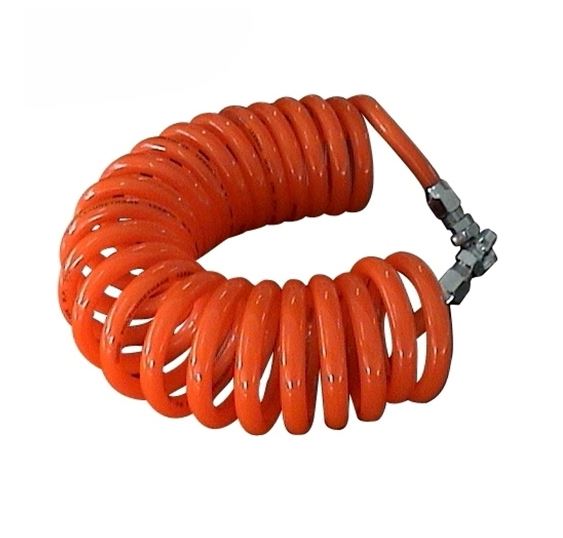
Flexible High Pressure Top Quality PU Pneumatic Tube Air Hose: Comparing Two PU Tube OptionsNewsNov.03,2026
-
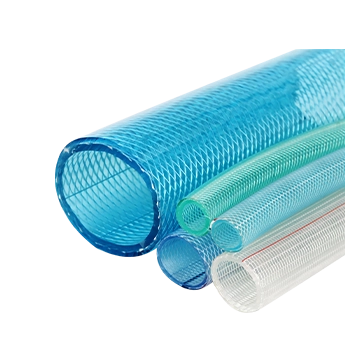
High-Quality Flexible PVC Clear Hose from China: Compatibility, Sizing and Documentation FAQNewsOct.28,2026
-
Choosing PU Anti-Sprial Hose: Medium, Dimensions and Operating ConditionsNewsOct.24,2026
-
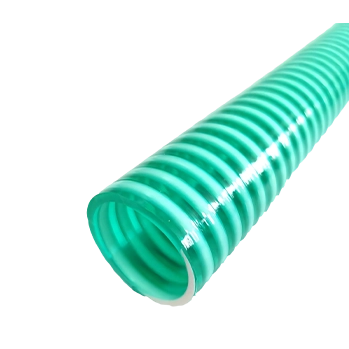
Choosing Plastic PVC Water Pump Suction Hose from a Cost-Effective PVC Water Hose Supplier: Medium, Dimensions and Operating ConditionsNewsOct.24,2026
-
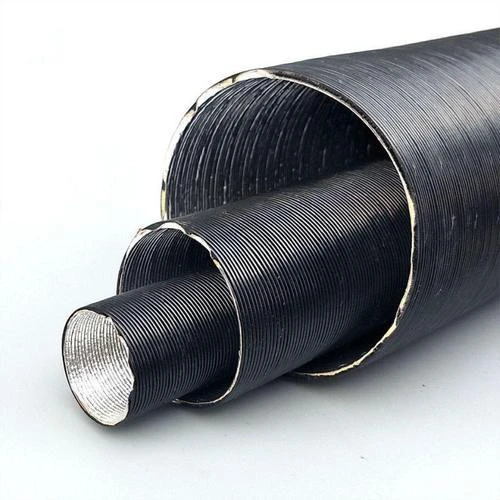
Choosing ALUMINUM FOIL VENTILATION DUCT: Application Fit and Specification ChecksNewsOct.24,2026
 Afrikaans
 Albanian
 Arabic
 Azerbaijani
 Belarusian
 Bengali
 Bulgarian
 Czech
 Danish
 Dutch
 Finnish
 French
 German
 Greek
 Hebrew
 Hindi
 Hungarian
 Indonesian
 Irish
 Italian
 Japanese
 Kazakh
 Korean
 Kyrgyz
 Lao
 Latin
 Lithuanian
 Luxembourgish
 Malay
 Mongolian
 Myanmar
 Nepali
 Norwegian
 Persian
 Polish
 Portuguese
 Russian
 Serbian
 Slovak
 Spanish
 Swedish
 Tagalog
 Thai
 Turkish
 Ukrainian
 Uighur
 Uzbek
 Vietnamese
 Welsh
 English







