Fuel Oil Hose SAE J30 R6 – Flexible, Oil-Resistant
What I’m Seeing in Fuel Transfer Right Now: The Practical Case for Fuel Oil Hose SAE J30 R6
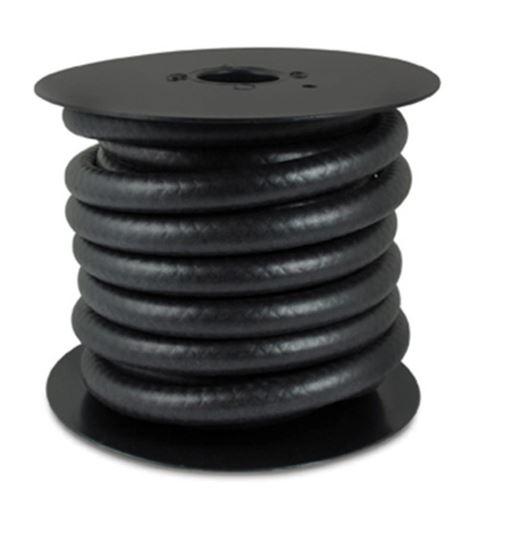
The fuel system world is changing quietly—more biodiesel blends in fleets, tighter vapor limits, and yes, longer service intervals. In that context, the humble hose matters more than it gets credit for. I’ve spent enough time around workshops and test benches to say this: when a hose fails, it’s never at a convenient time. That’s why the Fuel Oil Hose SAE J30 R6—made with NBR (nitrile butadiene rubber) for high oil resistance—keeps showing up in real fleets and small OEM lines. It just does the basics right.
Industry Trend Check
B20 (and sometimes B30) biodiesel blends are becoming normal in municipal and construction fleets. Off-road diesels aren’t going away either. Meanwhile, emissions compliance pushes better permeability control and ozone resistance. The Fuel Oil Hose SAE J30 R6 sits in that sweet spot: flexible, affordable, and compatible with diesel, petroleum, and oils with ≤30% aromatics. Not glamorous—reliable.
Key Specifications (real-world values may vary)
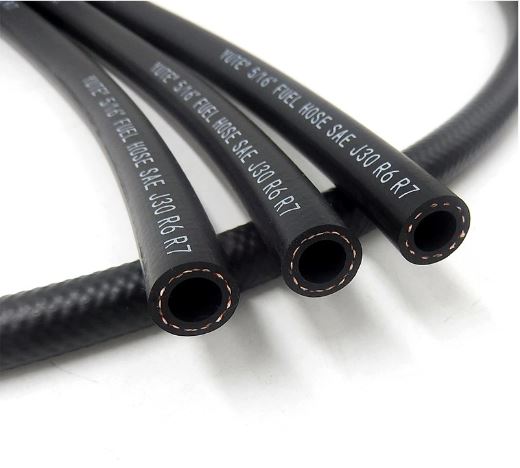
| Tube | NBR (nitrile), high oil resistance |
| Reinforcement | High-tensile textile braid |
| Cover | NBR/CR blend, ozone-resistant |
| Temperature Range | ≈ −40°C to +100°C (short peaks to 120°C) |
| Working Pressure | ≈ 1.0 MPa (150 psi) |
| Burst Pressure | ≥ 3× WP (typical per SAE) |
| Sizes (ID) | ≈ 5–25 mm (3/16"–1") |
| Compatibility | Diesel, biodiesel blends, hydraulic/mechanical/lubricating oil; ≤30% aromatics |
| Standard | SAE J30 R6 compliant |
How It’s Made and Tested
Materials: oil-resistant NBR compound for the tube, textile braid reinforcement, protective cover. Process: precision mixing → extrusion of tube → braiding → cover extrusion → vulcanization → proof testing and marking. I’ve watched this line more than once; the consistency is what keeps failures rare.
Testing (typical): fuel immersion and swell per SAE J30; burst/impulse; ozone per ISO 1431; permeability checks; low-temp bend; adhesion peel. Service life runs ≈ 3–5 years in moderate duty, but I’ve seen longer in sheltered installs. Certifications often include ISO 9001; RoHS/REACH declarations are available on request.
Where It’s Used
- Vehicle fuel return and low-pressure feed lines
- Gensets and compressor skids (diesel circulation)
- Agricultural machinery, light construction equipment
- Marine auxiliary lines (non-ignition protected zones)
A quick case: a city fleet shifted to B20. Replaced aging lines with the Fuel Oil Hose SAE J30 R6. After 18 months, maintenance logged zero seep incidents and noted easier cold starts—partly better hose flexibility in winter. Not a lab trial, but telling.
Why Technicians Pick It
- Stable in oil-rich environments; NBR resists swell
- Good bend radius for tight engine bays
- Cost-effective versus higher-spec barrier hoses when permeability targets are modest
Customization and Options
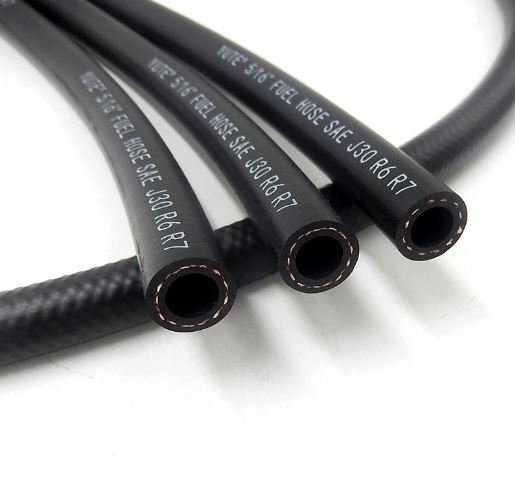
Custom IDs/ODs, cut lengths, private labeling, protective sleeves, quick-coupler ends, and fire sleeves are common requests. For tougher vapor caps, ask about barrier-lined variants. Origin: Hongda Business 1602, Yuhua District, Shijiazhuang City, Hebei Province.
Vendor Snapshot
| Vendor | Lead Time | MOQ | Certifications | Notes |
|---|---|---|---|---|
| Kebing (Hebei) | ≈ 2–4 weeks | ≈ 300–500 m | ISO 9001; RoHS/REACH on request | Strong NBR compounding; flexible sizing |
| Vendor A | 3–5 weeks | 500 m | ISO 9001 | Competitive pricing |
| Vendor B | 2–3 weeks | 1000 m | ISO 9001; IATF (sometimes) | Tight QC; less flexible MOQs |
What Users Say
“No smell, no seepage on B20,” one maintenance chief told me—short and sweet. Others note the Fuel Oil Hose SAE J30 R6 crimps cleanly and keeps its roundness after bends. To be honest, that’s half the battle in field work.
References
- SAE International. SAE J30: Fuel and Oil Hoses. https://www.sae.org/standards/content/j30/
- ISO 1431-1: Rubber, vulcanized or thermoplastic — Resistance to ozone cracking. https://www.iso.org/standard/16678.html
- U.S. DOE Alternative Fuels Data Center – Biodiesel Blends. https://afdc.energy.gov/fuels/biodiesel_blends.html
-
How to Choose Fuel Oil Hose SAE J30 R6 for Size and Service ConditionsNewsNov.11,2026
-
Flexible High Pressure Top Quality PU Pneumatic Tube Air Hose: Comparing Two PU Tube OptionsNewsNov.03,2026
-
High-Quality Flexible PVC Clear Hose from China: Compatibility, Sizing and Documentation FAQNewsOct.28,2026
-
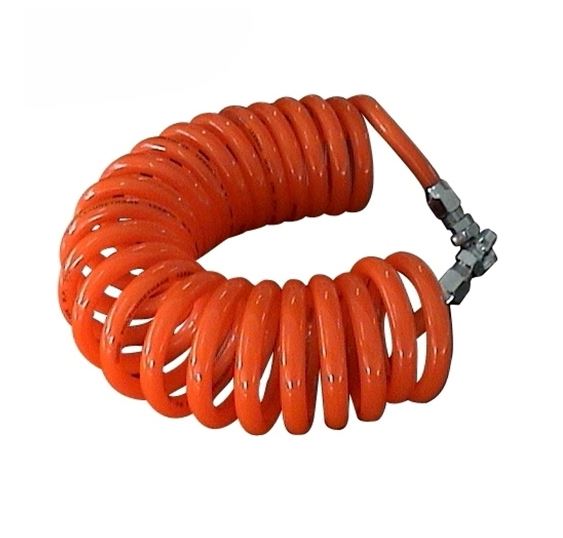
Choosing PU Anti-Sprial Hose: Medium, Dimensions and Operating ConditionsNewsOct.24,2026
-
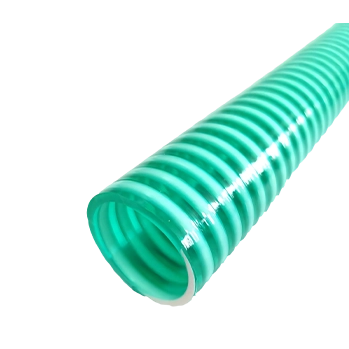
Choosing Plastic PVC Water Pump Suction Hose from a Cost-Effective PVC Water Hose Supplier: Medium, Dimensions and Operating ConditionsNewsOct.24,2026
-
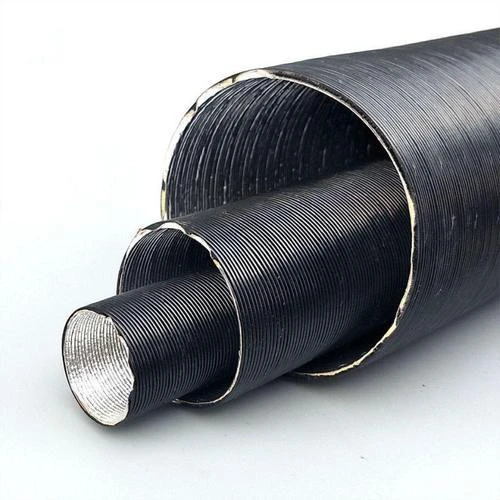
Choosing ALUMINUM FOIL VENTILATION DUCT: Application Fit and Specification ChecksNewsOct.24,2026
 Afrikaans
 Albanian
 Arabic
 Azerbaijani
 Belarusian
 Bengali
 Bulgarian
 Czech
 Danish
 Dutch
 Finnish
 French
 German
 Greek
 Hebrew
 Hindi
 Hungarian
 Indonesian
 Irish
 Italian
 Japanese
 Kazakh
 Korean
 Kyrgyz
 Lao
 Latin
 Lithuanian
 Luxembourgish
 Malay
 Mongolian
 Myanmar
 Nepali
 Norwegian
 Persian
 Polish
 Portuguese
 Russian
 Serbian
 Slovak
 Spanish
 Swedish
 Tagalog
 Thai
 Turkish
 Ukrainian
 Uighur
 Uzbek
 Vietnamese
 Welsh
 English