


Green PVC Hose: Durable and Sustainable Solutions for Global Water Management
Understanding the Green PVC Hose: Durable, Sustainable, and Versatile
If you’re involved in industries like agriculture, construction, or environmental management, you’ve probably heard of the green PVC hose. But what exactly is it, and why does it matter so much globally? Frankly, these hoses have quietly taken on a vital role in tackling water management challenges, providing cost-effective, environmentally safer solutions across continents. They’re especially significant as nations strive for sustainable infrastructure and greener industrial practices.
Introduction: Why the Green PVC Hose Is a Global Game-Changer
Globally, water conservation and pollution control have become priority areas. The green PVC hose fits right into this narrative because it blends durability with environmental consciousness. According to the United Nations’ World Water Development Report 2023, about 2.2 billion people lack access to safely managed drinking water services. Tools like these hoses—engineered to resist corrosion and environmental wear—are quietly enabling irrigation, firefighting, and sanitation in water-scarce regions.
Oddly enough, despite their humble appearance, green PVC hoses address several challenges such as longevity under harsh conditions and chemical resistance, making them preferred worldwide. Their popularity is cemented by ISO certifications related to safety and environmental compliance, which add credibility to their widespread industrial use.
Defining the Green PVC Hose
Put simply, a green PVC hose is a flexible, durable conduit made primarily of polyvinyl chloride (PVC), pigmented green to signify either environmental standards or its suitability for outdoor and eco-sensitive applications. Its construction balances strength and pliability – allowing easy handling while standing up to UV rays, harsh chemicals, and pressure.
This hose connects deeply with modern industries — from agriculture and gardening systems that minimize water wastage to humanitarian efforts where reliable water delivery is critical during disasters or remote operations.
Key Factors of Green PVC Hose
1. Durability & UV Resistance
The green PVC compound typically includes stabilizers and plasticizers that resist cracking and degradation. This means these hoses survive longer when exposed to sunlight, an important feature especially in open fields or construction sites.
2. Chemical & Abrasion Resistance
Many fluids used in industries like agriculture are harsh. The green PVC hose does not easily react with fertilizers or pesticides, and its outer surface fights off abrasions, extending lifespan.
3. Flexibility & Handling
The wall thickness and plasticizer blend yield hoses that are easy to coil and maneuver without kinks – great for situations where rapid deployment is needed.
4. Environmental Friendliness
Compared to traditional rubber hoses, PVC hoses are often recyclable and their green pigmentation can denote compliance with environmental manufacturing standards, reducing toxic leachates.
5. Cost Efficiency
Because PVC hoses are mass-produced and last longer, their total cost of ownership is lower than many alternatives.
Product Specifications Snapshot
| Specification | Value |
|---|---|
| Material | Flexible PVC (Polyvinyl Chloride) |
| Color | Green (UV-resistant pigment) |
| Outer Diameter Range | 12mm to 50mm |
| Operating Pressure | Up to 10 bar / 145 psi |
| Temperature Range | -10°C to 60°C |
| Certifications | ISO 9001, RoHS, REACH Compliance |
Global Applications & Use Cases
Green PVC hoses are everywhere—from greenhouses in the Netherlands to irrigation projects in Sub-Saharan Africa, and urban landscaping in Asia. In places like India and Brazil, farmers depend on these hoses for drip irrigation systems that conserve water by delivering precise amounts directly to plant roots.
Post-disaster relief operations particularly value the flexible deployment characteristics. Think about a cyclone-hit area where traditional fixed pipelines are destroyed; green PVC hoses enable quick restoration of water supply in refugee camps or temporary shelters.
Oddly enough, even remote mining zones in Australia use these hoses extensively to handle slurry and chemicals safely without frequent hose replacement, reflecting their ruggedness.
Vendor Comparison Table: Leading Green PVC Hose Suppliers
| Vendor | Pricing (per meter) | Max Pressure | Warranty | Sustainability Certifications |
|---|---|---|---|---|
| Kebing Hose Co. | $1.20 | 10 bar | 3 years | ISO 9001, RoHS |
| GreenFlow Inc. | $1.45 | 9 bar | 2 years | REACH, EU EcoLabel |
| EcoTubing Ltd. | $1.10 | 8 bar | 1.5 years | ISO 14001 |
Advantages and Long-Term Value
- Cost-effective longevity: Fewer replacements reduce operational downtime and expense.
- Eco-conscious design: Many green PVC hoses are recyclable and minimize plasticizers that harm the environment.
- Enhanced safety: Chemical resistance reduces hazardous leaks, protecting users and surroundings.
- Reliability: UV resistance means the hose performs consistently outdoors over years.
Emotionally, there’s that peace of mind when your water system doesn’t fail mid-season or during critical operations. It’s the kind of reliability that earns trust, whether you’re a farmer or a relief worker.
Future Trends and Innovations
Looking ahead, manufacturers are integrating nano-enhanced additives to boost durability and self-cleaning surfaces to reduce biofilm buildup. Sustainability remains central, with renewed focus on bio-based PVC and fully recyclable hoses.
Digitally, smart sensors embedded in hoses will soon monitor pressure drops or leakage in real time, allowing quicker responses and reducing waste. It’s a sort of industrial IoT approach that's still emerging but has enormous potential.
Challenges and Solutions
Despite many strengths, some green PVC hoses face issues like stiffening after long UV exposure or limitations in very high-temperature environments. Users should ensure proper storage and select hoses certified for their application.
Experts suggest selecting hoses with enhanced UV stabilizers or layering techniques to prolong life. Also, coupling hoses with smart leak detection systems helps catch problems early.
Frequently Asked Questions About Green PVC Hose
- What makes green PVC hoses better than traditional rubber hoses?
- Green PVC hoses combine durability with chemical resistance and are often lighter and more flexible than rubber hoses, making them easier to handle, store, and maintain over time.
- Can these hoses be used for drinking water delivery?
- Yes, provided they are certified for potable water use. Many green PVC hoses meet NSF/ANSI standards ensuring no harmful leachates enter the water.
- How long do green PVC hoses typically last under outdoor conditions?
- With proper care, these hoses can last 5-7 years outdoors due to UV resistance and durable construction, but lifespan varies with climate and use.
- Are green PVC hoses recyclable?
- Generally, yes. Many manufacturers use recyclable PVC materials, but local recycling capabilities and hose condition affect feasibility.
- How can NGOs source green PVC hoses for disaster relief internationally?
- They often partner with suppliers like Kebing Hose Co. who offer bulk orders, certifications, and logistics support tailored to humanitarian needs.
Conclusion and Call to Action
All in all, the green PVC hose is more than just a tube; it’s a vital enabler of water access, conservation, and industrial efficiency worldwide. Its blend of strength, sustainability, and cost-efficiency makes it a staple across many sectors for years to come.
Want to explore high-quality hoses that meet global standards? Visit https://www.kebinghose.com and see how they can help your projects thrive.
Mini takeaway: Green PVC hoses play quietly powerful roles connecting industry, environment, and humanitarian efforts—all while pushing toward a greener future.
References
-
How to Choose Fuel Oil Hose SAE J30 R6 for Size and Service ConditionsNewsNov.11,2026
-
Flexible High Pressure Top Quality PU Pneumatic Tube Air Hose: Comparing Two PU Tube OptionsNewsNov.03,2026
-
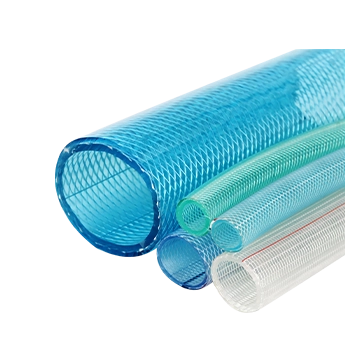
High-Quality Flexible PVC Clear Hose from China: Compatibility, Sizing and Documentation FAQNewsOct.28,2026
-
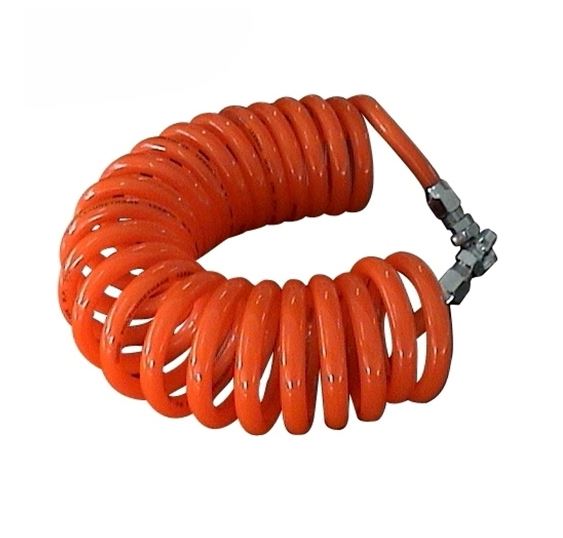
Choosing PU Anti-Sprial Hose: Medium, Dimensions and Operating ConditionsNewsOct.24,2026
-
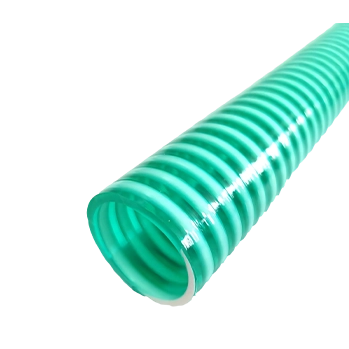
Choosing Plastic PVC Water Pump Suction Hose from a Cost-Effective PVC Water Hose Supplier: Medium, Dimensions and Operating ConditionsNewsOct.24,2026
-
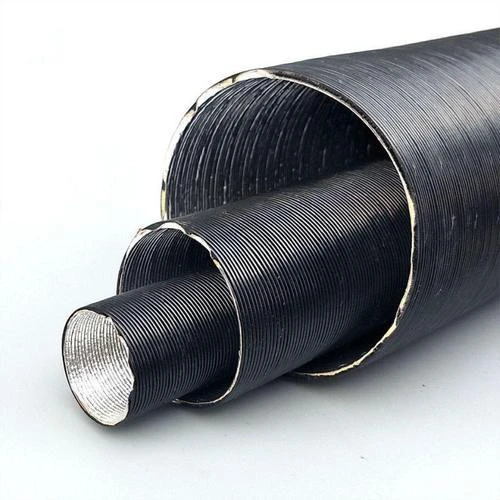
Choosing ALUMINUM FOIL VENTILATION DUCT: Application Fit and Specification ChecksNewsOct.24,2026
 Afrikaans
 Albanian
 Arabic
 Azerbaijani
 Belarusian
 Bengali
 Bulgarian
 Czech
 Danish
 Dutch
 Finnish
 French
 German
 Greek
 Hebrew
 Hindi
 Hungarian
 Indonesian
 Irish
 Italian
 Japanese
 Kazakh
 Korean
 Kyrgyz
 Lao
 Latin
 Lithuanian
 Luxembourgish
 Malay
 Mongolian
 Myanmar
 Nepali
 Norwegian
 Persian
 Polish
 Portuguese
 Russian
 Serbian
 Slovak
 Spanish
 Swedish
 Tagalog
 Thai
 Turkish
 Ukrainian
 Uighur
 Uzbek
 Vietnamese
 Welsh
 English







