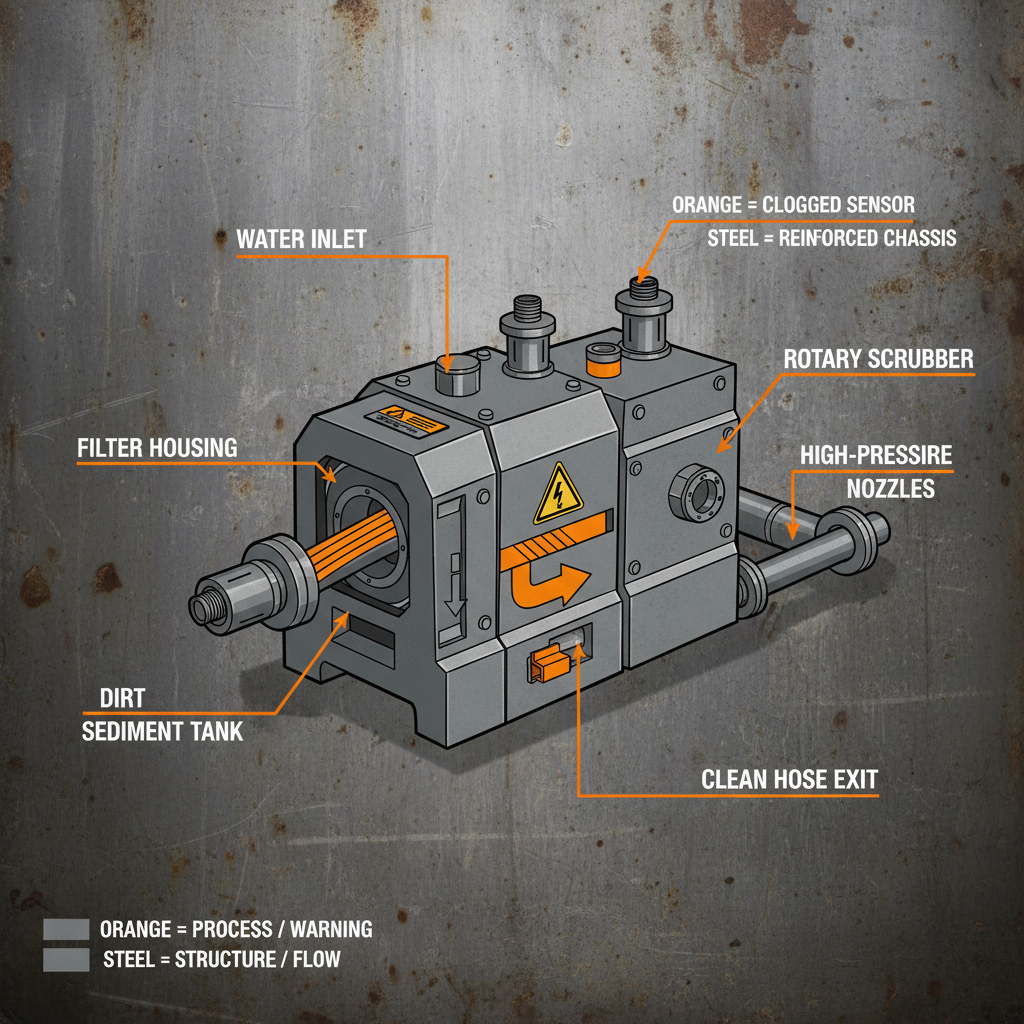
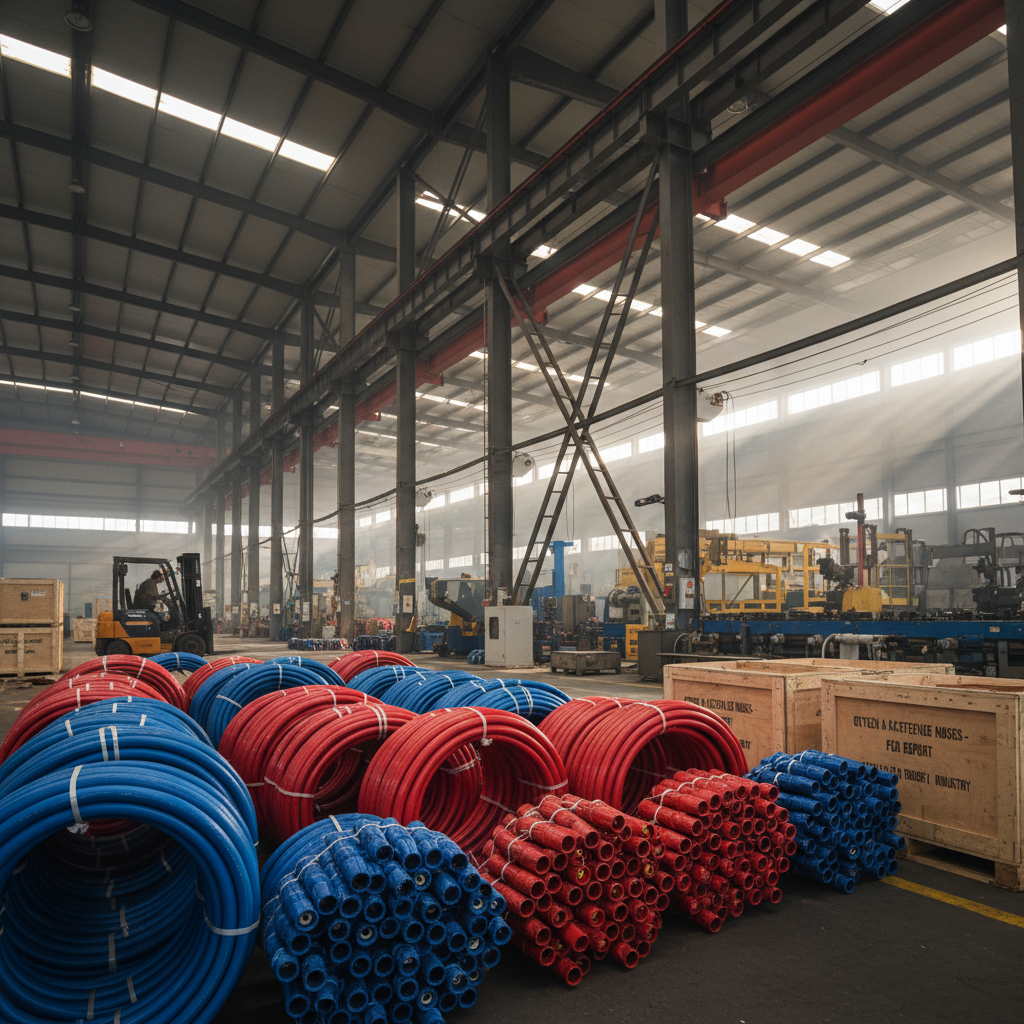
In the demanding landscape of industrial fluid transmission, the reliability of specialized hoses is paramount for operational safety and efficiency. The search for a high-performance 3 16 oxygen acetylene hose often leads professionals to evaluate the balance between flexibility and pressure resistance. Understanding the material composition and structural integrity of these conduits is essential for preventing hazardous leaks in high-temperature environments.
Global industrial standards have evolved to require materials that can withstand extreme atmospheric conditions while maintaining a lightweight profile. Whether used in heavy manufacturing or specialized welding applications, the quality of the hose determines the longevity of the equipment and the safety of the personnel. A focus on synthetic rubber linings and reinforced polyester jackets ensures that these hoses meet the rigorous demands of modern engineering.
When sourcing a 3 16 oxygen acetylene hose, it is crucial to look beyond the basic dimensions and examine the specific resistance properties, such as ozone and oil resistance. By integrating scientific research with advanced polymer composite materials, manufacturers can now provide solutions that minimize downtime and maximize service life across various challenging sectors.
Structural Composition of 3 16 Oxygen Acetylene Hose
The internal architecture of a professional-grade 3 16 oxygen acetylene hose is engineered for maximum security. It features a high-quality synthetic rubber lining that provides a smooth internal surface, reducing friction and preventing the buildup of residues. This lining is critical for maintaining a consistent flow of gases without compromising the purity of the medium being transported.
To ensure structural stability under pressure, the hose is encased in a robust reinforcement cover consisting of a polyester jacket. This outer layer protects the inner tube from external mechanical damage and provides the necessary tensile strength to prevent bursting. The combination of rubber and polyester creates a flexible yet resilient conduit capable of withstanding the rigors of industrial deployment.
Performance Metrics and Pressure Capacities
Evaluating the efficiency of a 3 16 oxygen acetylene hose requires a deep dive into its working pressure capabilities. Depending on the specific model and reinforcement level, these hoses are designed to operate safely across a spectrum of pressures, typically ranging from 8 bar up to 25 bar. This versatility allows them to be integrated into various pneumatic and hydraulic systems without risking structural failure.
Beyond the working pressure, the bursting pressure (B.P.) is a critical safety metric, often reaching up to 80 bar. This significant safety margin ensures that even in the event of a sudden pressure spike, the hose will not catastrophically fail, thereby protecting operators and surrounding infrastructure. The precision engineering of the synthetic rubber ensures that the hose remains stable across these varying pressure levels.
Weight and length optimization are also key performance indicators. With weights ranging from 0.095 kg/m for smaller diameters to 1.5 kg/m for larger industrial variants, these hoses offer a lightweight solution that does not sacrifice strength. This balance is essential for mobility in shipping, petroleum, and chemical industries where hoses must be deployed and retracted frequently.
Environmental Resistance and Durability
One of the standout features of the 3 16 oxygen acetylene hose is its exceptional ozone resistance. In outdoor environments or industrial zones with high electrical activity, ozone can cause rubber to crack and degrade. The specialized polymer composite used in the outer jacket prevents this degradation, ensuring that the hose remains airtight over a long service life.
Furthermore, the 3 16 oxygen acetylene hose is engineered for abrasion and oil resistance. This is particularly vital in mining and petroleum applications where the hose is frequently dragged across rough surfaces or exposed to hydrocarbon leaks. The polyester jacket acts as a shield, preventing oil from penetrating the inner lining and compromising the hose's integrity.
Low-temperature resistance is another critical factor that enhances the versatility of the 3 16 oxygen acetylene hose. In cold climates or refrigerated shipping environments, standard rubber can become brittle and prone to cracking. The synthetic rubber blend used here maintains flexibility even in low temperatures, preventing failures during winter operations.
Industrial Application Scenarios
The deployment of a 3 16 oxygen acetylene hose extends across a vast array of critical sectors. In fire-fighting and emergency response, these hoses are prized for their rapid deployment capabilities and high flow rates. Their ability to handle varying pressures makes them an ideal choice for transporting water or foam in high-stakes rescue operations.
In the petroleum and chemical industries, the demand for corrosion-resistant and oil-resistant conduits is absolute. These hoses are used to transfer fluids in hazardous zones where a leak could lead to environmental disasters or safety breaches. Similarly, in agriculture and mining, the abrasion-resistant exterior allows the hose to function reliably in the presence of grit, soil, and heavy machinery.
Efficiency Ratings of 3 16 Oxygen Acetylene Hose Variants
Comparative Advantages of Rubber Lining
When comparing the 3 16 oxygen acetylene hose to traditional PVC or purely plastic alternatives, the rubber-lined construction offers superior elasticity and sealing. Rubber lining provides a tighter fit against couplings and fittings, significantly reducing the risk of slow leaks that can compromise the efficiency of a gas system.
Furthermore, the thermal stability of synthetic rubber allows these hoses to handle a wider range of operating temperatures without expanding or contracting excessively. This stability ensures that the internal diameter remains constant, maintaining the calculated flow rate and pressure drop across the entire length of the installation.
Maintenance and Life Cycle Management
To maximize the service life of a 3 16 oxygen acetylene hose, regular inspection is mandatory. Users should look for signs of "checking" or small cracks in the polyester jacket, which could indicate excessive UV exposure or chemical degradation. Early detection of these signs allows for preventative replacement before a critical failure occurs.
Proper storage is equally important. Hoses should be stored in a cool, dry place away from direct sunlight and sharp objects. Avoiding tight kinks during storage prevents internal stress on the synthetic rubber lining, which can lead to permanent deformations and localized pressure weak points.
Implementing a "zero defect" quality objective, as practiced by leading manufacturers like Kebing, means that each hose is tested for leaks and pressure tolerance before leaving the factory. By combining manufacturer quality control with diligent on-site maintenance, the long-term value and safety of the hose are guaranteed.
Technical Specifications and Sizing Analysis
Selecting the correct size of 3 16 oxygen acetylene hose is vital for matching the hose to the specific pump or compressor capacity. The product range spans from a 1-inch internal diameter (I.D.) up to a massive 10-inch diameter. For most standard industrial applications, sizes between 2 and 4 inches provide the optimal balance of flow volume and maneuverability.
The working pressure (W.P.) varies by size; for instance, larger diameter hoses like the 8-inch or 10-inch variants are typically rated for lower working pressures (2-8 bar) compared to the smaller, high-pressure variants. This inverse relationship between diameter and pressure rating is a result of the physics of hoop stress on the hose wall.
The following table provides a detailed breakdown of the technical parameters for various sizes of rubber-lined layflat hoses, which share the core construction principles of the 3 16 oxygen acetylene hose family.
Technical Specification Analysis of Rubber-Lined Hoses
|
Size (Inch)
|
Working Pressure (Bar)
|
Burst Pressure (Bar)
|
Weight (kg/m)
|
| 1" |
4, 6, 8, 13, 16 |
20-80 |
0.095-0.15 |
| 2" |
4, 6, 8, 13, 16 |
20-80 |
0.16-0.4 |
| 3" |
4, 6, 8, 13, 16 |
20-80 |
0.25-0.8 |
| 4" |
4, 6, 8, 13, 16 |
20-80 |
0.32-0.95 |
| 6" |
4, 6, 8, 13 |
20-80 |
0.54-1.2 |
| 10" |
2, 4, 6 |
20-80 |
0.8-1.5 |
FAQS
Rubber lining provides significantly better elasticity and a tighter seal at connection points compared to PVC. It also offers superior resistance to temperature fluctuations and chemical degradation, making it safer for high-pressure gas transmission in industrial settings.
The polyester jacket acts as a protective armor against abrasion, punctures, and UV radiation. It prevents external contaminants from reaching the inner rubber lining and provides the tensile strength necessary to maintain the hose's shape under high working pressures.
Yes, the synthetic rubber used in our hoses is specifically formulated for low-temperature resistance. This prevents the material from becoming brittle and cracking in freezing conditions, ensuring consistent flexibility and safety in arctic or refrigerated environments.
Working pressures typically range from 8 bar to 25 bar depending on the specific size and reinforcement of the hose. For larger diameter versions, the pressure may be lower (2-6 bar), while smaller sizes can handle higher loads.
Absolutely. The polymer composite material used in the outer cover is designed to be oil-resistant, making these hoses ideal for use in petroleum, chemical, and mining industries where exposure to hydrocarbons is common.
Hoses should be stored in a cool, dry area away from direct sunlight and heat sources. It is important to avoid tight kinking or sharp bends during storage to prevent permanent deformation of the internal rubber lining.
Conclusion
The selection of a high-quality 3 16 oxygen acetylene hose is a critical decision that impacts both operational efficiency and workplace safety. By combining a synthetic rubber lining with a reinforced polyester jacket, these hoses provide the necessary resistance to ozone, oil, and extreme temperatures required by the petroleum, chemical, and fire-fighting industries. The ability to handle working pressures up to 25 bar while remaining lightweight ensures that they are as practical as they are durable.
Looking forward, the integration of advanced polymer composites will continue to push the boundaries of hose longevity and safety. For businesses seeking to minimize downtime and adhere to "zero defect" quality standards, investing in professionally engineered hoses is the most sustainable path. We recommend regular audits of your fluid transmission systems to ensure all components meet current safety benchmarks. Visit our website for more information: www.kebinghose.com