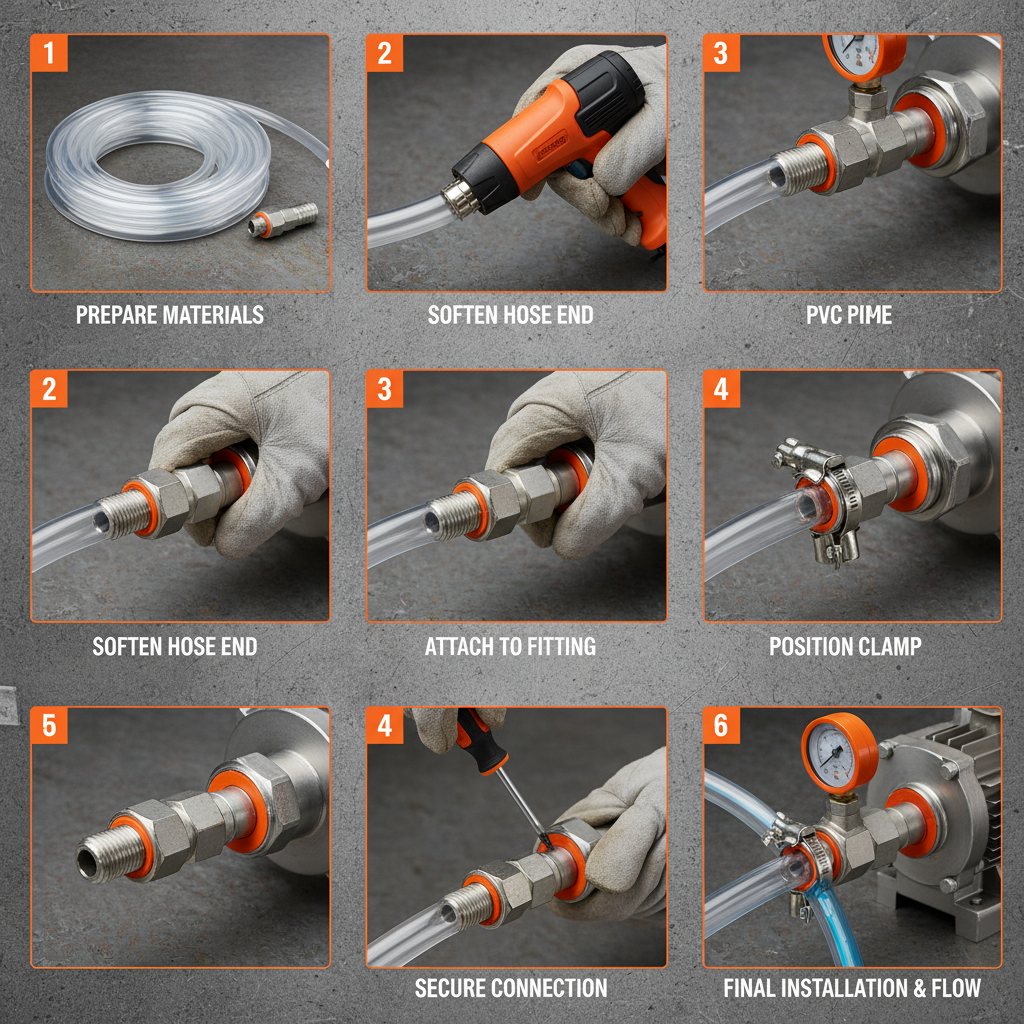
The global industrial landscape relies heavily on the efficient transport of gases and materials, where specialized tubing plays a critical role in operational safety and precision. Among these, the demand for high-performance conduits like the oxy acetylene welding hose has grown as infrastructure projects and manufacturing sectors scale their capabilities worldwide. Understanding the material science behind these hoses is essential for ensuring longevity and preventing hazardous leaks in high-pressure environments.
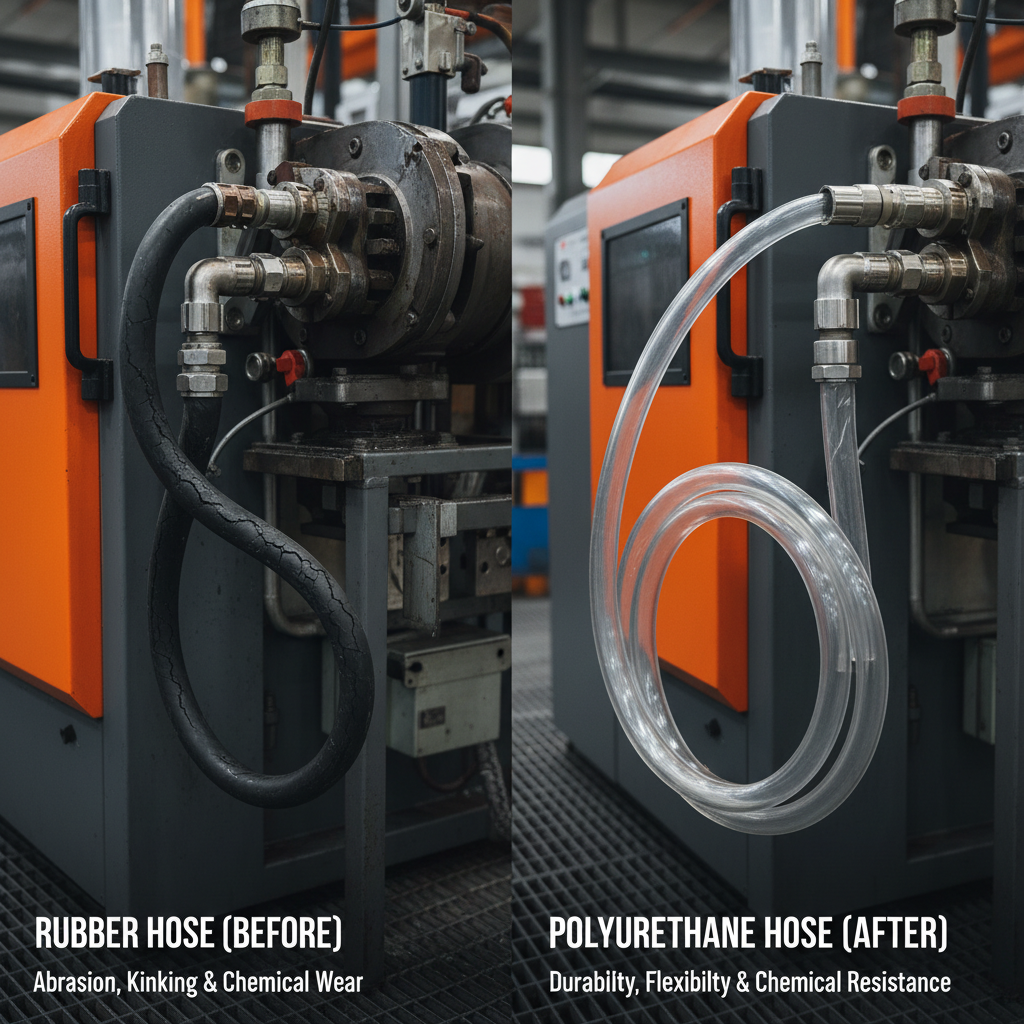
From a global perspective, the standardization of gas delivery systems, guided by ISO and other international safety bodies, highlights the necessity of using reinforced, tear-resistant materials. Many industrial facilities face the challenge of hose degradation due to extreme temperatures or mechanical wear, leading to costly downtime or safety risks. This is where advanced polypropylene and steel-wire reinforced solutions provide a necessary upgrade over traditional rubber alternatives.
Modern engineering focuses on balancing flexibility with structural integrity to optimize the workflow in welding and cutting applications. By integrating high-grade polypropylene with spring steel wire, a professional oxy acetylene welding hose ensures that gases are delivered consistently without the risk of collapse or kinking, even in the most demanding industrial settings.
Construction Materials of Oxy Acetylene Welding Hose
The structural integrity of a professional oxy acetylene welding hose begins with its wall composition. By utilizing high-grade Polypropylene (PP), the hose achieves a superior balance of chemical resistance and mechanical strength. This thermoplastic polymer is chosen specifically for its ability to remain stable under varying pressure loads while resisting the corrosive nature of various industrial gases.
To prevent the hose from collapsing under vacuum pressure or kinking during tight maneuvers, a reinforcement layer is integrated. This consists of either a spring steel wire or a PP-coated steel wire helix. This internal skeleton ensures the hose maintains its circular cross-section, allowing for an uninterrupted flow of gas, which is critical for the stability of the welding flame.
Key Performance Characteristics and Durability
One of the most critical aspects of an oxy acetylene welding hose is its high flexibility and compressibility. In complex workshop environments, operators must be able to move the hose freely without restricting their movement or causing the line to pinch. The combination of a thin but strong PP wall and a flexible steel helix allows for tight bends without compromising the internal diameter.
Tear resistance and high tensile strength are non-negotiable for hoses used in heavy-duty environments. Whether dragged across concrete floors or exposed to sharp metal shards, the reinforced construction prevents accidental punctures and longitudinal tears. This durability significantly reduces the frequency of replacements and minimizes the risk of dangerous gas leaks in the workplace.
Furthermore, the availability of various sizes and colors allows for easy identification and organization of gas lines. By color-coding the hoses, facilities can instantly distinguish between oxygen and acetylene lines, which is a fundamental safety practice to prevent cross-contamination and accidental explosions during the connection process.
Technical Specifications and Bending Radii
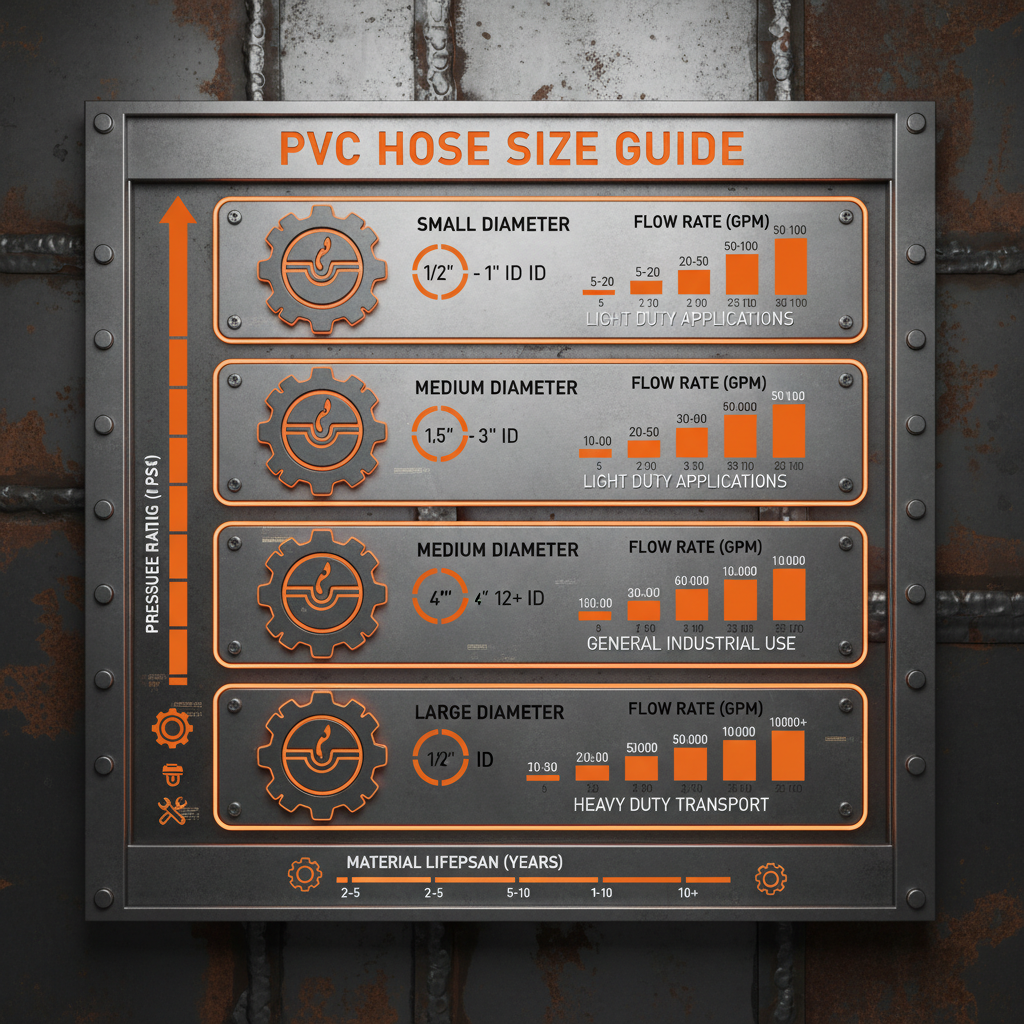
When selecting an oxy acetylene welding hose, understanding the relationship between the inner diameter (I.D.) and the bending radius is crucial for operational efficiency. A smaller bending radius allows the hose to be used in confined spaces, while the wall thickness ensures the hose can withstand the required pressure without bulging or bursting.
The technical parameters of a high-quality oxy acetylene welding hose are strictly engineered. For example, a 1-inch I.D. hose typically features a 0.6mm wall thickness and a bending radius of 35mm, providing a precise balance between agility and strength that is essential for precision welding tasks.
Vacuum pressure capacity is another key metric. Because these hoses are often used in suction or delivery roles, the steel wire reinforcement allows them to handle vacuum pressures effectively. This prevents the walls from collapsing inward, ensuring a steady flow rate regardless of the pressure differential.
Comparative Efficiency in Industrial Applications
Evaluating the performance of different hose configurations reveals that steel-wire reinforced polymers outperform standard rubber in terms of weight and lifespan. The lightweight nature of the polypropylene wall reduces operator fatigue during long shifts, while the steel helix provides a level of structural stability that rubber alone cannot match.
In terms of cost-to-performance ratio, the long-term value of utilizing a high-grade oxy acetylene welding hose becomes evident through reduced maintenance cycles. While initial procurement costs may vary, the resistance to abrasion and the stability of the PP material ensure that the hose does not degrade as quickly when exposed to industrial lubricants or oils.
Performance Metrics for Oxy Acetylene Welding Hose Variants
Global Use Cases in Heavy Manufacturing
Across the globe, from the shipyards of East Asia to the automotive plants of Germany, the oxy acetylene welding hose is an indispensable tool. In shipbuilding, these hoses are used for large-scale cutting and joining of steel plates, where the high tensile strength of the hose prevents failure under the stress of being hauled across massive deck areas.
In remote mining operations or post-disaster reconstruction zones, the reliability of gas delivery is paramount. The ability of these hoses to operate in temperatures ranging from -20ºC to +70ºC ensures that critical repairs can be conducted in extreme climates without the risk of the hose becoming brittle or melting.
Future Trends in Polymer Hose Engineering
The future of gas delivery systems is moving toward "green" materials and smarter integration. We are seeing a shift toward the development of bio-based polymers that offer the same chemical resistance as polypropylene but with a lower carbon footprint. This aligns with global initiatives to make manufacturing more sustainable without compromising safety.
Automation is also playing a role. As robotic welding arms become more common, there is a need for hoses that can withstand millions of repetitive bending cycles without fatigue. The next generation of the oxy acetylene welding hose will likely incorporate nano-composite reinforcements to further reduce weight while increasing the burst pressure rating.
Digital transformation is introducing "smart hoses" equipped with embedded sensors. These sensors can detect micro-leaks or pressure drops in real-time, alerting operators before a failure occurs. This transition from reactive to predictive maintenance will drastically improve safety standards in high-risk industrial environments.
Operational Limits and Environmental Resistance
Understanding the thermal limits of your equipment is essential for preventing accidents. The standard oxy acetylene welding hose is designed to operate reliably between -20ºC and +70ºC. While it can withstand short-term exposure up to 80ºC, exceeding these limits can lead to the softening of the polypropylene wall, potentially compromising the hose's structural integrity.
Chemical resistance is another pillar of its operational success. Polypropylene is naturally resistant to a wide array of acids and bases, making it ideal for environments where the hose might come into contact with industrial cleaning agents or accidental chemical spills. This ensures that the hose does not degrade chemically over time.
To maintain optimal performance, regular inspections for mechanical wear and thermal stress are recommended. By monitoring the bending radius and checking for any signs of steel wire exposure, operators can ensure the hose remains within its safe operational window, guaranteeing a long service life.
Technical Dimension Analysis of Oxy Acetylene Welding Hose Sizes
| Size (Inch) |
Wall Thickness (mm) |
Bending Radius (mm) |
Vacuum Pressure (Bar) |
| 1" |
0.6 |
35 |
0.34 |
| 1.5" |
0.6 |
50 |
0.3 |
| 2" |
0.6 |
65 |
0.24 |
| 3" |
0.6 |
90 |
0.15 |
| 4" |
0.6 |
120 |
0.08 |
| 6" |
0.6 |
180 |
0.04 |
FAQS
The primary advantages include superior chemical resistance, lower weight, and higher resistance to tearing and abrasion. Polypropylene does not degrade as quickly when exposed to certain industrial solvents, and when combined with a steel helix, it offers better structural stability against vacuum collapse compared to standard rubber hoses.
Yes, these hoses are engineered to maintain their flexibility and performance in temperatures as low as -20ºC. This makes them suitable for outdoor industrial work in winter climates, ensuring that the gas flow remains consistent without the material becoming overly brittle.
Selection depends on the required flow rate and the space available. You should refer to the I.D. (Inner Diameter) and Bending Radius chart. For example, a 1" hose is ideal for standard portability, while larger 4" or 6" hoses are better for high-volume industrial gas transfer where flexibility is less critical than volume.
The spring steel wire serves as a skeleton that prevents the hose from kinking or collapsing under suction (vacuum pressure). It ensures that the inner diameter remains constant regardless of how the hose is bent, which is vital for maintaining a steady gas supply to the welding torch.
The hose is rated for continuous use up to 70ºC. While it can handle 80ºC for short periods, prolonged exposure to these temperatures can soften the polypropylene wall and reduce its pressure rating. It is recommended to keep the hose away from direct flame or high-heat sources.
There is no fixed timeline, but regular inspections are mandatory. Replace the hose immediately if you notice cracks, deep abrasions that expose the steel wire, or a loss of flexibility. In high-wear environments, a quarterly safety audit is recommended to ensure operational integrity.
Conclusion
In summary, the selection of a high-performance oxy acetylene welding hose is a critical decision that impacts both the efficiency and the safety of industrial welding operations. By combining the chemical resilience of high-grade polypropylene with the structural strength of a steel wire helix, these hoses provide an optimized solution that resists tearing, withstands vacuum pressure, and remains flexible across a wide temperature range. From technical specifications like bending radii to the practical benefits of color-coding and durability, every element is designed to minimize downtime and maximize worker safety.
Looking ahead, the integration of sustainable polymers and smart sensing technology will further refine how gases are transported in the manufacturing sector. For businesses seeking to upgrade their infrastructure, investing in reinforced, high-tensile hosing is not just a matter of procurement, but a commitment to operational excellence and safety. To explore our full range of industrial hosing solutions, visit our website: www.kebinghose.com