High-Quality 8mm Vacuum Hose for Industrial & Medical Use | Kebing Hose
The 8mm Vacuum Hose: Small Size, Big Impact
At first glance, an 8mm vacuum hose might not seem like much. Just a slim tube, 8 millimeters in diameter, tasked with moving air or fluids efficiently in everything from industrial machines to medical devices. But this humble hose plays a surprisingly big role in modern industries and humanitarian efforts worldwide. Understanding its characteristics and applications unlocks insights into improved efficiency, cost-effectiveness, and sustainability.
Introduction: Why the 8mm Vacuum Hose Matters Globally
The global vacuum hose market is booming, driven by rapid industrialization and growing demand in sectors like automotive manufacturing, pharmaceuticals, and environmental clean-up. According to the International Organization for Standardization (ISO), vacuum technology improves the safety and quality of many processes by enabling contamination-free transfer and precise control systems.
In fact, the World Bank reported in 2023 that more than 50% of emerging economies now incorporate vacuum-assisted systems in manufacturing and healthcare, highlighting the hoses’ pivotal role. Yet challenges persist—especially around durability, material safety, and deployment flexibility. This is exactly where 8mm vacuum hoses step in, providing a standard yet versatile solution that balances size with performance.
What Exactly is an 8mm Vacuum Hose?
Simply put, the 8mm vacuum hose is a flexible tube with an internal diameter of about 8 millimeters, designed to transport fluids or gases by creating a vacuum pressure differential. Typically made from materials like PVC, polyurethane, or silicone, these hoses come in various lengths, thicknesses, and reinforcement levels.
Modern industries rely heavily on these hoses for pneumatic conveyance, vacuum suction, and fluid transfer applications. They’re often found in laboratories, automotive workshops, medical suction devices, and even disaster relief kits where compact, durable equipment is essential.
Core Components and Key Considerations
1. Durability and Material Composition
Because 8mm vacuum hoses must often withstand harsh chemicals, high pressures, or temperature extremes, material choice is crucial. For instance, silicone hoses offer excellent heat resistance, while polyurethane types provide better abrasion resistance. Such properties determine hose lifespan in industrial or field conditions.
2. Flexibility and Scalability
One of the great advantages of 8mm vacuum hoses is their balance of flexibility and structural integrity. Their narrow diameter makes them easy to route in tight spaces, vital in complex machinery or cramped medical environments. Moreover, manufacturers can produce customizable lengths and fittings, allowing scalability for various system sizes.
3. Cost Efficiency
While more specialized hoses exist, 8mm vacuum hoses remain popular because they’re relatively affordable without sacrificing function. This cost efficiency makes them a go-to in large-scale operations needing thousands of feet of hose—whether in factory automation or environmental remediation projects.
4. Compatibility and Safety Standards
Regulatory compliance is another facet. Many hoses conform to ISO or FDA standards, critical for applications involving food-grade materials or medical use. Choosing hoses with certification ensures reliability and reduces liability risks.
Mini Takeaway:
Choosing the right 8mm vacuum hose is more than just picking a tube—it’s about balancing material science, cost, and practical needs to fit complex real-world applications.
Practical Applications: From Industry to Emergency Relief
The versatility of the 8mm vacuum hose is clear when you look around. In Europe’s automotive plants, these hoses connect robotic arms to vacuum pumps, enabling precise part positioning. In hospitals across Asia, silicone 8mm vacuum hoses are part of critical suction devices supporting patient care.
Oddly enough, these hoses also show up in humanitarian settings. During the 2022 floods in eastern Africa, relief agencies employed portable vacuum systems with 8mm hoses to pump water out of flooded shelters quickly. Such lightweight, adaptable equipment saved lives by speeding up recovery.
Real-World Examples:
- Industrial automation: Pneumatic conveyance systems in factories rely heavily on robust vacuum hoses.
- Medical equipment: Critical for suction devices during surgeries and respiratory treatments.
- Environmental cleanup: Used in oil spill remediation and hazardous material handling.
- Disaster relief: Enables quick deployment of vacuum extraction and filtration units.
Mini Takeaway:
Wherever precise vacuum or fluid transport is needed, 8mm vacuum hoses quietly keep things moving—often in ways we don’t notice until they fail.
Advantages and Long-Term Value of 8mm Vacuum Hoses
Its many virtues include cost savings, low maintenance, and reliability. Users report that selecting a proper 8mm hose reduces downtime in assembly lines by 15-20%, cutting operational costs. Plus, their small diameter means less material usage—good for sustainability goals.
From a human perspective, dependable hoses mean safety and dignity in medical settings, consistent performance in environmental monitoring, and resilience in field operations. There’s something comforting about equipment that simply works when you need it.
Specifications: Typical 8mm Vacuum Hose Features
| Specification | Typical Value | Notes |
|---|---|---|
| Inner Diameter | 8 mm | Standard size for many applications |
| Max Pressure | Up to 0.8 MPa | Depends on material and reinforcement |
| Temperature Range | -30°C to +120°C | Varies by hose type (e.g., PVC vs silicone) |
| Material Options | PVC, Polyurethane, Silicone | Selected by application requirements |
| Length Options | Customizable (up to 100m+) | Cut-to-length or bulk rolls |
| Compliance Certifications | ISO, FDA (optional) | Ensures safety in medical/food use |
Comparing Top Vendors of 8mm Vacuum Hoses
| Vendor | Material Range | Price Range (USD/m) | Customization | Lead Time |
|---|---|---|---|---|
| Kebing Hose | PVC, PU, Silicone | $1.50 - $2.50 | Custom lengths, fittings | 2-4 weeks |
| FlexiVac Solutions | Mostly PVC | $1.20 - $1.80 | Limited customization | 1-2 weeks |
| MedSuction Co. | Silicone only | $3.00 - $3.50 | Medical-grade options | 3-5 weeks |
Future Trends and Innovations in Vacuum Hose Technology
Looking ahead, the 8mm vacuum hose is evolving alongside materials science and digital tech. Nanomaterial coatings promise better chemical resistance and longer life spans. Meanwhile, smart hoses embedded with pressure sensors are on the horizon, enabling real-time monitoring and predictive maintenance.
Sustainability is another hot topic. Manufacturers explore biodegradable and recycled polymers to reduce environmental impact without compromising performance. 3D printing also offers new customization levels, streamlining production and reducing waste.
Tackling Challenges: Longevity and Safety Concerns
Despite their strengths, 8mm vacuum hoses face issues like degradation under UV exposure, micro-cracking under constant flexing, and chemical incompatibility. Choosing the right type for the job isn’t always straightforward.
Innovative solutions include multilayered hoses combining flexibility with resistance, and coatings that prevent microbial growth in medical uses. Experts also emphasize proper storage and maintenance routines. As one veteran engineer put it, “A hose is only as good as how you treat it.”
Frequently Asked Questions About 8mm Vacuum Hose
- What materials are best for chemical resistance in 8mm vacuum hoses?
- Polyurethane and silicone hoses tend to offer the best resistance to chemicals, acids, and oils. PVC is more affordable but less durable against harsh substances.
- Can I use 8mm vacuum hoses for high-temperature applications?
- Yes, but you should select hoses made from materials like silicone, which typically handle temperatures up to 120°C. Always confirm the specs to match your operating range.
- How do I ensure the hose fits my machinery properly?
- Most manufacturers like Kebing Hose offer custom length cutting and fitting attachments—it's best to consult them with precise measurements for a secure fit.
- Are 8mm vacuum hoses reusable in medical settings?
- Medical-grade hoses are designed for repeated use but require strict sterilization processes between uses to ensure safety.
Conclusion: Small Hose, Big Horizon
While an 8mm vacuum hose might seem like a small part of a big picture, its influence across industries is profound. The right selection fosters safer, more efficient, and sustainable operations — whether in delicate medical procedures or rugged industrial sites.
Curious to explore premium options optimized for your needs? Visit our website https://www.kebinghose.com for detailed specs, custom solutions, and expert advice.
References
-
How to Choose Fuel Oil Hose SAE J30 R6 for Size and Service ConditionsNewsNov.11,2026
-
Flexible High Pressure Top Quality PU Pneumatic Tube Air Hose: Comparing Two PU Tube OptionsNewsNov.03,2026
-
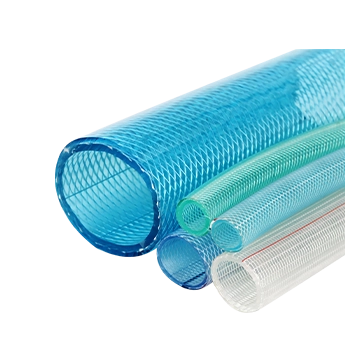
High-Quality Flexible PVC Clear Hose from China: Compatibility, Sizing and Documentation FAQNewsOct.28,2026
-
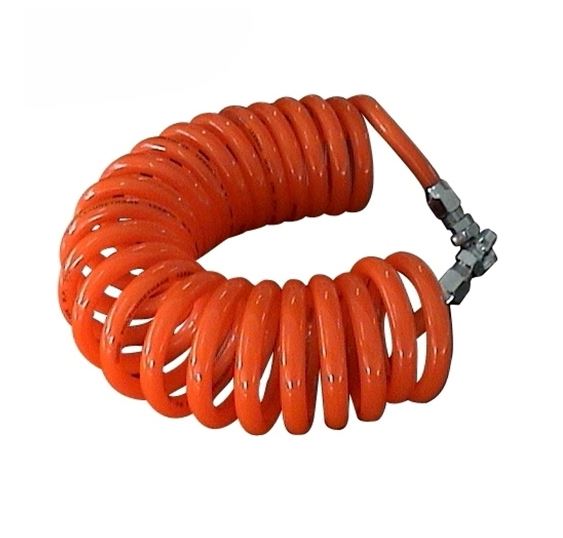
Choosing PU Anti-Sprial Hose: Medium, Dimensions and Operating ConditionsNewsOct.24,2026
-
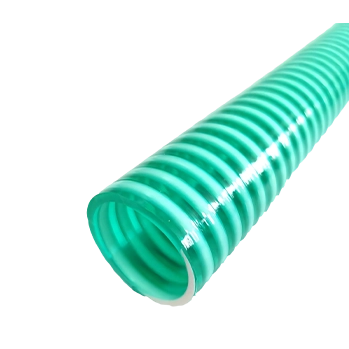
Choosing Plastic PVC Water Pump Suction Hose from a Cost-Effective PVC Water Hose Supplier: Medium, Dimensions and Operating ConditionsNewsOct.24,2026
-
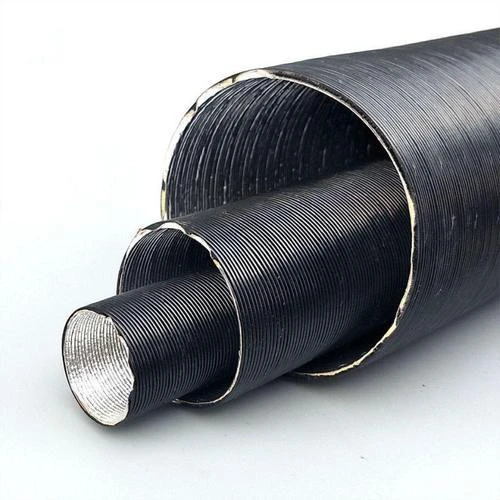
Choosing ALUMINUM FOIL VENTILATION DUCT: Application Fit and Specification ChecksNewsOct.24,2026
 Afrikaans
 Albanian
 Arabic
 Azerbaijani
 Belarusian
 Bengali
 Bulgarian
 Czech
 Danish
 Dutch
 Finnish
 French
 German
 Greek
 Hebrew
 Hindi
 Hungarian
 Indonesian
 Irish
 Italian
 Japanese
 Kazakh
 Korean
 Kyrgyz
 Lao
 Latin
 Lithuanian
 Luxembourgish
 Malay
 Mongolian
 Myanmar
 Nepali
 Norwegian
 Persian
 Polish
 Portuguese
 Russian
 Serbian
 Slovak
 Spanish
 Swedish
 Tagalog
 Thai
 Turkish
 Ukrainian
 Uighur
 Uzbek
 Vietnamese
 Welsh
 English