High-Quality Duct Hose for Industrial and Humanitarian Use | KeBing Hose
The Essential Role of Duct Hose in Modern Industry and Beyond
When you think about the pipes and hoses that quietly keep our factories humming, hospitals ventilated, and disaster relief efforts running, duct hose might not be the first thing that springs to mind. But these flexible conduits, designed to transport air, gases, dust, or fluids, are quietly transformative—and globally vital. Understanding these hoses isn't just for engineers or logistics pros; it’s about grasping how infrastructure, safety, and efficiency come together in places we often overlook. From manufacturing hubs in Asia to emergency response units in Africa, the humble duct hose plays a role that’s deceptively big.
At a time when industries must adapt to stricter environmental standards and humanitarian agencies race against the clock to provide aid, knowing the ins and outs of duct hose technology can make all the difference. So, why does this matter globally? Well, it's partly about sustainability, partly about safety, and partly about innovation—plus the simple fact that behind every air duct or fluid transfer lies a network that keeps the world turning.
Global Perspectives: Why Duct Hose Matters Across Continents
Though it may sound niche, duct hose represents a small yet critical piece in a sprawling global puzzle. According to the ISO (International Organization for Standardization), industrial air ventilation and dust control systems must meet rigorous standards to reduce workplace hazards and pollution (ISO 13363-1:2012). Duct hoses form a big part of that compliance puzzle, especially in factories facing emissions restrictions.
In real terms, the World Bank estimates industrial-related respiratory risks have been a cause for concern in many developing regions, where affordable and reliable duct hose solutions can vastly improve working conditions. On the flip side, in disaster-prone zones, lightweight and durable duct hoses enable quick setups of temporary medical and shelter ventilation systems, ensuring critical air supply when permanency isn’t immediate. Yet, challenges like durability under high stress, cost efficiency, and customization options remain a hurdle for wide adoption.
What Exactly Is a Duct Hose?
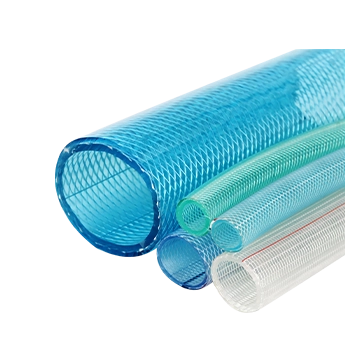
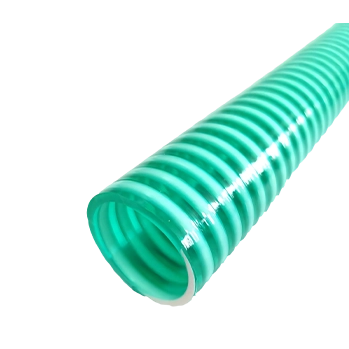
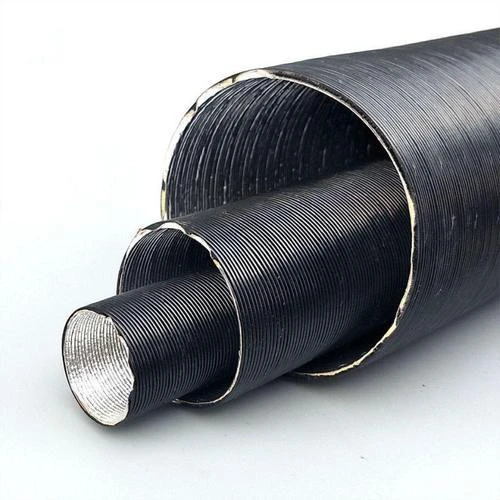
Simply put, a duct hose is a flexible tube used to transport air, gases, or sometimes liquids, typically in ventilation, exhaust, and dust extraction applications. Unlike rigid ducts, these hoses bend and twist easily, making them invaluable for connecting equipment that might vibrate or move, or for installations in tight spaces. You see them across factories, automotive workshops, HVAC setups, and even in large-scale humanitarian deployments.
They’re a perfect blend of materials—often synthetic fabrics layered with PVC or rubber, sometimes reinforced with wire spirals or coils for strength. This combination allows them to withstand pressure changes, temperature variations, and rough handling without failing prematurely. That resilience is why industries rely on them to keep operations safe and efficient.
Durability: Built to Last Where It Counts
One of the top criteria engineers swear by when selecting duct hoses is durability. Industrial environments can be unforgiving, with exposure to chemicals, heat, and abrasion. Durable hoses reduce downtime and replacement costs. Many manufacturers now offer hoses that resist UV rays and even flame retardant versions, necessary in steel factories or petrochemical plants.
Flexibility & Scalability: Adapting to Complex Layouts
A duct hose isn’t just pipe replacement; it’s a flexible solution that fits variable installation needs. You might find them snaking unexpectedly along a factory floor, or deployed in disaster tents with modular ventilation. Their ability to scale—from small diameters for lab equipment to giant tubes in mining operations—means they’re used across sectors.
Cost Efficiency: Balancing Quality and Budget
Companies often juggle cost and performance. While premium hoses offer better durability, mid-range options remain very effective for short-term or less demanding uses. What many forget is that investing upfront for a quality duct hose can avoid costly production halts later.
Ease of Maintenance & Replacement
Maintenance isn’t glamorous, but nobody doubts its value. Hoses designed for quick disconnection or cleaning save hours per month in upkeep. Since dusty or contaminated air can clog ducts, choosing hose materials that repel buildup or allow easy cleaning is often a game changer.
Typical Specifications: A Quick Look
| Specification | Standard Range |
|---|---|
| Diameter | 50 mm to 1000 mm |
| Temperature Resist. | -40°C to +120°C (varies by material) |
| Pressure Tolerance | Vacuum to 3 bar (positive pressure) |
| Material | PVC, Rubber, Fabric Reinforced |
| Length | Custom up to 50 m sections |
Global Applications and Real-World Use Cases
The uses for duct hose are surprisingly broad. Mining operations in South America rely heavily on flexible duct hoses to ventilate underground tunnels. Without these hoses, miners would face unacceptable health risks from dust and toxic gases.
Meanwhile, in Southeast Asia’s booming manufacturing zones, duct hoses connect heavy machinery to dust extraction units, keeping air quality compliant with ISO health standards. Oddly enough, in cold regions like Scandinavia, heated duct hoses prevent condensation and freezing, showcasing how regional climate dictates design.
On the humanitarian front, post-disaster relief operations across the Caribbean have utilized portable ventilation systems connected by duct hoses to ensure shelter tent air quality, preventing respiratory issues in crowded temporary housing.
Vendor Comparison: Picking the Right Supplier
| Vendor | Material Range | Customization | Lead Time | Price Level |
|---|---|---|---|---|
| KeBing Hose | PVC, Rubber, Fabric Reinforced | Fully Customizable | 2-3 weeks | Competitive |
| Global Industrial Supplies | PVC, Polyurethane | Limited Options | 1-2 weeks | Moderate |
| AirFlex Tech | Rubber, Silicone | High Flexibility | 3-4 weeks | Premium |
Advantages and Lasting Benefits of Duct Hose
Frankly, there’s something reassuring about a piece of gear that doesn’t fail when it’s needed most. With duct hoses, you get precisely that: cost-effective reliability. Good hoses reduce leaks, avoid contamination, and keep machinery running, which means less waste and lower operational risks. It’s not just about economics but also trust — the kind you build when workers know that safety equipment won’t give way unexpectedly.
Plus, greener versions are hitting the market, utilizing recyclable materials or low-VOC compounds. For industries trying to shrink their carbon footprint, switching to eco-conscious duct hoses is becoming an easy win. And on a more human note, in shelters or hospitals, clean air delivered by these hoses saves lives—simple as that.
Emerging Trends and The Future of Duct Hose Technology
Where is the industry headed? Well, IoT-enabled smart ducts that monitor airflow and detect wear could be a game-changer. Imagine getting alerts before a hose fails. On materials, biodegradable and heat-resistant composites are in development, aiming to combine durability with sustainability — a rare duo. Also, 3D printing custom hose components for quick replacement parts is an exciting frontier.
Regulatory changes worldwide increasingly focus on workplace safety and environment. This pushes manufacturers to innovate faster, so expect stricter standards and more robust certifications popping up soon.
Challenges Faced and How the Industry Is Responding
Every tech has its weak points. For duct hoses, common issues include degradation from UV exposure, chemical damage, or physical abrasion, especially in harsh environments. Some hoses don’t play well with certain fluids or temperatures, leading to premature failure.
Innovative coatings and hybrid material blends are addressing these issues. For example, layering conductive fabrics to prevent static buildup or integrating flame-retardant properties for safety near flammable materials. Experienced suppliers like KeBing Hose offer tailored solutions with guarantees — which really can make the difference rather than a “one size fits all” approach.
FAQ: Your Common Questions About Duct Hose
- Q: What makes a duct hose different from regular flexible hoses?
A: Duct hoses are specifically designed for air, gas, or dust transport with flexibility and pressure tolerance in mind. They often have reinforcement and materials suited to resist abrasion and chemicals common in industrial ventilation, unlike standard garden or water hoses. - Q: How long can I expect a duct hose to last in a high-usage factory environment?
A: Lifespan varies but generally falls between 3–5 years with proper maintenance. Choosing hoses with UV and chemical resistance greatly extends life, and regular inspection helps catch wear early. - Q: Can duct hoses be customized for unusual sizes or applications?
A: Absolutely. Many manufacturers offer custom diameters, lengths, and material blends to suit unique pressures, temperatures, or chemical exposures. This customization often avoids costly adapters or inefficient setups. - Q: Are eco-friendly duct hoses really effective?
A: Yes—many new hoses use recycled materials or less-toxic chemicals without compromising strength or flexibility. Plus, some are designed for easy recycling at end-of-life. - Q: How do I import duct hoses internationally for a humanitarian project?
A: It’s best to partner with reliable suppliers who handle export documentation and comply with international shipping regulations. Vendors like KeBing Hose provide global shipping and customized support to ease logistics.
Wrapping It Up: Why Investing in High-Quality Duct Hose Pays Off
So, here’s the short version: duct hose might not be flashy, but it’s foundational. The right hose improves safety, cuts costs, and supports a sustainable future. If you’re in an industry where air quality, dust control, or fluid transport matters, quality flexible duct hoses should be on your radar — and sourcing from trusted specialists makes all the difference.
If you want to learn more or explore options, visit KeBing Hose for a range of industry-grade duct hoses tailored to your needs.
Mini takeaway: Don’t overlook duct hoses—these unsung heroes often determine whether projects run smoothly or stall. A little upfront thought on materials and vendors could save you a lot of headaches downstream.
References
-
How to Choose Fuel Oil Hose SAE J30 R6 for Size and Service ConditionsNewsNov.11,2026
-
Flexible High Pressure Top Quality PU Pneumatic Tube Air Hose: Comparing Two PU Tube OptionsNewsNov.03,2026
-
High-Quality Flexible PVC Clear Hose from China: Compatibility, Sizing and Documentation FAQNewsOct.28,2026
-
Choosing PU Anti-Sprial Hose: Medium, Dimensions and Operating ConditionsNewsOct.24,2026
-
Choosing Plastic PVC Water Pump Suction Hose from a Cost-Effective PVC Water Hose Supplier: Medium, Dimensions and Operating ConditionsNewsOct.24,2026
-
Choosing ALUMINUM FOIL VENTILATION DUCT: Application Fit and Specification ChecksNewsOct.24,2026
 Afrikaans
 Albanian
 Arabic
 Azerbaijani
 Belarusian
 Bengali
 Bulgarian
 Czech
 Danish
 Dutch
 Finnish
 French
 German
 Greek
 Hebrew
 Hindi
 Hungarian
 Indonesian
 Irish
 Italian
 Japanese
 Kazakh
 Korean
 Kyrgyz
 Lao
 Latin
 Lithuanian
 Luxembourgish
 Malay
 Mongolian
 Myanmar
 Nepali
 Norwegian
 Persian
 Polish
 Portuguese
 Russian
 Serbian
 Slovak
 Spanish
 Swedish
 Tagalog
 Thai
 Turkish
 Ukrainian
 Uighur
 Uzbek
 Vietnamese
 Welsh
 English