High-Quality PU Air Hose for Industrial Applications | Durability & Flexibility
Understanding PU Air Hose: Why It Matters More Than You Think
At first glance, a PU air hose might seem like just another industrial accessory—something tucked away on job sites or in factories without much fuss. But, oddly enough, the humble polyurethane (PU) air hose plays a surprisingly pivotal role in industries worldwide, from construction and manufacturing to humanitarian relief and clean energy projects.
Why should we pay attention to such a seemingly niche product? Because in a world grappling with efficiency, safety, and sustainability, the PU air hose offers a blend of durability, flexibility, and eco-friendliness that’s hard to beat. Understanding its benefits and applications can shine a light on improvements in operational reliability and the reduction of downtime, which are critical to global industries and even emergency responses.
The Global Context: PU Air Hose and Its Growing Importance
Globally, the demand for flexible and reliable pneumatic systems has soared alongside industrial expansion. According to ISO standards on pneumatic hoses, polyurethane variants have gained traction due to their superior resistance to wear and tear. The United Nations Industrial Development Organization (UNIDO) reports that pneumatic tools and related accessories like pu air hose contribute to improved productivity, notably in emerging economies.
However, industries face challenges like hose degradation under harsh conditions and environmental concerns related to plastic waste. PU air hoses address many such issues with their robustness and longevity, proving to be a more sustainable choice compared to traditional rubber hoses.
Mini takeaway: With increasing global industrial output, PU air hoses are not just a convenience, but a necessity to ensure resilience and sustainability in pneumatic operations worldwide.
What Exactly Is a PU Air Hose?
Simply put, a PU air hose is a flexible piping made from polyurethane, designed to transport compressed air or inert gases in various industrial and commercial applications. Unlike rubber or PVC hoses, PU hoses boast a unique combination of elasticity and toughness.
Think of them as the arteries pumping life (air!) into pneumatic tools, machinery, and even medical devices. Their adaptability makes them ideal when flexibility combined with durability is a must—like in remote mining operations or fast-paced automotive assembly lines.
Key Features That Make PU Air Hoses Stand Out
1. Durability and Abrasion Resistance
One of the standout attributes is their exceptional resistance to abrasion and cuts. Polyurethane’s molecular structure means it doesn’t easily crack or degrade when dragged across rough surfaces, unlike traditional rubber hoses. This saves industries from constant replacements, reducing both costs and waste.
2. Flexibility and Lightweight Design
Unlike heavier, stiffer hoses, PU air hoses are lightweight and remain supple even in cold temperatures. This flexibility improves maneuverability and operator safety while reducing fatigue on busy job sites.
3. Chemical and Oil Resistance
In environments where exposure to oils, fuels, or certain solvents is common, PU hoses resist degradation better than rubber counterparts. This extends their service life and reliability.
4. Transparency and Color Options
Some variants offer clear or colored polyurethane tubes allowing operators to visually inspect air flow or detect blockages easily—a handy feature in quality control or safety monitoring.
5. Environmental Friendliness
PU hoses generally have a smaller environmental footprint over their lifecycle due to longevity and recyclability, aligning with global sustainability drives.
Mini takeaway:
- PU air hoses balance the best of toughness and flexibility, cutting down downtime.
- They offer increased safety and lower maintenance costs thanks to chemical resistance and durability.
How PU Air Hoses Are Used Around the World
From sprawling industrial plants in Germany to the rugged construction sites of Australia, PU air hoses form part of the pneumatic backbone. Here’s how:
- Construction & Manufacturing: Providing compressed air to pneumatic tools, increasing precision and efficiency.
- Automotive Assembly: Lightweight hoses improve operator comfort during complex assembly tasks.
- Food & Beverage Industry: Non-toxic PU hoses deliver air in processing plants without contamination risk.
- Disaster Relief Operations: Rapidly deployed inflatable shelters and equipment use PU hoses for inflation due to durability in harsh environments.
- Remote Mining Zones: Their abrasion resistance and flexibility make them ideal where equipment moves over uneven terrain frequently.
Regions benefiting the most tend to be those with either advanced industry or dynamic operational challenges where reliability is non-negotiable.
Advantages and Long-Term Value of Choosing PU Air Hoses
In real terms, many engineers say investing in PU air hoses upfront mitigates the headache of frequent replacements and unexpected downtime. Here’s why:
- Cost-Efficiency: Their durability means less frequent buying or repairs.
- Safety: Enhanced flexibility reduces tripping hazards and operator fatigue.
- Sustainability: Extended service life cuts down material waste.
- Trust: Proven reliability makes PU hoses preferred in critical situations.
- Innovation: Modern PU hoses integrate visual diagnostics through transparent walls.
There’s also a social impact angle here: in disaster zones, for example, supplying survivors with rapidly deployable equipment using PU hoses preserves dignity and safety under tough conditions.
Innovations and Future Trends Related to PU Air Hose
Looking ahead, several trends are shaping the future of PU air hoses:
- Smart Sensors: Embedding IoT sensors that track hose pressure and wear to predict maintenance needs.
- Eco-Friendly Materials: Developing bio-based polyurethanes to lower carbon footprint further.
- Enhanced Microbial Resistance: For applications in food and pharmaceuticals.
- Automation Compatibility: New designs aimed at robotic arms and automated assembly lines.
It's quite exciting. We may soon see air hoses that communicate their status before they fail — saving considerable downtime.
Common Challenges and How They’re Addressed
Despite many perks, PU air hoses do face some common challenges like:
- Cost Compared to Rubber: PU hoses often have a higher upfront cost, but this is balanced by longevity.
- UV Sensitivity: Some variants degrade under prolonged sun exposure, though UV-resistant treatments are emerging.
- Fittings Compatibility: Ensuring connectors match PU hose flexibility can be tricky; customized fittings help.
Experts suggest selecting the right hose grade for your specific environment and combining it with routine inspections to maximize lifespan.
PU Air Hose Specifications at a Glance
| Specification | Typical Value | Notes |
|---|---|---|
| Material | Polyurethane (Thermoplastic) | Highly abrasion resistant |
| Inner Diameter Range | 4 mm to 25 mm | Varies by application |
| Operating Pressure | Up to 12 bar (175 psi) | Depends on hose thickness |
| Temperature Range | -40°C to +80°C (-40°F to +176°F) | Flexible in cold environments |
| Weight | ~0.05 kg/m | Easier handling than rubber |
Vendor Comparison: Choosing the Right PU Air Hose Supplier
| Supplier | Price per Meter (USD) | Material Grade | Lead Time | Customization Options |
|---|---|---|---|---|
| Kebing Hose Co. | $3.50 | TPU Bio-grade Available | 7-10 Days | Yes – Colors, Lengths, Fittings |
| AirFlex Ltd. | $3.20 | Standard TPU | 5-7 Days | Limited |
| PolyFlow Inc. | $3.80 | High-Temperature TPU | 14 Days | Yes – Specialty Grades |
FAQ: Practical Questions About PU Air Hose
1. What makes PU air hoses better than traditional rubber hoses?
PU air hoses outperform rubber hoses due to superior abrasion resistance, flexibility in a wider temperature range, and enhanced resistance to oils and chemicals. This results in longer service life, less frequent replacements, and increased operational safety.
2. How long does a typical PU air hose last under regular industrial use?
On average, a quality PU air hose can last 3 to 5 years or more, depending on the working environment and maintenance practices. Their robustness against cuts and wear plays a major role in this longevity.
3. Are PU air hoses suitable for outdoor applications?
Yes, PU hoses are generally suitable for outdoor use but can be sensitive to prolonged UV exposure. Many suppliers offer UV-resistant variants or recommend protective sleeves for extended sunlight exposure.
4. Can I customize the length or fittings of a PU air hose?
Absolutely. Most manufacturers provide options to customize length, diameter, color, and fittings to suit specific project requirements, including fast turnaround times depending on supplier capability.
5. How environmentally friendly are PU air hoses compared to other types?
While made from plastics, PU hoses often have a longer lifespan than alternatives, reducing waste. Some newer bio-based polyurethane materials further lower their carbon footprint, aligning with global sustainability efforts.
Wrapping It Up: PU Air Hose Is More Than Just a Hose
So, there’s more to a pu air hose than meets the eye. Its mix of durability, adaptability, and innovation makes it a quiet hero in industries ranging from heavy manufacturing to emergency relief. Investing in quality and understanding the nuances pays off both financially and in safety. Frankly, if you rely on compressed air for your operations, a good PU air hose isn’t just an accessory — it's peace of mind.
Thinking it through? I’d recommend checking out your options at Kebing Hose — where quality meets customization and sustainability.
References & Further Reading:
-
How to Choose Fuel Oil Hose SAE J30 R6 for Size and Service ConditionsNewsNov.11,2026
-
Flexible High Pressure Top Quality PU Pneumatic Tube Air Hose: Comparing Two PU Tube OptionsNewsNov.03,2026
-
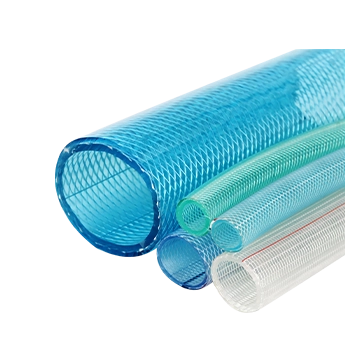
High-Quality Flexible PVC Clear Hose from China: Compatibility, Sizing and Documentation FAQNewsOct.28,2026
-
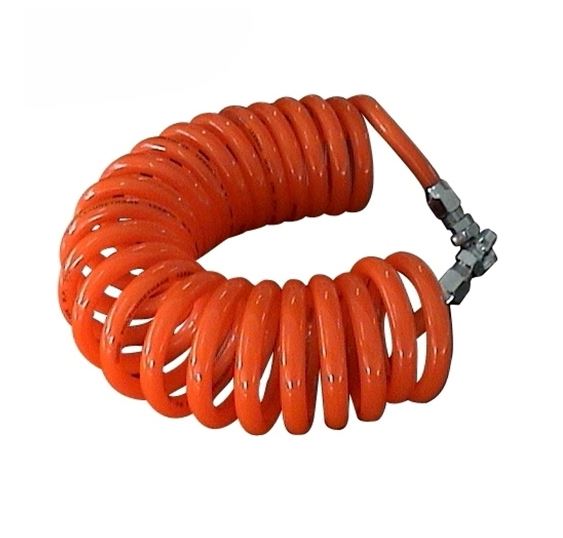
Choosing PU Anti-Sprial Hose: Medium, Dimensions and Operating ConditionsNewsOct.24,2026
-
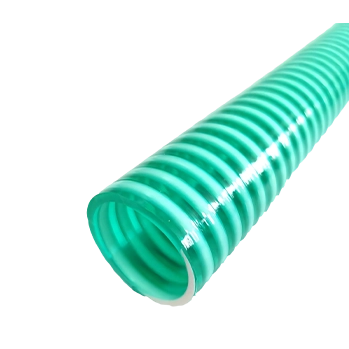
Choosing Plastic PVC Water Pump Suction Hose from a Cost-Effective PVC Water Hose Supplier: Medium, Dimensions and Operating ConditionsNewsOct.24,2026
-
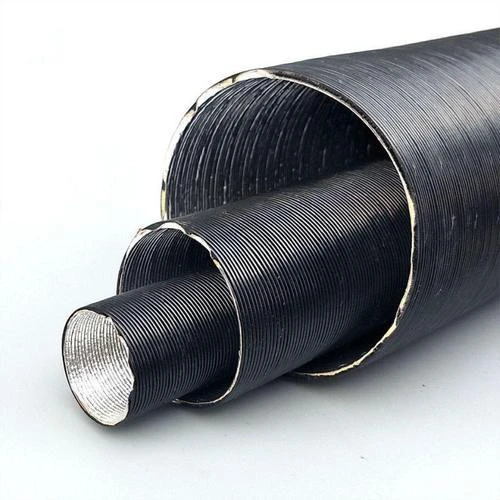
Choosing ALUMINUM FOIL VENTILATION DUCT: Application Fit and Specification ChecksNewsOct.24,2026
 Afrikaans
 Albanian
 Arabic
 Azerbaijani
 Belarusian
 Bengali
 Bulgarian
 Czech
 Danish
 Dutch
 Finnish
 French
 German
 Greek
 Hebrew
 Hindi
 Hungarian
 Indonesian
 Irish
 Italian
 Japanese
 Kazakh
 Korean
 Kyrgyz
 Lao
 Latin
 Lithuanian
 Luxembourgish
 Malay
 Mongolian
 Myanmar
 Nepali
 Norwegian
 Persian
 Polish
 Portuguese
 Russian
 Serbian
 Slovak
 Spanish
 Swedish
 Tagalog
 Thai
 Turkish
 Ukrainian
 Uighur
 Uzbek
 Vietnamese
 Welsh
 English