News
-
 When undertaking welding projects involving oxy-acetylene, the safety and efficiency of your equipment are paramount. A high-quality oxy acetylene welding hose is not merely an accessory, but a critical component ensuring a secure and smooth workflow. This guide will delve into the features, applications, and selection criteria for these essential hoses, helping you make an informed decision. Understanding the nuances of these hoses can prevent costly errors and ensure a safe working environment. Selecting the correct hose will optimize your welding performance and protect against potential hazards. Oxy-acetylene hoses are specifically designed to handle the high pressures and unique demands of this welding process. They differ significantly from standard industrial hoses. Typically, they're constructed with multiple layers, including an inner tube resistant to acetylene and oxygen, a reinforcement layer for strength, and an outer cover for protection against abrasion, oil, and weather. The inner layers are crucial to prevent gas permeation and maintain the purity of the gases.Read more
-
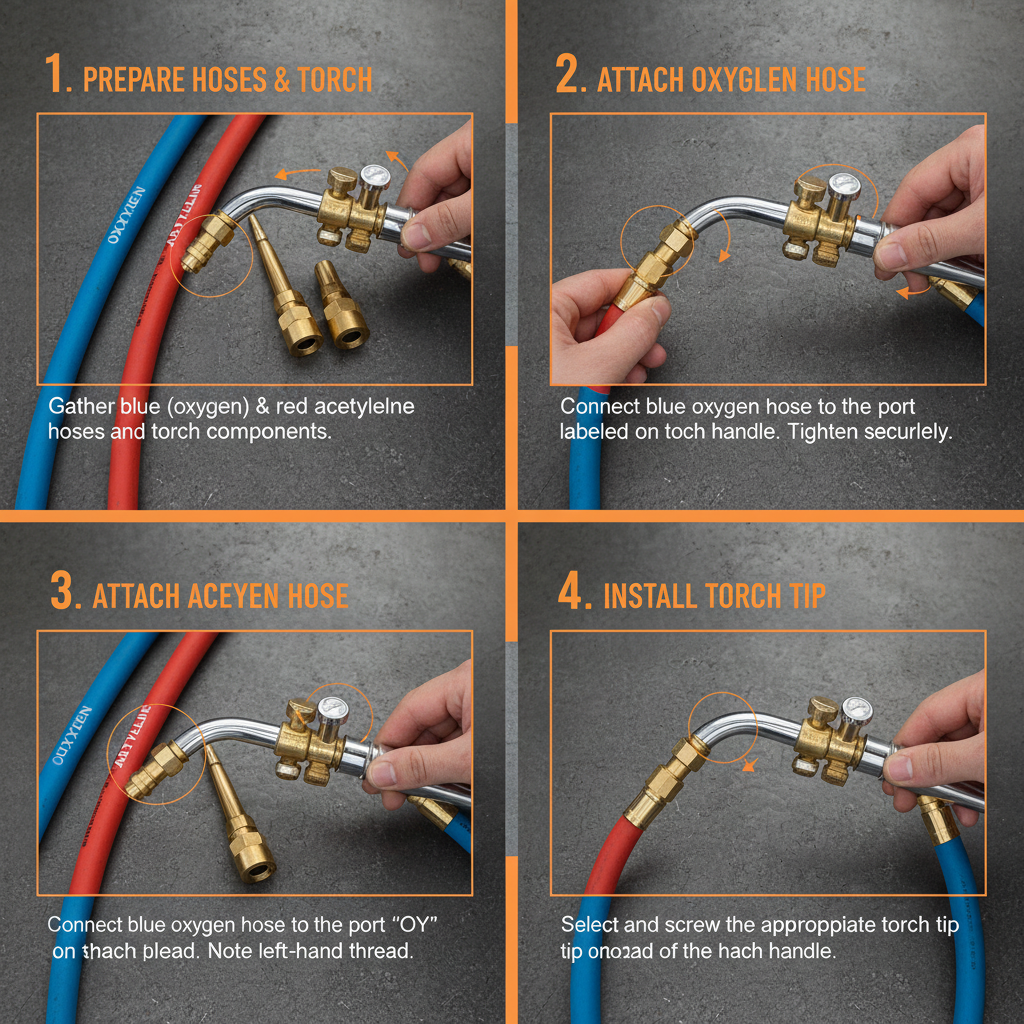 When working with oxygen and acetylene, safety is paramount. The right hose oxygen acetylene is crucial for preventing accidents and ensuring efficient operations. This article provides a detailed overview of selecting the appropriate hose, its applications, safety considerations, and where to find high-quality options like those offered by Kebing Hose. Proper hose selection is not just about compatibility with your equipment; it’s about protecting yourself and your workspace. Hose oxygen acetylene are specifically designed to handle the high pressures and unique requirements of oxy-fuel gas welding, cutting, and heating. Unlike standard hoses, these are built with materials that won't react with oxygen or acetylene, preventing leaks and potential explosions. The construction of the hose – inner tube, reinforcement layers, and outer cover – plays a vital role in its safety and performance. Choosing the right hose type based on the application is essential, considering factors like gas pressure, temperature, and potential hazards. Kebing Hose provides a wide range of options tailored to various needs.Read more
-
 When undertaking welding or cutting operations, the safety and reliability of your gas supply are paramount. A compromised hose can lead to dangerous leaks, impacting both your work quality and, more importantly, your safety. This is where a high-quality braided oxygen acetylene gas twin line rubber welding hose becomes essential. At Kebing Hose, we specialize in manufacturing robust and dependable hoses designed to withstand the demanding conditions of professional welding. This article delves into the key features, benefits, applications, and considerations when selecting the right welding hose for your needs. Braided oxygen acetylene hoses are engineered for superior performance and safety. The braided reinforcement – typically made of high-tensile strength fibers – provides exceptional resistance to kinking, crushing, and abrasion. This is vital in busy work environments where hoses are constantly subjected to physical stress. The rubber inner lining is specifically formulated to be compatible with both oxygen and acetylene, preventing degradation and ensuring a leak-proof seal. A twin-line design, with separate channels for each gas, further enhances safety by eliminating the risk of cross-contamination.Read more
-
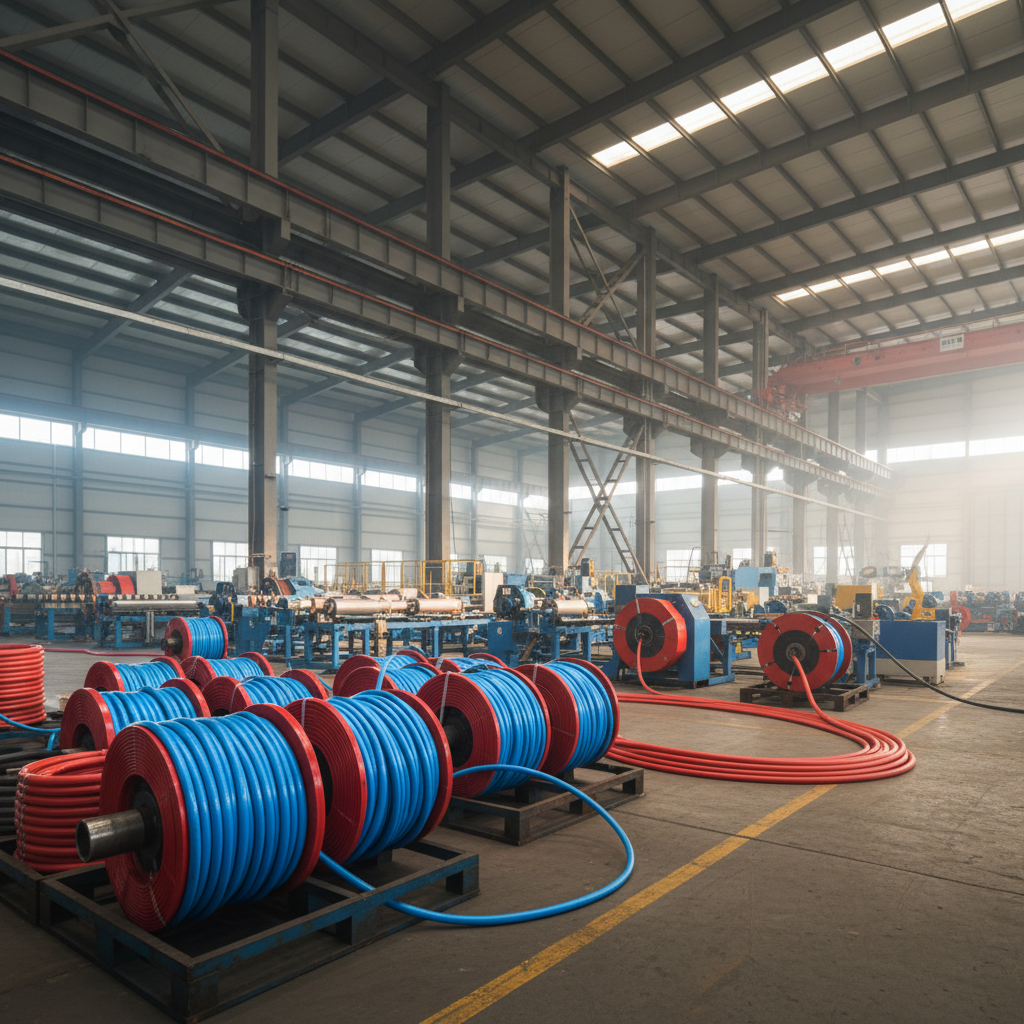 When working with oxygen and acetylene, safety and reliability are paramount. The correct oxygen and acetylene hoses are crucial for ensuring a secure and efficient operation. These specialized hoses are designed to withstand the high pressures and unique properties of these gases. This article will provide a comprehensive guide to understanding, selecting, and maintaining the right hoses for your specific applications. We will delve into the materials, construction, safety features, and common uses of these vital components. Oxygen and acetylene hoses are not interchangeable with standard industrial hoses. They are specifically engineered with layers of reinforcement to handle the high pressures involved in gas delivery. Acetylene hoses require a special liner that is impervious to acetylene, preventing it from permeating the hose wall. Oxygen hoses must be oil-free to prevent spontaneous combustion. The typical construction includes an inner tube, reinforcement layers (often braided textile or steel wire), and an outer cover. The inner tube material varies depending on the gas it will carry. Key Considerations: Oxygen and acetylene hoses are designed to withstand the unique properties of these gases, ensuring safe and efficient operation.Read more
-
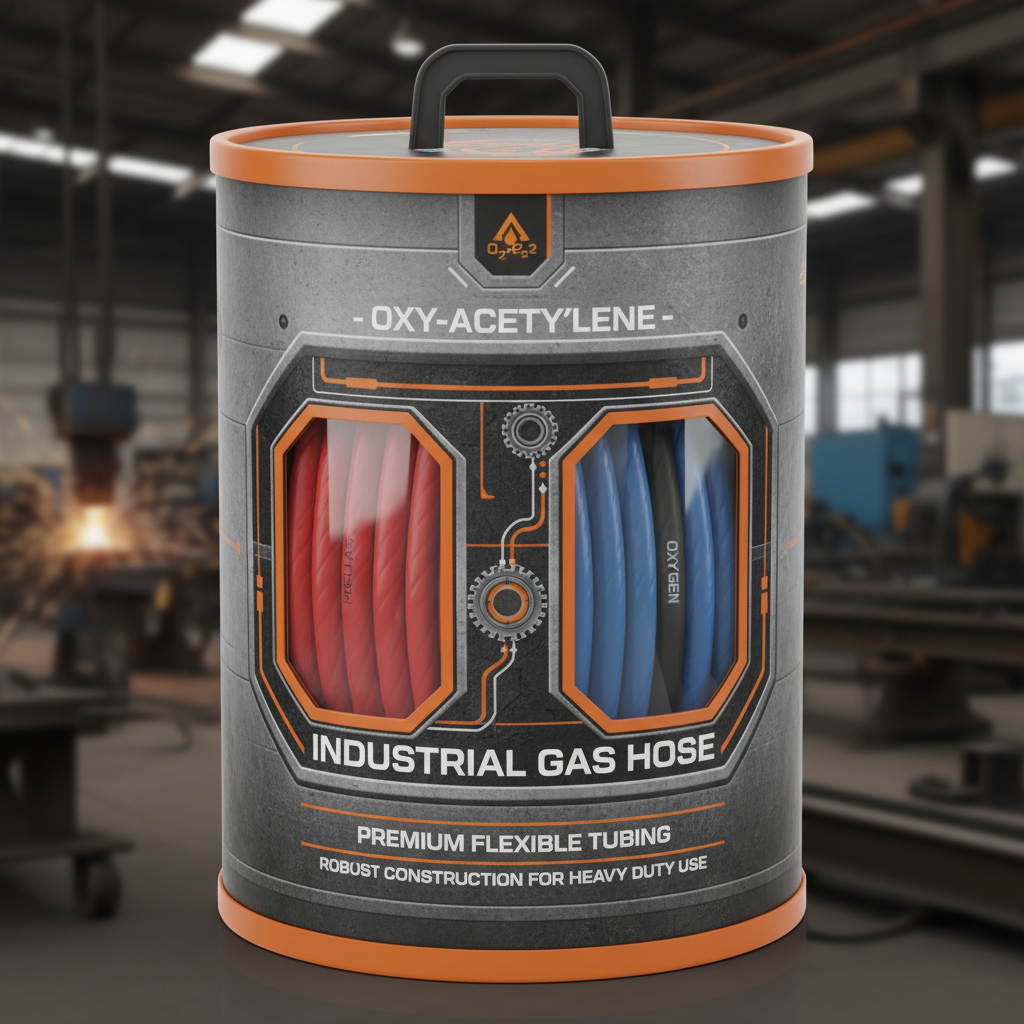 When working with oxy-acetylene, safety and reliability are paramount. The oxy acetylene hose is a critical component, responsible for delivering fuel gases safely and efficiently. Selecting the right hose is vital for preventing accidents and ensuring optimal performance. This article explores the key considerations when choosing an oxy acetylene hose, covering materials, pressure ratings, and essential safety features. Understanding these factors will empower you to make an informed decision and prioritize safety in your work. Oxy acetylene hoses aren’t one-size-fits-all. They are typically constructed with an inner tube, reinforcement layers, and an outer cover. The inner tube material is crucial; it needs to be compatible with both oxygen and acetylene to prevent degradation and leaks. Common materials include synthetic rubber blends specifically formulated for these gases. Reinforcement layers, often braided textiles or steel wire, provide strength and prevent kinking or bursting under pressure. The outer cover protects the hose from abrasion, weather, and other environmental factors. Choosing a hose with a durable outer cover significantly extends its lifespan.Read more
-
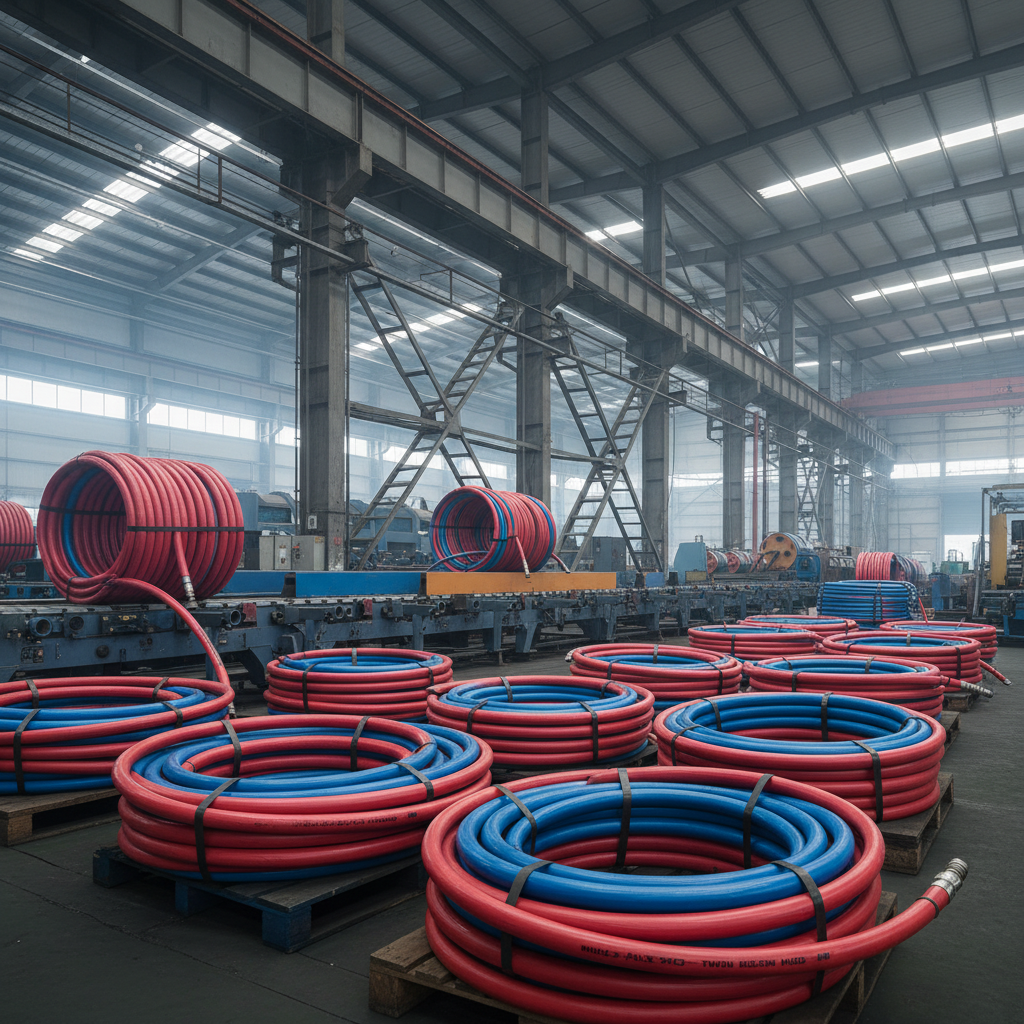 In the demanding world of welding, the right equipment is crucial for safety, efficiency, and quality. Among the essential components, the twin welding hose plays a vital role in delivering gases precisely where they need to be. This article will delve into the features, applications, and benefits of twin welding hoses, providing a thorough understanding for welders, fabricators, and anyone involved in welding operations. Choosing the right hose can significantly impact weld quality and worker safety. A twin welding hose, as the name suggests, consists of two hoses joined together, typically encased in a protective outer sleeve. One hose delivers the shielding gas (like argon, helium, or CO2) to protect the weld pool from atmospheric contamination, while the other carries the fuel gas (like acetylene, propane, or natural gas) to create the flame when used with oxy-fuel welding or cutting. These hoses are specifically engineered to withstand the high pressures, temperatures, and abrasion common in welding environments.Read more
-
When working with Liquefied Petroleum Gas (LPG), ensuring the integrity and safety of your gas hose is paramount. A critical factor often overlooked is the lpg gas hose maximum length. Exceeding this limit can compromise performance and create hazardous situations. This article will delve into the factors influencing maximum hose length, relevant standards, and best practices for safe LPG usage. Choosing the right hose length, coupled with regular inspections, is vital for preventing leaks and ensuring operational efficiency. Kebing Hose provides high-quality LPG hoses designed for safety and reliability. Several factors dictate the permissible length of an LPG gas hose. These include the gas supply pressure, the hose's internal diameter, and the type of LPG appliance it serves. Longer hoses create greater pressure drop due to friction, potentially starving the appliance of gas. The hose material and construction also play a role; higher-quality hoses can withstand higher pressures and maintain consistent gas flow over greater distances. Furthermore, local regulations and industry standards often specify maximum hose lengths for various applications. Selecting a hose with the appropriate specifications is key to safe and efficient operation.Read more
-
LPG (Liquefied Petroleum Gas) vapor hoses are crucial components in a variety of applications, from industrial processes to recreational vehicles. Ensuring you select the right hose for your needs is paramount for safety and efficiency. This article will provide a detailed overview of LPG vapor hoses, covering their construction, applications, safety considerations, and how to choose the best option from Kebing Hose. Proper hose selection and maintenance are vital to prevent leaks and ensure safe operation. An LPG vapor hose is specifically designed to safely convey gaseous LPG at low pressures. Unlike liquid LPG hoses, vapor hoses are engineered to handle the expanded gaseous state of the fuel. They consist of an inner tube, reinforcement layers, and an outer cover, all constructed from materials compatible with LPG and resistant to permeation. The key feature is their ability to withstand the pressures associated with vapor transfer without leaks or degradation. Using a hose specifically rated for vapor, rather than liquid, is absolutely essential for safety. Kebing Hose offers a range of LPG vapor hoses designed for various applications and pressure requirements.Read more
-
When working with Liquefied Petroleum Gas (LPG), safety and reliability are paramount. A high-quality LPG hose with regulator is crucial for ensuring efficient and safe gas delivery. This article will provide a detailed overview of LPG hoses with regulators, their applications, key features, and factors to consider when choosing the right one for your needs. We will explore the importance of selecting a hose that meets industry standards and provides long-lasting performance. An LPG hose with regulator is comprised of two essential components: the hose itself and the regulator. The hose is designed to safely transport LPG from the gas source to the appliance. It is typically made from a rubber or thermoplastic material reinforced with textile or wire braiding for strength and flexibility. The regulator, on the other hand, reduces the high pressure of the LPG in the cylinder to a lower, safer, and usable pressure for the appliance.Read more
 English
 Afrikaans
 Albanian
 Arabic
 Azerbaijani
 Belarusian
 Bengali
 Bulgarian
 Czech
 Danish
 Dutch
 Finnish
 French
 German
 Greek
 Hebrew
 Hindi
 Hungarian
 Indonesian
 Irish
 Italian
 Japanese
 Kazakh
 Korean
 Kyrgyz
 Lao
 Latin
 Lithuanian
 Luxembourgish
 Malay
 Mongolian
 Myanmar
 Nepali
 Norwegian
 Persian
 Polish
 Portuguese
 Russian
 Serbian
 Slovak
 Spanish
 Swedish
 Tagalog
 Thai
 Turkish
 Ukrainian
 Uighur
 Uzbek
 Vietnamese
 Welsh