


News
-
When dealing with Liquefied Petroleum Gas (LPG), safety is paramount. A crucial component in any LPG system is the high pressure lpg gas hose, responsible for safely transporting gas between different components. This article provides a detailed overview of these hoses, covering their construction, applications, safety considerations, and why choosing a reputable supplier like Kebing Hose is essential. Ensuring you have the right hose can prevent leaks, fires, and other hazardous situations. A high pressure lpg gas hose is specifically engineered to withstand the pressures associated with LPG systems. Unlike standard hoses, these are reinforced with multiple layers of high-strength materials, typically including synthetic rubber and braided textiles or steel wire. This construction prevents bursting, leaks, and kinking, even under demanding conditions. These hoses are designed for both indoor and outdoor use, and are typically resistant to weathering, abrasion, and exposure to LPG itself. The hose must be compatible with the specific LPG composition used in the application. High pressure LPG gas hoses are used in a wide range of applications, including: connecting LPG cylinders to gas stoves and heaters, fueling forklifts and other industrial equipment, supplying gas to BBQ grills, and powering mobile LPG generators.Read more
-
When dealing with liquefied petroleum gas (LP gas), safety is paramount. A crucial component of any LP gas system is the high pressure LP gas hose, responsible for safely transferring gas between various connections. This article provides a detailed overview of high-pressure LP gas hoses, covering their applications, construction, safety considerations, and selecting the right hose for your needs. Understanding these details will ensure a safe and efficient LP gas system. A high-pressure LP gas hose is specifically designed to withstand the higher pressures associated with LP gas systems. Unlike standard hoses used for lower-pressure applications, these hoses are constructed with reinforced materials to prevent bursting or leaking. These hoses are vital in various applications, including connecting propane tanks to grills, heaters, and industrial equipment. They are typically rated for pressures ranging from 200 to 350 PSI, depending on the specific hose and its intended use. High-pressure LP gas hoses find application in a multitude of settings. Common uses include connecting propane tanks to gas grills for outdoor cooking, supplying fuel to propane heaters for space heating, and powering industrial equipment such as forklifts and torches. They are also essential in emergency backup systems utilizing propane generators. Furthermore, they are utilized in agricultural settings for powering irrigation pumps and crop drying systems. The versatility and reliability of these hoses make them indispensable across diverse industries and applications.Read more
-
LPG (Liquefied Petroleum Gas) flexible hose is a critical component in any system involving the transfer of LPG. Its purpose is to safely and efficiently convey gas between fixed installations and various appliances. Choosing the right LPG flexible hose is paramount for safety and performance. This article delves into the various aspects of LPG flexible hose, including its applications, materials, safety standards, and factors to consider when making a purchase. We’ll explore the importance of quality hoses and the benefits of sourcing from reputable suppliers like Kebing Hose. LPG flexible hose finds wide application across both domestic and industrial sectors. Common uses include connecting gas cylinders to barbecues, heaters, and stoves in homes. Industrially, these hoses are used in forklift trucks, agricultural equipment, and various gas-powered machinery.Read more
-
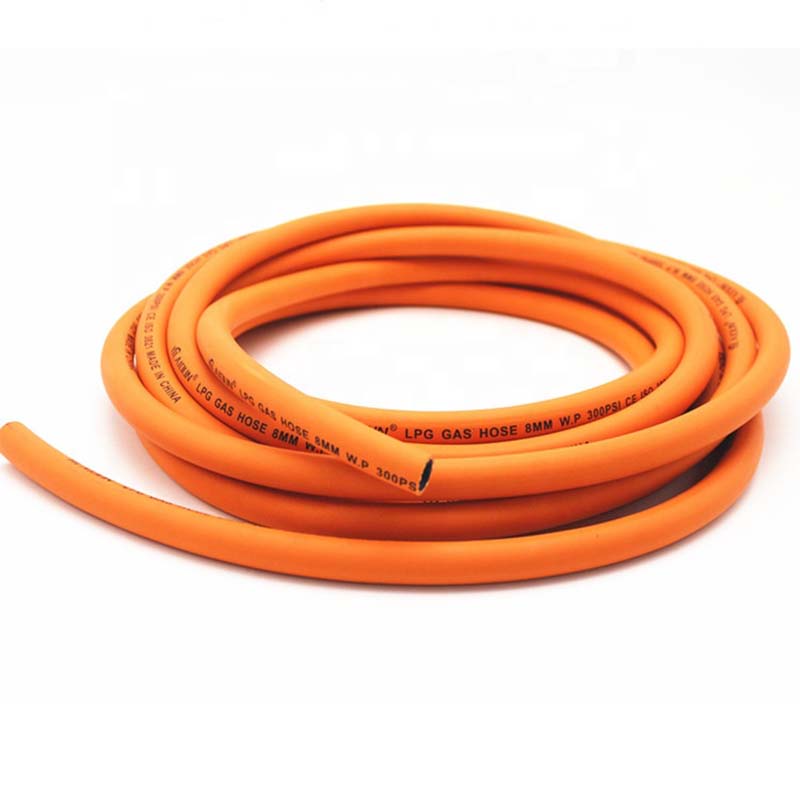 Discover safe & efficient LPG gas hose solutions from Hebei Kebing. Advanced PVC construction with UV resistance, leak-proof design, and regulatory compliance ensure reliable stove connections. Explore technical specs and industrial-grade performance at https://www.kebinghose.comRead more
-
LPG (Liquefied Petroleum Gas) is a versatile fuel source used in numerous applications, from heating and cooking to industrial processes. Ensuring its safe and efficient transfer requires high-quality LPG gas flexible hose. This article provides a detailed overview of LPG hoses, their applications, key considerations when choosing them, and the importance of adhering to safety standards. We’ll explore the various types available, materials used, and how to select the right hose for your specific needs. Proper hose selection is paramount to prevent leaks and ensure the safe operation of LPG systems. An LPG gas flexible hose is specifically designed to safely convey LPG from the supply source (tank or cylinder) to the appliance or equipment. Unlike rigid piping, flexible hoses offer greater maneuverability and adaptability, making them ideal for various applications. Their importance lies in their ability to withstand the high pressures and unique chemical properties of LPG, preventing leaks and ensuring a secure connection. Using a hose specifically designed for LPG is crucial; standard hoses are not rated for this purpose and can pose a significant safety risk.Read more
-
When selecting a hose for demanding applications, durability and reliability are paramount. 2 reinforced hose offers exceptional strength and resistance, making it ideal for various industrial and commercial uses. This article will explore the construction, applications, benefits, and key considerations when choosing a 2 reinforced hose. We will also highlight why Kebing Hose stands out as a trusted provider of high-quality reinforced hoses. The term “2 reinforced” refers to the hose’s construction, specifically the number of reinforcement layers embedded within its walls. These layers, typically made of textile braiding or high-tensile wire, significantly enhance the hose’s ability to withstand high pressure, extreme temperatures, and abrasive materials. Unlike single-layer hoses, 2 reinforced hoses provide a superior level of protection against bursting, kinking, and collapsing. This makes them perfect for applications where reliability is non-negotiable. A standard hose construction typically consists of an inner tube, reinforcement layers, and an outer cover.Read more
-
In a wide array of industrial applications, the reliable transfer of fluids and gases is paramount. Flexible reinforced plastic hose plays a critical role in achieving this, offering a versatile and durable solution. This article provides a comprehensive overview of these hoses, their benefits, applications, and key considerations when choosing the right one for your needs. We'll explore the core features that distinguish quality flexible reinforced plastic hose from standard options, and why choosing the correct hose is essential for operational efficiency and safety. Flexible reinforced plastic hoses are constructed with multiple layers designed to withstand varying pressures, temperatures, and chemical exposure. The inner layer typically comprises a smooth plastic material, offering excellent chemical resistance and facilitating easy fluid flow. This is encased by a reinforcement layer, often a braided textile or a spiral-wound metallic structure, which provides the hose with its strength and ability to handle pressure.Read more
-
Maintaining a thriving garden often relies on a reliable irrigation system. Choosing the right materials for your garden's water lines is crucial for efficiency and longevity. PVC water pipe for garden applications is a popular and cost-effective choice. This article delves into the benefits, types, installation, and considerations when selecting PVC pipe for your garden, providing you with the knowledge to create an optimal watering system. From drip irrigation to sprinkler systems, understanding your options is key to a healthy, beautiful garden. PVC (Polyvinyl Chloride) pipe has become a standard in garden irrigation for several compelling reasons. Its resistance to corrosion, lightweight nature, and affordability make it a practical choice for both DIY enthusiasts and professional landscapers. Unlike metal pipes, PVC won't rust or corrode over time, ensuring a long lifespan and consistent water flow. It’s also easy to cut, join, and install, reducing labor costs and simplifying maintenance.Read more
-
When it comes to safely transferring Liquefied Petroleum Gas (LPG), the quality and reliability of your LPG hose are paramount. A compromised hose can lead to leaks, posing significant safety risks. This guide will delve into the essential aspects of LPG hoses, covering types, materials, applications, and factors to consider when selecting the best hose for your needs. Ensuring you have the right hose isn't just about compliance; it's about protecting people and property. Kebing Hose provides a range of high-quality LPG hoses designed for various applications. LPG hoses aren't one-size-fits-all. Different applications demand specific hose types. Common classifications include high-pressure hoses for cylinders and regulators, low-pressure hoses for appliances like barbecues and heaters, and specialized hoses for industrial uses. The pressure rating is a critical factor; always ensure the hose can handle the maximum pressure of your system.Read more
 English
 Afrikaans
 Albanian
 Arabic
 Azerbaijani
 Belarusian
 Bengali
 Bulgarian
 Czech
 Danish
 Dutch
 Finnish
 French
 German
 Greek
 Hebrew
 Hindi
 Hungarian
 Indonesian
 Irish
 Italian
 Japanese
 Kazakh
 Korean
 Kyrgyz
 Lao
 Latin
 Lithuanian
 Luxembourgish
 Malay
 Mongolian
 Myanmar
 Nepali
 Norwegian
 Persian
 Polish
 Portuguese
 Russian
 Serbian
 Slovak
 Spanish
 Swedish
 Tagalog
 Thai
 Turkish
 Ukrainian
 Uighur
 Uzbek
 Vietnamese
 Welsh







