PU Flexible Ducting Hose – Durable & Flexible Ventilation Solutions | KeBing Hose
Understanding PU Flexible Ducting Hose: Why It Matters Globally
If you’ve ever been near industrial ventilation systems, found yourself inside a mobile HVAC unit, or seen temporary air ducts during building renovations, chances are you encountered PU flexible ducting hose at work. It’s that unsung flexible tube making sure air flows where it’s supposed to — no matter the twists, turns, or weather.
Globally, as industries scale and infrastructures become more complex, the humble flexible ducting hose plays an increasingly vital role. It’s not just about moving air (or even dust and fumes). In crafting solutions for air quality, emergency cooling, or even humanitarian aid, understanding the ins and outs of PU flexible ducting hose unlocks benefits from cost savings to environmental protection. Let’s dive into why that matters — for trade, technology, and even disaster response.
The Global Context: Why PU Flexible Ducting Hose Is a Modern Necessity
Around the world, demand for efficient ventilation and ducting solutions is booming. According to the International Organization for Standardization (ISO 16890 standards on air filters are gaining traction), and the UN’s climate-focused guidelines stress improved air handling in urban planning to reduce pollution exposure. Meanwhile, construction and manufacturing industries reported a steady 5–7% annual increase in demand for flexible ducting components, especially favored for their adaptability and lightweight nature.
Yet here’s the catch: traditional rigid ducts can be unwieldy, prone to damage, and costly to install in dynamic environments. PU flexible ducting hoses address this challenge by offering flexibility without sacrificing durability. So industries worldwide — from mining in Australia to emergency shelters in Southeast Asia — have jumped on board. It’s a neat example of simple innovation tackling complex, global challenges.
What Exactly Is a PU Flexible Ducting Hose?
In plain terms, a PU flexible ducting hose is a pneumatic duct made primarily from polyurethane (PU). Unlike classic PVC or nylon hoses, PU stands out for its balance of high strength, abrasion resistance, and elasticity. Its flexibility allows it to bend and curve in confined spaces, making it highly practical for ventilation, dust extraction, fume exhaust, and even vacuum applications.
Linking to modern industry, PU hoses facilitate cleaner factories, safer construction zones, and reliable air delivery in temporary settings like disaster relief camps or remote industrial sites. Their lightweight, yet sturdy design meets humanitarian needs, for example, in providing quick and durable ventilation for makeshift hospitals or shelters.
Key Features That Define PU Flexible Ducting Hose
1. Durability and Abrasion Resistance
Many engineers swear by the toughness of polyurethane’s outer layer. Unlike PVC hoses that can crack or tear after rough handling, PU hoses sustain abrasion over time, which means longer service life especially in dusty or harsh environments.
2. Flexibility Without Compromise
Despite its strength, a PU flexible ducting hose bends with ease. This makes installation faster and adaptable, even in tricky geometries such as industrial plants or mobile units.
3. Lightweight and Portable
The material’s low density reduces strain on mounting systems and facilitates easy transport. In emergency scenarios, this translates to faster deployment and less fatigue for personnel.
4. Chemical and Weather Resistance
PU hoses stand strong against oils, solvents, and UV exposure — important for outdoor applications or chemical industries where exposure risks are common.
5. Cost Efficiency Over Time
While initial costs might be slightly higher than alternatives, the reduced need for replacement and lower downtime means better total cost of ownership.
Where and How PU Flexible Ducting Hose Makes a Difference Globally
Across continents, industries large and small depend on PU flexible ducting hoses for critical airflow management.
- Disaster Relief & Humanitarian Aid: Temporary shelters and medical tents in earthquake zones frequently deploy these hoses for ventilation, helping maintain hygiene and comfort.
- Mining Operations in South America: Dust collection is a major safety concern; flexible PU ducting hoses withstand rugged conditions underground without frequent replacement.
- Automotive Manufacturing Facilities in Europe: These hoses channel welding fumes safely out of assembly lines.
- Cleanrooms in Pharmaceutical Plants (North America): PU hoses maintain precise airflow with minimal contamination risk.
Interestingly, some remote Arctic research stations depend on such hoses because their lightweight and weather-resistant builds drastically simplify cold weather HVAC.
Product Specification Overview
| Specification | Details |
|---|---|
| Material | Polyurethane (PU) with polyester reinforcement |
| Diameter Range | 50 mm to 500 mm |
| Temperature Range | -40°C to +90°C (continuous) |
| Working Pressure | Up to 150 mbar vacuum/positive pressure |
| Weight | Approx. 250 g/m (varies by diameter) |
| UV Resistance | Excellent (suitable for outdoor use) |
Comparing Leading Vendors for PU Flexible Ducting Hose
| Vendor | Customization | Delivery Options | Pricing | Sustainability Initiatives |
|---|---|---|---|---|
| KeBing Hose | High — custom diameters & coatings | Worldwide express & bulk | Mid-range | Eco-friendly PU options |
| GlobalFlex | Medium — standard sizes mostly | Regional shipping | Competitive | Recycling program |
| AirStream Tech | Low — off-the-shelf products | Global standard delivery | Lower-cost | Limited |
The Tangible Advantages of PU Flexible Ducting Hose
From an engineer’s perspective, the cost-to-durability ratio is a winner. The hoses cut downtime, replace PVC or rubber hoses more often, and reduce labor costs during installation. On the softer side, their usage in health-critical settings means better air quality — translating not just into comfort but safety and dignity for workers and inhabitants.
As factories push to meet sustainability goals, the lifespan and recyclability of PU flexible hoses are extra pluses. They also pave the way for innovation — from smart sensors embedded to track airflow quality, to biodegradable PU formulas, the future feels promising and responsible.
What’s Next? Emerging Trends in PU Flexible Ducting Hose Technology
Though it sounds mundane, parts like ducting hoses are quietly entering the era of “smart materials.” Imagine hoses that dynamically adjust their stiffness or feature anti-microbial coatings. The rise of green manufacturing is spurring PU compounds made from bio-based plastics, shrinking carbon footprints. And automation means faster custom-cutting and integration into modular industrial setups.
Common Hurdles and How We’re Solving Them
No solution is perfect. PU flexible ducting hoses sometimes face challenges with extreme heat applications (they max out around 90°C), and not all vendors meet strict industrial standards. To overcome this, hybrid hoses combining PU with silicone coatings are emerging, providing wider temperature tolerance. Meanwhile, quality certifications like ISO 9001 ensure buyers know their products won’t disappoint.
FAQs: Your Questions About PU Flexible Ducting Hose
- Q: How does PU flexible ducting hose compare to PVC options?
- A: PU hoses generally offer better abrasion and chemical resistance, longer lifespan, and superior flexibility compared to PVC. Though PVC might be cheaper initially, PU's durability reduces replacement frequency and downtime.
- Q: Can these hoses handle outdoor weather? What about UV?
- A: Yes, quality PU flexible ducting hoses are UV-resistant and suitable for outdoor use without significant degradation over time, making them reliable for construction and emergency setups.
- Q: Are custom sizes available for specific industrial needs?
- A: Absolutely. Many suppliers, including pu flexible ducting hose vendors, offer customization on diameter, length, and coatings to match specific project requirements.
- Q: How quickly can such hoses be deployed for disaster relief?
- A: Due to their lightweight and flexibility, PU hoses can be shipped and installed rapidly, with minimal manpower — often within hours of arrival on site, which is critical for emergency ventilation.
Wrapping It Up: Why PU Flexible Ducting Hose Remains Key
When you think about all the moving parts behind modern industrial systems and humanitarian infrastructure, PU flexible ducting hose emerges as a quiet hero — flexible, resilient, and smart. From dust control to fresh air delivery, these hoses help factories run cleaner, workers breathe easier, and disaster zones stay safe.
If you’re considering upgrading your ventilation setups or planning for future-ready ducts, visit our site for a hands-on look at the latest PU flexible ducting hose options that combine performance with real-world practicality.
1. ISO 16890 - Air Filters Standards (https://www.iso.org/standard/54186.html)
2. United Nations Environmental Programme - Urban Air Quality (https://www.unep.org/)
3. World Bank Industrial Ventilation Market Data - 2023 Report
-
How to Choose Fuel Oil Hose SAE J30 R6 for Size and Service ConditionsNewsNov.11,2026
-
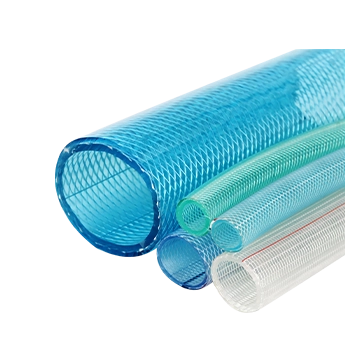
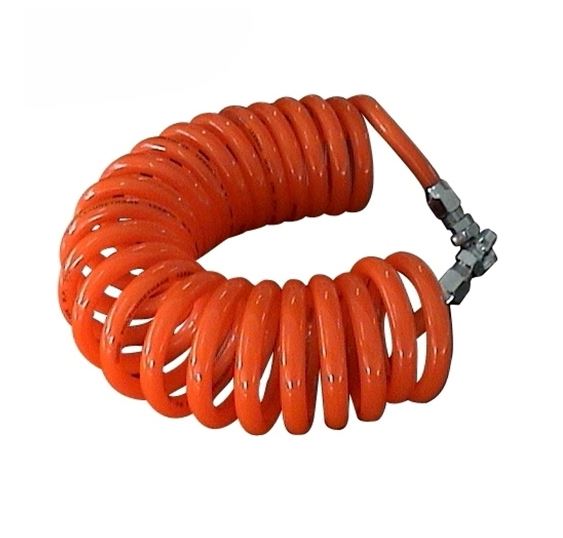
Flexible High Pressure Top Quality PU Pneumatic Tube Air Hose: Comparing Two PU Tube OptionsNewsNov.03,2026
-
High-Quality Flexible PVC Clear Hose from China: Compatibility, Sizing and Documentation FAQNewsOct.28,2026
-
Choosing PU Anti-Sprial Hose: Medium, Dimensions and Operating ConditionsNewsOct.24,2026
-
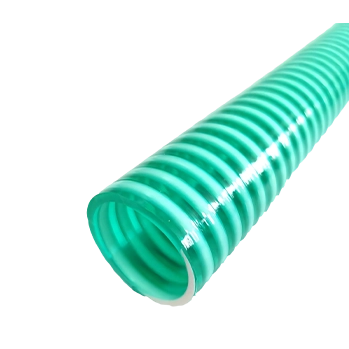
Choosing Plastic PVC Water Pump Suction Hose from a Cost-Effective PVC Water Hose Supplier: Medium, Dimensions and Operating ConditionsNewsOct.24,2026
-
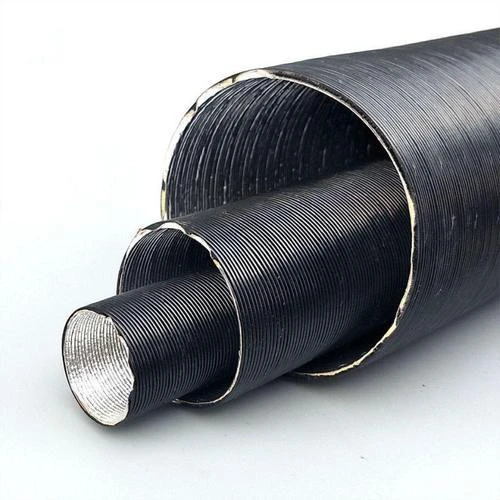
Choosing ALUMINUM FOIL VENTILATION DUCT: Application Fit and Specification ChecksNewsOct.24,2026
 Afrikaans
 Albanian
 Arabic
 Azerbaijani
 Belarusian
 Bengali
 Bulgarian
 Czech
 Danish
 Dutch
 Finnish
 French
 German
 Greek
 Hebrew
 Hindi
 Hungarian
 Indonesian
 Irish
 Italian
 Japanese
 Kazakh
 Korean
 Kyrgyz
 Lao
 Latin
 Lithuanian
 Luxembourgish
 Malay
 Mongolian
 Myanmar
 Nepali
 Norwegian
 Persian
 Polish
 Portuguese
 Russian
 Serbian
 Slovak
 Spanish
 Swedish
 Tagalog
 Thai
 Turkish
 Ukrainian
 Uighur
 Uzbek
 Vietnamese
 Welsh
 English