


PU Tube 8mm - Durable and Flexible Polyurethane Tubing for Industrial Use
The Unsung Hero of Industry: Understanding PU Tube 8mm and Its Global Impact
If you've ever wondered what keeps a lot of modern machinery and industrial setups running smoothly—without visible drama—it’s often components like the pu tube 8mm. These humble polyurethene tubes, just 8 millimeters in diameter, quietly connect pneumatic systems, control valves, and more. That tiny measurement packs a punch worldwide, influencing sectors from manufacturing lines in Asia to agriculture irrigation in Africa.
Why does this matter? Because understanding the role and value of the pu tube 8mm reveals why industries keep aiming for efficiency, reliability, and sustainability. It’s not just a piece of plastic tubing; it’s engineering’s quiet workhorse, essential for automation, safety, and environmental considerations. Let’s explore its global footprint, key features, and future potential.
Global Context: Why PU Tube 8mm Matters in Today’s Industrial Landscape
Globally, pneumatic systems—which largely depend on polyurethane tubing—are an estimated $8 billion industry (source: Statista 2023). These systems power fast and precise actions in everything from packaging plants to medical devices. The pu tube 8mm is a popular size for this tubing, striking balance between flexibility and pressure resistance.
But there’s a bigger layer here. According to the UN Industrial Development Organization, resource efficiency and waste reduction in manufacturing are major challenges for sustainable development worldwide. Polyurethane tubes like the 8mm variety, by virtue of their durability and recyclability, support greener production methods. Manufacturers adopting these tubes can reduce costly downtime from leaks or system failures—in a world where every second saved cuts resource waste and carbon footprints.
Mini takeaway: The pu tube 8mm isn’t just a commodity; it’s part of a broader industrial push toward sustainable and efficient manufacturing globally.
What Exactly Is PU Tube 8mm?
Put simply, PU tube 8mm refers to a polyurethane hose or tubing with an 8 millimeter diameter. Polyurethane is a versatile polymer known for its toughness, elasticity, and chemical resistance. These tubes often serve as connectors in pneumatic systems, moving compressed air or fluids safely between valves, cylinders, and other equipment.
In practical terms, it’s what keeps automated manufacturing lines humming, or even ensures safe water flow in delicate agricultural systems. The flexibility combined with resilient physical properties means it can bend around corners without cracks, resist oils or abrasives, and last longer under stress than rubber alternatives.
In a nutshell: pu tube 8mm is a modest but critical industrial component intimately tied to modern manufacturing and even humanitarian infrastructure like clean water systems.
Core Attributes That Make PU Tube 8mm a Staple
1. Durability and Chemical Resistance
Polyurethane tubing resists abrasion, oils, and many chemicals better than cheaper plastics, lasting years in harsh industrial environments. This means fewer replacements and less downtime—a big deal for factories running 24/7.
2. Flexibility and Ease of Installation
Even though they are tough, these 8mm tubes remain surprisingly flexible, allowing engineers to route them through tight spaces without bending stress or kinks.
3. Pressure and Temperature Range
Typically handling pressures between 6 to 10 bar and temperatures from -20°C to 60°C, pu tube 8mm suits a wide range of pneumatic and fluid transfer applications.
4. Cost Efficiency
Compared to alternatives like stainless steel piping, pu tubes are lightweight and cost-effective, providing excellent value—especially in mass production where length and quantity matter.
5. Environmental Impact
The ability to recycle polyurethane material combined with its longevity means less waste relative to disposable or periodic replacement parts, making it a greener choice overall.
Mini takeaway: It’s the combination of ruggedness, flexibility, and eco-consciousness that truly sets pu tube 8mm apart.
How PU Tube 8mm Powers Global Industries: Real-World Applications
You’d be surprised how many fields depend on this tiny yet resilient tubing.
- Manufacturing Automation: Used worldwide in assembly lines, including automotive plants in Germany, electronics factories in China, and food packaging facilities in the USA.
- Agricultural Irrigation: In countries like India and Brazil, pu tubes help deliver precise water pressure to drip irrigation systems, improving crop yields with minimal water waste.
- Medical Equipment: Hospitals in Europe use specialized pu tube 8mm variants for respiratory and fluid transfer devices due to their non-toxic properties.
- Disaster Relief Infrastructure: Emergency water supply setups in drought-prone regions often deploy portable pneumatic systems assembled with these tubes for rapid deployment.
Mini takeaway: From car factories to disaster zones, pu tube 8mm quietly enables effective, reliable operations.
PU Tube 8mm Specifications at a Glance
| Specification | Details |
|---|---|
| Inner Diameter | 8 mm |
| Outer Diameter | 10-10.5 mm (varying by brand) |
| Pressure Rating | 6–10 bar |
| Temperature Range | -20°C to 60°C |
| Material | Polyurethane (PU) |
| Common Colors | Blue, Transparent, Black, Yellow |
| Typical Lengths | 50 meters, 100 meters (rolls) |
Comparing Top Vendors of PU Tube 8mm: What You Should Look For
| Vendor | Product Quality | Price per Meter | Delivery Speed | Custom Options |
|---|---|---|---|---|
| Kebing Hose Co. | Premium grade PU, UV resistant | $0.65 | 3-5 business days | Custom colors, lengths |
| Global Tubes Ltd. | Standard industrial PU | $0.55 | 7-10 business days | Limited options |
| FlexiHose International | High flexibility but lower abrasion resistance | $0.60 | 5-7 business days | Multiple sizes/colors |
Why Choose PU Tube 8mm? Advantages & Long-Term Benefits
At the end of the day, choosing the right tubing boils down to a few practical factors, but also some emotional trust in your supply chain. You want parts that don’t just work, but don’t fail unexpectedly. Here’s what pu tube 8mm offers beyond the specs:
- Reliability: Consistent performance under pressure means less downtime — a crucial advantage for factories on tight schedules.
- Safety: Chemical resistance reduces risk of hazardous leaks, protecting workers and the environment.
- Cost-Savings: Durable tubes reduce replacements and maintenance labor, saving money long-term.
- Sustainability: By using recyclable materials and lowering waste, companies support green policies.
- Innovative Edge: The flexibility and adaptability help engineers prototype and scale solutions faster.
Many engineers I’ve spoken with say that switching to quality polyurethane tubing like the 8mm size felt like upgrading from a basic bargain hose to a precision tool. Suddenly, performance issues dropped—and that peace of mind is priceless.
Looking Ahead: Future Trends for PU Tube 8mm
Interestingly, the pipeline for innovation with pu tubes is still very much flowing. Industry experts predict advancements in bio-based polyurethanes, which could dramatically lower carbon footprints while maintaining strength.
Furthermore, digital sensors embedded on or alongside tubing for real-time pressure and leak monitoring are becoming more feasible, thanks to IoT progress. Imagine a system that “tells you” well before a connection fails, or quantifies wear over time for predictive maintenance.
As sustainability regulations tighten globally, we might also see stricter certification standards emerging for pneumatic tubing, pushing manufacturers to innovate further—even in this niche.
Challenges and Smart Solutions
Despite many strengths, pu tube 8mm isn’t perfect. Challenges remain—like maintaining flexibility at very low temperatures or ensuring chemical compatibility in complex industrial fluids. Also, cheaper tubes saturate some markets, tempting companies to cut corners, risking system integrity.
However, experts suggest pairing tubing with high-quality fittings and implementing comprehensive testing regimes often negate these risks. Emerging coatings and polymer blends also help boost low-temperature flexibility and chemical resistance.
FAQ: What People Often Ask About PU Tube 8mm
- Q: How does PU tube 8mm compare with PVC tubing in industrial use?
- A: PU tubes generally excel in abrasion resistance and flexibility, making them better for dynamic or high-movement applications. PVC is cheaper but less durable under physical stress.
- Q: Can PU tube 8mm be used for potable water systems?
- A: Yes, but only when certified food-grade polyurethane is selected. Such variants are hygienic and safe, commonly used in medical and food industries.
- Q: What’s the typical lifespan of an 8mm PU tube in a factory environment?
- A: Lifespan varies by conditions but typically ranges from 3 to 7 years before replacement is advisable, depending on exposure to chemicals, pressure cycles, and temperature extremes.
- Q: Are custom colors or lengths available for PU tube 8mm?
- A: Absolutely. Many suppliers, including Kebing Hose Co., offer customization, which helps in identifying different circuits or matching specific installation needs.
Wrapping It Up: Why PU Tube 8mm Deserves a Spot in Your Next Project
In real terms, the pu tube 8mm feels like one of those “little things made right” that add up to big productivity wins. Whether you’re automating production, setting up irrigation, or ensuring safety in medical equipment, this tubing size carries trust, efficiency, and sustainable promise.
If you want to explore reliable polyurethane tubing options or see custom solutions for your operation, visit the experts at Kebing Hose Co. They’re well-versed in matching the right tube to your specific needs—and I guess that’s what you want when your system's heartbeat depends on it.
References
-
How to Choose Fuel Oil Hose SAE J30 R6 for Size and Service ConditionsNewsNov.11,2026
-
Flexible High Pressure Top Quality PU Pneumatic Tube Air Hose: Comparing Two PU Tube OptionsNewsNov.03,2026
-
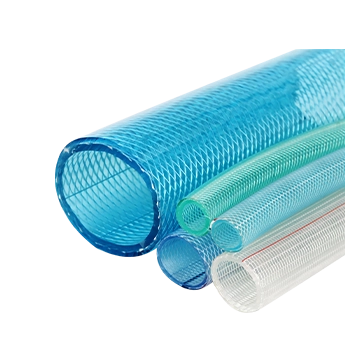
High-Quality Flexible PVC Clear Hose from China: Compatibility, Sizing and Documentation FAQNewsOct.28,2026
-
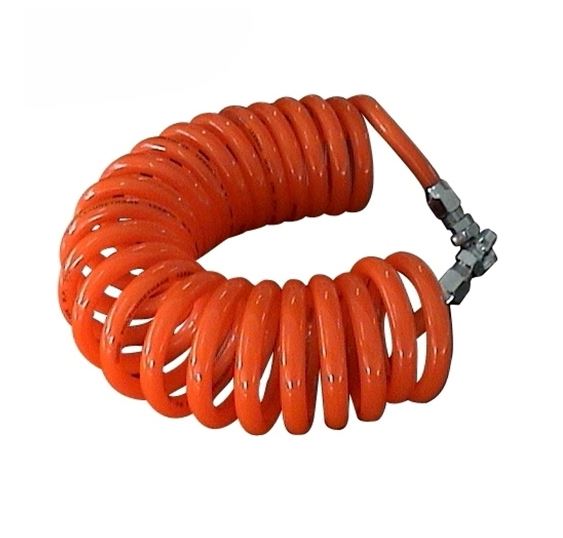
Choosing PU Anti-Sprial Hose: Medium, Dimensions and Operating ConditionsNewsOct.24,2026
-
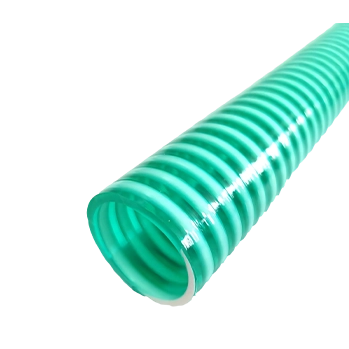
Choosing Plastic PVC Water Pump Suction Hose from a Cost-Effective PVC Water Hose Supplier: Medium, Dimensions and Operating ConditionsNewsOct.24,2026
-
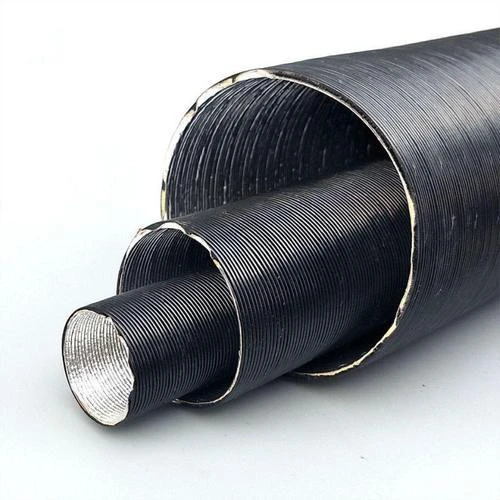
Choosing ALUMINUM FOIL VENTILATION DUCT: Application Fit and Specification ChecksNewsOct.24,2026
 Afrikaans
 Albanian
 Arabic
 Azerbaijani
 Belarusian
 Bengali
 Bulgarian
 Czech
 Danish
 Dutch
 Finnish
 French
 German
 Greek
 Hebrew
 Hindi
 Hungarian
 Indonesian
 Irish
 Italian
 Japanese
 Kazakh
 Korean
 Kyrgyz
 Lao
 Latin
 Lithuanian
 Luxembourgish
 Malay
 Mongolian
 Myanmar
 Nepali
 Norwegian
 Persian
 Polish
 Portuguese
 Russian
 Serbian
 Slovak
 Spanish
 Swedish
 Tagalog
 Thai
 Turkish
 Ukrainian
 Uighur
 Uzbek
 Vietnamese
 Welsh
 English







