


Reinforced Polyurethane Hose – Durability & Versatility for Industrial & Humanitarian Use
The Growing Importance of Reinforced Polyurethane Hose in Global Industry
In today’s industrial and humanitarian landscapes, materials that combine flexibility, strength, and durability matter more than ever. Reinforced polyurethane hose is one such innovation quietly transforming sectors from manufacturing to emergency relief worldwide. Why care? Because efficient fluid transfer, whether chemicals or water, keeps industries running smoothly and saves lives in crisis zones.
As global infrastructure evolves and climate challenges accelerate, understanding the properties and applications of reinforced polyurethane hoses becomes essential. These hoses provide improved abrasion resistance, longevity, and chemical compatibility compared to older rubber or PVC variants. Stick around if you want a clear grasp of what makes them tick and why they keep popping up in critical projects.
Setting the Stage: A Global Context for Reinforced Polyurethane Hose
Just picture it: worldwide industrial output is projected to climb steadily — the UN reports a 3.5% increase in manufacturing volume in emerging markets annually since 2019[1]. Conveying fluids and powders safely and rapidly is a cornerstone of that growth. But many traditional hoses face breakdowns or contamination issues under pressure or harsh chemicals. This is especially problematic in sectors like pharmaceuticals, food processing, and mining.
Moreover, the World Bank highlights that many disaster-prone regions rely on quick-deploy infrastructure to restore water and fuel channels during emergencies[2]. Reinforced polyurethane hoses, with their flexibility and resilience, answer this call. They tackle the challenge of durability without sacrificing ease of use, easing a long-standing bottleneck.
What Exactly Is a Reinforced Polyurethane Hose?
In the most basic terms, a reinforced polyurethane hose is a flexible tube made from polyurethane — a versatile plastic — wrapped or embedded with strength-enhancing fibers or meshes.
This composite construction means the hose doesn't just bend and handle stress gracefully but also resists cuts, abrasion, and chemical degradation better than conventional hoses. It’s kind of like upgrading from bicycle tires to those rugged off-road ones — it’s still flexible but built to withstand more.
Industrially, it’s crucial to sectors needing contamination-free fluid transport or harsh environmental performance. Humanitarian missions also prize these hoses because they can survive rough handling and tough weather conditions during rapid deployments.
Key Characteristics That Define Reinforced Polyurethane Hose
Durability
Perhaps its standout feature, durability stems from the hose’s reinforced layers. The weave or braiding of fibers prevents bursts and tears while resisting abrasion from rough surfaces — which is critical in industrial zones with sharp debris or machinery contact.
Chemical Resistance
Polyurethane itself exhibits excellent resistance to oils, fuels, solvents, and various chemicals. Reinforcement doesn’t compromise this—rather it supports shape retention under load, making it suitable for chemical plants or fuel transfer without fear of leakage.
Flexibility & Lightweight Construction
These hoses remain supple over a wide temperature range, crucial when installing pipes in constrained spaces or where dynamic movements occur, such as robotic arms in factories or mobile field units.
Cost Efficiency
While initially pricier than plain rubber hoses, their longevity and less frequent replacement needs often tip the ROI favorably. Plus, reduced downtime from failures means smoother operations — a boon for any facility.
Safety Standards Compliance
Many reinforced polyurethane hoses meet stringent ISO and ASTM standards, ensuring reliable performance, especially where contamination or toxin transfer is a concern.
Customization Potential
Manufacturers often tailor hose diameter, wall thickness, and reinforcement types to specific industrial demands, enhancing versatility.
Mini takeaway: It’s the blend of durability, chemical resistance, and flexibility — all reinforced by smart engineering — that cements polyurethane hoses as a go-to for modern fluid transport challenges.
How Reinforced Polyurethane Hoses Power Industries Around the World
Applications span continents and sectors. In Europe’s chemical plants, they're standard for transferring corrosive fluids safely. North American food processing plants prize them for sanitary flexible transfers. Mining operations in Australia rely on the hoses to move abrasive slurries with minimal wear, reducing costly downtime.
Humanitarian organizations benefit too. In recent flood relief in Southeast Asia, NGOs used reinforced polyurethane hoses to establish potable water lines quickly in muddy, debris-filled environments. The hose’s abrasion resistance and flexibility mattered immensely.
Even in remote Arctic research stations, the hoses cope with extreme cold without cracking, ensuring critical fuel lines stay intact.
Product Specification Table
| Specification | Typical Range | Notes |
|---|---|---|
| Inner Diameter | 6 mm – 150 mm | Varies by application |
| Working Pressure | Up to 40 bar (600 psi) | Depends on reinforcement type |
| Temperature Range | -40°C to +80°C | Polyurethane flexible at extremes |
| Material Composition | Polyurethane with polyester/polyamide reinforcement | Ensures strength and abrasion resistance |
| Standard Compliance | ISO 3821, ASTM D380 | Industry standard benchmarks |
Comparing Leading Reinforced Polyurethane Hose Manufacturers
| Vendor | Product Range | Customization | Main Industries Served | Global Reach |
|---|---|---|---|---|
| Kebing Hose | Wide (6-150 mm ID, multiple reinforcement options) | High – custom lengths & materials | Chemical, Mining, Food, Humanitarian | Strong Asia-Pacific, expanding global |
| FlexiTube Ltd. | Medium (10-100 mm ID) | Moderate – standard sizes & colors | Pharmaceuticals, Automotive | Primarily Europe and North America |
| PolyHose Corp. | Narrow (8-50 mm ID) | Low – mostly stock items | Industrial maintenance | Global but limited local support |
Advantages & Long-Term Value of Reinforced Polyurethane Hose
The big picture benefits are straightforward yet impactful:
- Cost savings: Less frequent failures translate to fewer replacements and downtime.
- Environmental sustainability: Longer lasting hoses mean reduced waste and resource consumption.
- Health & safety: Robust chemical resistance reduces hazardous leaks, protecting workers.
- Operational reliability: Maintains integrity under dynamic stress and tough conditions.
On a more human note, especially in disaster relief, these hoses uphold dignity by enabling clean water access promptly — it’s not just a tech improvement, but a trust signal in urgent moments.
Looking Ahead: Trends & Innovations on the Rise
Polyurethane chemistry keeps evolving. Researchers are developing bio-based and recycled material blends, pushing the green credentials of hoses further. Digital sensors embedded within hoses for pressure and temperature monitoring are becoming practical reinforced polyurethane hose add-ons.
Automation in assembly lines means hoses need to endure robotic movement cycles, so smart reinforcement patterns that resist kinks while reducing weight are in demand. I suppose the rise of electrification and cleaner fuels will also shape the chemical resistance profiles needed.
Challenges and Practical Solutions in Real-World Use
Like all tech, reinforced polyurethane hoses aren’t perfect. For example, extreme UV exposure can degrade some polyurethane options if not specially formulated. Also, compatibility confusion shows up — not every hose suits every chemical. Buyers have to truly understand specs, or risk costly failures.
Solutions? Manufacturers increasingly provide detailed datasheets and testing certifications. Some incorporate UV stabilizers or polyurethane blends with improved sun resistance. Training technicians on proper handling and installation helps too — a seemingly simple step but often overlooked.
FAQ: Your Questions About Reinforced Polyurethane Hose Answered
Q1: How does reinforced polyurethane hose differ from standard rubber hoses?
A1: The key difference lies in material and reinforcement. Polyurethane offers superior abrasion resistance and chemical compatibility, while reinforcement adds burst strength and durability. Rubber hoses tend to degrade faster under harsh chemicals or abrasive conditions.
Q2: Can I use reinforced polyurethane hoses for transporting drinking water?
A2: Yes, provided the hose meets food-grade or potable water certifications. Many reinforced polyurethane hoses are designed to comply with NSF or equivalent standards, ensuring no contamination.
Q3: What is the typical lifespan of a reinforced polyurethane hose in industrial settings?
A3: Lifespan varies by usage and environment but generally ranges from 5 to 10 years. Proper maintenance and correct selection based on chemical and pressure requirements extend service life.
Q4: Are reinforced polyurethane hoses recyclable?
A4: Polyurethane hoses are more challenging to recycle than simpler plastics due to composite materials. However, some manufacturers are researching take-back programs or materials blends aimed at recyclability.
Q5: How do I ensure I get the right reinforced polyurethane hose for my needs?
A5: Work with reputable suppliers, review technical datasheets, and provide details about pressure, chemical exposure, temperature, and flexibility demands to get a tailored solution.
Wrapping Up: Why Reinforced Polyurethane Hose Matters More Than Ever
We’ve come a long way from clunky rubber tubes to these elegant composites — strength woven into flexibility. The reinforced polyurethane hose quietly supports critical sectors: ensuring safety, speed, and sustainability. If your project calls for a reliable fluid transfer solution, I’d say it’s time to look deeper.
Ready for more technical details or sourcing options? Visit Kebing Hose – your partner in cutting-edge hose technology.
References
- United Nations Industrial Statistics
- World Bank Disaster Risk Management
- ISO 3821: Rubber and plastics hoses and hose assemblies
Article written by an experienced SEO technical journalist. For more insights, keep browsing our site.
-
How to Choose Fuel Oil Hose SAE J30 R6 for Size and Service ConditionsNewsNov.11,2026
-
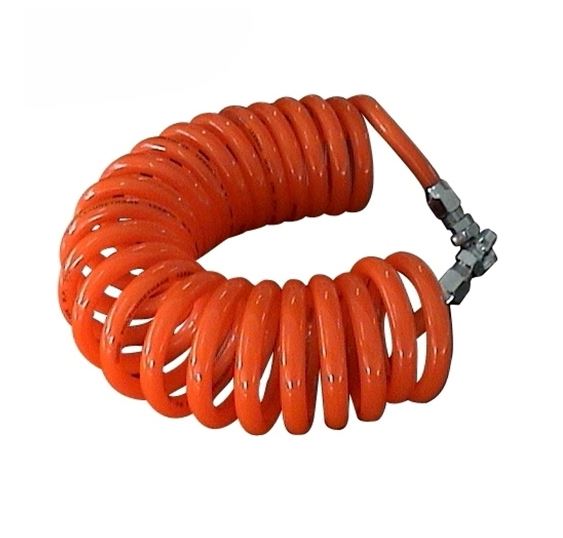
Flexible High Pressure Top Quality PU Pneumatic Tube Air Hose: Comparing Two PU Tube OptionsNewsNov.03,2026
-
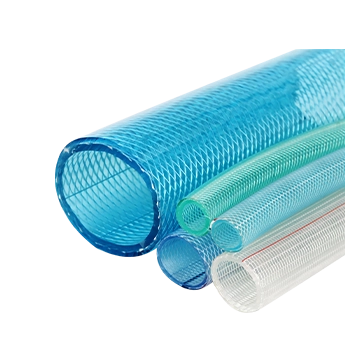
High-Quality Flexible PVC Clear Hose from China: Compatibility, Sizing and Documentation FAQNewsOct.28,2026
-
Choosing PU Anti-Sprial Hose: Medium, Dimensions and Operating ConditionsNewsOct.24,2026
-
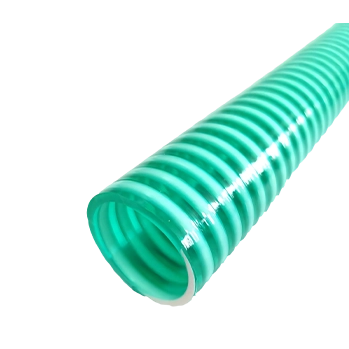
Choosing Plastic PVC Water Pump Suction Hose from a Cost-Effective PVC Water Hose Supplier: Medium, Dimensions and Operating ConditionsNewsOct.24,2026
-
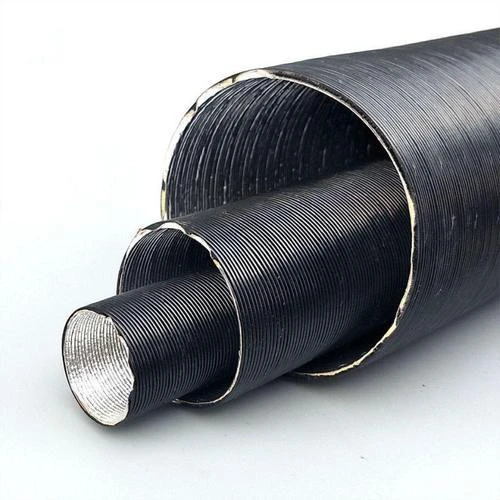
Choosing ALUMINUM FOIL VENTILATION DUCT: Application Fit and Specification ChecksNewsOct.24,2026
 Afrikaans
 Albanian
 Arabic
 Azerbaijani
 Belarusian
 Bengali
 Bulgarian
 Czech
 Danish
 Dutch
 Finnish
 French
 German
 Greek
 Hebrew
 Hindi
 Hungarian
 Indonesian
 Irish
 Italian
 Japanese
 Kazakh
 Korean
 Kyrgyz
 Lao
 Latin
 Lithuanian
 Luxembourgish
 Malay
 Mongolian
 Myanmar
 Nepali
 Norwegian
 Persian
 Polish
 Portuguese
 Russian
 Serbian
 Slovak
 Spanish
 Swedish
 Tagalog
 Thai
 Turkish
 Ukrainian
 Uighur
 Uzbek
 Vietnamese
 Welsh
 English







