


Superior Black Vacuum Hose Solutions for Industry & Relief | Kebing Hose
The Quiet Power of the Black Vacuum Hose: Why It Matters Worldwide
When you think about how industries move fluids, gases, or even mess away, you might not immediately picture a black vacuum hose. Yet this humble black vacuum hose plays a surprisingly huge role—from factories and hospitals, to mining sites, and even disaster zones. Understanding this essential piece of equipment unlocks insights into efficiency, safety, and sustainability that ripple across global supply chains and humanitarian efforts.
Globally, the rise in industrial automation and environmental concerns has boosted demand for smart, durable suction and transport solutions. According to industry reports by ISO and the United Nations, infrastructures around the world increasingly rely on reliable vacuum hoses to ensure safety and reduce waste. Which means if you’re still picturing vacuum hoses as just boring black tubes, it’s time to take a closer look.
Understanding the Black Vacuum Hose: What Is It?
A black vacuum hose, at its core, is a flexible tube designed to transport air or liquids by suction. Often made from robust materials like nitrile rubber, PVC, or reinforced plastics, the black color isn’t just aesthetic—it usually indicates UV resistance, durability, and an industry-grade purpose. You’ll find them in dust extraction systems, pneumatic machinery, and fluid transfer operations.
Why does this matter beyond factories? In disaster relief, for example, black vacuum hoses enable rapid set-up of temporary sanitation or water systems. In hospitals, they help with suction during procedures. It may not sound glamorous, but their versatility touches many modern lives.
Key Components That Make the Black Vacuum Hose Tick
Durability: Standing Up to Harsh Environments
These hoses face abrasion, temperature swings, and exposure to chemicals. Usually reinforced with textile layers or embedded steel rings, their strength keeps operations running smoothly. Oddly enough, many engineers say the second you compromise durability, you lose safety, and downtime becomes inevitable.
Flexibility & Bend Radius
The ability to bend without kinking or cracking is vital — it means the hose can navigate complex machinery or tight spaces without failing. This is crucial on construction sites or in confined industrial plants.
Chemical Resistance
Depending on materials, black vacuum hoses resist oils, fuels, acids, or solvents. This chemical resilience makes them indispensable in automotive or chemical manufacturing plants.
Custom Lengths & Fittings
Customization allows adaptation to specific use cases. Many suppliers fabricate hoses to precise lengths, pressure ratings, and connection types, so end users get exactly what they need without fuss.
Pressure & Vacuum Ratings
While suction hoses, by definition, handle negative pressure, they must withstand external forces too. Most black vacuum hoses are rated in kPa or bar, ensuring safe operation limits are adhered to.
Takeaway: It’s this cocktail of durability, flexibility, chemical resistance, and customization that makes black vacuum hoses versatile heroes in many industries.
Global Applications: Who’s Using Black Vacuum Hoses and How?
- Manufacturing Plants: For dust collection, pneumatic conveying, and liquid suction.
- Healthcare: Surgical suction, respiratory treatments.
- Mining Operations: Moving slurry or debris, where durability and chemical resistance are critical.
- Disaster Relief & Humanitarian Aid: Quickly deployed sanitation units and water removal systems.
- Food and Beverage Industry: Transporting liquids hygienically with FDA-compliant hose variants.
For example, in Southeast Asia’s monsoon-prone regions, relief agencies rely on black vacuum hoses to set up temporary drainage clearing floodwaters efficiently. Meanwhile, in Germany, automotive plants depend on robust vacuum hoses for precision fluid handling. These examples speak to both the adaptability and reliability of the product across diverse contexts.
Advantages: Why Invest in Quality Black Vacuum Hoses?
From cost efficiency to safety, the benefits are tangible. A well-made black vacuum hose:
- Reduces Maintenance Costs: Fewer failures mean less downtime.
- Enhances Worker Safety: Resists chemicals and pressure bursts.
- Supports Sustainability: Many hoses are recyclable; some use eco-friendly materials.
- Preserves Integrity of Processes: Especially important in food and pharma industries.
- Facilitates Innovation: Allows new machinery and processes that require reliable suction or transfer capabilities.
There’s also the emotional side – knowing that the gear you rely on won’t suddenly give out feels like a quiet trust that makes stressful industrial tasks just a bit easier.
What’s Next? Emerging Trends and Innovations
Green manufacturing is pushing for hoses made from bio-based polymers or recycled materials. Meanwhile, embedded sensors and smart materials are ushering in hoses with real-time monitoring for leaks or wear — a game changer for predictive maintenance.
Automation demands hoses that can last longer under cyclic stresses, while stricter environmental regulations encourage zero-leak designs. As factories go digital, “smart hoses” linked to IoT systems will give operators minute-by-minute updates, decreasing manual checks — and frankly, that’s exciting.
Challenges and Their Ingenious Solutions
Of course, not everything is simple. Issues like abrasion, fitting compatibility, and chemical breakdown can cause failures. The key is in proper selection, installation, and routine inspection. Many companies are innovating with hybrid materials, layered designs, and modular fittings to address these concerns.
Training end-users is just as important. A quality hose can fail if kinked or improperly connected — making a human touch indispensable despite all the tech advances.
Quick FAQ: Your Black Vacuum Hose Questions Answered
- What materials are best for black vacuum hoses in chemical plants?
- Generally, nitrile rubber or reinforced PVC with chemical-resistant layers are preferred. They balance flexibility with resistance to common industrial solvents and acids.
- Can black vacuum hoses be custom-length for unique equipment setups?
- Yes, most manufacturers offer customization options including lengths, fittings, and pressure ratings to fit specialized needs.
- How often should a black vacuum hose be inspected for safety?
- It depends on usage intensity, but typically every 3-6 months. Look out for cracks, stiffness, or leaks.
- Are black vacuum hoses reusable or recyclable?
- Many are recyclable depending on the material, and some can be reused if cleaned and undamaged, especially in non-critical settings.
Product Specification Table
| Specification | Standard Model | Heavy-Duty Model | Chemical-Resistant Model |
|---|---|---|---|
| Material | PVC with textile reinforcement | Nitrile rubber with steel rings | EPDM with chemical additives |
| Diameter (inches) | 1.5 - 6 | 2 - 8 | 1.5 - 4 |
| Max Vacuum Pressure | -0.7 bar (-70 kPa) | -0.9 bar (-90 kPa) | -0.8 bar (-80 kPa) |
| Temperature Range | -10°C to 60°C | -20°C to 90°C | -15°C to 80°C |
| UV Resistance | Moderate | High | High |
Vendor Comparison
| Vendor | Customization | Price Range | Lead Time | Warranty |
|---|---|---|---|---|
| Kebing Hose | High – made-to-order lengths & fittings | $$ | 2-3 weeks | 2 years |
| Industrial Flex | Medium – standard sizes mostly | $ | 1-2 weeks | 1 year |
| Vacuum Pro Systems | High – includes advanced sensor options | $$$ | 3-4 weeks | 3 years |
Wrapping It Up: The Unsung Hero of Industrial & Humanitarian Work
So, when’s the last time you admired a black vacuum hose? Probably never, but truth is, they’re an essential thread weaving through countless industries and urgent relief efforts worldwide. Their durability, flexibility, and evolving tech promise better workflows and safer environments. If you’re in the market for dependable black vacuum hoses tailored to your needs, why not take a look at black vacuum hose options by Kebing Hose?
They’ve got customization and quality down to a science, making it easier than ever to trust the little things that keep big systems running.
Thinking about your next project or discovery? You might be surprised how much a simple black vacuum hose can help you get there.
References:
1. Wikipedia: Vacuum Cleaner
2. ISO Standards for Industrial Hoses
3. United Nations Global Industrial Data
-
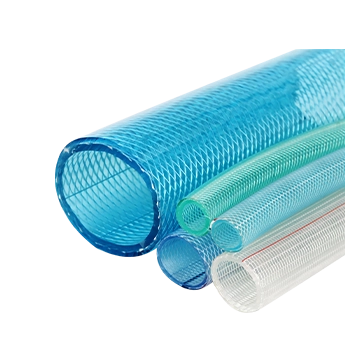
How to Choose Fuel Oil Hose SAE J30 R6 for Size and Service ConditionsNewsNov.11,2026
-
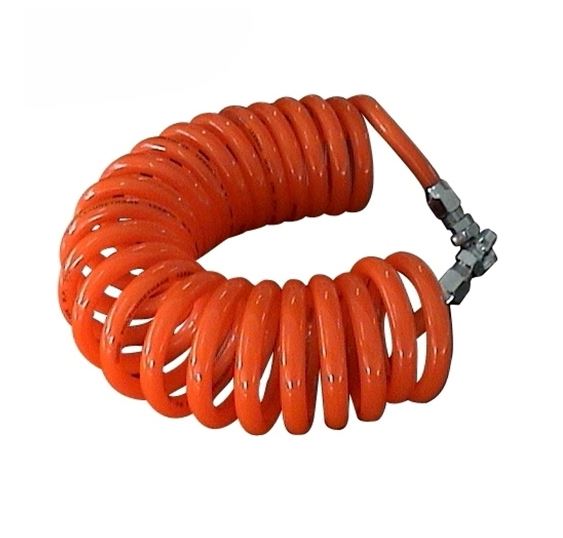
Flexible High Pressure Top Quality PU Pneumatic Tube Air Hose: Comparing Two PU Tube OptionsNewsNov.03,2026
-
High-Quality Flexible PVC Clear Hose from China: Compatibility, Sizing and Documentation FAQNewsOct.28,2026
-
Choosing PU Anti-Sprial Hose: Medium, Dimensions and Operating ConditionsNewsOct.24,2026
-
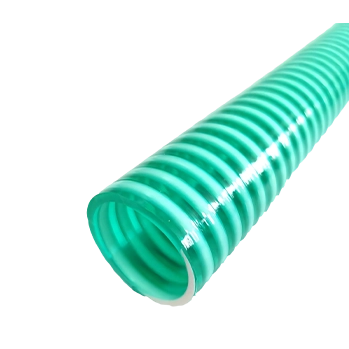
Choosing Plastic PVC Water Pump Suction Hose from a Cost-Effective PVC Water Hose Supplier: Medium, Dimensions and Operating ConditionsNewsOct.24,2026
-
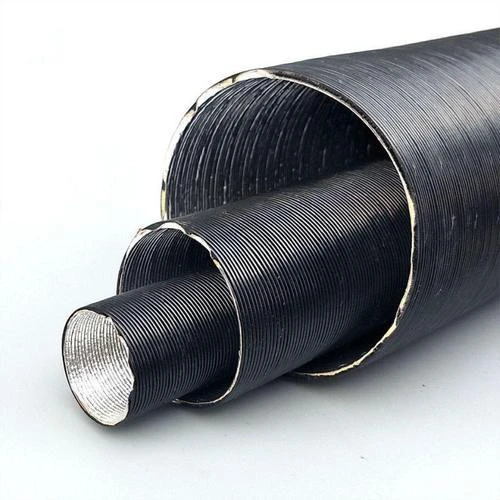
Choosing ALUMINUM FOIL VENTILATION DUCT: Application Fit and Specification ChecksNewsOct.24,2026
 Afrikaans
 Albanian
 Arabic
 Azerbaijani
 Belarusian
 Bengali
 Bulgarian
 Czech
 Danish
 Dutch
 Finnish
 French
 German
 Greek
 Hebrew
 Hindi
 Hungarian
 Indonesian
 Irish
 Italian
 Japanese
 Kazakh
 Korean
 Kyrgyz
 Lao
 Latin
 Lithuanian
 Luxembourgish
 Malay
 Mongolian
 Myanmar
 Nepali
 Norwegian
 Persian
 Polish
 Portuguese
 Russian
 Serbian
 Slovak
 Spanish
 Swedish
 Tagalog
 Thai
 Turkish
 Ukrainian
 Uighur
 Uzbek
 Vietnamese
 Welsh
 English







