Tubing for Vacuum Pump: Essential Guide and Global Applications | KeBing Hose
Understanding Tubing for Vacuum Pumps: Why It Matters Globally
Vacuum pumps are the heartbeats of countless industrial and scientific processes worldwide, from pharmaceutical manufacturing to environmental monitoring. But often overlooked is a humble yet critical component: tubing for vacuum pumps. This kind of tubing doesn’t just connect parts—it ensures airtight performance, resists harsh conditions, and maintains system integrity under challenging environments. Globally, as industries expand and humanitarian operations become more technically sophisticated, the importance of reliable, responsive vacuum pump tubing grows ever clearer. Understanding these tubes is key to smoother operations, safety, and even sustainability.
Mini takeaway: Tubing for vacuum pump isn’t just plastic or rubber—it’s a linchpin for industrial success and resilience.
Introduction: What Makes Tubing for Vacuum Pumps So Crucial in Today’s World?
According to ISO standard 8573, maintaining contaminant-free environments during vacuum processes is essential, and the tubing does a surprising amount of work in that. Globally, vacuum pumps are essential in everything from semiconductor manufacturing to food packaging, and the tubing plays a pivotal role in preventing contamination or leaks. Notably, the World Bank reports that industries relying on vacuum technology grow annually by roughly 5%, especially in Asia-Pacific and Europe, where manufacturing is booming.
But here’s the challenge: not all tubing is equal. Substandard materials or poor design can lead to failures, downtime, and even safety hazards. That’s why the global push for high-quality, durable, and flexible vacuum pump tubing is gaining traction — whether it’s in a lab in Switzerland or a disaster relief field hospital in Bangladesh.
Tubing for vacuum pump plays a central role in these efforts, making the industries more efficient and reliable, especially where stakes are high.
What Exactly Is Tubing for Vacuum Pump?
Put simply, tubing for vacuum pump refers to the flexible or rigid pipes designed specifically to connect vacuum pumps with other components, such as chambers, tanks, or instruments, while maintaining airtight seals. The tubing must withstand reduced pressures without collapsing, resist chemical or temperature effects, and ensure smooth transport of gases or fluids.
In modern industry, this tubing enables everything from creating vacuum-packed food to maintaining sterile environments in medical facilities. On the humanitarian front, vacuum systems equipped with such tubing are often parts of mobile sterilization units or clean water purification systems — critical needs that demand rugged, reliable paths for air or liquids.
Mini takeaway:
In modern life, these tubes quietly support cutting-edge research and life-saving activities alike.
Key Factors Impacting Tubing for Vacuum Pumps
1. Durability and Material Choice
Materials like silicone, PTFE (Teflon), and reinforced PVC are common. They resist abrasions, chemicals, and temperature swings. The choice here can mean the difference between weeks and years of trouble-free use.
2. Flexibility and Bend Radius
In cramped lab setups or complex machinery, tubing must curve without kinking. Many engineers say the optimal tubing balances flexibility with the ability to maintain internal vacuum without collapse.
3. Vacuum Compatibility
The tubing should handle the pressure differential without deforming or leaking. That often means reinforced walls and precise fittings, because one tiny leak spoils the whole system.
4. Chemical Resistance
Depending on the application, tubing might need to handle corrosive gases or solvents. PTFE, for example, is renowned for chemical inertness, making it a favorite for aggressive environments.
5. Cost and Availability
For large-scale or global operations, cost speaks loudest. However, some industries or NGOs prefer premium materials to reduce downtime—which ultimately saves money. Availability in remote regions can dramatically impact the choice too.
Mini takeaway:
Choosing the right tubing is a multi-factor calculation, where no single aspect can be overlooked.
Where Is Tubing for Vacuum Pumps Used around the World?
- Pharmaceutical and biotech labs: Ensuring clean vacuum lines during drug manufacturing.
- Semiconductor fabrication plants: Maintaining ultra-clean vacuum environments.
- Food packaging industries: Vacuum sealing for freshness and food safety, especially in Europe and North America.
- Medical and humanitarian aid: Mobile sterilizers and water purification units in remote or disaster-affected zones, where durability truly counts.
- Environmental monitoring stations: Sensors requiring vacuum connections to sample air or water, often in harsh conditions such as the Arctic.
Oddly enough, as more nations industrialize, the demand for resilient vacuum pump tubing continues to spread—from South Korea’s expansive manufacturing hubs to African pharmaceutical startups.
Mini takeaway:
The global footprint of vacuum pump tubing shows its quiet but profound impact across industries and humanitarian fields alike.
Advantages and Long-Term Value of High-Quality Vacuum Pump Tubing
Reliability is paramount. High-quality tubing reduces breakdowns, lowering maintenance costs and avoiding costly delays. Add to that improved safety: fewer leaks mean safer workplaces, helping protect workers and the environment.
There’s also a sustainability angle. Long-lasting materials mean fewer replacements, less waste, and smaller carbon footprints. For humanitarian groups, trust in tubing reliability adds dignity to their work — safe sterilization, fresh water, and food hygiene depend on it.
Mini takeaway:
Good tubing isn’t just a technical detail — it’s about enabling innovation, safety, and ethical progress.
Future Trends in Tubing for Vacuum Pumps
Looking ahead, we see exciting developments:
- Smart materials: Tubing that can self-heal minor cracks or signal wear through embedded sensors.
- Eco-friendly composites: Recyclable or bio-based polymers reducing environmental impacts.
- Customization through 3D printing: Tailoring tubing designs for extremely bespoke or compact vacuum systems.
- Automation integration: Tubing systems that seamlessly interface with digital monitoring for predictive maintenance.
Clearly, sustainability and smart tech are driving a quiet revolution in vacuum technology—one tube at a time.
Mini takeaway:
Vacuum pump tubing is becoming smarter, greener, and more adaptable to complex demands worldwide.
Challenges and How Experts Tackle Them
A few persistent issues remain: tubing collapse at high vacuum, chemical incompatibility, and tricky installations in confined spaces. Luckily, industry experts now often recommend reinforced tubing with internal supports; they also advise pre-testing chemical compatibility and modular quick-connect fittings for ease of assembly.
Companies are investing in better standards and rigorous testing, referencing ISO/TC 118 on vacuum technology, to elevate reliability globally. The sometimes high upfront costs are justified by reduced downtime and longer life cycles.
Mini takeaway:
Smart engineering and rigorous standards are helping solve the largest pain points around vacuum pump tubing.
FAQ: Frequently Asked Questions About Tubing for Vacuum Pumps
- What materials are best for chemical resistance in vacuum tubing?
- Materials like PTFE and fluoropolymers excel due to their inertness and ability to resist most acids and solvents. Silicone is flexible but less chemical resistant, making it better suited for less aggressive environments.
- How do I know if my tubing can handle high vacuum?
- Look for tubing rated specifically for vacuum applications with reinforced walls or embedded supports to prevent collapse. Manufacturer datasheets typically specify maximum vacuum pressure ranges.
- Is flexible tubing always better than rigid tubing?
- Not necessarily. Flexible tubing allows easier installation and maneuvering but can be prone to kinks. Rigid tubing is sturdier and better for fixed setups that require stable, permanent vacuum lines.
- How often should vacuum pump tubing be replaced?
- It depends on usage and environment, but routine inspections every 6-12 months are common. Signs like discoloration, stiffness, or cracks signal replacement is due to prevent leaks or failures.
- Can I use the same tubing for food and pharmaceutical applications?
- Only if it meets strict hygiene and material safety standards such as FDA compliance. Often, different grades of tubing are advised for food versus pharmaceutical to avoid contamination risks.
Product Specification Table: Common Tubing Types for Vacuum Pumps
| Material | Max Vacuum (Torr) | Temp Range (°C) | Chemical Resistance | Flexibility |
|---|---|---|---|---|
| Silicone | 10-2 | -60 to 200 | Moderate | High |
| PTFE (Teflon) | 10-6 | -200 to 260 | Excellent | Low |
| Reinforced PVC | 10-2 | -20 to 60 | Good | Medium |
Vendor Comparison: Leading Suppliers of Vacuum Pump Tubing
| Vendor | Material Range | Customization Options | Global Shipping | Typical Lead Time |
|---|---|---|---|---|
| KeBing Hose Co. | Silicone, PTFE, PVC, Reinforced Polymers | Diameter, length, fittings | Worldwide | 1-2 weeks |
| VacuumTech Corp. | Specialty Polymers, Metal Tubes | Custom lengths, materials | Selective Regions | 2-4 weeks |
| GlobalVac Solutions | PTFE, Fluoroelastomers | Limited customization | Europe, Asia | 3 weeks |
Wrapping Up: Why Tubing for Vacuum Pumps Is Worth Your Attention
Even if you don’t see it every day, vacuum pump tubing underpins vital industrial and humanitarian work around the globe. It’s part technology, part art—balancing materials, engineering, and practical demands to deliver something that just works, reliably and sustainably. Choosing the right tubing pays off in reduced downtime, safety, and even a lower footprint. And with exciting innovations just around the corner, now’s the perfect time to pay attention to this unsung hero.
Curious to learn more or find the perfect tubing for your needs? Visit our website at https://www.kebinghose.com and explore the latest in vacuum pump tubing technology.
Final mini takeaway:
Tubing for vacuum pump may sound niche, but it touches every corner of modern life—from labs to food shelves to disaster zones. Worth knowing about, right?
References:
1. ISO 8573-1:2010 Compressed air – Contaminants and purity classes
2. World Bank: Manufacturing Industry Trends
3. Wikipedia: Vacuum Pump
-
How to Choose Fuel Oil Hose SAE J30 R6 for Size and Service ConditionsNewsNov.11,2026
-
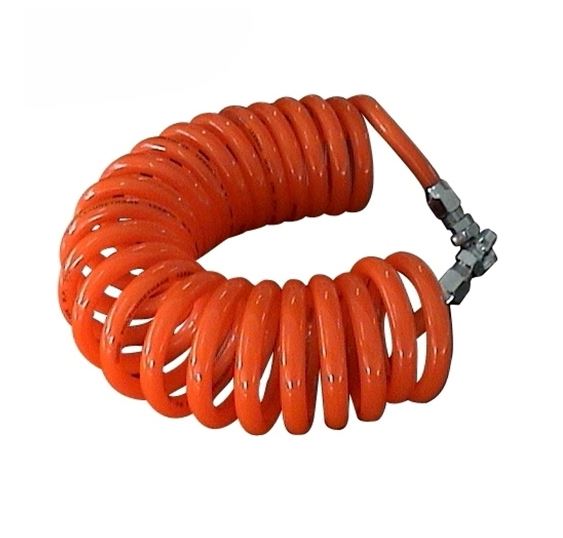
Flexible High Pressure Top Quality PU Pneumatic Tube Air Hose: Comparing Two PU Tube OptionsNewsNov.03,2026
-
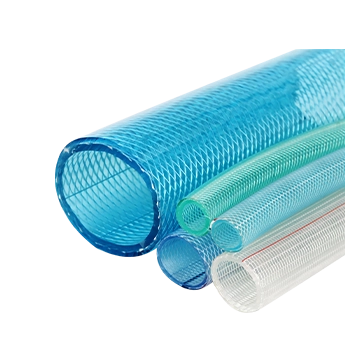
High-Quality Flexible PVC Clear Hose from China: Compatibility, Sizing and Documentation FAQNewsOct.28,2026
-
Choosing PU Anti-Sprial Hose: Medium, Dimensions and Operating ConditionsNewsOct.24,2026
-
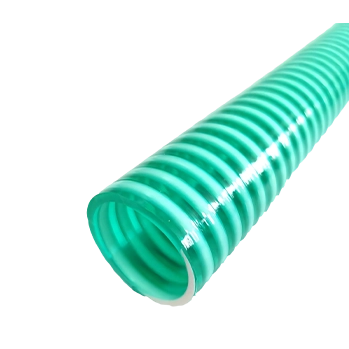
Choosing Plastic PVC Water Pump Suction Hose from a Cost-Effective PVC Water Hose Supplier: Medium, Dimensions and Operating ConditionsNewsOct.24,2026
-
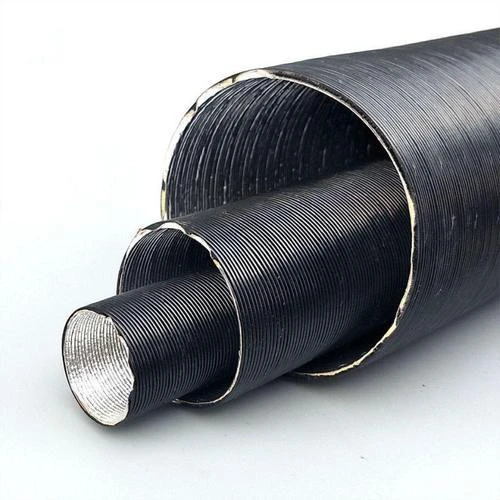
Choosing ALUMINUM FOIL VENTILATION DUCT: Application Fit and Specification ChecksNewsOct.24,2026
 Afrikaans
 Albanian
 Arabic
 Azerbaijani
 Belarusian
 Bengali
 Bulgarian
 Czech
 Danish
 Dutch
 Finnish
 French
 German
 Greek
 Hebrew
 Hindi
 Hungarian
 Indonesian
 Irish
 Italian
 Japanese
 Kazakh
 Korean
 Kyrgyz
 Lao
 Latin
 Lithuanian
 Luxembourgish
 Malay
 Mongolian
 Myanmar
 Nepali
 Norwegian
 Persian
 Polish
 Portuguese
 Russian
 Serbian
 Slovak
 Spanish
 Swedish
 Tagalog
 Thai
 Turkish
 Ukrainian
 Uighur
 Uzbek
 Vietnamese
 Welsh
 English