Understanding the 1 4 Inch Polyurethane Air Hose: Benefits, Uses, and Innovations
Why the 1 4 Inch Polyurethane Air Hose Matters in Today's Industry
In the sprawling world of pneumatic tools, machinery, and industrial operations, the humble 1 4 inch polyurethane air hose quietly but profoundly serves as a vital artery. From manufacturing plants in Europe to remote construction sites in Asia, these hoses carry compressed air — powering tools, inflating tires, and enabling automation lines to hum without a hitch. You might wonder why such a seemingly simple item commands global attention. Well, the thing is: quality air hoses directly impact operational efficiency, worker safety, and environmental sustainability.
By better understanding this small but mighty component, industries worldwide can reduce downtime, prevent costly accidents, and support greener manufacturing processes. Let’s explore what makes the 1 4 inch polyurethane air hose tick, its place in global industry today, and why a closer look is worth your time.
Setting the Scene: A Global Look at Polyurethane Air Hoses
According to data from the International Organization for Standardization (ISO), compressed air systems constitute nearly 10% of all industrial energy use worldwide, making their efficient operation a priority in sustainability efforts. The pneumatic systems market alone is forecasted to grow steadily — pushed by rising demand in automotive, construction, and manufacturing sectors (ISO 9073-4).
However, one nagging challenge is that many older air hoses leak, degrade quickly, or fail under stress, leading to safety hazards and energy waste. This is where the 1 4 inch polyurethane air hose steps in — known for its exceptional strength and flexibility, it is increasingly replacing older rubber or PVC models.
What Exactly Is a 1 4 Inch Polyurethane Air Hose?
Simply put, a 1 4 inch polyurethane air hose is a compressed air conduit with an internal diameter of a quarter inch, made predominantly from polyurethane material. Polyurethane offers a high level of abrasion resistance, ozone resistance, and flexibility, making it ideal for rugged industrial environments. Its light weight means machinery operators can maneuver tools more easily, reducing fatigue.
Modern industry relies heavily on such hoses for everything from supplying air to pneumatic wrenches to powering automation arms on the assembly line. Even disaster relief groups use these hoses to quickly deploy inflatable shelters and air-filtering devices, emphasizing their role beyond pure industry — a neat reminder of how interconnected technology and humanitarian needs have become.
Core Features That Make These Hoses Essential
1. Durability
One of the best things about polyurethane as a material is its resilience. It resists kinks, cracks, and abrasions far better than traditional rubber hoses. This means fewer replacements — which keeps project costs down and reduces waste.
2. Flexibility and Lightweight Design
Polyurethane hoses are noticeably lighter, which reduces operator fatigue over long shifts or complex maneuvers. Plus, their flexibility means they can snake around equipment without causing damage or stiffening with cold weather.
3. Chemical and Temperature Resistance
These hoses handle a broader spectrum of temperatures (-40°F to 150°F) and can tolerate contact with oils and solvents better than many alternatives.
4. Safety and Compliance
Quality polyurethane hoses meet stringent safety standards (e.g., ISO 8573 for compressed air purity) and help reduce leaks that could cause hazardous slip zones or machinery malfunctions.
5. Cost-effectiveness Over Time
Though initial costs may be slightly higher, longevity and energy efficiency make them a smart buy long term.
Mini takeaway: Durability, flexibility, and chemical resistance make the 1 4 inch polyurethane air hose a smart upgrade over older models, especially for demanding industrial and emergency use cases.
Where and How Are 1 4 Inch Polyurethane Air Hoses Used Worldwide?
They pop up in surprisingly diverse places. In the automotive hubs of Germany, these hoses power pneumatic lifts and spray guns with precision. Over in the Gulf states, oil rigs use them under harsh conditions where flexibility and chemical resistance are non-negotiable. Even humanitarian aid workers in earthquake zones rely on them to inflate temporary shelters swiftly and safely.
In developing countries, where infrastructure can be patchy, the reliability and ease of use of these hoses enable small factories and workshops to maintain productivity — supporting local livelihoods that might otherwise stall due to equipment failure.
Examples:
- Asia-Pacific: Construction companies use them for jackhammers and pneumatic drills.
- Europe: Assembly line automation demands hoses that withstand constant movement.
- North America: Fire departments employ polyurethane hoses in air-supply systems for breathing apparatus.
- Disaster Relief: NGOs rely on quick-deploy air hoses to set up sanitation and shelter infrastructure.
Product Specifications at a Glance
| Specification | Details |
|---|---|
| Inner Diameter | 1/4 inch (6.35 mm) |
| Material | Polyurethane |
| Maximum Working Pressure | 300 psi (20.7 bar) |
| Temperature Range | -40°F to 150°F (-40°C to 65°C) |
| Length Options | 10 ft, 25 ft, 50 ft, Custom |
| Colors Available | Blue, Yellow, Green, Transparent |
Comparing Top Vendors of 1 4 Inch Polyurethane Air Hoses
| Vendor | Price per 25 ft | Warranty | Material Grade | Lead Time |
|---|---|---|---|---|
| Kebing Hose Co. | $45 | 2 Years | Industrial Grade TPU | 1 Week |
| FlexAir Solutions | $50 | 1 Year | Standard TPU | 2 Weeks |
| AirLinx Inc. | $42 | 18 Months | Premium TPU | 3-5 Days |
What Advantages Does This Hose Bring to the Table?
First off, the obvious: reducing hose-related failures can save thousands in lost work hours. But beyond that, these hoses provide a sort of peace of mind — knowing your equipment won’t suffer mid-shift or that your workers won’t struggle with stiff, heavy hoses. For anyone who’s worked on a chilly morning, when rubber gets stubborn, polyurethane’s flexibility is a real blessing.
Many facility managers swear by the material’s abrasion resistance, which means less downtime caused by nicks or tears from sharp edges or rough floors. Then there's sustainability: polyurethane's durability also means fewer hoses dumped prematurely, aligning with green initiatives.
Future Trends and Innovations in Air Hose Technology
The future looks exciting. Manufacturers are experimenting with bio-based polyurethanes that promise reduced carbon footprints without sacrificing performance. Smart hoses with embedded sensors to monitor pressure fluctuations or wear in real-time are on the horizon — enabling predictive maintenance that could halve downtime.
Moreover, the integration of IoT technology means compressed air systems can optimize energy use dynamically, which is crucial given the electricity grid’s shift to renewables and stricter energy policies worldwide.
Challenges and How Experts Are Solving Them
Despite their many benefits, some polyurethane hoses still face challenges, particularly in extremely abrasive environments or where chemical exposure exceeds their tolerance. Engineers are tackling this by layering protective coatings or blending polyurethane with other polymers for enhanced resistance.
Also, bends or crimps remain a common cause of damage, prompting design tweaks like reinforced helixes or swivel fittings to reduce strain. Many companies now advise regular hose rotation and replacements before visible wear — small steps that make a big difference in longevity.
FAQ: Common Questions About 1 4 Inch Polyurethane Air Hose
- Q: How long does a typical 1 4 inch polyurethane air hose last?
- A: Generally, you can expect 3-5 years under normal industrial use, depending on conditions. Proper handling and storage can extend this lifespan significantly.
- Q: Can I use a polyurethane air hose in cold environments?
- A: Absolutely. Polyurethane hoses maintain flexibility down to about -40°F (-40°C), making them suitable for cold weather applications without the cracking issues seen in rubber hoses.
- Q: Are polyurethane hoses safe to use with food or pharmaceuticals?
- A: Food-grade polyurethane hoses are available and meet FDA standards, but standard industrial hoses may not. Always verify certifications when buying for sensitive applications.
- Q: How do I prevent my air hose from kinking or getting damaged?
- A: Use hose reels, avoid sharp bends, and inspect regularly for wear signs. Lightweight and flexible polyurethane hoses help reduce kinking risks compared to heavier materials.
- Q: Where can I source high-quality 1 4 inch polyurethane air hoses?
- Many manufacturers like Kebing Hose Co. specialize in industrial-grade hoses with customization options and reliable warranties.
Conclusion: A Small Hose, Big Impact
So, for those running industrial setups or even managing emergency relief gear, investing in quality 1 4 inch polyurethane air hoses is more than a line item — it's about reliability, efficiency, and safety rolled into one flexible, durable product. As industries evolve and sustainability becomes non-negotiable, these hoses will only grow in importance.
Want to explore options or get custom fittings? Visit Kebing Hose Co. — a trusted partner ready to help keep your operations running smoothly.
After all, sometimes it’s the simplest parts that keep the whole machine alive...
References
-
How to Choose Fuel Oil Hose SAE J30 R6 for Size and Service ConditionsNewsNov.11,2026
-
Flexible High Pressure Top Quality PU Pneumatic Tube Air Hose: Comparing Two PU Tube OptionsNewsNov.03,2026
-
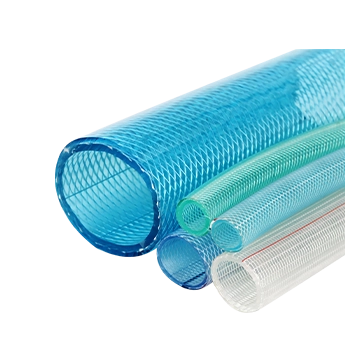
High-Quality Flexible PVC Clear Hose from China: Compatibility, Sizing and Documentation FAQNewsOct.28,2026
-
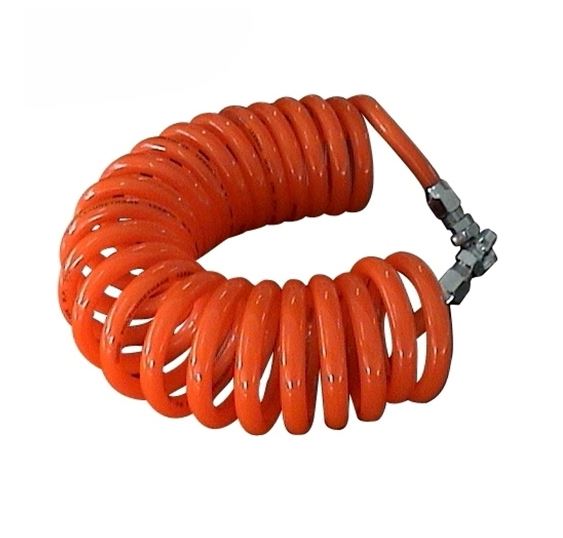
Choosing PU Anti-Sprial Hose: Medium, Dimensions and Operating ConditionsNewsOct.24,2026
-
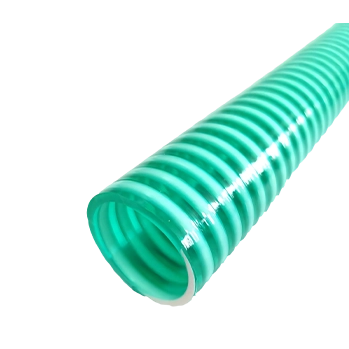
Choosing Plastic PVC Water Pump Suction Hose from a Cost-Effective PVC Water Hose Supplier: Medium, Dimensions and Operating ConditionsNewsOct.24,2026
-
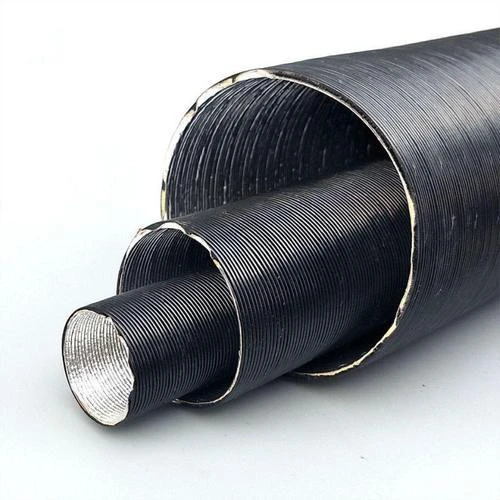
Choosing ALUMINUM FOIL VENTILATION DUCT: Application Fit and Specification ChecksNewsOct.24,2026
 Afrikaans
 Albanian
 Arabic
 Azerbaijani
 Belarusian
 Bengali
 Bulgarian
 Czech
 Danish
 Dutch
 Finnish
 French
 German
 Greek
 Hebrew
 Hindi
 Hungarian
 Indonesian
 Irish
 Italian
 Japanese
 Kazakh
 Korean
 Kyrgyz
 Lao
 Latin
 Lithuanian
 Luxembourgish
 Malay
 Mongolian
 Myanmar
 Nepali
 Norwegian
 Persian
 Polish
 Portuguese
 Russian
 Serbian
 Slovak
 Spanish
 Swedish
 Tagalog
 Thai
 Turkish
 Ukrainian
 Uighur
 Uzbek
 Vietnamese
 Welsh
 English