Vacuum Pipes: Essential Components for Global Industrial and Humanitarian Applications
Understanding Vacuum Pipes: A Global Perspective on Their Role and Benefits
When you hear the term vacuum pipes, you might imagine something highly technical—perhaps part of a vacuum system or advanced manufacturing setup. But these components are quietly pivotal across multiple industries worldwide. Vacuum pipes essentially facilitate the transmission of fluids, gases, or air under reduced pressure, enabling processes that would otherwise be inefficient or impossible under normal atmospheric conditions.
The reason this matters globally is multifold. In manufacturing, healthcare, environmental management, and even humanitarian relief efforts, vacuum pipes serve as essential infrastructure. Their ability to maintain low-pressure environments promotes efficiency, safety, and even sustainability.
Understanding how vacuum pipes work, their design nuances, and where they’re applied can unlock a variety of benefits—from cutting operational costs to improving safety standards. This article walks through these concepts, presented in a friendly but precise manner for industry professionals and curious minds alike.
Introduction: The Worldwide Importance of Vacuum Pipes
Vacuum technology is an ever-evolving field, with global market research estimates showing steady growth—over $25 billion expected worldwide by 2027 according to industry sources like Statista. The proliferation of vacuum pipes is intricately connected with this growth. Their ability to maintain vacuum integrity is essential in sectors ranging from semiconductors fabrication in Asia to pharmaceutical packaging in Europe.
However, the challenge often lies in the durability and scalability of these components to meet increasingly demanding applications. For example, industries pushing toward cleaner manufacturing face evolving material and sealing challenges. I suppose it’s this delicate balance of strength, flexibility, and cost-efficiency that keeps vacuum pipe innovation relevant worldwide.
What Exactly Are Vacuum Pipes?
At its simplest, a vacuum pipe is a conduit designed to transport gases or vapors under reduced pressure (below atmospheric levels). Unlike typical pipes that transfer fluids under normal pressure, vacuum pipes must withstand external atmospheric pressure pushing inward and prevent leaks to maintain that vacuum state.
These pipes link vacuum pumps, chambers, and other equipment to create systems crucial for applications such as vacuum packaging, medical suction, and even fossil fuel extraction. The connection to modern industry is direct: without reliable vacuum pipes, technologies dependent on vacuum environments would risk contamination, process failure, or inefficiency.
Core Features of Vacuum Pipes
1. Durability
Vacuum pipes often operate in harsh environments — sometimes extreme temperatures or corrosive atmospheres. They must be robust, usually crafted from stainless steel, reinforced polymers, or specialized alloys. This ensures longevity and lowers maintenance costs.
2. Leak Tightness
A vacuum pipe’s ability to maintain an airtight seal is absolutely critical. I learned that even minor leaks can reduce system efficiency drastically, increasing energy usage and downtime. Hence, precision manufacturing and specialized sealing materials are the norm.
3. Scalability and Flexibility
From tiny medical vacuum lines to sprawling industrial piping networks, vacuum pipes must be adaptable. Modular designs, flexible joints, and customizable lengths mean systems can expand or shift according to operational demands.
4. Cost Efficiency
Balancing upfront cost with durability and performance is a fine art. Manufacturers offer options ranging from budget-friendly polymer pipes to high-end stainless steel. In real terms, the return on investment often comes in lower repair costs and less downtime.
Typical Specifications of Industrial Vacuum Pipes
| Specification | Typical Range | Notes |
|---|---|---|
| Material | Stainless Steel, EPDM, PE, PTFE | Depends on corrosion resistance and temperature |
| Diameter | 6mm to 500mm+ | Customized based on throughput |
| Pressure Range | 1 mbar to 1 atm (vacuum) | Higher vacuum levels need special sealing |
| Temperature Range | -50°C to 250°C+ | Varies by material |
| Connector Types | Clamp, Flange, Threaded | Ensures tight joints and easy assembly |
Mini takeaway: Vacuum pipes are not one-size-fits-all. Their specs must align with the industry’s strict demands — durability, tightness, and flexibility matter a lot.
Global Applications of Vacuum Pipes
Vacuum pipes aren’t just confined to factories. In Japan, for instance, semiconductor manufacturers rely heavily on sophisticated vacuum pipe systems to create contamination-free environments. In humanitarian settings, vacuum pipes enable efficient medical suction units in mobile clinics deployed during disaster relief across Southeast Asia and Africa.
- Industrial regions: Chemical plants in Europe utilize vacuum pipes to handle corrosive gases safely.
- Energy sectors: Oil extraction rigs in the Middle East incorporate vacuum piping for fluid transportation under harsh conditions.
- Healthcare: Hospitals globally, from the US to India, integrate vacuum pipes into suction devices and sterilization systems.
- Environmental management: Vacuum pipes in water treatment plants enable sludge transport and air evacuation processes.
One example I recall reading was about a remote mining operation in Chile. They switched to vacuum pipe systems to improve pneumatic transport of materials, reducing dust and enhancing worker safety significantly.
Advantages and Long-Term Value of Vacuum Pipes
Why invest time and money into excellent vacuum pipes? For one, they reduce operational costs by minimizing leaks and failure risks — which, frankly, can halt production lines or critical medical services. They also contribute to sustainability. Many industries now use vacuum pipes made from recyclable materials or that require less frequent replacement, reducing environmental impact.
Beyond the technical and financial, the emotional value is there too. Workers feel safer knowing their equipment is reliable, and companies can trust their infrastructure — that’s not fleeting convenience, it's lasting peace of mind.
Future Trends & Innovations
Looking ahead, innovation is creeping in several directions. Advanced polymers infused with nanomaterials promise stronger, lighter vacuum pipes resistant to extreme environments. Digital sensors embedded in vacuum piping networks allow real-time monitoring for leaks or performance drops—a boost for predictive maintenance.
Green energy initiatives also tie in tightly. Vacuum systems play roles in solar panel manufacturing and hydrogen fuel cell production, where ultra-clean, controlled environments are a must. It’s fascinating to watch how vacuum pipe technology is gradually embracing automation and IoT integration, meaning even complex vacuum networks will soon be smarter and more self-reliant.
Challenges & Solutions
Despite all these advantages, vacuum pipes face certain hurdles. Common issues include sealing failures under thermal expansion, abrasion from transported media, or challenges in harsh chemical exposure. Engineers often say that material science is both the key and the bottleneck here.
Innovative solutions like flexible bellows joints, double-layer pipe walls, and advanced sealing technologies are emerging to tackle these problems. Additionally, modular designs allow quick repair or upgrades without dismantling entire systems—saving downtime and costs.
Vendor Comparison: Choosing the Right Vacuum Pipe Supplier
| Vendor | Materials Offered | Customization Options | Typical Lead Time | Price Range (per m) |
|---|---|---|---|---|
| Kebing Hose Co. | Stainless Steel, EPDM, PTFE | Full customization, connectors, diameters | 2-3 weeks | $$$ |
| GlobalVac Pipes | PVC, PE, Stainless Steel | Standard fittings, limited custom | 1-2 weeks | $$ |
| VacTech Solutions | High-grade alloys, PTFE composite | Highly specialized, project-based | 3-4 weeks | $$$$ |
FAQ: Common Questions About Vacuum Pipes
- Q: What materials are best for vacuum pipes in food packaging industries?
- A: Stainless steel and PTFE are preferred as they resist corrosion, are food-grade safe, and maintain vacuum integrity. Plastics like PE may be less durable for this purpose.
- Q: How do I ensure my vacuum pipe system doesn’t develop leaks over time?
- A: Regular inspection combined with high-quality seals and proper installation are key. Using pipes with certified leak-tight connectors can drastically reduce this risk.
- Q: Are vacuum pipes reusable or recyclable?
- A: Many stainless steel vacuum pipes are recyclable, and some flexible polymer pipes can be reused or recycled depending on contamination levels. It depends largely on the specific material and application.
- Q: Can vacuum pipes handle high temperatures?
- A: Yes, but the maximum temperature varies by material. Stainless steel and PTFE can handle elevated temperatures up to 250°C or higher, whereas some plastics may only be suitable for lower temperatures.
- Q: How to select a vacuum pipe vendor near me?
- A: Look for vendors offering customization, certified materials, and strong customer support. Regional availability and lead times also matter. Visiting websites like kebinghose.com can be a good start.
Conclusion: Why Vacuum Pipes Matter Long-Term
Vacuum pipes might seem technical and niche, but their impact spans industries and borders. They underpin critical systems that keep our healthcare safe, manufacturing efficient, and humanitarian efforts operational. Investing in the right vacuum pipe solutions means embracing durability, innovation, and sustainability.
So if you’re exploring vacuum pipes for your project or facility, take the time to understand your needs, materials, and vendors carefully. This attention to detail pays back in reliability and peace of mind for years.
Visit our website https://www.kebinghose.com to explore comprehensive vacuum pipe options tailored to your industry.
Sometimes, it's the hidden workhorses like vacuum pipes that make the biggest difference—quiet, dependable, and absolutely critical.
-
How to Choose Fuel Oil Hose SAE J30 R6 for Size and Service ConditionsNewsNov.11,2026
-
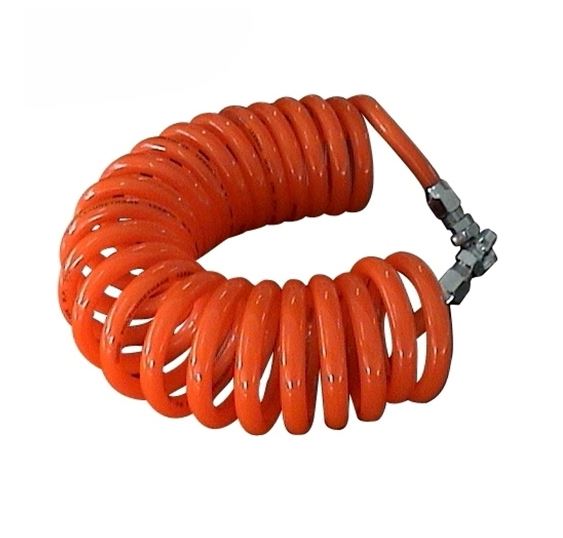
Flexible High Pressure Top Quality PU Pneumatic Tube Air Hose: Comparing Two PU Tube OptionsNewsNov.03,2026
-
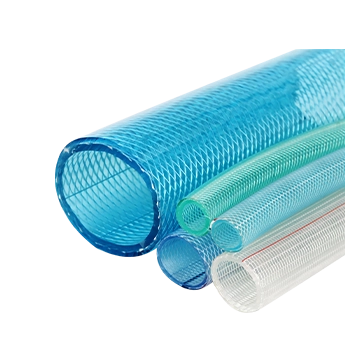
High-Quality Flexible PVC Clear Hose from China: Compatibility, Sizing and Documentation FAQNewsOct.28,2026
-
Choosing PU Anti-Sprial Hose: Medium, Dimensions and Operating ConditionsNewsOct.24,2026
-
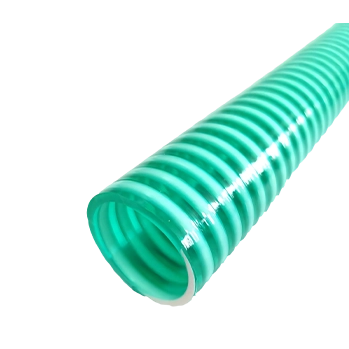
Choosing Plastic PVC Water Pump Suction Hose from a Cost-Effective PVC Water Hose Supplier: Medium, Dimensions and Operating ConditionsNewsOct.24,2026
-
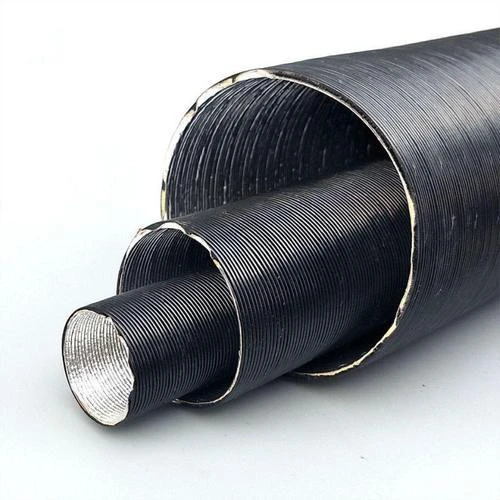
Choosing ALUMINUM FOIL VENTILATION DUCT: Application Fit and Specification ChecksNewsOct.24,2026
 Afrikaans
 Albanian
 Arabic
 Azerbaijani
 Belarusian
 Bengali
 Bulgarian
 Czech
 Danish
 Dutch
 Finnish
 French
 German
 Greek
 Hebrew
 Hindi
 Hungarian
 Indonesian
 Irish
 Italian
 Japanese
 Kazakh
 Korean
 Kyrgyz
 Lao
 Latin
 Lithuanian
 Luxembourgish
 Malay
 Mongolian
 Myanmar
 Nepali
 Norwegian
 Persian
 Polish
 Portuguese
 Russian
 Serbian
 Slovak
 Spanish
 Swedish
 Tagalog
 Thai
 Turkish
 Ukrainian
 Uighur
 Uzbek
 Vietnamese
 Welsh
 English