


What Is Foil Duct and Why It Matters for Energy Efficiency & HVAC
Understanding Foil Duct: Why It Matters in Modern Industries
At first blush, a foil duct might sound like a simple product—a shiny tube, right? But it’s quite a bit more involved and crucial than one might expect, especially when you look at how the world is evolving. Globally, rising energy demands, strict environmental regulations, and the need for efficient airflow management in buildings and industrial settings make foil ducts a significant solution. From improving HVAC systems to supporting green building goals, anyone in construction, manufacturing, or even disaster relief can benefit from understanding their value.
By the end of this rundown, you’ll see why foil duct innovation touches everything from cost savings to sustainability, serving millions worldwide with its flexible yet robust design.
Foil duct in the Global Context
Worldwide, heating, ventilation, and air conditioning (HVAC) account for over 40% of energy use in commercial buildings (source: International Energy Agency). Managing this energy footprint is critical, especially as urban populations swell and climate goals ramp up. Foil ducts—flexible air conduits lined or wrapped in aluminum foil—offer a practical way to reduce thermal losses and improve airflow efficiency.
Industries from pharmaceuticals to high-tech manufacturing rely on precise air handling systems, and foil ducts help limit contamination and maintain consistent climate zones. Oddly enough, even humanitarian efforts are adopting foil duct technology for temporary shelters and clinics, where simple, effective airflow is a must.
What is a Foil Duct?
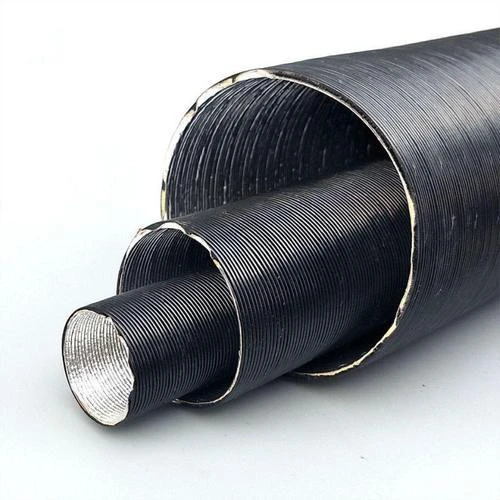
Put simply, a foil duct is a flexible ducting solution made by layering thin aluminum foil over insulation, typically fiberglass or foam. This composite provides a barrier against heat, moisture, and sometimes sound. It’s designed to serve as a channel for conditioned air in HVAC or industrial ventilation systems.
As buildings get smarter and more energy-conscious, these ducts have evolved to be lightweight, easy to install, and better sealed than older duct options. This is why modern construction and humanitarian deployments lean heavily on foil duct designs—they’re adaptable and scalable.
Core Components of Foil Ducts
Durability
The aluminum foil skin is resistant to tears and moisture penetration, adding years to the duct’s lifetime. Many engineers say it holds up better under vibration and temperature swings than plain plastic ducts.
Thermal Insulation
Underneath the foil, layers of insulation reduce heat transfer to ambient air, helping systems maintain desired temperatures with less energy.
Flexibility & Scalability
Because foil ducts are flexible, they easily curve around obstacles – an absolute game-changer when retrofitting existing buildings or setting up temporary installations.
Cost Efficiency
They are generally more affordable than rigid metal ducts and reduce labor costs through faster installation times. Plus, their energy efficiency leads to long-term savings, which managers love.
Foil Duct Product Specification Table
| Specification | Typical Value | Units |
|---|---|---|
| Diameter Range | 4 - 24 | inches |
| Length per Roll | 25 - 50 | feet |
| Thermal Conductivity (k) | 0.032 | W/m·K |
| Temperature Range | -40 to 250 | °F |
| Fire Rating | Class A | UL 181 |
Global Applications & Use Cases
- Commercial Buildings: Large offices deploy foil ducts in chilled beams and air handling to minimize thermal loss and improve safety by preventing fire spread.
- Healthcare Facilities: Hospitals use these ducts to maintain sterile environments by reducing contamination risks.
- Emergency Relief: Post-disaster shelters often incorporate foil ducts due to their portability and rapid setup.
- Industrial Zones: Factories worldwide depend on the durability and adaptability of foil ducts in complex HVAC and exhaust systems.
For example, after the 2015 earthquake in Nepal, several NGOs opted for foil duct-based temporary clinic ventilation solutions because the material was lightweight yet effective against moisture and dust.
Advantages & Long-Term Value
The benefits are both practical and emotional. Practically, foil ducts contribute to:
- Reduced energy bills by cutting down heat loss.
- Improved air quality via tight seals and contamination barriers.
- Easier maintenance due to corrosion resistance and longevity.
Emotionally, building occupants feel safer, and managers enjoy the peace of mind knowing their systems are more sustainable and reliable. It also supports corporate responsibility goals, an increasingly important factor in procurement.
Future Trends & Innovations
Looking ahead, manufacturers are exploring greener insulation materials paired with foil, aiming for even lower environmental footprints. Smart ducts with embedded sensors to monitor airflow and temperature in real time are no longer sci-fi — they're proving their worth in commercial pilot projects.
Policy shifts favoring energy efficiency, like those from the International Organization for Standardization (ISO), are also nudging the industry toward more robust foil duct solutions.
Challenges & Solutions
Not everything is perfect though. Installation can sometimes be tricky in tight spaces, and sealing foil ducts requires experienced technicians to avoid air leaks. Moisture condensation may accumulate if ducts aren’t correctly insulated.
To overcome these, experts recommend:
- Proper training for installers and workers
- Advanced sealants and joining materials
- Regular system inspections and maintenance plans
Some companies are even developing modular, snap-fit systems that promise zero-leak airflow with minimal labor.
Comparing Foil Duct Vendors
| Feature | Vendor A | Vendor B | Vendor C |
|---|---|---|---|
| Material Quality | High-grade aluminum | Standard foil + fiberglass | Recycled materials |
| Thermal Efficiency | 0.03 W/m·K | 0.035 W/m·K | 0.04 W/m·K |
| Fire Ratings | UL 181, Class A | UL 181, Class B | UL 181, Class A |
| Installation Support | Technical training | Guides only | On-site support |
| Eco-friendly Options | Yes | No | Yes |
FAQ: Your Top Questions About Foil Duct
Q1: How do foil ducts improve HVAC energy efficiency?
Foil ducts reduce heat loss or gain by combining aluminum’s reflective properties with insulating layers underneath, helping maintain air temperature and reduce energy needed to heat or cool spaces.
Q2: Are foil ducts safe in terms of fire resistance?
Most quality foil ducts comply with UL 181 fire ratings and feature flame-retardant materials, but always check certification. Proper installation is key to maintaining safety.
Q3: Can foil ducts be used outdoors?
They can, but additional UV-resistant coatings or protective jacketing might be required since prolonged sun exposure degrades foil layers and insulation.
Q4: What is the average lifespan of a foil duct system?
With proper installation and maintenance, foil ducts often last 15-20 years, sometimes longer than traditional flexible ducts.
Q5: How customizable are foil duct solutions?
Quite flexible! They come in a range of diameters, lengths, insulation thickness, and even antimicrobial treatments depending on application needs.
Conclusion: Why Foil Ducts Remain a Smart Investment
In the grand scheme, foil ducts encapsulate a practical, efficient answer to modern airflow challenges. Their blend of durability, cost-effectiveness, and energy savings coupled with evolving green technologies makes them indispensable. Whether you’re retrofitting an office, outfitting a factory, or setting up emergency shelters, investing in quality foil ducts is a step toward operational excellence and sustainability.
If you want to dive deeper or explore product options, visit our website: https://www.kebinghose.com.
Mini Takeaway: Foil ducts are more than shiny tubes—they’re critical infrastructure components shaping energy efficiency and comfort worldwide.
References:
-
How to Choose Fuel Oil Hose SAE J30 R6 for Size and Service ConditionsNewsNov.11,2026
-
Flexible High Pressure Top Quality PU Pneumatic Tube Air Hose: Comparing Two PU Tube OptionsNewsNov.03,2026
-
High-Quality Flexible PVC Clear Hose from China: Compatibility, Sizing and Documentation FAQNewsOct.28,2026
-
Choosing PU Anti-Sprial Hose: Medium, Dimensions and Operating ConditionsNewsOct.24,2026
-
Choosing Plastic PVC Water Pump Suction Hose from a Cost-Effective PVC Water Hose Supplier: Medium, Dimensions and Operating ConditionsNewsOct.24,2026
-
Choosing ALUMINUM FOIL VENTILATION DUCT: Application Fit and Specification ChecksNewsOct.24,2026
 Afrikaans
 Albanian
 Arabic
 Azerbaijani
 Belarusian
 Bengali
 Bulgarian
 Czech
 Danish
 Dutch
 Finnish
 French
 German
 Greek
 Hebrew
 Hindi
 Hungarian
 Indonesian
 Irish
 Italian
 Japanese
 Kazakh
 Korean
 Kyrgyz
 Lao
 Latin
 Lithuanian
 Luxembourgish
 Malay
 Mongolian
 Myanmar
 Nepali
 Norwegian
 Persian
 Polish
 Portuguese
 Russian
 Serbian
 Slovak
 Spanish
 Swedish
 Tagalog
 Thai
 Turkish
 Ukrainian
 Uighur
 Uzbek
 Vietnamese
 Welsh
 English







