1 Inch PVC Hose – Durable, Versatile Hose Solutions for Industry & Agriculture
Understanding and Choosing the Right 1 Inch PVC Hose for Your Needs
When you hear “1 inch PVC hose,” you might just picture a simple plastic tube. But hold on — this seemingly plain item plays a surprisingly pivotal role globally, across agriculture, industry, construction, and even emergency relief. Frankly, the right hose can make or break projects involving water transfer, chemical handling, or irrigation. Understanding what a 1 inch PVC hose offers is crucial for anyone from an irrigation engineer in rural India to a site manager in Dubai.
Globally, industries pump billions of gallons through hoses annually. According to the International Standards Organization (ISO), ensuring the integrity of fluid transport systems is key for sustainability and safety. That’s where a well-designed PVC hose steps in, balancing cost, durability, and flexibility. Given the rising demand for efficient water management and industrial safety standards, knowing your hoses is no longer just a technicality — it’s part of responsible practice and innovation.
What Exactly is a 1 Inch PVC Hose?
In simple terms, a 1 inch PVC hose is a flexible tube made primarily from polyvinyl chloride (PVC), designed to transport liquids or gases. The “1 inch” refers to the inner diameter, typically ideal for moderate flow rates. Its lightweight and non-corrosive properties make it especially popular in modern industries — from construction sites moving water for dust suppression to humanitarian missions delivering clean water after natural disasters.
PVC hoses have the added charm of being adaptable: they can be reinforced for added pressure resistance, or kept light for ease of deployment. Oddly enough, though it’s plastic, the engineering that goes into crafting a trustworthy 1 inch PVC hose is quite nuanced.
Key Components and Factors to Consider
1. Durability and Material Quality
The backbone of any good PVC hose is the material grade. High-quality PVC resists UV rays, chemicals, and abrasion. This means the hose lasts longer, reducing replacement frequency. For example, a hose rated for up to 150 PSI will tolerate industrial pressures better than a generic garden pipe.
2. Flexibility and Weight
Ease of handling matters a lot in fast-paced fields like firefighting or agriculture. Many engineers say a lightweight, flexible 1 inch PVC hose can save hours in setup and takedown. Yet, flexibility often trades off with pressure tolerance, so balance is key.
3. Chemical Resistance
Not all hoses can carry just water — many industries require safe transport of mild acids, alkalis, or fertilizers. Here, PVC hoses’ chemical resistance comes into play, expanding their utility across sectors.
4. Temperature Range
While PVC hoses do well from roughly -10°C to 60°C, extreme conditions might demand specialized variants. It’s worth checking if your chosen hose will perform on a chilly construction site or in heated industrial processes.
Quick Facts: 1 Inch PVC Hose Specifications
| Specification | Details |
|---|---|
| Inner Diameter | 1 inch (25.4 mm) |
| Material | Polyvinyl Chloride (PVC), with/without reinforcements |
| Max Pressure Rating | Typically 100-150 PSI |
| Temperature Range | -10°C to 60°C (may vary) |
| Length Options | Available from 10 feet to 100 feet+ |
Global Applications & Use Cases
In real terms, this hose is everywhere. Agricultural irrigation in sub-Saharan Africa often depends on durable 1 inch PVC hoses capable of withstanding the rough terrain and intense sun exposure. In Southeast Asia, they channel fertilizers safely on vast rice paddies. Construction sites in the Middle East rely on them to move water quickly for cement mixing and dust control.
Post-disaster relief operations have also discovered the usefulness of rapid deployment hoses. Clean water delivery after floods or earthquakes needs hoses that are reliable, easy to transport, and compatible with pumps — perfectly described by many industry-standard 1 inch PVC hoses.
Interestingly, some NGOs have standardized on PVC hoses for modular water infrastructure projects, valuing their mix of performance and affordability. If you want an example, check out this 1 inch pvc hose supplier supporting such efforts worldwide.
Vendor Comparison: Popular 1 Inch PVC Hose Brands
| Brand | Max Pressure | Flexibility | Chemical Resistance | Typical Price per Ft |
|---|---|---|---|---|
| Kebing Hose | 150 PSI | High | Excellent | $2.50 |
| Generic PVC Co. | 100 PSI | Medium | Fair | $1.80 |
| FlexiPipe Ltd. | 120 PSI | High | Good | $2.30 |
Why Choose a 1 Inch PVC Hose? Advantages & Long-Term Value
- Cost Efficiency: PVC hoses tend to be more affordable than rubber or metal alternatives, especially in bulk.
- Longevity: Resistance to UV, corrosion, and abrasion extends service life.
- Lightweight & Easy Handling: Reduces labor time on-site, beneficial for emergency or temporary setups.
- Safe for Multiple Fluids: Chemical resistance helps transport a wide range of liquids safely.
On a personal note, many engineers I’ve spoken with emphasize how having a reliable 1 inch PVC hose is a small but vital part of managing risk and downtime. It’s not glamorous, but it’s trusted.
Emerging Trends and Innovations
Sustainability is gradually reshaping PVC hose manufacturing. New bio-based PVC blends and recyclable materials are entering the market — aiming to reduce plastic waste. Some companies are exploring sensors embedded along hoses to detect leaks or wear — a smart addition for high-stakes industrial environments.
Also, automation in agriculture and smart water management systems increasingly depend on reliable, durable hoses to ensure fluid control. So, the humble 1 inch PVC hose is slowly evolving into a smart, eco-conscious component of modern infrastructure.
Common Challenges and Ways Forward
Of course, PVC hoses aren’t perfect. They can stiffen in cold, crack if mishandled, or fail under extreme pressure or chemicals outside their specs. The solution? Well-maintained inventory protocols, proper hose selection based on use-case, and working closely with manufacturers and vendors such as 1 inch pvc hose specialists who offer technical support.
Engineers sometimes reinforce PVC hoses with embedded polyester yarns or use hybrid materials to address weaknesses. Ongoing R&D in polymer chemistry is also promising.
FAQ: Your Questions About 1 Inch PVC Hose Answered
- Q: What industries benefit most from using a 1 inch PVC hose?
- A: Agriculture, construction, chemical processing, and emergency relief sectors commonly rely on 1 inch PVC hoses due to their versatility and ease of use.
- Q: How long can a typical 1 inch PVC hose last outdoors?
- A: With quality PVC material and UV protection, hoses can last 3–5 years outdoors under moderate conditions, but lifespan varies with usage and storage.
- Q: Is a 1 inch PVC hose suitable for handling fertilizers and mild chemicals?
- A: Yes, many PVC hoses are chemically resistant enough for such applications, but it’s important to check the compatibility with specific chemicals beforehand.
- Q: Can the 1 inch PVC hose be customized in length or fittings?
- A: Absolutely, most vendors including Kebing Hose offer custom cuts and a variety of end fittings to match your project needs.
- Q: How do I ensure the hose pressure rating matches my equipment?
- A: Always compare your system’s max working pressure with the hose’s rated pressure and include a safety margin to avoid failures.
Conclusion
To wrap up, the 1 inch PVC hose is far from a simple accessory — it’s a critical component powering water and chemical transport across the globe. Its balance of cost, durability, and versatility means it fits into everything from emergency aid to industrial systems. So, if you’re setting up a project or upgrading your infrastructure, paying close attention to hose quality can make a massive difference.
Curious to explore the latest options? Visit our trusted supplier at https://www.kebinghose.com for a range of high-quality 1 inch PVC hoses designed to meet diverse needs.
In the end, it’s often these quiet, reliable workhorses of industry that keep our modern world flowing smoothly.
References
-
How to Choose Fuel Oil Hose SAE J30 R6 for Size and Service ConditionsNewsNov.11,2026
-
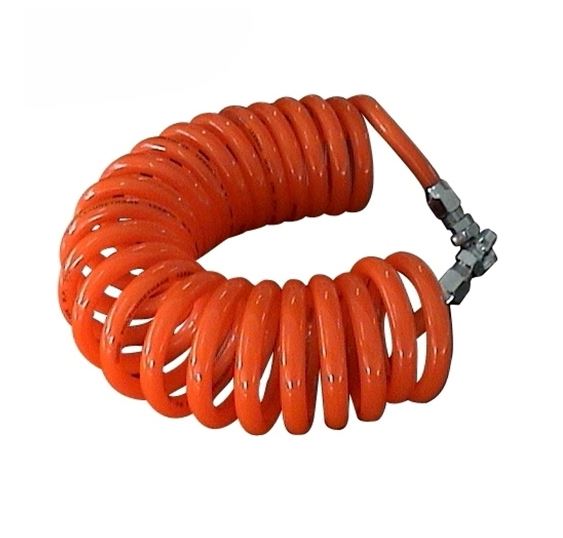
Flexible High Pressure Top Quality PU Pneumatic Tube Air Hose: Comparing Two PU Tube OptionsNewsNov.03,2026
-
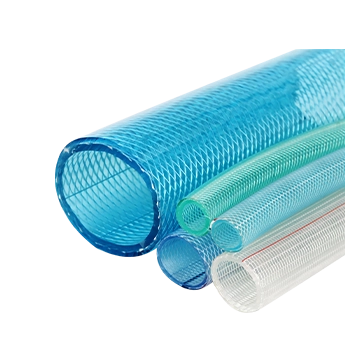
High-Quality Flexible PVC Clear Hose from China: Compatibility, Sizing and Documentation FAQNewsOct.28,2026
-
Choosing PU Anti-Sprial Hose: Medium, Dimensions and Operating ConditionsNewsOct.24,2026
-
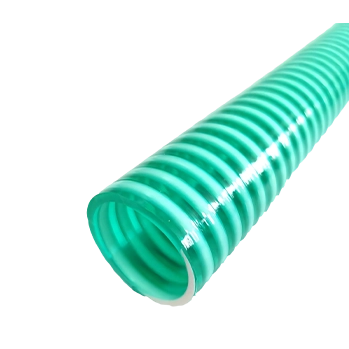
Choosing Plastic PVC Water Pump Suction Hose from a Cost-Effective PVC Water Hose Supplier: Medium, Dimensions and Operating ConditionsNewsOct.24,2026
-
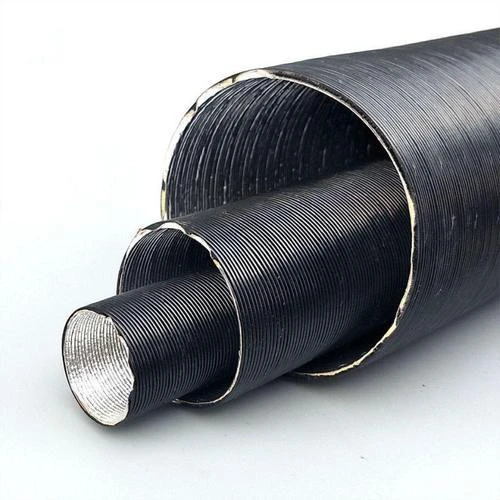
Choosing ALUMINUM FOIL VENTILATION DUCT: Application Fit and Specification ChecksNewsOct.24,2026
 Afrikaans
 Albanian
 Arabic
 Azerbaijani
 Belarusian
 Bengali
 Bulgarian
 Czech
 Danish
 Dutch
 Finnish
 French
 German
 Greek
 Hebrew
 Hindi
 Hungarian
 Indonesian
 Irish
 Italian
 Japanese
 Kazakh
 Korean
 Kyrgyz
 Lao
 Latin
 Lithuanian
 Luxembourgish
 Malay
 Mongolian
 Myanmar
 Nepali
 Norwegian
 Persian
 Polish
 Portuguese
 Russian
 Serbian
 Slovak
 Spanish
 Swedish
 Tagalog
 Thai
 Turkish
 Ukrainian
 Uighur
 Uzbek
 Vietnamese
 Welsh
 English