


Blue PVC Hose – Durable, Flexible Solutions for Industrial & Humanitarian Needs
All About Blue PVC Hose: Durable Solutions for Today’s Industries
When people think about hoses, honestly, a lot of the time they don’t give it much thought beyond a garden hose or something simple. But the blue PVC hose is actually a fascinating piece of equipment that's quietly supporting everything from global manufacturing operations to emergency water delivery programs. I suppose it isn’t just about plastic tubing—it’s about resilience, adaptability, and ongoing innovation worldwide.
Blue PVC hoses matter because they combine cost efficiency with durability, essential qualities in sectors facing challenges like harsh weather or remote logistics. Plus, their prominent use in areas addressing water access—especially in developing regions—gives them a humanitarian edge. Understanding these hoses helps industries, governments, and relief organizations plan better infrastructure, ensure safety, and even save costs.
Introduction: Global Relevance of Blue PVC Hose
According to the UN, more than 2 billion people worldwide lack safely managed drinking water services, and efficient water transportation solutions are in critical demand. The blue PVC hose often becomes the unsung hero in these scenarios. Not only does it show up in agriculture and manufacturing, but it’s crucial in disaster relief and infrastructure projects worldwide.
Oddly enough, despite the rise of high-tech alternatives, the blue PVC hose remains preferred because of its ease of use and affordable production. In industrial markets, durability against chemicals and weather extremes keeps it at the forefront. And yet, challenges do exist—involving supply chain constraints and environmental concerns—that manufacturers and users alike wrestle with.
What Is a Blue PVC Hose?
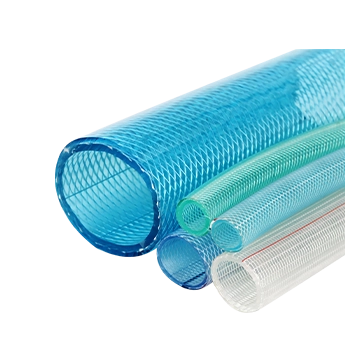
Simply put, a blue PVC hose is a flexible tubing made primarily from polyvinyl chloride (PVC) material, designed for transporting liquids or gases. The blue color isn’t just for aesthetics—it generally signals specific usage, such as potable water or food-grade applications, adhering to safety standards.
This hose’s connection to modern industry is deep-rooted: its chemical resistance, lightweight nature, and flexibility allow plumbers, factory operators, and field workers to handle fluids safely and efficiently. In humanitarian contexts, they’re a go-to for clean water delivery, irrigation, and sanitation setups.
Key Features of Blue PVC Hose
Durability
The main component, PVC, is inherently resistant to abrasion and corrosion. Plus, these hoses often come reinforced with polyester yarns to enhance tensile strength, helping them withstand rough conditions. Many engineers appreciate how they can endure outdoor exposure without cracking easily—even under UV rays.
Flexibility
Unlike rigid pipes, blue PVC hoses bend without kinking, making them extremely versatile on uneven terrains or in cramped spaces. This flexibility translates to easier installation and handling during field operations, reducing labor time significantly.
Cost Efficiency
Compared to rubber or metal hoses, PVC hoses provide a budget-friendly option with relatively low maintenance. The manufacturing processes standardized globally keep prices competitive without sacrificing quality—though obviously, supplier reputation matters here.
Chemical Resistance
Blue PVC hoses can transport a wide range of chemicals, cleaning agents, and potable water safely. Their resistance to mild acids, alkalis, and oils makes them indispensable in factories and agriculture.
Compliance & Safety
Many blue PVC hoses comply with standards like NSF/ANSI 61 for drinking water safety or ISO certifications — which means users can trust their material integrity and innocuousness in sensitive applications.
Blue PVC Hose Specifications
| Specification | Details |
|---|---|
| Material | PVC with polyester reinforcement |
| Diameter Range | 6mm to 200mm |
| Pressure Rating | Up to 16 bar (varies by size) |
| Temperature Range | -5°C to +65°C |
| Color | Blue (standard) |
| Certifications | NSF/ANSI 61, ISO 9001 |
Mini takeaway: Blue PVC hoses feature robust reinforcement, moderate pressure resistance, and meet important safety certifications, making them ideal for flexible, safe fluid transport.
Global Applications & Use Cases
You’ll find blue PVC hoses in all sorts of places worldwide. For example, in agriculture—from drip irrigation systems in Southeast Asia to large plantations in Africa—they facilitate efficient water use under varying conditions.
In industrial zones—say, chemical factories or food processing plants—these hoses transport raw materials or finished liquids, consistently meeting safety requirements. Large construction projects in the Middle East often rely on them for concrete pumping or dust suppression.
And here’s where it gets even more interesting: in humanitarian aid. In post-disaster relief operations, NGOs use blue PVC hoses to quickly set up clean water supplies. The ease of transport, durability, and safety certifications are vital during emergencies, where every minute counts and equipment failure is not an option.
Vendor Comparison
| Vendor | Price Range | Certifications | Lead Time | Customization |
|---|---|---|---|---|
| Kebing Hose | Competitive | ISO 9001, NSF | 2-3 weeks | Yes |
| AquaFlex Ltd. | Mid | NSF 61 | 3-4 weeks | Limited |
| Global Hose Supply | Higher | ISO 14001 | 4-5 weeks | Yes, but MOQ applies |
Mini takeaway: Kebing Hose stands out for certification breadth, faster delivery, and customization—making it an excellent choice for industrial and humanitarian clients.
Advantages & Long-Term Value
- Cost effectiveness: Strong, reliable, yet affordable allows for large-scale deployment, reducing replacement cycles.
- Sustainability: Long service life lowers plastic waste compared to short-lived options, and recycling initiatives are emerging.
- Social impact: Safe water transport supports health and dignity in vulnerable populations.
- Reliability: Consistent performance under varying temperature and pressure ensures trust in critical applications.
- Innovation: Ongoing improvements in materials and coatings improve lifespan and environmental footprint.
Emerging Trends & Innovations
Frankly, the industry is buzzing with new approaches. Biodegradable additives in PVC, smart hoses equipped with embedded sensors to detect leaks or pressure drops, and production shifts using renewable energy all point to greener and smarter futures. Automation during manufacturing is also cutting lead times.
Importantly, international standards bodies like ISO are tightening requirements on chemical content and recyclability—directing manufacturers toward safer, more eco-conscious choices. While these changes take time to spread globally, some pioneering companies (including blue pvc hose producers) already pilot these advances.
Common Challenges & Solutions
One challenge users might face is degradation in extreme UV or temperature conditions over extended use. However, manufacturers combat this by adding UV stabilizers and offering heat-resistant variants.
Environmental concerns about PVC disposal are real, but increasingly, recycling programs and alternative PVC blends with bio-based plasticizers are reducing the footprint. Plus, users can prolong hose life by proper maintenance like avoiding bending beyond tolerance and cleaning regularly.
Supply chain disruptions, as witnessed globally recently, also affect availability. Innovative vendors maintain buffer stocks and diversified sourcing strategies to mitigate delays.
FAQ: Frequently Asked Questions About Blue PVC Hose
- Q: Is a blue PVC hose safe for drinking water?
- A: Yes, provided it complies with NSF/ANSI 61 or similar certifications, the blue PVC hose is designed to be safe for potable water applications and resists leaching harmful chemicals.
- Q: How flexible is a blue PVC hose compared to rubber hoses?
- A: Blue PVC hoses are generally more rigid than rubber hoses but maintain sufficient flexibility for most industrial and agricultural needs, especially due to their reinforced construction.
- Q: Can I use blue PVC hoses outdoors for irrigation?
- A: Absolutely. Most blue PVC hoses are UV stabilized for outdoor use, making them ideal for irrigation systems, though it’s wise to consult specs for temperature and pressure limits.
- Q: What is the typical lifespan of a blue PVC hose?
- A: Lifespan varies by usage conditions, but under regular standards, they last 3-5 years or more with proper maintenance. Harsh chemical exposure or extreme climates might shorten this.
Conclusion
In real terms, blue PVC hoses represent more than just tubing—they're a bridge to reliable infrastructure, economic efficiency, and safe water solutions globally. Whether you're managing a factory line or coordinating a humanitarian water supply, investing time to understand their features and options pays off in durability and peace of mind.
Curious to see the full range and get expert advice? Visit https://www.kebinghose.com today.
Reflection: Often overlooked, something as “simple” as a blue PVC hose packs a punch in engineering and social outcomes—proof that small components carry big weight.
-
How to Choose Fuel Oil Hose SAE J30 R6 for Size and Service ConditionsNewsNov.11,2026
-
Flexible High Pressure Top Quality PU Pneumatic Tube Air Hose: Comparing Two PU Tube OptionsNewsNov.03,2026
-
High-Quality Flexible PVC Clear Hose from China: Compatibility, Sizing and Documentation FAQNewsOct.28,2026
-
Choosing PU Anti-Sprial Hose: Medium, Dimensions and Operating ConditionsNewsOct.24,2026
-
Choosing Plastic PVC Water Pump Suction Hose from a Cost-Effective PVC Water Hose Supplier: Medium, Dimensions and Operating ConditionsNewsOct.24,2026
-
Choosing ALUMINUM FOIL VENTILATION DUCT: Application Fit and Specification ChecksNewsOct.24,2026
 Afrikaans
 Albanian
 Arabic
 Azerbaijani
 Belarusian
 Bengali
 Bulgarian
 Czech
 Danish
 Dutch
 Finnish
 French
 German
 Greek
 Hebrew
 Hindi
 Hungarian
 Indonesian
 Irish
 Italian
 Japanese
 Kazakh
 Korean
 Kyrgyz
 Lao
 Latin
 Lithuanian
 Luxembourgish
 Malay
 Mongolian
 Myanmar
 Nepali
 Norwegian
 Persian
 Polish
 Portuguese
 Russian
 Serbian
 Slovak
 Spanish
 Swedish
 Tagalog
 Thai
 Turkish
 Ukrainian
 Uighur
 Uzbek
 Vietnamese
 Welsh
 English







