Air Hose Rubber vs PVC: Choosing the Best Material for Industrial Efficiency
Air Hose Rubber vs PVC: Which Material Fits Your Industrial Needs Best?
When it comes to pneumatic systems, one seemingly small component can make or break efficiency—the air hose. And nowadays, the debate comes down to air hose rubber vs PVC. While it might sound trivial, the choice between these two materials is pretty significant on a global scale. Think about industries from manufacturing to construction, or even emergency relief setups: the durability, flexibility, and safety of the hose directly impact productivity and worker safety everywhere.
Understanding this difference isn’t just a technicality; it helps companies optimize costs, reduce downtime, and even support sustainability goals. So, whether you’re an engineer, a procurement specialist, or just curious, let’s explore what makes these materials tick and why it truly matters.
Global Context and Why It Matters
According to ISO standards detailing pneumatic equipment (ISO 6743-3), air hoses are vital for safe and efficient compressed air delivery. The World Bank notes that industrial pneumatic tools contribute significantly to productivity worldwide, especially in emerging economies investing heavily in manufacturing infrastructure. However, environmental footprints tied to material choice often impact procurement decisions.
The challenge? Balancing cost, longevity, environmental impact, and performance under different conditions. PVC and rubber are the leading contenders, each with quirks suited for specific needs. It’s no surprise manufacturers and industries worldwide continuously revisit the air hose debate with fresh eyes.
Definition: What Is Air Hose Rubber vs PVC?
At its simplest, air hose rubber and PVC (polyvinyl chloride) air hose refer to the materials used in the construction of flexible tubes that safely transport compressed air. Rubber hoses are typically made from natural or synthetic rubber blends, giving them elasticity and strength. PVC hoses, by contrast, use a plastic-based polymer that’s rigid but can be made flexible with additives.
Both types connect pneumatic tools and machinery but serve slightly different operational contexts, with impacts on handling, durability, and chemical resistance. Modern industries such as automotive plants, food processing, and even humanitarian logistics rely heavily on these hoses for everything from tool operation to inflating life-saving equipment.
Key Factors to Consider When Choosing Between Rubber and PVC Hoses
Durability and Flexibility
Rubber hoses often excel in environments demanding toughness and flexibility. Thanks to natural elasticity, they resist kinks and cracks better under extreme temperature changes. PVC hoses, while sturdier in chemical resistance, tend to be less flexible and more prone to stiffening over time, especially in cold climates.
Cost Efficiency
PVC hoses generally come cheaper upfront, making them attractive for budget-conscious buyers. But rubber hoses often outlast PVC equivalents, meaning fewer replacements and less downtime. When factoring in lifespan, sometimes paying a bit more initially pays off in the long run.
Weight and Handling
PVC hoses are usually lighter. For mobile setups—say, a construction site where workers drag hoses around all day—this can mean less fatigue. Rubber hoses tend to be heavier but offer a better grip and resistance to abrasion.
Chemical and Temperature Resistance
Here’s an interesting bit: PVC hoses often better tolerate oils and chemicals, while rubber hoses handle temperature extremes better, from frigid cold to intense heat, without losing integrity.
Environmental Impact and Sustainability
PVC is a plastic that raises concerns about recyclability and toxins during production and disposal. Rubber, especially if natural, provides a somewhat greener profile but might cost more in manufacturing energy.
Air Hose Rubber vs PVC: Quick Specs Comparison
| Feature | Rubber Hose | PVC Hose |
|---|---|---|
| Flexibility | High | Moderate |
| Chemical Resistance | Moderate | High |
| Temperature Range | -40°C to 80°C | 0°C to 60°C |
| Weight | Heavier | Lighter |
| Cost | Higher initial | Lower initial |
| Environmental Impact | Better if natural | Concerns with PVC production |
Who Uses These Hoses, and Where?
In practical terms, you’ll find these hoses everywhere. Automotive plants in Germany rely heavily on rubber air hoses for high-temperature resistance during manufacturing. Across Asia, construction sites often opt for PVC hoses due to cost constraints and lighter weight, despite slightly lower flexibility.
Humanitarian organizations—take, for example, disaster relief teams responding to flooding in Southeast Asia—might choose rubber hoses when reliability and durability in tough weather conditions are critical. Conversely, some large-scale indoor factories prefer PVC hoses because of excellent chemical resistance and budget factors.
Mini takeaway: Different environments push one material or another into spotlight — which one suits your needs is a personal puzzle.
Vendor Comparison: Top Rubber vs PVC Air Hose Manufacturers
| Vendor | Materials Offered | Key Strengths | Typical Markets |
|---|---|---|---|
| Kebing Hose Co. | Rubber, PVC, Hybrid | Customization, durability, eco-options | Industrial, Construction, Food Processing |
| FlexiTube Inc. | Primarily PVC | Cost-effective, lightweight | Construction, HVAC, Agriculture |
| RubberWorks | Rubber-focused | High-temp resistance, extreme flexibility | Automotive, Manufacturing, Aviation |
Advantages & Long-Term Value of Choosing the Right Air Hose
Opting for the appropriate air hose material isn’t just about price tags. Rubber hoses often carry a perception of reliability — you know it’ll handle extreme conditions without fail, which matters for safety and reducing accidents. PVC hoses appeal on the pragmatic side with their affordability and chemical resistance, great for controlled indoor settings.
The long-term value includes reduced replacement costs, improved safety margins, and sometimes even environmental benefits. Companies increasingly aim to demonstrate stewardship, so has sustainability started tipping decisions in rubber’s favor, especially when sourced naturally?
The Future: What’s Next in the Air Hose Material World?
Innovation never stops. We’re seeing emerging research into hybrid hoses combining PVC’s chemical resistance with rubber’s pliability. Additionally, biodegradable or more recyclable materials are captivating the attention of brands responding to tightening global environmental regulations — especially those inspired by ISO environmental management systems.
Automation and digital monitoring are also creeping into pneumatic tools; hoses with embedded sensors measuring pressure drops or wear could soon become standard. Perhaps oddly enough, something as “simple” as an air hose could become a smart asset, enhancing preventive maintenance and safety.
Challenges & Expert Tips
Both materials have their quirks: PVC hoses can degrade under UV exposure and cold weather, making outdoor use tricky. Rubber hoses may be vulnerable to certain oils and fuels, leading to premature wear. Those are real pain points many engineers share.
Experts recommend matching hose choice closely with environmental and operational conditions and considering hybrid or specialty hoses when standard materials show limitations. Storage and maintenance practices can also extend hose life significantly—keep hoses clean, dry, and coiled properly.
FAQ: Common Questions About Air Hose Rubber vs PVC
- Q: Which material lasts longer in outdoor construction environments?
A: Rubber hoses generally outlast PVC outdoors due to better UV and temperature resistance, though specialized PVC blends exist. - Q: Are PVC hoses safe for food processing industries?
A: Yes, food-grade PVC hoses with proper certifications are common here due to chemical inertness and ease of cleaning. - Q: Can I recycle rubber air hoses?
A: Natural rubber hoses have some recycling options, but synthetic blends are harder to process. PVC recycling depends heavily on local facilities. - Q: Is weight a big factor in choosing air hoses?
A: Absolutely—a lighter PVC hose reduces user fatigue in mobile applications, while heavier rubber hoses offer durability in static setups. - Q: What about cost differences over time?
A: PVC hoses have a lower upfront cost but might need more frequent replacement; rubber hoses cost more initially but last longer, balancing expenses.
Conclusion: Making the Best Choice for Your Air Hose Needs
In the end, the “air hose rubber vs pvc” question boils down to your unique situation. Are you prioritizing flexibility, cost, chemical resistance, or sustainability? Understanding these nuances can streamline procurement, improve operations, and even boost safety in the long run.
If you want further tailored advice or quality industrial hoses, don’t hesitate to visit https://www.kebinghose.com — their expertise including hybrid and eco-friendly hoses will definitely come in handy.
Oddly enough, even small details like hose material ripple out to big effects worldwide. It feels like a simple choice, but it’s worth the deep dive.
References
-
How to Choose Fuel Oil Hose SAE J30 R6 for Size and Service ConditionsNewsNov.11,2026
-
Flexible High Pressure Top Quality PU Pneumatic Tube Air Hose: Comparing Two PU Tube OptionsNewsNov.03,2026
-
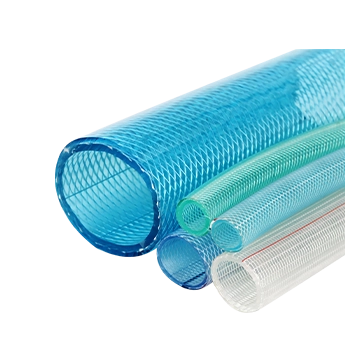
High-Quality Flexible PVC Clear Hose from China: Compatibility, Sizing and Documentation FAQNewsOct.28,2026
-
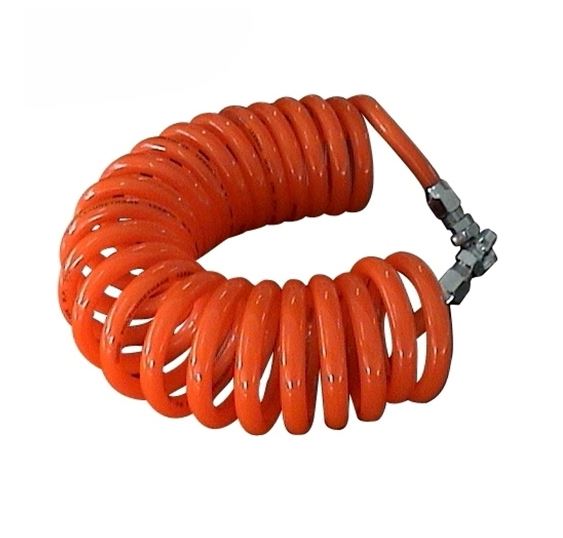
Choosing PU Anti-Sprial Hose: Medium, Dimensions and Operating ConditionsNewsOct.24,2026
-
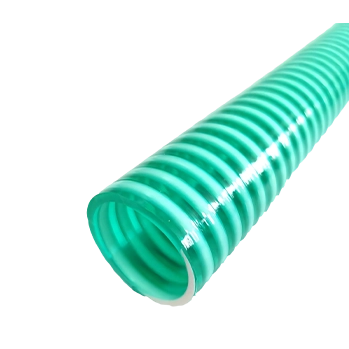
Choosing Plastic PVC Water Pump Suction Hose from a Cost-Effective PVC Water Hose Supplier: Medium, Dimensions and Operating ConditionsNewsOct.24,2026
-
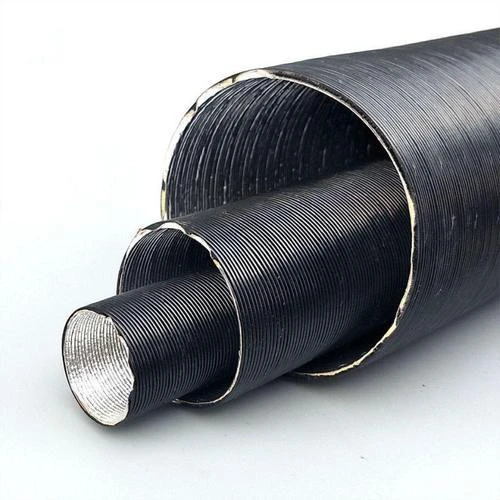
Choosing ALUMINUM FOIL VENTILATION DUCT: Application Fit and Specification ChecksNewsOct.24,2026
 Afrikaans
 Albanian
 Arabic
 Azerbaijani
 Belarusian
 Bengali
 Bulgarian
 Czech
 Danish
 Dutch
 Finnish
 French
 German
 Greek
 Hebrew
 Hindi
 Hungarian
 Indonesian
 Irish
 Italian
 Japanese
 Kazakh
 Korean
 Kyrgyz
 Lao
 Latin
 Lithuanian
 Luxembourgish
 Malay
 Mongolian
 Myanmar
 Nepali
 Norwegian
 Persian
 Polish
 Portuguese
 Russian
 Serbian
 Slovak
 Spanish
 Swedish
 Tagalog
 Thai
 Turkish
 Ukrainian
 Uighur
 Uzbek
 Vietnamese
 Welsh
 English