


Buy Safe and Durable Oxygen and Acetylene Hoses for Sale – Industrial Quality and Innovation
Understanding Oxygen and Acetylene Hoses for Sale: Essential Tools in Modern Industry
If you’ve ever watched a skilled welder at work or been around industrial cutting tools, you might have witnessed the vital role of oxygen and acetylene hoses. These hoses may not be the flashiest items in a workshop, but they are among its most critical lifelines. Today, the availability and quality of oxygen and acetylene hoses for sale impact everything from heavy industry to humanitarian aid worldwide.
Why does this matter on a global scale? According to the International Organization for Standardization (ISO), safety and performance standards in industrial gas hose production are critical to preventing accidents and enhancing productivity.1 Plus, with industries pushing toward automation and environmental responsibility, the hose technology must keep up. Grasping what these hoses are and how they function unlocks better decision-making when choosing the right equipment for welding, cutting, or even medical oxygen supply.
Introduction: Oxygen and Acetylene Hose Industry in a Global Context
Globally, industrial welding and cutting form the backbone of manufacturing, infrastructure development, and repairs. The World Bank’s reports note that over 50% of manufacturing in developing countries relies on oxy-fuel welding methods—meaning that the demand for reliable oxygen and acetylene hoses is significant.2
But here’s the challenge: many regions face supply disruptions, poor-quality products, or even counterfeit hoses that leak or fail under pressure, risking costly downtime and dangerous accidents. So, sourcing trustworthy oxygen and acetylene hoses for sale isn’t just about convenience — it’s about safety, efficiency, and economic impact.
What Are Oxygen and Acetylene Hoses?
Put simply, oxygen and acetylene hoses are durable tubes designed to carry specific gases—oxygen and acetylene—to torches or other equipment for welding and cutting.
These hoses are made to withstand high pressure and resist ignition because acetylene is highly flammable, and oxygen supports combustion vigorously. They’re color-coded—green for oxygen, red for acetylene—to avoid dangerous mix-ups. The hoses connect cylinders to welding torches, enabling controlled flame cutting or welding on steel, aluminum, and other metals.
In humanitarian settings, such as disaster zones or remote medical facilities, these hoses are vital for emergency rescue operations or oxygen therapy, which makes their quality a matter of life and death.
Core Aspects of Oxygen and Acetylene Hoses
1. Durability and Material Quality
These hoses often feature multiple layers of rubber or synthetic polymers reinforced with braided textile or wire. This construction resists abrasion, weathering, and exposure to oil or chemicals. Frankly, if a hose bursts mid-operation, the consequences are more than just inconvenient—they’re hazardous.
2. Pressure Rating and Safety Standards
Oxygen hoses typically have a maximum working pressure of around 300 psi, while acetylene hoses operate at a lower pressure, usually around 225 psi. ISO standards (like ISO 3821) specify testing methods to ensure hoses can handle bursts and sustained pressure—choosing hoses below standard specs increases risks.
3. Flexibility and Length Options
Whether you’re welding inside a cramped workshop or working outdoors on scaffolding, hose flexibility and custom lengths matter. Too stiff, and maneuverability suffers; too long, and pressure drops or tripping hazards increase. Modern hoses balance this with layered design and choice of materials.
4. Compatibility and Connectors
Connectors and fittings must comply with regional standards (like CGA in the USA). Buyers should verify if hoses come with compatible end fittings or if adapters are needed to avoid leaks and connection failures.
5. Cost Efficiency
There’s a range—from budget hoses with shorter lifespans to premium hoses designed to last years under harsh conditions. Investing in better quality often pays off by reducing replacement frequency and downtime.
Global Applications & Use Cases
You find these hoses everywhere: industrial fabrication shops in Germany, automotive repair centers in Japan, construction sites in Brazil, and even humanitarian field hospitals in Kenya. Oddly enough, their role doesn’t change much, but the environments sure do.
- Post-disaster relief: Portable cutting and welding gear with oxygen and acetylene hoses is used to clear debris and build temporary shelters.
- Remote industrial zones: Mines and oil rigs use them for equipment repairs far from supply centers, emphasizing durability and safe long-term use.
- Education and training: Technical schools in Southeast Asia rely on readily available hoses for welding instruction, shaping future skilled labor.
Mini takeaway:
These hoses may be “just hoses,” but they’re core to dozens of industries worldwide, where quality, safety, and availability literally shape lives and economies.
Advantages & Long-Term Value
Choosing the right oxygen and acetylene hoses publicly available in the market has direct benefits:
- Safety: Reducing risk of leaks or hose ruptures protects workers and facilities.
- Cost savings: Longer-lasting hoses cut replacement costs and downtime.
- Sustainability: Durable hoses reduce waste and environmental impact.
- Trust and confidence: Workers can focus on their craft when equipment feels reliable.
Emotionally, knowing your hose won’t fail amid critical cutting work or emergency hospital oxygen supply is hugely reassuring — and that kind of trust builds long-term business relationships.
Product Specification Table
| Specification | Oxygen Hose | Acetylene Hose |
|---|---|---|
| Material | Synthetic rubber, braided textile reinforcement | Synthetic rubber, oil and flame resistant |
| Max Working Pressure | 300 psi | 225 psi |
| Color Code | Green | Red |
| Connector Type | CGA 540 or as per region | CGA 510 or as per region |
| Common Lengths | 15-30 meters | 15-30 meters |
Vendor Comparison of Oxygen and Acetylene Hoses for Sale
| Vendor | Price Range | Warranty | Certifications | Lead Time |
|---|---|---|---|---|
| Kebing Hose | $$$ (Premium) | 5 years | ISO 3821, CE | 2-3 weeks |
| Generic Supplier A | $ (Budget) | 1 year | None | Immediate |
| Regional Provider B | $$ (Mid-range) | 3 years | ISO 3821 | 1 week |
Emerging Trends and Innovations
Looking forward, manufacturers are experimenting with new polymer blends that offer greater flame resistance and longer lifespans with lighter weight. There’s a push, frankly, toward more eco-friendly production processes — even recycling old hose materials.
Automation and “smart” welding setups are inspiring hoses with built-in sensors to detect leaks or pressure drops in real time. Though this is still niche, it promises greater safety monitoring and predictive maintenance.
International standards organizations are also tightening regulations, pushing suppliers to ensure higher safety and environmental norms across the board.
Common Challenges and Expert Solutions
Many users report difficulties with hose deterioration in harsh climates or chemical exposures. Others struggle with compatibility when sourcing hoses internationally, due to differing connector standards.
Experts recommend:
- Regular inspection and proper storage to avoid cracks and leaks.
- Consulting industry certifications before purchase (ISO, ANSI, CE).
- Working with reliable suppliers who provide warranties and technical support.
Frequently Asked Questions about Oxygen and Acetylene Hoses for Sale
- Q: How can I distinguish oxygen hoses from acetylene hoses safely?
- A: Oxygen hoses are commonly green, acetylene hoses red. Additionally, the fittings differ in size and thread type per standards to prevent accidental interchange. Always check color coding and confirm fittings before use.
- Q: What length of hose should I purchase for industrial welding?
- A: Typically, hoses come in lengths between 15 to 30 meters. Your choice depends on workspace size. Longer hoses increase flexibility but can decrease pressure slightly and create tripping hazards.
- Q: Are cheaper hoses safe for long-term industrial use?
- A: Budget hoses might meet basic standards but often lack durability and warranty. For heavy or critical applications, investing in certified, premium hoses is safer and more cost-effective over time.
- Q: Can I use these hoses for medical oxygen supply?
- A: While the principle is similar, medical oxygen hoses have stricter purity and material requirements. Always use hoses specifically designed and certified for medical use if oxygen delivery is for healthcare.
Conclusion: The Long-Term Value of Quality Oxygen and Acetylene Hoses
In real terms, oxygen and acetylene hoses for sale are far more than simple conduits. They’re the quiet heroes enabling countless industries to thrive safely. Whether you’re outfitting a new workshop or equipping a remote field hospital, selecting durable, certified hoses pays dividends in safety, sustainability, and performance.
Curious to explore top-tier options? Visit our website: oxygen and acetylene hoses for sale to find reliable, certified products backed by expert support.
Choosing industrial hoses feels a bit like picking safety partners—you want one you can trust day in, day out. And in this niche, the right knowledge matters more than ever.
References
- ISO 3821:2010 Medical gas pipeline systems – Hose assemblies for welding, cutting and allied processes, ISO.org
- World Bank Industry and Manufacturing Reports, 2022, worldbank.org
- Occupational Safety and Health Administration (OSHA) Guidelines for Compressed Gas Hoses, osha.gov
-
How to Choose Fuel Oil Hose SAE J30 R6 for Size and Service ConditionsNewsNov.11,2026
-
Flexible High Pressure Top Quality PU Pneumatic Tube Air Hose: Comparing Two PU Tube OptionsNewsNov.03,2026
-
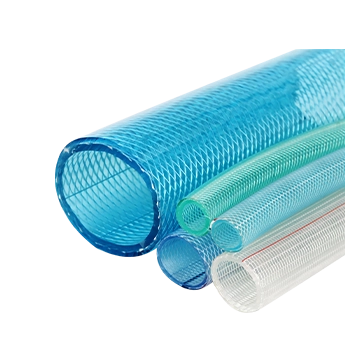
High-Quality Flexible PVC Clear Hose from China: Compatibility, Sizing and Documentation FAQNewsOct.28,2026
-
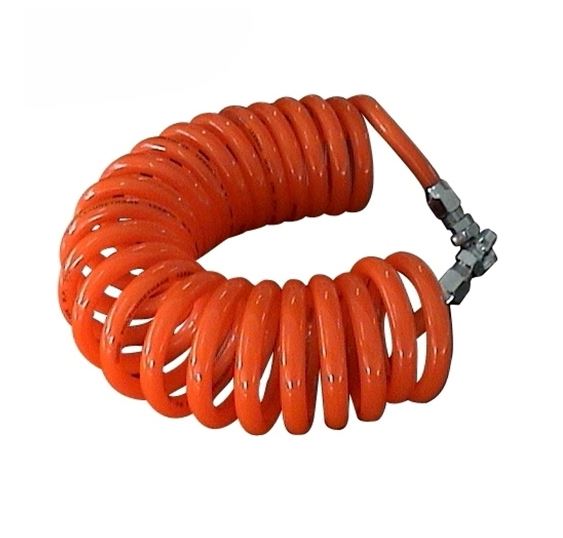
Choosing PU Anti-Sprial Hose: Medium, Dimensions and Operating ConditionsNewsOct.24,2026
-
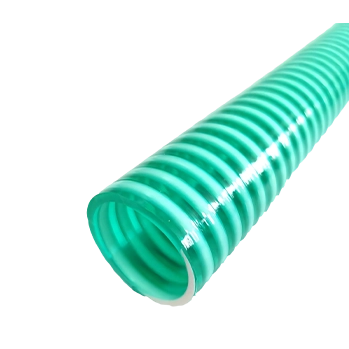
Choosing Plastic PVC Water Pump Suction Hose from a Cost-Effective PVC Water Hose Supplier: Medium, Dimensions and Operating ConditionsNewsOct.24,2026
-
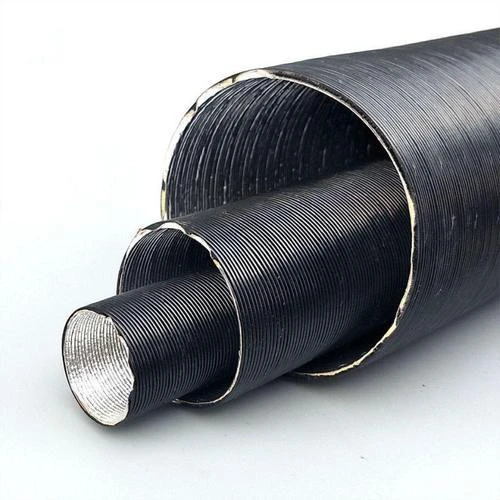
Choosing ALUMINUM FOIL VENTILATION DUCT: Application Fit and Specification ChecksNewsOct.24,2026
 Afrikaans
 Albanian
 Arabic
 Azerbaijani
 Belarusian
 Bengali
 Bulgarian
 Czech
 Danish
 Dutch
 Finnish
 French
 German
 Greek
 Hebrew
 Hindi
 Hungarian
 Indonesian
 Irish
 Italian
 Japanese
 Kazakh
 Korean
 Kyrgyz
 Lao
 Latin
 Lithuanian
 Luxembourgish
 Malay
 Mongolian
 Myanmar
 Nepali
 Norwegian
 Persian
 Polish
 Portuguese
 Russian
 Serbian
 Slovak
 Spanish
 Swedish
 Tagalog
 Thai
 Turkish
 Ukrainian
 Uighur
 Uzbek
 Vietnamese
 Welsh
 English







