


Understanding PVC Hose Pipe Price: Factors, Applications, and Trends
Understanding PVC Hose Pipe Price: Why It Matters Globally
Plastic tubing, especially PVC hose pipes, are everywhere in the world’s infrastructure—from industrial sites in Asia to agricultural farms in Africa. But perhaps we don't often stop to ask: what drives the pvc hose pipe price, and why should that matter globally?
In short, understanding pvc hose pipe price has practical benefits. It helps industries budget smarter, supports humanitarian projects that rely on reliable water and fluid transport, and influences environmental impact decisions tied to material sourcing and production. So, whether you’re a procurement manager or a curious engineer, grasping what shapes these prices can save money, enhance safety, and even aid sustainable development.
Introduction: The Global Context of PVC Hose Pipe Pricing
PVC (Polyvinyl Chloride) hoses serve a crucial role worldwide. According to the International Organization for Standardization (ISO), PVC piping products comprise a significant chunk of global plastic pipe consumption, used across agriculture, construction, and disaster relief alike. Latest figures from the World Bank note that demand for cost-effective, durable hoses is growing exponentially, especially in emerging markets.
But there’s a challenge — fluctuating raw material costs, environmental regulations, and supply chain disruptions are causing pvc hose pipe price volatility. That leaves buyers and vendors cautiously watching market shifts. This dynamic creates a curious balancing act for maintaining affordability without sacrificing quality.
Defining PVC Hose Pipe Price
At its simplest, the pvc hose pipe price refers to the cost per meter or foot for purchasing these flexible pipes made from polyvinyl chloride. PVC hoses are prized for their light weight, flexibility, and resistance to corrosion or chemicals. These attributes make them valuable in modern industries — think irrigation systems delivering water to parched lands or oil and gas fields moving fluids safely.
So, the price tag isn’t just about material cost. It’s the culmination of design specs, manufacturing processes, and market demands aligning to meet modern technical or humanitarian needs.
Key Factors Influencing PVC Hose Pipe Price
1. Raw Material Quality and Source
PVC itself is derived from petroleum and salt, and its quality impacts price dramatically. Premium resin yields more durable pipes that last longer, but cost more upfront. Also, regional sourcing of raw materials can add transport costs.
2. Diameter and Thickness
Simply put: the bigger and thicker the pipe, the higher the pvc hose pipe price. This is due to increased material use, plus engineering challenges for maintaining flexibility with size.
3. Reinforcement and Layering
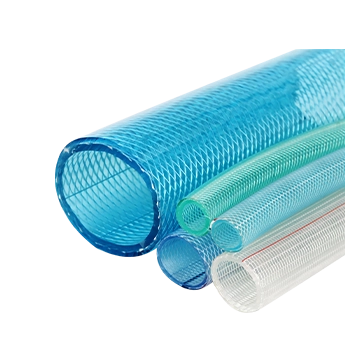
Hoses intended for high-pressure or chemical transfer often include fabric mesh or extra layers, which push costs up but improve safety and functionality.
4. Manufacturing Standards and Certifications
Compliance with ISO, ASTM, or regional hygiene and environmental certifications may raise product costs but guarantee performance and user safety.
5. Market Demand and Supply Chain
Seasonal spikes like agricultural planting seasons or emergency response needs can spike demand, along with raw material price surges due to geopolitical events or tariffs.
Product Specification Table
| Specification | Details | Impact on Price |
|---|---|---|
| Material Grade | Industrial vs Food Grade | Higher grades cost more |
| Diameter | 6mm to 50mm common | Larger diameter ups price |
| Thickness | 0.8mm to 3mm | Thicker walls cost more |
| Reinforcement | Single or double mesh | More reinforcement ↑ price |
| Length per Roll | 25m, 50m, 100m | Bulk lengths lower unit price |
Global Applications & Use Cases
PVC hoses wield tremendous utility around the globe. In Asia’s rapid industrial zones, they channel chemicals safely at factories. In Australia, farmers rely on them for irrigation—particularly perennial crops like vineyards. Oddly enough, they’re also crucial in humanitarian relief; agencies use them to swiftly set up potable water lines after floods or earthquakes.
Regions with water scarcity, such as parts of Africa and the Middle East, benefit immensely since cost-effective pvc hose pipe price points can make clean water delivery more accessible. Similarly, municipal projects in Europe often choose certified PVC hoses for public fountains and recreational water features due to their environmental safety.
Advantages and Long-Term Value
- Cost Efficiency: PVC hoses bring value by lasting years without needing frequent replacement, unlike cheaper rubber alternatives that crack.
- Sustainability: PVC is recyclable, and innovations in green plastic formulations are reducing the carbon footprint.
- Safety & Reliability: Certified products ensure no harmful leaching, which impacts communities relying on clean water.
- Innovation: Flexible manufacturing means hoses come in customized forms for niche applications — that’s exciting!
Frankly, the emotional peace that comes from knowing your water supply lines are secure can’t be overstated — it’s about protecting health, livelihood, and dignity.
Future Trends and Innovations
The PVC hose market isn’t standing still. Researchers are embedding sensors inside hoses to detect leaks or pressure changes, enabling smart irrigation and industrial monitoring. Plus, bio-based PVC and chlorine recovery methods are trending to tackle environmental concerns.
Digital platforms now let buyers quickly compare pvc hose pipe price alongside specs, ensuring transparent procurement. I suppose as climate policies tighten, manufacturers will increasingly highlight sustainability credentials too.
Challenges & Solutions
Despite many advantages, challenges persist:
- Price Fluctuation: Volatile petrochemical prices can spike costs unpredictably.
- Environmental Concerns: PVC production involves chlorine; disposing of old hoses improperly causes pollution.
- Quality Variance: Low-quality imports can undermine trust.
In response, many suppliers are focusing on regional sourcing and recycling programs. Vigilant buyers insist on ISO and ASTM certifications. There’s an increasing move toward hybrid composites to improve environmental profiles while maintaining pricing competitiveness.
Vendor Comparison Table
| Vendor | Typical Pricing (per meter) | Certifications | Key Markets |
|---|---|---|---|
| Alpha Plastics | $0.45 - $0.65 | ISO 9001, ASTM F-876 | Agriculture, Construction (Asia) |
| GreenFlow Solutions | $0.55 - $0.75 | ISO 14001, NSF (Food-grade) | Food & Beverage, Municipal (Europe) |
| Delta Hoses | $0.40 - $0.60 | ASTM D-2464 | Oil & Gas, Emergency Relief (Global) |
FAQ: Frequently Asked Questions About PVC Hose Pipe Price
- What factors cause fluctuations in pvc hose pipe prices?
- Prices often change due to raw material petrochemical market shifts, seasonal demand variance, and manufacturing costs related to certification compliance. Geopolitical events affecting supply chains can also impact costs.
- How can I ensure I’m getting quality PVC hoses at a fair price?
- Look for ISO or ASTM certifications on products, request sample testing data, and compare vendor offerings using detailed spec sheets. Bulk orders often bring better pricing without quality trade-offs.
- Are there eco-friendly options for PVC hoses currently available?
- Yes, some manufacturers offer bio-based PVC with recycled content or chlorine recovery processes that reduce environmental harms, but they can carry a slightly higher price point.
- How important is pipe diameter when considering pvc hose pipe price?
- Pipe diameter influences the volume of material used, affecting costs. Larger diameters are more expensive but necessary for higher flow rates or industrial uses, so balance specs with budget.
- Where can I find updated pvc hose pipe price quotes?
- Industry suppliers like pvc hose pipe price centers or b2b platforms update prices regularly, reflecting current market conditions and bulk buying options.
Conclusion: Why Understanding PVC Hose Pipe Price Pays Off
To wrap it up, being savvy about pvc hose pipe price is more than just number crunching. It’s about making informed decisions that safeguard budgets, support responsible sourcing, and enhance operational success worldwide. Whether you’re channeling water for a farm in Kenya or moving chemicals at a plant in India, knowing what drives price helps you pick the right hose, at the right time, for the right purpose.
Visit our website: https://www.kebinghose.com to explore detailed pricing, product options, and expert guidance next time you’re shopping for PVC hoses.
Oddly enough, something as simple as a hose pipe price can open up conversations about technology, sustainability, and global welfare—who would have thought?
Mini takeaway: PVC hose pipe pricing reflects a complex interplay of materials, specs, and global trends, influencing industries from agriculture to emergency relief.
References
-
How to Choose Fuel Oil Hose SAE J30 R6 for Size and Service ConditionsNewsNov.11,2026
-
Flexible High Pressure Top Quality PU Pneumatic Tube Air Hose: Comparing Two PU Tube OptionsNewsNov.03,2026
-
High-Quality Flexible PVC Clear Hose from China: Compatibility, Sizing and Documentation FAQNewsOct.28,2026
-
Choosing PU Anti-Sprial Hose: Medium, Dimensions and Operating ConditionsNewsOct.24,2026
-
Choosing Plastic PVC Water Pump Suction Hose from a Cost-Effective PVC Water Hose Supplier: Medium, Dimensions and Operating ConditionsNewsOct.24,2026
-
Choosing ALUMINUM FOIL VENTILATION DUCT: Application Fit and Specification ChecksNewsOct.24,2026
 Afrikaans
 Albanian
 Arabic
 Azerbaijani
 Belarusian
 Bengali
 Bulgarian
 Czech
 Danish
 Dutch
 Finnish
 French
 German
 Greek
 Hebrew
 Hindi
 Hungarian
 Indonesian
 Irish
 Italian
 Japanese
 Kazakh
 Korean
 Kyrgyz
 Lao
 Latin
 Lithuanian
 Luxembourgish
 Malay
 Mongolian
 Myanmar
 Nepali
 Norwegian
 Persian
 Polish
 Portuguese
 Russian
 Serbian
 Slovak
 Spanish
 Swedish
 Tagalog
 Thai
 Turkish
 Ukrainian
 Uighur
 Uzbek
 Vietnamese
 Welsh
 English







