


Aluminium Foil Ducts: Flexible, Efficient Airflow Solutions for Industry and Beyond
Understanding Aluminium Foil Ducts: A Modern Essential
When you hear "aluminium foil duct," you might picture something simple — yet it's actually a vital player in everything from HVAC systems to emergency relief setups. These ducts are lightweight tubes wrapped in shiny, flexible aluminum foil, designed to channel air, gases, or other fluids efficiently. Globally, their use matters more than ever, thanks to growing demands for sustainable ventilation, quick infrastructure deployment, and cost-effective solutions. Knowing their ins and outs can boost operational success across industries and continents alike.
Why Aluminium Foil Ducts Matter Worldwide
The world’s urban spaces and industrial sites are booming — with a predicted 68% of the global population living in cities by 2050 (UN). That means ever more complex ventilation and air management challenges for buildings and factories. Here is where aluminium foil ducts flex their muscles. They offer a lightweight, corrosion-resistant, and easy-to-install option that traditional rigid ducts can’t always match.
Plus, in humanitarian contexts — like disaster zones or refugee camps — quick and reliable airflow solutions help maintain air quality and comfort. According to ISO standards on building ventilation (ISO 16890), choosing the right ducting system is critical for energy efficiency and indoor health. Aluminium foil ducts respond well to both these industrial and emergency demands, making them a global asset.
Breaking It Down: What Is an Aluminium Foil Duct?
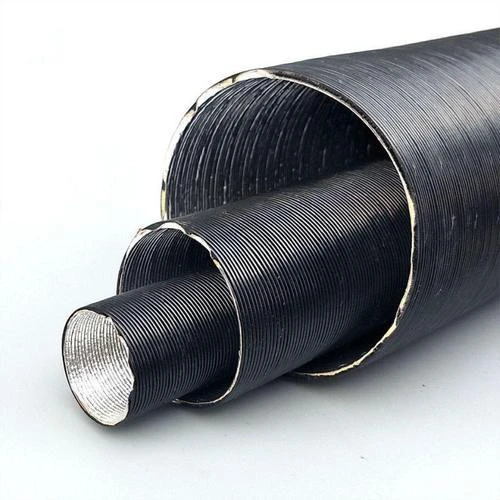
Simply put, aluminium foil ducts are flexible conduits wrapped with metalized aluminum foil. The core often consists of a spiral wire helix for shape and flex, surrounded by layers involving fiberglass or polyethylene for insulation or durability. Think of them as the “veins” transporting air or gases in controlled ways, helping systems breathe easier. Their lightweight nature reduces installation time — and who doesn’t love saving that precious labor hour?
From Industry to Humanitarian Needs
In industry, these ducts cool machines or exhaust harmful fumes; in humanitarian missions, they help ventilate temporary shelters, keeping conditions safer and more bearable. It’s a small piece, but a pretty indispensable one.
Key Features Driving the Popularity of Aluminium Foil Ducts
1. Durability and Flexibility
You want ductwork that bends without snapping. Aluminium foil ducts provide just that — resisting tears and damage even when repeatedly bent or squeezed into tight spaces. Many engineers say this flexibility makes installations in cramped urban settings or retrofit projects a breeze.
2. Thermal and Fire Resistance
The foil reflects heat, helping regulate temperature within ducts, and some products meet stringent fire safety standards. For hazardous environments or industrial plants, this can be a literal lifesaver.
3. Lightweight and Easy Handling
Compared to traditional steel ducts, foil ducts are featherweights. It reduces shipping costs and speeds up installation — features highly prized in fast-moving commercial projects or far-flung disaster relief zones.
4. Cost Efficiency
Less material, less labor, less downtime. That’s a pretty clear value proposition, especially for large projects where every percentage counts.
5. Environmental Sustainability
Aluminium is recyclable, and many manufacturers use post-consumer recycled content. Plus, efficient ducts improve HVAC system performance, reducing energy use — a win-win given current climate commitments.
Mini Takeaway:
Aluminium foil ducts strike a smart balance: flexible but strong, cost-effective but sustainable. They’re not just ductwork — they’re a piece of forward-thinking infrastructure.
Real-World Uses: Where Do Aluminium Foil Ducts Shine?
They pop up in:
- Commercial HVAC systems — for controlled airflow inside malls, offices, and hospitals.
- Industrial ventilation — moving heat and particles away from factories or workshops.
- Disaster relief housing — supplying fresh air to tents or modular shelters quickly.
- Remote mining or oil rigs — where durable, easy-to-install ducts are critical.
- Environmental control in agriculture — ventilation systems in greenhouses and livestock sheds.
For example, after the 2015 Nepal earthquake, relief teams used aluminium foil ducts to improve air circulation inside temporary shelters — many workers reported noticeable comfort improvements, leading to better rest and morale.
Mini Takeaway:
These ducts bridge the gap between technical need and real human comfort, whether in a bustling city or a tent in the Himalayas.
Comparing Aluminium Foil Ducts: Product Specifications Table
| Specification | Typical Aluminium Foil Duct |
|---|---|
| Material | Aluminium foil with spiral wire core + fiberglass insulation |
| Diameter Range | 50mm to 400mm (custom sizes available) |
| Operating Temperature | -30°C to 150°C (some variants up to 200°C) |
| Fire Rating | UL 94 V-0 or equivalent |
| Length Options | 1m, 3m, 5m, or custom rolls |
| Life Expectancy | 10–15 years (depending on application) |
| Recyclability | 100% recyclable aluminium content |
Vendor Options: A Quick Comparison
| Vendor | Customization | Global Reach | Price Range | Notable Strength |
|---|---|---|---|---|
| Kebing Hose Co. | Extensive (diameter, insulation) | Worldwide with fast shipping | Mid to high | Quality assurance & testing |
| Global Duct Systems | Moderate | Asia, Europe, Americas | Affordable | Competitive pricing |
| FlexAir Tech | High (custom fittings) | Regional (Europe mainly) | Higher-end | Innovative materials |
Why Choose Aluminium Foil Ducts: Key Advantages & Lifelong Value
- Cost-effective installation: These ducts mean shorter labor time and fewer mistakes — saving your pocket and your sanity.
- Enhanced sustainability: Recyclable materials and energy-efficient design align with green building efforts worldwide.
- Improved safety: Fire-resistant coatings and materials help mitigate workplace risks.
- Low maintenance: Corrosion resistance translates to fewer repairs and replaced parts over the years.
- Resilience: Flexible enough for awkward spaces, tough enough for harsh climates.
- User comfort: Whether your building’s occupants or disaster relief beneficiaries, good airflow means better air quality and wellbeing.
Emerging Trends in Aluminium Foil Duct Technology
In the next few years, keep an eye on initiatives to integrate smart sensors inside ductwork to monitor airflow quality and detect faults early. Digital transformation isn’t just fancy talk — remote HVAC diagnostics paired with these flexible ducts could cut downtime dramatically.
Materials innovation continues, too. Some companies are experimenting with bio-based or nano-enhanced coatings that further boost fire resistance or reduce microbial growth. Combine that with government policies tightening building codes on energy usage (ISO 16813), and demand for high-performance ducts has never looked better.
Common Challenges and Practical Solutions
Of course, no product is perfect. Aluminium foil ducts sometimes face criticism over mechanical strength when compared to rigid ducts, especially in heavy industrial installations. But advances in core spirals and outer coatings largely address those issues now.
Some installers worry about punctures or tears during transport or setup, but protective sleeves and careful packaging protocols are helping reduce these mishaps. In fact, manufacturers such as Kebing Hose often provide tailored training or installation guides — an underrated yet crucial service that improves outcomes.
FAQs About Aluminium Foil Duct
Q1: How does aluminium foil duct compare to traditional metal ducts?
A: Aluminium foil ducts are lighter and more flexible, making installation faster and easier, especially in tight spaces. Traditional steel ducts are sturdier but heavier and often costlier to install and transport.
Q2: Are these ducts suitable for high-temperature environments?
A: Yes, many aluminium foil ducts can handle operating temperatures up to 150°C or more, depending on insulation and coatings. Always check product specs to match your needs.
Q3: Can aluminium foil ducts be used outdoors?
A: Generally yes, but additional weatherproofing or UV-resistant coatings might be necessary to ensure longevity in direct sunlight or harsh weather.
Q4: How long do aluminium foil ducts typically last?
A: Lifespan varies by application, but expect roughly 10–15 years with proper installation and maintenance. Environmental conditions can shorten or extend this.
Wrapping Up: Why Aluminium Foil Ducts Still Matter
Aluminium foil ducts may be overlooked in the shadow of bigger infrastructure, but they play a quietly crucial role making buildings breathable, safe, and efficient all over the world. Their blend of performance, flexibility, and eco-friendly traits means they’ll keep moving air—and industries—forward for years to come.
If you’re curious to learn more or ready to source quality ducts, visit Kebing Hose’s site for trusted products and expert advice.
References & Further Reading
-
How to Choose Fuel Oil Hose SAE J30 R6 for Size and Service ConditionsNewsNov.11,2026
-
Flexible High Pressure Top Quality PU Pneumatic Tube Air Hose: Comparing Two PU Tube OptionsNewsNov.03,2026
-
High-Quality Flexible PVC Clear Hose from China: Compatibility, Sizing and Documentation FAQNewsOct.28,2026
-
Choosing PU Anti-Sprial Hose: Medium, Dimensions and Operating ConditionsNewsOct.24,2026
-
Choosing Plastic PVC Water Pump Suction Hose from a Cost-Effective PVC Water Hose Supplier: Medium, Dimensions and Operating ConditionsNewsOct.24,2026
-
Choosing ALUMINUM FOIL VENTILATION DUCT: Application Fit and Specification ChecksNewsOct.24,2026
 Afrikaans
 Albanian
 Arabic
 Azerbaijani
 Belarusian
 Bengali
 Bulgarian
 Czech
 Danish
 Dutch
 Finnish
 French
 German
 Greek
 Hebrew
 Hindi
 Hungarian
 Indonesian
 Irish
 Italian
 Japanese
 Kazakh
 Korean
 Kyrgyz
 Lao
 Latin
 Lithuanian
 Luxembourgish
 Malay
 Mongolian
 Myanmar
 Nepali
 Norwegian
 Persian
 Polish
 Portuguese
 Russian
 Serbian
 Slovak
 Spanish
 Swedish
 Tagalog
 Thai
 Turkish
 Ukrainian
 Uighur
 Uzbek
 Vietnamese
 Welsh
 English







