


Clear Polyurethane Hose – Durable, Transparent, and Versatile Industrial Tubing
Understanding Clear Polyurethane Hose: A Global Perspective
When you hear “clear polyurethane hose,” you might picture some industrial tubing or maybe a bit of garden gear. But in reality, these seemingly humble hoses play significant roles in industries all around the globe — from food and beverage to critical medical and humanitarian applications. Their transparency, flexibility, and robust durability make them indispensable in scenarios where seeing the fluid inside means everything for safety and efficiency.
Why does this matter? Well, according to the ISO (International Organization for Standardization), as industries push toward cleaner, safer, and more efficient operations, materials like polyurethane hoses see increased demand. They combine chemical resistance with elasticity — a winning combo in sectors that couldn't afford failures or contamination.
So, if you’re in manufacturing, food processing, or even emergency relief, understanding the value and applications of clear polyurethane hose can truly sharpen operational safety and efficiency.
The Global Significance of Clear Polyurethane Hose in Industry
Globally, the demand for clear polyurethane hoses has surged, and it’s not just a niche market anymore. The World Bank reports steady growth in industries that rely on digitally monitored fluid transfers — meaning hoses that allow visual inspection have a practical edge. Imagine pharmaceutical factories where even the slightest contamination can mean millions lost, or disaster relief efforts where quick water or chemical transport must be visible and reliable under any conditions.
But here’s a challenge: traditional hoses often suffer from wear, opacity, or chemical degradation. Clear polyurethane hoses address these problems by offering a resilient, see-through alternative that improves monitoring without compromising strength. Globally, this translates to fewer leaks, safer workplaces, and more efficient processes.
Mini takeaway:
- Clear polyurethane hoses meet a growing global need for safety and transparency in fluid management.
- They help industries reduce risk and downtime through visual monitoring and material durability.
What Exactly Is a Clear Polyurethane Hose?
At its core, a clear polyurethane hose is a flexible tube made from polyurethane — a polymer prized for its abrasion resistance, transparency, and elasticity. Unlike rubber or PVC, these hoses allow you to see the fluid inside easily, which is crucial for processes that can’t afford surprises.
Industrially, they connect machines, transfer liquids, or handle gases in sectors from food production to chemical plants. In humanitarian contexts, clear polyurethane hoses serve in water purification systems or medical gas delivery, where seeing flow can literally be a matter of life and death.
Key Features Making Clear Polyurethane Hose Stand Out
1. Durability & Chemical Resistance
Polyurethane resists many chemicals that degrade typical plastic hoses. This means longer service life even in harsh environments — an edge when maintenance is tough or downtime is costly.
2. Transparency & Visual Verification
Being clear isn’t just a quirky design choice. It lets operators immediately spot blockages, contamination, or flow issues without dismantling machinery.
3. Flexibility & Ease of Handling
Many users rave about how easily these hoses bend and fit into tight spaces, expanding installation options without stress fractures or kinks.
4. Temperature Tolerance
Polyurethane can generally handle a wider temperature range compared to vinyl hoses — handy in industrial settings with fluctuating heat or cold.
5. Food Grade Safety
For food and beverage applications, clear polyurethane hoses often meet stringent EU and FDA standards (we’ll see a spec table shortly).
Mini takeaway:
- Durability and transparency combine to reduce downtime and improve safety.
- These hoses fit demanding industrial conditions with flexibility and temp tolerance.
Real-World Uses of Clear Polyurethane Hose Across Continents
From Europe to Asia, clear polyurethane hoses are quietly powering countless operations. In the UK and Germany’s food processing plants, they ensure hygienic transfer of dairy or juices. Over in Southeast Asia, pharmaceutical and biotech firms rely on their clarity for sterile liquid handling.
Humanitarian workers deploy these hoses in disaster zones — for example, in remote camps in Africa, where clear hoses ensure clean water flow without hidden contamination. The beauty here is the blend of simplicity and reliability; something that can't be said for many other quick-deploy solutions.
Oddly enough, mining operations in Australia also use clear polyurethane hoses extensively. They transport fluids while withstanding abrasions caused by sediment or rough terrain — all while allowing onsite visual checks for potential blockages.
Clear Polyurethane Hose Specification Table
| Specification | Typical Value | Comments |
|---|---|---|
| Material | Thermoplastic Polyurethane (TPU) | FDA and EU compliant grades available |
| Operating Temp | -38°C to +82°C (-36°F to 180°F) | Suitable for various environments |
| Pressure Rating | Up to 300 PSI | Depends on diameter and wall thickness |
| Wall Thickness | 1.5 mm to 6.0 mm | Customizable to client needs |
| Clarity | Crystal clear, haze | Allows easy visual inspection |
Comparing Leading Clear Polyurethane Hose Vendors
| Vendor | Price Range (USD/m) | Material Quality | Global Availability | Customization Options |
|---|---|---|---|---|
| Kebing Hose | $5.50 - $8.00 | High-grade TPU, FDA/EU standards | Worldwide shipping to 50+ countries | Diameter, wall thickness, color tint |
| RubberFlex | $4.80 - $7.00 | Mid-range TPU blend | Asia and Europe focused | Mostly fixed specs, limited colors |
| HoseMaster | $6.00 - $9.50 | Premium TPU with UV resistance | Primarily North America + Europe | Full customization, small-run friendly |
Advantages and Lasting Value of Using Clear Polyurethane Hose
From a practical standpoint, these hoses offer a cost-effective yet premium alternative to traditional tubing. Their ability to withstand abrasion and resist chemicals means fewer replacements, which is a direct cost saver. The transparency reduces operational errors related to flow clogging or contamination. This adds a layer of trust in the system and safety for the workers managing the lines.
On a more human level, especially in healthcare or emergency relief, the hoses' clarity and reliability contribute to dignity and safety for vulnerable populations. Imagine a refugee camp water station where visual confirmation of clean water flow can assure people their basic needs are met — this isn’t trivial.
Emerging Trends and Innovations
Manufacturers are pushing the boundaries with biodegradable polyurethanes and hoses embedded with sensors for real-time flow and pressure data. These “smart hoses” could integrate with IoT (Internet of Things) platforms, making fluid management not just visible but digitally trackable — reducing waste and pre-empting failures.
Additionally, advances in green chemistry promise polyurethane hoses with lower environmental footprints, aligning with global pushes towards corporate sustainability (ISO 14001).
Overcoming Challenges in Clear Polyurethane Hose Deployment
It’s not all sunshine. Polyurethane hoses can degrade under prolonged UV exposure unless specially treated. Also, some industrial chemicals might still cause swelling or brittleness in specific TPU grades.
Thankfully, modern coatings and blending techniques are addressing these issues. Maintainers often recommend routine inspections and using hoses that match chemical spec sheets precisely. This attention to detail can mitigate most problems gracefully.
Frequently Asked Questions About Clear Polyurethane Hose
- Q: Can clear polyurethane hoses handle high pressure industrial liquids?
- A: Yes, many clear polyurethane hoses are rated up to 300 PSI or more depending on wall thickness and diameter. It's essential to check manufacturer specs for your specific use case.
- Q: Are clear polyurethane hoses safe for food and beverage applications?
- A: Absolutely. Many hoses meet FDA and EU regulatory standards for food safety, ensuring they don’t leach chemicals or impart contaminants.
- Q: How do I prevent UV damage in outdoor applications?
- A: Select hoses with UV-resistant coatings or incorporate protective sleeves. Regular inspections also help detect early signs of degradation.
- Q: Can these hoses be customized for specific industries?
- A: Yes. Vendors like Kebing Hose often offer customization on diameter, wall thickness, and even color tint — tailoring the hose to exact industry needs.
- Q: How long can a clear polyurethane hose last?
- A: Lifespan varies with application and environment but generally ranges from 3 to 7 years with proper maintenance and handling.
Wrapping Up & Where To Go From Here
Clearly (pun fully intended), clear polyurethane hose is more than just plastic tubing. It’s a material solution that combines transparency, toughness, and adaptability — answering real-world challenges in safety, efficiency, and trust. For industries scrambling to cut downtime while bolstering safety, this is a neat, visible solution that fits in tight spaces and tight budgets.
Curious to learn more? Visit clear polyurethane hose vendor pages, compare specs, and see firsthand how these hoses can elevate your workflows. Honestly, it feels like one of those quietly transformative tools — easy to overlook until you can’t manage without it.
References
-
How to Choose Fuel Oil Hose SAE J30 R6 for Size and Service ConditionsNewsNov.11,2026
-
Flexible High Pressure Top Quality PU Pneumatic Tube Air Hose: Comparing Two PU Tube OptionsNewsNov.03,2026
-
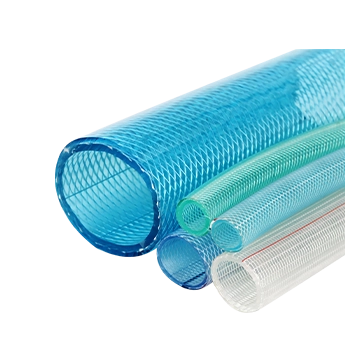
High-Quality Flexible PVC Clear Hose from China: Compatibility, Sizing and Documentation FAQNewsOct.28,2026
-
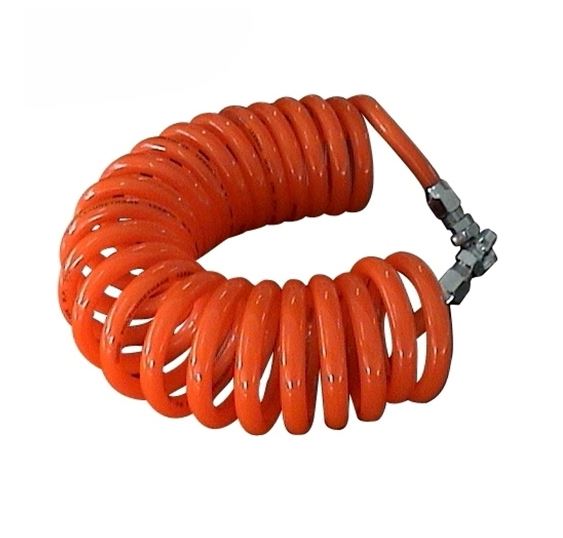
Choosing PU Anti-Sprial Hose: Medium, Dimensions and Operating ConditionsNewsOct.24,2026
-
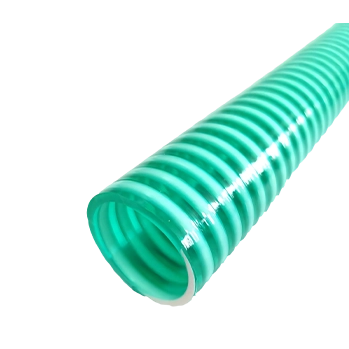
Choosing Plastic PVC Water Pump Suction Hose from a Cost-Effective PVC Water Hose Supplier: Medium, Dimensions and Operating ConditionsNewsOct.24,2026
-
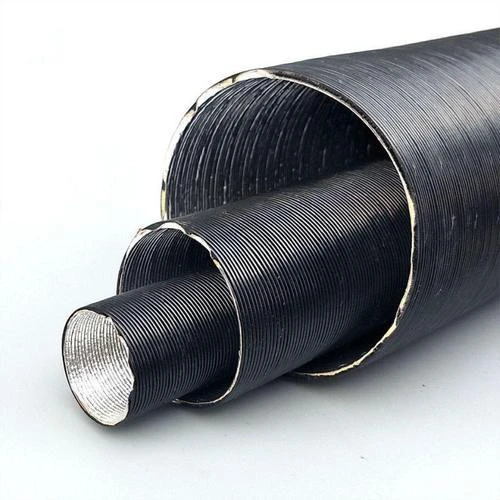
Choosing ALUMINUM FOIL VENTILATION DUCT: Application Fit and Specification ChecksNewsOct.24,2026
 Afrikaans
 Albanian
 Arabic
 Azerbaijani
 Belarusian
 Bengali
 Bulgarian
 Czech
 Danish
 Dutch
 Finnish
 French
 German
 Greek
 Hebrew
 Hindi
 Hungarian
 Indonesian
 Irish
 Italian
 Japanese
 Kazakh
 Korean
 Kyrgyz
 Lao
 Latin
 Lithuanian
 Luxembourgish
 Malay
 Mongolian
 Myanmar
 Nepali
 Norwegian
 Persian
 Polish
 Portuguese
 Russian
 Serbian
 Slovak
 Spanish
 Swedish
 Tagalog
 Thai
 Turkish
 Ukrainian
 Uighur
 Uzbek
 Vietnamese
 Welsh
 English







