Polyurethane Duct: Durable, Flexible Solutions for Modern Industry and Relief
The Lowdown on Polyurethane Duct: Why It’s More Than Just a Pipe
Polyurethane duct — sounds niche, right? But it’s far from just another item on an engineer’s spec sheet. On a global scale, these ducts play a quietly critical role in industries spanning HVAC, water management, and emergency relief systems. Frankly, their reputation rests on traits like flexibility, durability, and surprisingly, cost-effectiveness.
Think about major urban centers growing by leaps and bounds, industrial zones across Asia-Pacific scaling production, or humanitarian agencies rushing to restore infrastructure after disasters — all these scenarios demand reliable conduits for air, fluids, or other materials. Enter the polyurethane duct, capable of bridging gaps where conventional metal or PVC ducts might struggle.
Understanding polyurethane ducts isn’t just for engineers; it’s for anyone curious how small components actually influence broader sustainability and infrastructure resilience.
Why Polyurethane Ducts Matter Globally
According to the International Energy Agency, efficient HVAC and ventilation systems could reduce building energy consumption by up to 40%. And that’s where polyurethane ducts come in — they’re increasingly used because their thermal insulation properties improve energy efficiency, reducing carbon emissions on an industrial scale. The market’s billboard? A projected CAGR of roughly 7% over the next five years, driven by rapid urbanization in regions like South Asia and the Middle East.
But here’s the kicker: conventional ducts made from galvanized steel or PVC often lack flexibility and longevity in harsh environments — leading to costly repairs and even system failures. Polyurethane ducts address these challenges head-on, helping meet ISO standards for durability and safety, especially in settings where downtime costs are staggering.
Mini takeaway: The rise of polyurethane ducts is closely tied to sustainability goals and resilient infrastructure development worldwide.
What Exactly Is a Polyurethane Duct?
Boiling it down — a polyurethane duct is essentially a hollow conduit made from a robust, flexible polymer called polyurethane, designed to transport air, water, or other fluids. Its construction adapts well to harsh environments due to the polymer’s chemical resistance and mechanical flexibility.
In practical terms, these ducts are lightweight alternatives to traditional metal piping, suitable for sectors ranging from HVAC systems to industrial exhaust setups. From humanitarian shelter projects needing quick-install air ventilation to manufacturing plants requiring corrosion-resistant ventilation, polyurethane ducts have carved out a noteworthy niche.
Key Features That Set Polyurethane Ducts Apart
1. Durability & Chemical Resistance
Polyurethane’s molecular structure offers exceptional resistance against oils, solvents, and abrasive materials, which makes these ducts far less prone to damage compared to PVC. This means fewer replacements and longer life cycles — an often overlooked cost saver.
2. Flexibility & Lightweight Design
The ability to bend, stretch, and twist without cracking is crucial when ducts need to snake through tight spaces or adjust to shifting structures — common in construction and mobile relief setups. Their light weight cuts down on labor costs during installation and maintenance.
3. Thermal Insulation
Compared to metal ducts, polyurethane’s inherent insulating properties help maintain internal temperatures, which translates to better HVAC performance and lower energy bills — a boon for sustainability-conscious businesses.
4. Cost Efficiency Over Time
While the upfront price can be slightly higher than traditional materials, the extended lifespan, reduced maintenance, and energy savings make polyurethane ducts a smarter investment in the medium to long term.
5. Scalability and Customization
These ducts can be manufactured in various sizes and thicknesses, including custom diameters to fit exact project needs — whether it’s a small exhaust vent or a large-scale industrial ventilation network.
Mini takeaway: When you blend durability, flexibility, and thermal efficiency, polyurethane ducts emerge as multi-faceted solutions for diverse challenges.
Where You’ll Find Polyurethane Ducts in Action
These ducts aren’t just theoretical marvels; their real-world footprint is impressive and varied:
- Post-Disaster Relief Operations: NGOs deploy rapidly installable polyurethane ducts to restore breathable air and water flows in temporary shelters.
- Industrial Complexes: Chemical plants often rely on polyurethane ducts for venting corrosive gases safely.
- Urban HVAC Systems: High-rise buildings prefer these ducts for their thermal efficiency and easy installation.
- Remote Mining and Oil Sites: Portability and resistance to abrasives make polyurethane ducts essential in harsh terrains.
In Asia-Pacific’s expanding industrial hubs, for example, polyurethane ducts have become a staple in new construction, largely replacing heavier steel alternatives. Meanwhile, European manufacturers are integrally designing ducts with recycled polyurethane content — a nod to circular economy principles.
Specifications You Should Know
| Specification | Typical Value | Notes |
|---|---|---|
| Material Density | 1.1-1.2 g/cm³ | Varies by compound blend |
| Temperature Range | -40°C to 90°C | Suitable for most HVAC and industrial uses |
| Tensile Strength | 25-40 MPa | Dependent on formulation |
| Abrasion Resistance | High | Outperforms PVC and some rubbers |
| Typical Diameter Range | 50 mm - 600 mm | Custom orders available |
Comparing Leading Polyurethane Duct Vendors
| Vendor | Product Range | Customization | Price Range | Lead Time |
|---|---|---|---|---|
| FlexiDuct Pro | 50-400 mm diameters | Limited; mostly stock sizes | $$ | 2-3 weeks |
| PolyVent Solutions | 50-600 mm diameters | Full customization & color options | $$$ | 4-6 weeks |
| EcoDuct Systems | 100-500 mm diameters | Moderate with eco-friendly materials | $$ | 3-5 weeks |
Advantages That Last: Why Polyurethane Ducts Keep Winning
From a cost perspective, the old adage “you get what you pay for” oddly enough rings true here. The initial investment might surprise some, but when you factor in reduced maintenance disruptions, it balances out. Add in a longer service life thanks to resistance against abrasions and chemicals, and you’re looking at an asset, not just an expense.
But beyond numbers, polyurethane ducts enhance safety and reliability, sometimes in mission-critical scenarios. For example, keeping air ducts intact during extreme temperature swings or rough handling in disaster zones preserves the “human factor” — health and dignified living conditions.
Not to mention: as industries push for greener operations, polyurethane ducts contribute by improving insulation and reducing waste from frequent replacements. Many manufacturers now incorporate recycled content, bringing us a bit closer to closed-loop systems — an exciting nod to the future.
What’s Next? Emerging Trends in Polyurethane Duct Technology
Automation has seeped into almost every manufacturing corner, and ducts aren’t exempt. Modern production lines often use CNC cutting to tailor duct shapes with up to millimeter precision. Innovative blends of polyurethane with bio-based additives also hint at more sustainable, biodegradable ducts down the line.
Digital sensors embedded within ducts could soon offer real-time monitoring of airflow, temperature, and even early damage detection — a kind of “smart duct” that anticipates maintenance needs. With Industry 4.0 principles spreading, keeping ducts optimized might become as simple as checking an app.
Common Challenges and How to Beat Them
Polyurethane ducts aren’t magic — they can be pricey upfront and sometimes struggle under constant UV exposure without proper shielding. Installation requires some care to avoid kinks or overstretching, which may lead to premature failure.
However, expert installers recommend proper storage away from sunlight and integrating protective coatings. Advances in UV-stable polyurethane formulations are also making a difference here. Plus, modular joint systems allow simpler replacement of damaged sections without dismantling entire lines — saving hours, if not days.
Frequently Asked Questions About Polyurethane Duct
Q1: How does polyurethane duct compare with traditional metal ducts in HVAC systems?
A: Polyurethane ducts offer superior thermal insulation and flexibility compared to metal ducts, which reduces energy loss and simplifies installation in tight or shifting spaces. While metal lasts longer under extreme heat, polyurethane excels in corrosion resistance and lighter weight.
Q2: Are polyurethane ducts suitable for outdoor industrial environments?
A: Yes, especially those formulated with UV resistance additives. When combined with protective coatings or covers, polyurethane ducts withstand harsh weather and chemical exposure typically found outdoors.
Q3: Can polyurethane ducts be customized to fit unique industrial needs?
A: Absolutely. Many manufacturers offer custom diameters, lengths, and color coding to meet specific project requirements or safety codes. It’s best to discuss specs early to ensure a smooth production process.
Q4: How long can polyurethane ducts be expected to last in regular service?
A: With proper installation and maintenance, polyurethane ducts generally last 10-15 years, sometimes longer. Factors like environmental exposure and mechanical stress influence lifespan.
Q5: Where can I find high-quality polyurethane ducts for industrial use?
A: Trusted vendors with certifications adhering to ISO standards and proven track records are your best bet. You could start exploring options like those linked at polyurethane duct, which offer a good balance of quality and customization.
Wrapping It Up: More Than Just Pipes
Polyurethane ducts may not make headlines, but they’re quietly shaping the future of infrastructure resilience, sustainability, and cost efficiency worldwide. Whether in sprawling industrial plants or emergency refugee camps, their blend of durability, flexibility, and eco-consciousness answers a pressing need.
Curious to see how polyurethane ducts could fit into your project? Visit https://www.kebinghose.com for detailed specs, ordering info, and expert advice tailored to your field.
And who knows? The next breakthrough in ductwork could be just around the corner.
References & Further Reading
- International Energy Agency (IEA) – Energy efficiency statistics and reports.
- Wikipedia – Polyurethane
- International Organization for Standardization (ISO) – Standards for duct materials and safety.
-
How to Choose Fuel Oil Hose SAE J30 R6 for Size and Service ConditionsNewsNov.11,2026
-
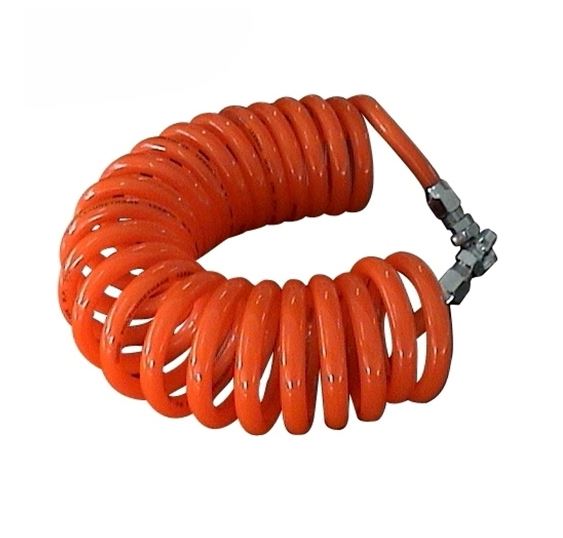
Flexible High Pressure Top Quality PU Pneumatic Tube Air Hose: Comparing Two PU Tube OptionsNewsNov.03,2026
-
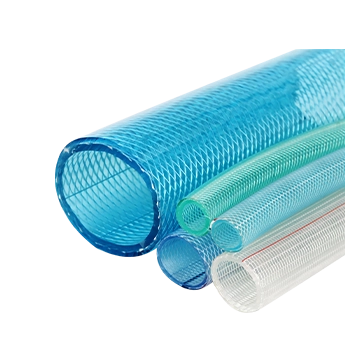
High-Quality Flexible PVC Clear Hose from China: Compatibility, Sizing and Documentation FAQNewsOct.28,2026
-
Choosing PU Anti-Sprial Hose: Medium, Dimensions and Operating ConditionsNewsOct.24,2026
-
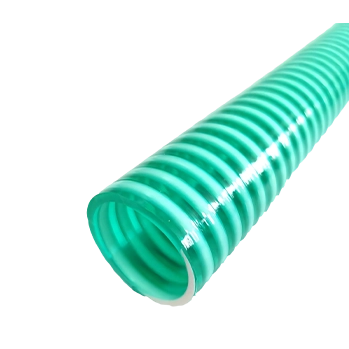
Choosing Plastic PVC Water Pump Suction Hose from a Cost-Effective PVC Water Hose Supplier: Medium, Dimensions and Operating ConditionsNewsOct.24,2026
-
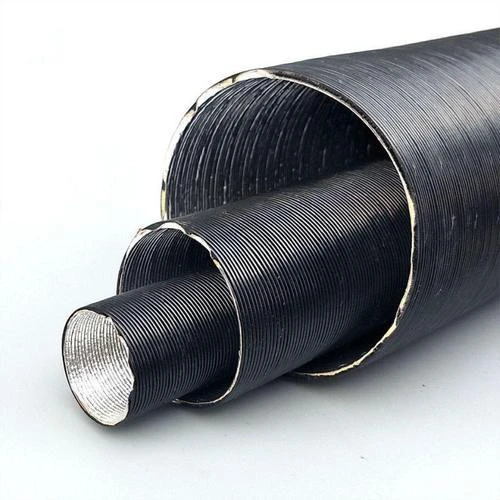
Choosing ALUMINUM FOIL VENTILATION DUCT: Application Fit and Specification ChecksNewsOct.24,2026
 Afrikaans
 Albanian
 Arabic
 Azerbaijani
 Belarusian
 Bengali
 Bulgarian
 Czech
 Danish
 Dutch
 Finnish
 French
 German
 Greek
 Hebrew
 Hindi
 Hungarian
 Indonesian
 Irish
 Italian
 Japanese
 Kazakh
 Korean
 Kyrgyz
 Lao
 Latin
 Lithuanian
 Luxembourgish
 Malay
 Mongolian
 Myanmar
 Nepali
 Norwegian
 Persian
 Polish
 Portuguese
 Russian
 Serbian
 Slovak
 Spanish
 Swedish
 Tagalog
 Thai
 Turkish
 Ukrainian
 Uighur
 Uzbek
 Vietnamese
 Welsh
 English