Comprehensive Guide to Foil Duct for Dryer: Benefits, Uses & Trends
Understanding Foil Duct for Dryer: Why It Matters Globally
When you think about a foil duct for dryer, it might not immediately evoke images of global infrastructure or large-scale industrial solutions. But, oddly enough, these humble components play a quietly vital role across industries and even humanitarian contexts worldwide. At their core, foil ducts help channel hot air safely and efficiently from dryers—a practice that seems mundane but has profound implications for energy conservation, safety, and system longevity.
Consider the global scale: millions of dryers in residential, commercial, and industrial settings depend on reliable venting solutions. According to the United Nations, energy efficiency and sustainable building practices are a core part of meeting climate goals through 2030. That’s where foil ducts come in — by improving airflow and minimizing heat loss, they support both safety standards and greener energy use.
In real terms, knowing how to select the right foil duct can make the difference between quiet, safe drying operations and costly, hazardous failures.
Mini takeaway:
- Foil ducts contribute crucially to energy-saving and fire safety globally.
- They ensure the reliable operation of dryers across residential and industrial settings.
What Is a Foil Duct for Dryer? A Simple Explanation
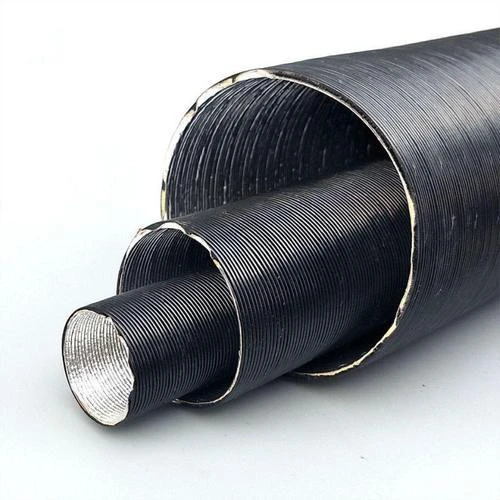
Simply put, a foil duct for dryer is a flexible, typically metallic ducting tube—mostly aluminum foil layered with an outer protective coating—designed to vent hot, moist air from clothes dryers to the exterior of buildings. Unlike rigid metal ducts, these flexible ducts adapt to confined spaces and complex installations without compromising safety or performance.
On an industrial or humanitarian level, such ducts are part of broader ventilation systems that are crucial in maintaining indoor air quality and operational efficiency within factories, shelters, and mobile units. For example, relief organizations installing temporary drying or heating stations after natural disasters rely on foil ducts for rapid deployment and reliable venting.
Mini takeaway:
- Foil ducts are lightweight, flexible, and designed primarily for efficient heat and moisture transport.
- These ducting solutions serve homes, industries, and emergency setups alike.
Key Factors to Consider in Foil Ducts for Dryer
1. Durability and Heat Resistance
One aspect that many engineers emphasize is durability — the foil duct must withstand repeated exposure to hot air, ranging typically from 120°F (49°C) up to 250°F (121°C) without degradation. Temperatures exceeding standard limits risk melting or warping, so materials like reinforced aluminum foil are chosen specifically for their heat endurance.
2. Flexibility & Scalability
Unlike rigid ducts, the foil variety bends and twists easily, making it ideal for tight installations. This saves both time and labor costs. Furthermore, modules come in various lengths, allowing scalability for different building sizes or machines.
3. Cost Efficiency
Foil ducts generally cost less than heavy-duty metal counterparts, which makes them attractive for large-scale projects or budget-conscious setups. Remember though — cost savings shouldn’t compromise quality or fire safety.
4. Fire Safety
Regulations like UL 181 in the US govern dryer duct safety for preventing fires—foil ducts must meet these or similar international standards to be certified for use. Their flame-retardant coatings provide additional peace of mind.
5. Installation and Maintenance
Installation is usually straightforward due to their lightweight and flexible nature. On the plus side, cleaning access is decent, important for preventing lint build-up, a major fire hazard.
Mini takeaway:
- Durability, heat resistance, and safety certifications are critical.
- Flexibility and cost-effectiveness offer practical advantages.
- Proper installation and maintenance extend lifespan and reduce fire risk.
Product Specifications Table: Typical Foil Duct for Dryer
| Specification | Details |
|---|---|
| Material | Reinforced aluminum foil with protective polymer coating |
| Diameter | 4" (standard), also available 6" and 8" |
| Length Options | 25 ft, 50 ft, and custom lengths |
| Max Operating Temperature | 250°F (121°C) |
| Certifications | UL 181 & CSA CSA 22.2 compliant |
| Weight | 0.2 lbs/ft |
Global Applications & Use Cases
Foil ducts for dryers are surprisingly widespread. In North America and Europe, residential buildings commonly use foil ducts for quick dryer vent solutions that meet strict fire safety codes. In Asia’s booming industrial zones, these ducts channel exhaust from heavy-duty industrial dryers in factories producing textiles, food products, or chemicals.
Then you have the humanitarian angle: in post-disaster relief operations, temporary shelters or medical units rely on quick-to-install drying equipment to maintain hygiene and comfort, and foil ducts ensure exhaust is safely vented even in harsh, makeshift conditions.
Oddly enough, remote mining sites and expeditions in Africa or South America use foil ducts inside portable dryers to maintain worker safety and equipment efficiency, where transport of heavier rigid ducts simply isn’t feasible.
Mini takeaway:
- Foil ducts serve both residential and challenging industrial environments worldwide.
- They are indispensable in humanitarian and remote-area applications.
Advantages & Long-Term Value
- Safety: Certified foil ducts reduce fire risks and improve indoor air quality.
- Economic: Lower upfront cost compared to rigid metal ducts and less labor required for installation.
- Sustainability: Lightweight materials mean lower transport emissions; durability minimizes replacement frequency.
- Emotional/Social: Reliable dryer venting means users avoid disruptions, smoke, and odors — creating a safer, more dignified experience.
Keep in mind, investments in quality foil ducts represent a long-term win. They build trust among homeowners, facility managers, and emergency responders alike.
Vendor Comparison: Popular Foil Duct Brands
| Brand | Price/ft | Max Temp | Certification | Durability Rating |
|---|---|---|---|---|
| FlexAir Pro | $0.85 | 250°F | UL 181 | 8/10 |
| DuctMax Silver | $0.75 | 225°F | CSA certified | 7.5/10 |
| SafeVent Ultra | $1.10 | 260°F | UL & CSA | 9/10 |
Future Trends & Innovations
The foil duct industry is quietly evolving. Innovations include greener materials—some incorporating recycled aluminum or bio-based polymers—to reduce environmental impact. Smart sensors embedded inside ducts are on the horizon, transmitting real-time data on airflow and temperature, enabling predictive maintenance to avoid failures.
Digital transformation aside, regulations are tightening globally, pushing manufacturers toward higher safety standards and better energy efficiency ratings. Automation in installation, with modular snap-fit designs, also promises to make setup even faster and more foolproof.
Challenges & Solutions
Foil ducts, while convenient, aren’t without drawbacks. They can be vulnerable to punctures or kinks during installation affecting airflow. Lint accumulation inside still poses significant fire risks if maintenance is neglected.
Experts suggest pairing foil ducts with rigid sections in high-friction areas, and investing in regular cleaning schedules. New surface treatments also enhance duct smoothness, reducing lint adhesion.
Frequently Asked Questions About Foil Duct for Dryer
- What makes foil ducts better than traditional plastic dryer vents?
- Foil ducts typically withstand higher temperatures and reduce fire hazards compared to plastic vents, which can melt or ignite. Their flexibility also simplifies installation in tight spaces.
- How long can a foil duct for dryer last before needing replacement?
- With proper installation and maintenance, good-quality foil ducts can last 10 to 15 years. However, frequent inspection is necessary to detect damage early.
- Are foil ducts eco-friendly?
- Many foil ducts use recyclable aluminum and lighter materials, reducing carbon footprint in manufacturing and transport. Sustainable certifications are becoming more common.
- Can I install a foil duct myself, or should I hire a professional?
- While DIY installation is possible, improper fitting can cause leaks or fire hazards. Professionals ensure ducts meet safety codes and function effectively.
Conclusion & Call to Action
All in all, foil ducts for dryers are deceptively simple but indispensable in delivering safe, efficient, and sustainable ventilation solutions worldwide. They offer a blend of affordability, flexibility, and fire safety that makes them a top choice—from household laundry rooms to emergency relief efforts. If you want to explore quality options or learn more about industry standards, I highly recommend visiting https://www.kebinghose.com.
Thanks for sticking with me through this slightly unexpected but surprisingly critical topic!
Final takeaway:
Foil ducts quietly uphold dryer safety and efficiency across the globe, helping meet energy and safety goals in ways most overlook – yet no expert or homeowner should.
References
-
How to Choose Fuel Oil Hose SAE J30 R6 for Size and Service ConditionsNewsNov.11,2026
-
Flexible High Pressure Top Quality PU Pneumatic Tube Air Hose: Comparing Two PU Tube OptionsNewsNov.03,2026
-
High-Quality Flexible PVC Clear Hose from China: Compatibility, Sizing and Documentation FAQNewsOct.28,2026
-
Choosing PU Anti-Sprial Hose: Medium, Dimensions and Operating ConditionsNewsOct.24,2026
-
Choosing Plastic PVC Water Pump Suction Hose from a Cost-Effective PVC Water Hose Supplier: Medium, Dimensions and Operating ConditionsNewsOct.24,2026
-
Choosing ALUMINUM FOIL VENTILATION DUCT: Application Fit and Specification ChecksNewsOct.24,2026
 Afrikaans
 Albanian
 Arabic
 Azerbaijani
 Belarusian
 Bengali
 Bulgarian
 Czech
 Danish
 Dutch
 Finnish
 French
 German
 Greek
 Hebrew
 Hindi
 Hungarian
 Indonesian
 Irish
 Italian
 Japanese
 Kazakh
 Korean
 Kyrgyz
 Lao
 Latin
 Lithuanian
 Luxembourgish
 Malay
 Mongolian
 Myanmar
 Nepali
 Norwegian
 Persian
 Polish
 Portuguese
 Russian
 Serbian
 Slovak
 Spanish
 Swedish
 Tagalog
 Thai
 Turkish
 Ukrainian
 Uighur
 Uzbek
 Vietnamese
 Welsh
 English