


HVAC Aluminum Duct: Durable, Efficient Airflow Solutions for Modern Buildings
Understanding HVAC Aluminum Duct: A Key to Modern Airflow Solutions
HVAC aluminum ductwork might not be the first thing on your mind when thinking about air conditioning or heating, but it’s really a quiet hero in buildings and industries worldwide. Globally, these ducts help shape indoor air quality, energy efficiency, and sustainability. In fact, with the increasing demand for efficient climate control systems—especially in light of rapid urbanization and stricter environmental regulations—understanding the role of hvac aluminum ducts becomes crucial.
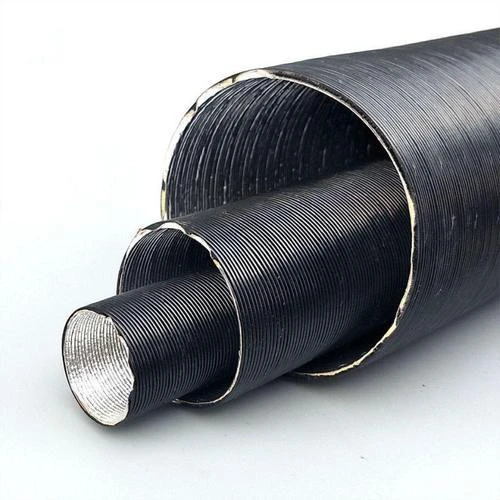
Briefly, an aluminum HVAC duct is an air-conveying pipeline made primarily of aluminum, which is lightweight, corrosion-resistant, and easy to fabricate. Its thoughtful design solves many issues related to traditional metal ducts, which can be heavier and more prone to rust. In this article, we delve into what HVAC aluminum ducts are all about, why they matter globally, and explore their advantages, challenges, and future outlook. So, let’s get into it.
Global and Industry Context of HVAC Aluminum Duct
In a world where climate control is not just comfort but necessity, HVAC systems are massive contributors to global energy use. According to the International Energy Agency (IEA), heating and cooling account for roughly 50% of global building energy consumption. hvac aluminum duct systems play an integral role in this, as they form the primary pathways for air distribution within buildings.
The challenges? Traditional duct materials like galvanized steel are heavier and prone to corrosion and air leakage, leading to energy losses estimated at 20-30%. Aluminum ducts address many of these pain points, especially in climates subject to high humidity or salt-laden air near coasts. Oddly enough, their widespread adoption aligns with the growing focus on green building certifications (e.g., LEED, ISO 50001), which emphasize energy efficiency and sustainable materials.
Defining HVAC Aluminum Duct
In simple terms, a hvac aluminum duct is a conduit designed to carry conditioned air throughout a building or facility, made from aluminum sheets or coils. It connects heating, ventilation, and air conditioning units to various spaces, ensuring clean and temperature-controlled airflow. Beyond buildings, aluminum ducts find use in transportation, hospitals, data centers, and even humanitarian setups like disaster relief shelters.
Its connection to modern industry is significant. Where lightweight and flexibility are prized, aluminum’s attributes shine—such as in modular construction or mobile units. Humanitarian organizations also prefer it due to the ease of installation and the ability to quickly deploy HVAC setups in fragile settings.
Key Factors and Core Components of HVAC Aluminum Ducts
Durability and Corrosion Resistance
Aluminum naturally forms a protective oxide layer, making it highly resistant to corrosion. This is particularly advantageous in environments with condensation or aggressive atmospheric conditions, ensuring longer service life.
Lightweight and Ease of Installation
Compared with steel alternatives, aluminum ducts weigh significantly less, which reduces labor costs and installation time. I've noticed many installers appreciate how manageable the material is during on-site work.
Cost Efficiency
Although aluminum can be pricier per pound than steel, the overall cost—including transportation and labor—is often lower due to reduced weight and faster assembly.
Flexibility and Scalability
Aluminum HVAC ducts come in customizable sizes and thicknesses, suitable for various scales, from small residential setups to large industrial ventilation networks.
Thermal Conductivity
Aluminum also has good thermal conductivity, which helps in maintaining temperature integrity within ducts; however, proper insulation is still necessary to prevent energy loss.
Mini Takeaway: HVAC aluminum ductwork offers a blend of durability, lightweight design, and cost-effectiveness, making them front-runners in efficient airflow solutions.
Product Specification Table: Typical HVAC Aluminum Duct
| Specification | Typical Values |
|---|---|
| Material Thickness | 0.016" to 0.063" (0.4mm to 1.6mm) |
| Common Alloys | 3003-H14, 5052-H32 |
| Density | 2.7 g/cm³ |
| Corrosion Resistance | Excellent |
| Thermal Conductivity | ~237 W/mK |
| Installation Type | Slip joint, flanged, or snap-lock |
Vendor Comparison: Top HVAC Aluminum Duct Manufacturers
| Vendor | Material Quality | Customization | Pricing | Delivery Time |
|---|---|---|---|---|
| AluFlow Ducts | High-grade 5052-H32 alloy | Custom sizes & fittings | Mid-range | 2-3 weeks |
| EcoDuct Solutions | Standard 3003 alloy | Limited customization | Budget-friendly | 1-2 weeks |
| PrimeVent Co. | Premium alloys, tested | Full bespoke solutions | Higher-end | 3-4 weeks |
Global Applications & Real-World Use Cases
From a cool data center in Silicon Valley to a hospital in coastal Singapore, HVAC aluminum ducts ensure smooth airflow and indoor air quality. In remote industrial zones—think mining camps in Australia or oil rigs off Norway—lightweight and corrosion-resistant aluminum ducts offer practical benefits. Plus, in post-disaster relief operations, their quick installation helps bring stable climate control to temporary shelters.
More interestingly, I’ve come across some NGOs that specifically request aluminum duct kits for rapid deployment housing to prevent mold growth due to moisture—something galvanized steel ducts struggle with. Regional trends show the Middle East and Southeast Asia are growing markets due to their humid climates and construction booms, where efficient aluminum duct systems are keenly favored.
Mini Takeaway: Aluminum HVAC ducts are versatile; their applications cut across climate zones and industries, often improving air quality and durability in challenging environments.
Advantages & Long-Term Value of HVAC Aluminum Ducts
- Energy Efficiency: Reduced air leakage and lower thermal losses mean systems run less wastefully.
- Longevity and Maintenance: Their resistance to corrosion reduces upkeep and replacement costs.
- Environmental Impact: Aluminum is highly recyclable, aligning with circular economy principles.
- Safety and Comfort: Better air quality and temperature control foster healthier living and work spaces.
- Innovation Trust: Adoption by leading architects and engineers underlines industry confidence.
Frankly, it feels like aluminum ducts are not just a technical choice but an ethical one—helping mitigate pollution and enhance comfort at once.
Future Trends & Innovations in HVAC Aluminum Duct
Looking ahead, one exciting development is the integration of smart technology: ducts embedded with sensors that monitor airflow, temperature, and system performance in real-time, syncing with building management systems. This digital transformation stands to boost operational efficiency and predictive maintenance.
On the materials front, advances in ultra-lightweight alloys and coatings that further resist microbes and contaminants are being trialed. Sustainability efforts push for more recycled aluminum content and eco-friendly manufacturing methods.
Governments worldwide are tightening energy codes, making efficient HVAC aluminum duct systems not just desirable, but essential for new builds and renovations. Oddly enough, this little part of the supply chain could be a major player in the green energy transition.
Challenges & Solutions
Despite the advantages, aluminum ducts aren’t without challenges. They can be more susceptible to dents or damage during transport, which can affect performance. Also, their thermal conductivity can be a double-edged sword if proper insulation is neglected.
Innovative approaches include protective end caps during shipping, modular duct segments for easier handling, and improved insulation wraps. Many engineers now advocate for combined aluminum-foam composite ducts that improve insulation while keeping weight low.
FAQ: Frequently Asked Questions About HVAC Aluminum Duct
- Are aluminum ducts better than steel for HVAC systems?
- Aluminum ducts are generally lighter and more corrosion-resistant, making them better suited for humid and coastal environments. However, steel can be stronger in heavy-duty industrial contexts. The best choice depends on application specifics.
- How long do hvac aluminum ducts typically last?
- With proper installation and maintenance, aluminum HVAC ducts can last 20-30 years, often outlasting steel ducts in corrosive environments.
- Can aluminum ducts be recycled?
- Yes—aluminum is one of the most recyclable metals, and reclaimed duct materials can be melted down repeatedly without losing quality.
- Is installation of aluminum ductwork faster than traditional options?
- Generally, yes. Their lightweight nature and ease of fabrication reduce labor and assembly time compared to heavier metal alternatives.
- Where can I find suppliers of custom HVAC aluminum ductwork?
- Specialized manufacturers offer custom solutions tailored to project needs, many providing online catalogs. For example, companies like those you can see at https://www.kebinghose.com provide robust options.
Conclusion: A Breath of Fresh Air for HVAC Systems
In sum, hvac aluminum duct systems present a compelling blend of durability, efficiency, and sustainability that meets the modern needs of industry, construction, and humanitarian work. They reduce costs, lower environmental impacts, and deliver consistent comfort. As innovations continue to emerge—fueled by tech and material science—the role of aluminum ducts will only expand.
For anyone involved in building design, maintenance, or installation, embracing these ducts is not just practical but forward-thinking. Curious to learn more or source reliable HVAC aluminum duct solutions? Visit our website: https://www.kebinghose.com to explore quality options and expert advice.
Oddly enough, next time you feel that perfect indoor air, there’s a good chance aluminum ducts had a quiet hand in it...
Mini Takeaway: HVAC aluminum ducts combine longevity, efficiency, and eco-conscious design to form the backbone of modern airflow systems.
References
-
How to Choose Fuel Oil Hose SAE J30 R6 for Size and Service ConditionsNewsNov.11,2026
-
Flexible High Pressure Top Quality PU Pneumatic Tube Air Hose: Comparing Two PU Tube OptionsNewsNov.03,2026
-
High-Quality Flexible PVC Clear Hose from China: Compatibility, Sizing and Documentation FAQNewsOct.28,2026
-
Choosing PU Anti-Sprial Hose: Medium, Dimensions and Operating ConditionsNewsOct.24,2026
-
Choosing Plastic PVC Water Pump Suction Hose from a Cost-Effective PVC Water Hose Supplier: Medium, Dimensions and Operating ConditionsNewsOct.24,2026
-
Choosing ALUMINUM FOIL VENTILATION DUCT: Application Fit and Specification ChecksNewsOct.24,2026
 Afrikaans
 Albanian
 Arabic
 Azerbaijani
 Belarusian
 Bengali
 Bulgarian
 Czech
 Danish
 Dutch
 Finnish
 French
 German
 Greek
 Hebrew
 Hindi
 Hungarian
 Indonesian
 Irish
 Italian
 Japanese
 Kazakh
 Korean
 Kyrgyz
 Lao
 Latin
 Lithuanian
 Luxembourgish
 Malay
 Mongolian
 Myanmar
 Nepali
 Norwegian
 Persian
 Polish
 Portuguese
 Russian
 Serbian
 Slovak
 Spanish
 Swedish
 Tagalog
 Thai
 Turkish
 Ukrainian
 Uighur
 Uzbek
 Vietnamese
 Welsh
 English







