


Durable and Flexible 6x4mm Polyurethane Tubing for Industrial & Medical Use
Understanding 6x4mm Polyurethane Tubing: Small Size, Big Impact
You might not give a second thought to a simple tube — yet the 6x4mm polyurethane tubing plays a surprisingly vital role in industries worldwide. This tiny piece of flexible tubing carries fluids, protects inner workings, and withstands harsh conditions. To appreciate its importance, imagine the global manufacturing lines where precision matters, or emergency water systems in remote regions relying on durable components — that's where this tubing quietly delivers.
Why focus on 6x4mm specifically? It's a popular intermediate size, balancing strength with flexibility, and it's widely requested for pneumatic tools, medical devices, and food-grade applications. Understanding this tubing helps engineers select the right parts that keep critical systems running smoothly.
The Global Context of Polyurethane Tubing
The world consumes over 6 million tons of plastics annually (according to ISO data), with polyurethane tubing carved out as a specialized niche known for resilience and adaptability. Industries from automotive to agriculture rely on flexible, chemical-resistant tubing to optimize production and safety.
Interestingly, the Food and Agriculture Organization (FAO) has noted growing demand for efficient irrigation in arid zones—where lightweight, durable tubing helps conserve water. However, sourcing tubing that's both durable and cost-effective remains a challenge, especially for emerging markets facing harsh environments.
Many engineers say that the 6x4mm polyurethane tubing hits a sweet spot, overcoming issues like brittleness or contamination that plague other materials. This is more than just a size specification; it’s a response to real-world practicalities.
What Exactly Is 6x4mm Polyurethane Tubing?
At its core, 6x4mm polyurethane tubing means a polyurethane tube with an outer diameter of 6 millimeters and an inner diameter of 4 millimeters. Polyurethane itself is a versatile polymer known for its elasticity, resistance to abrasion, and chemical inertness.
That thickness — 1mm wall thickness — is tough enough to resist kinks yet flexible enough to curve without damage. Its connection to modern needs is significant: in medical devices delivering fluids, in factory automation moving air or liquids, and even in consumer products where longevity and safety are key.
Key Features That Make This Tubing Stand Out
1. Durability and Abrasion Resistance
Polyurethane tubing resists wear and tear more effectively than many other plastics, even when rubbed against rough surfaces. It's ideal for repetitive movement zones like robotics or conveyors, where plastic tubing often fails prematurely.
2. Flexibility with Shape Retention
The tubing bends and twists without collapsing, allowing tricky installations in compact spaces — think of pneumatic lines inside tight machinery or lab instruments.
3. Chemical and Weather Resistance
Chemicals, oils, water — many will not degrade polyurethane quickly, which extends service life outdoors or in chemically exposed areas.
4. Food and Medical Safety Certifications
This tubing often meets strict regulations (FDA) for food contact and medical devices, making it reliable where contamination is never an option.
5. Cost Efficiency
While not the cheapest plastic option, its lifespan and minimal maintenance reduce total ownership costs.
Mini Takeaway:
The 6x4mm polyurethane tubing embodies a balanced trifecta: toughness, flexibility, and safety—qualities that matter when the tube isn’t just tubing, but a lifeline inside machines or living organisms.
Specs to Know: A Quick Glance
| Specification | Details |
|---|---|
| Outer Diameter (OD) | 6 mm |
| Inner Diameter (ID) | 4 mm |
| Material | Polyurethane (PU) |
| Operating Temperature | -40°C to +80°C |
| Burst Pressure | Up to 8 bar (116 psi) |
| Certifications | FDA, RoHS, REACH compliant |
Worldwide Uses: Where and Why It’s Trusted
In real terms, 6x4mm polyurethane tubing is everywhere — but often out of sight. For instance:
- Automotive assembly plants: For pneumatic tools and fluid delivery lines, where high flexibility and durability prevent downtime.
- Medical device manufacturing: Intravenous components or lab equipment benefit from its biocompatibility and non-reactive nature.
- Food and beverage packaging: Transporting liquids or gases without contaminating contents; the tubing is washable and meets health standards.
- Environmental systems: Pumps and irrigation use it because it handles outdoor conditions well, especially in dry or dusty zones.
Oddly enough, NGOs also seek this tubing in disaster relief kits — the ability to supply safe water or medical gases quickly can save lives.
Competitive Landscape: Vendor Comparison
| Supplier | Material Quality | Certifications | Price Range (per meter) | Lead Times |
|---|---|---|---|---|
| Kebing Hose | Premium PU, abrasion-resistant | FDA, RoHS, REACH | $2.00 - $2.50 | 1-2 weeks |
| Generic Industrial Tubing Co. | Standard PU | RoHS only | $1.50 - $1.80 | 3-4 weeks |
| Premium Tubes Ltd. | High-grade PU, FDA certified | FDA, REACH | $3.00 - $3.50 | 2 weeks |
Why Should You Consider 6x4mm Polyurethane Tubing?
Beyond the specs and certifications, using the right tubing means fewer maintenance headaches, less downtime, and often improved safety. In factories or hospitals, that translates directly to saved money and better outcomes. There’s also an emotional peace of mind — knowing the components you put inside critical systems won’t quit on you unexpectedly.
The Future: New Trends & Innovations
Innovations in polyurethane chemistry are pushing tubing to be greener and more sustainable — bio-based polyurethanes, for example, are starting to replace petroleum-derived types. Integrating digital sensors in tubing systems for real-time pressure monitoring is another cool development, especially for automated plants.
Sustainability aside, lightweight composites mixed with polyurethane could bring new performance levels to 6x4mm, especially where extreme temperatures or corrosive chemicals are present.
Overcoming Challenges: What to Watch For
Of course, it’s not perfect. Polyurethane tubing can degrade under UV exposure unless specially treated, and some lower-quality batches may have porosity issues leading to leaks. Plus, installation requires care — the tubing’s flexibility means it can be cut inaccurately or kinked by untrained hands.
But industry best practices — like proper storage, quality control, and supplier audits — help solve these. Ongoing R&D also targets stronger UV-resistant coatings as well as easier, more user-friendly fitting systems.
FAQ: Quick Answers About 6x4mm Polyurethane Tubing
Q1: Can 6x4mm polyurethane tubing handle hot fluids?
A1: Generally, polyurethane tubing operates safely up to about 80°C. For hot liquids over this temperature, specialized high-temp versions or alternative materials are recommended to avoid deformation or premature wear.
Q2: Is this tubing safe for drinking water systems?
A2: Certified food-grade polyurethane tubing meeting FDA standards can safely carry drinking water. It’s important to confirm the supplier’s certifications and that the product is specifically designed for potable water use.
Q3: How does 6x4mm polyurethane tubing compare to silicone tubing?
A3: Silicone is more heat resistant and flexible but less abrasion-resistant. Polyurethane provides better mechanical strength and durability, making it ideal for rugged industrial uses, while silicone shines in medical or high-temp environments.
Q4: Can I purchase polyurethane tubing in custom lengths?
A4: Yes, most suppliers offer custom cuts. Ordering direct from manufacturers like Kebing Hose ensures you get the exact length and quality you need with fewer hassles.
Q5: What’s the best way to connect 6x4mm tubing in a system?
A5: Use compatible push-to-connect fittings designed for polyurethane tubing. Ensure fittings match the 6mm OD and that installation follows manufacturer guidelines to avoid leaks or tube damage.
Wrapping It Up: Why It Matters
At the end of the day, 6x4mm polyurethane tubing might seem like a small player but it’s a workhorse that quietly supports a vast array of industries and innovations. Its unique blend of toughness, flexibility, and safety stands up to demanding environments—from factory floors to front-line humanitarian aid.
If you’re sourcing this tubing for your next project, consider the benefits of quality, certifications, and supplier reliability. For further details and selections, don’t hesitate to visit Kebing Hose — they've been a trusted name in this space for years.
References:
- International Organization for Standardization (ISO) plastics data
- Food and Agriculture Organization (FAO) water usage reports
- U.S. Food and Drug Administration tubing certifications
-
How to Choose Fuel Oil Hose SAE J30 R6 for Size and Service ConditionsNewsNov.11,2026
-
Flexible High Pressure Top Quality PU Pneumatic Tube Air Hose: Comparing Two PU Tube OptionsNewsNov.03,2026
-
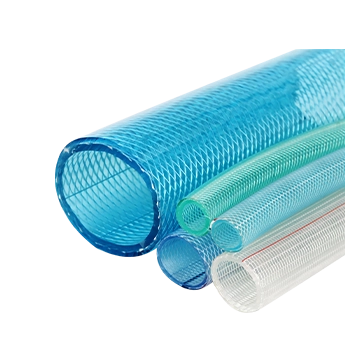
High-Quality Flexible PVC Clear Hose from China: Compatibility, Sizing and Documentation FAQNewsOct.28,2026
-
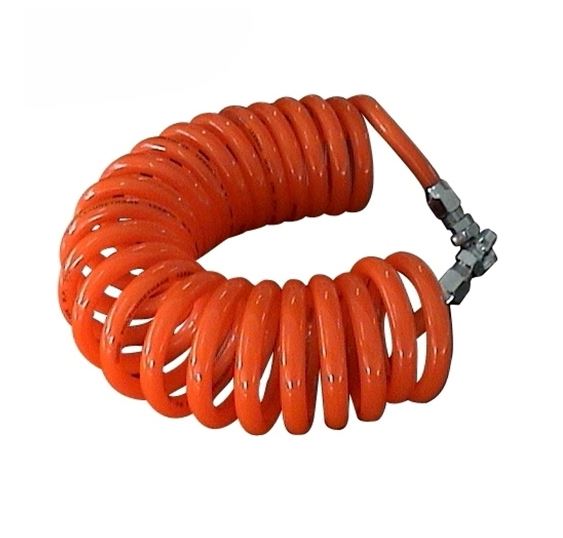
Choosing PU Anti-Sprial Hose: Medium, Dimensions and Operating ConditionsNewsOct.24,2026
-
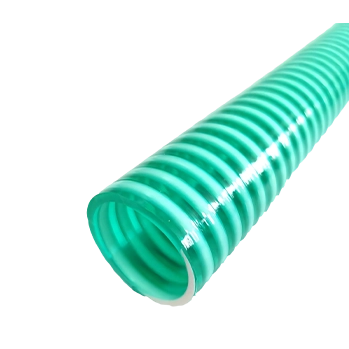
Choosing Plastic PVC Water Pump Suction Hose from a Cost-Effective PVC Water Hose Supplier: Medium, Dimensions and Operating ConditionsNewsOct.24,2026
-
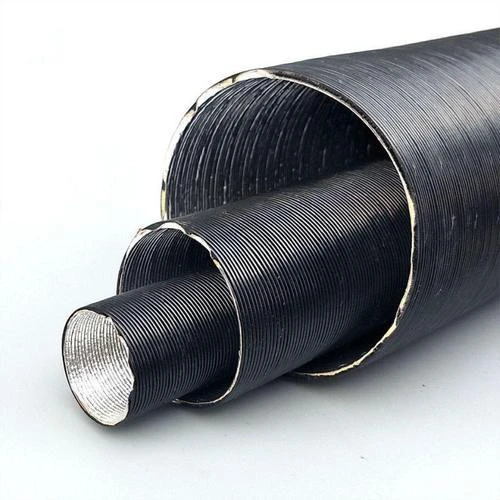
Choosing ALUMINUM FOIL VENTILATION DUCT: Application Fit and Specification ChecksNewsOct.24,2026
 Afrikaans
 Albanian
 Arabic
 Azerbaijani
 Belarusian
 Bengali
 Bulgarian
 Czech
 Danish
 Dutch
 Finnish
 French
 German
 Greek
 Hebrew
 Hindi
 Hungarian
 Indonesian
 Irish
 Italian
 Japanese
 Kazakh
 Korean
 Kyrgyz
 Lao
 Latin
 Lithuanian
 Luxembourgish
 Malay
 Mongolian
 Myanmar
 Nepali
 Norwegian
 Persian
 Polish
 Portuguese
 Russian
 Serbian
 Slovak
 Spanish
 Swedish
 Tagalog
 Thai
 Turkish
 Ukrainian
 Uighur
 Uzbek
 Vietnamese
 Welsh
 English







