When specifying fluid power systems, the selection of the right conduit often determines the boundary between operational efficiency and frequent downtime. For procurement managers and engineers, finding a reliable source for wholesale polyurethane pneumatic hose involves more than comparing price points; it requires an understanding of how material elasticity and pressure ratings interact under real-world industrial stress.
The critical nature of these components is evident in automated machinery and pneumatic tools, where a hose failure can halt an entire production line. While standard PVC options exist, polyurethane (PU) is favored for its superior flexibility and resistance to abrasion, making it a cornerstone of the broader polymer composite materials market, alongside hydraulic and industrial rubber hoses.
This analysis explores the technical parameters and procurement logic necessary to optimize pneumatic installations. By evaluating material characteristics and operational limits, we provide a framework for choosing wholesale polyurethane pneumatic hose that balances long-term durability with cost-effectiveness.


Polyurethane pneumatic hoses are engineered from high-grade polymer composites, often incorporating nylon for enhanced structural integrity. The core chemistry allows for a unique balance of hardness and flexibility, which is essential for hoses that must navigate tight radii without kinking or collapsing under vacuum pressure. This material choice ensures that the tubing remains non-toxic and smelless, meeting safety requirements for various industrial environments.
From a structural standpoint, these hoses are designed to absorb impact and reduce friction during movement. This "memory" effect allows the hose to return to its original shape after bending, which is why they are frequently produced as coil hoses. The resulting construction minimizes the footprint in workspaces while maximizing the reach of pneumatic tools.
The viability of a pneumatic hose depends heavily on its temperature tolerance and chemical resistance. Standard polyurethane tubing is rated for temperatures ranging from -40℃ (-104℉) to +90℃ (+140℉), making it suitable for both cold-storage facilities and high-heat machinery rooms. This wide thermal window prevents the material from becoming brittle in winter or overly soft in summer, maintaining a consistent working pressure.
The most critical metric for PU hoses is the balance between the working pressure (typically around 8 bar/116 psi) and the burst pressure (up to 24 bar/348 psi), ensuring a safety factor that prevents catastrophic failure during pressure spikes.
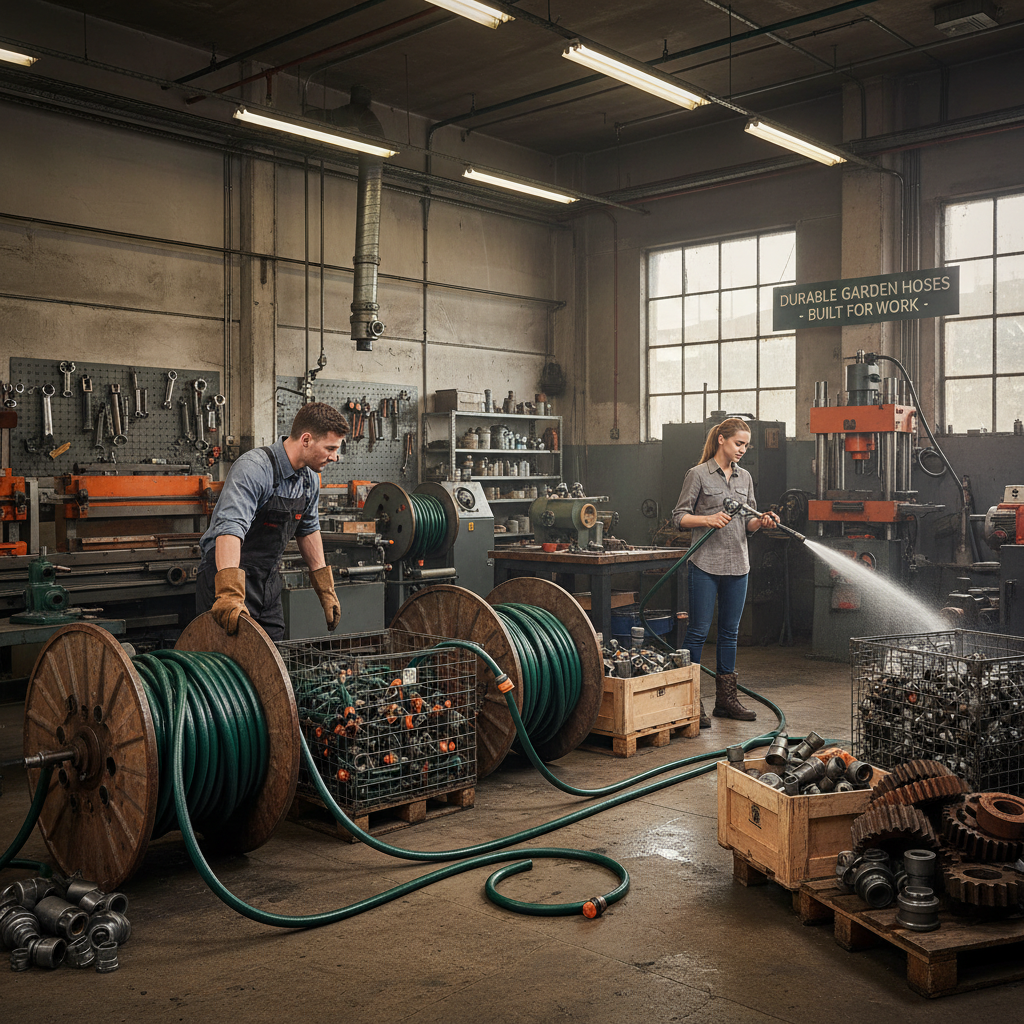
Beyond pressure, environmental compatibility is key. High-quality PU hoses are hydrolysis-resistant, anti-bacterial, and anti-fungous. This makes them not only suitable for pneumatic air brakes and automated machinery but also adaptable for cleaning and gardening applications where exposure to moisture and biological agents is common.
In high-cycle automation, the total cost of ownership is driven by the frequency of hose replacement. Polyurethane's inherent elasticity reduces the stress on fittings and connections during repetitive motion. By absorbing the mechanical shocks associated with rapid actuator movements, PU hoses extend the lifespan of the entire pneumatic circuit.
Reducing the bending radius allows for more compact machinery design, which directly translates to higher floor-space efficiency and reduced cable-carrier wear in robotic cells.
Furthermore, the ease of operation associated with flexible PU tubing reduces installation time and labor costs. Because the material is easy to manipulate and route, technicians can deploy complex pneumatic networks more quickly, reducing the initial commissioning phase of new industrial equipment.
When comparing PU coil hoses to Nylon coil hoses, the primary trade-off is between flexibility and pressure capacity. PU is optimized for agility and ease of use at moderate pressures, whereas Nylon is engineered for higher stress environments where burst resistance is the priority.
As shown in the technical data, Nylon options can support working pressures up to 20 bar (290 psi), significantly higher than the 8 bar standard for PU. This makes Nylon the preferred choice for high-pressure hydraulic-pneumatic hybrids, while PU remains the gold standard for standard air tool applications.
The versatility of PU tubing allows it to be integrated into a vast array of sectors. In the automotive industry, it is used extensively for air brakes and pneumatic assembly tools. The ability to customize specifications and sizes ensures that each hose fits the precise requirements of the machine's geometry, avoiding excess slack that could lead to snagging.
In coating machinery and general manufacturing, the non-toxic and smelless nature of the material prevents contamination of the product. Whether used in a clean-room environment or a heavy-duty construction site, the resilience of the polyurethane wall against abrasion ensures that the pneumatic flow remains uninterrupted by external punctures.
The trajectory of pneumatic hose technology is moving toward "smart" materials that can withstand more aggressive chemical environments. We are likely to see an increase in composite PU blends that offer the flexibility of polyurethane with the chemical inertness of fluoropolymers, expanding their use in the pharmaceutical and chemical processing sectors.
Sustainability is also becoming a primary driver. There is a plausible direction toward bio-based polyurethanes that maintain the same burst pressure and elasticity but reduce the reliance on petroleum-based resins. This shift would allow manufacturers to meet stricter environmental regulations without sacrificing performance.
Integration with modular fitting systems is another trend. Future hoses may feature integrated RFID or sensor-compatible markers to allow for automated maintenance tracking, ensuring that hoses are replaced based on actual fatigue cycles rather than arbitrary time intervals.
One common challenge in pneumatic installations is the "kinking" of hoses during tight bends, which restricts airflow and causes pressure drops. The solution lies in selecting a hose with a smaller bending radius and ensuring that the outer diameter (O.D.) is correctly matched to the push-in fittings to prevent leaks.
Another issue is the degradation of the hose due to UV exposure or extreme temperature fluctuations. Utilizing hydrolysis-resistant PU prevents the material from cracking over time, particularly in outdoor gardening or cleaning applications where the hose is constantly exposed to the elements.
Finally, managing the "coil memory" is essential for technicians. Using proper securing clips and ensuring the hose is not over-extended beyond its designed length prevents the material from losing its elasticity, which is critical for the long-term reliability of the pneumatic system.
| Metric | PU Coil Hose | Nylon Coil Hose | Ideal Application |
|---|---|---|---|
| Working Pressure | 8 Bar / 116 psi | 20 Bar / 290 psi | Air Tools / High Pressure |
| Burst Pressure | 24 Bar / 348 psi | 60 Bar / 870 psi | Safety Critical / Heavy Duty |
| Flexibility | Excellent | Moderate | Robotic Arms / Static Lines |
| Temp Range | -40°C to +90°C | Higher Stability | Extreme Heat / Cold |
| Material Property | Elastic / Soft | Rigid / Strong | Dynamic / Fixed Install |
| Chemical Resistance | Hydrolysis-Resistant | High Chemical Inertness | Water / Oil / Chemical |
The primary difference lies in the balance between flexibility and pressure rating. Polyurethane (PU) hoses offer superior elasticity and a smaller bending radius, making them ideal for dynamic movements and air tools. Nylon hoses provide much higher working and burst pressures, making them suitable for high-stress industrial environments where rigidity is acceptable but pressure capacity is mandatory.
Yes, PU based tubes are specifically engineered to be hydrolysis-resistant, anti-bacterial, and anti-fungous. This makes them highly effective for gardening, cleaning, and other water-related purposes where standard air hoses might degrade due to moisture exposure.
You should select the size based on the required flow rate and the fitting dimensions. Common sizes include I.D. 5mm to 12mm and O.D. 8mm to 16mm. Ensure that the Inner Diameter (I.D.) can handle the required volume of air without excessive pressure drop, while the Outer Diameter (O.D.) matches your push-in or compression fittings exactly.
Leaks typically occur due to an improper match between the hose O.D. and the fitting, or because the hose was cut at an angle rather than a clean 90-degree square cut. Additionally, if the hose is operated beyond its temperature limit, the material may soften, compromising the seal. Always use a sharp cutting tool for a clean edge.
Lifespan varies by usage, but high-quality PU hoses are designed for long-term use due to their abrasion resistance. In a typical pneumatic tool environment, they last significantly longer than PVC alternatives. Replacement is usually triggered by visible wear, a loss of coil "memory," or a decrease in the burst pressure safety margin over several years.
The provided PU hoses are described as non-toxic and smelless, which are essential baseline requirements for many sensitive environments. However, for specific medical or food-grade certifications, you should verify the exact resin grade and certification standards with the manufacturer to ensure compliance with local health regulations.
Selecting the right pneumatic conduit is a technical decision that impacts both the safety and the efficiency of an industrial operation. By prioritizing material elasticity, precise pressure ratings, and environmental resistance, operators can significantly reduce downtime and maintenance overhead. The transition from standard piping to specialized polyurethane solutions represents a strategic move toward higher operational reliability in modern automation.
For organizations seeking a partner capable of delivering high-performance polymer composite materials, Kebing offers integrated research and production capabilities to meet strict international standards. Whether you require custom specifications or large-scale wholesale supply, visiting www.ktnewmaterial.com provides access to expert guidance and a comprehensive range of professional hose solutions.

 Afrikaans
 Albanian
 Arabic
 Azerbaijani
 Belarusian
 Bengali
 Bulgarian
 Czech
 Danish
 Dutch
 Finnish
 French
 German
 Greek
 Hebrew
 Hindi
 Hungarian
 Indonesian
 Irish
 Italian
 Japanese
 Kazakh
 Korean
 Kyrgyz
 Lao
 Latin
 Lithuanian
 Luxembourgish
 Malay
 Mongolian
 Myanmar
 Nepali
 Norwegian
 Persian
 Polish
 Portuguese
 Russian
 Serbian
 Slovak
 Spanish
 Swedish
 Tagalog
 Thai
 Turkish
 Ukrainian
 Uighur
 Uzbek
 Vietnamese
 Welsh
 English