PU Air Pipe – Durable, Flexible Solutions For Pneumatic Systems | Kebing Hose
Understanding PU Air Pipe: The Backbone of Efficient Pneumatic Solutions
At first blush, the term pu air pipe might sound niche, technical even, but it quietly powers a lot of what keeps industries moving smoothly worldwide. Think about the silent workhorses inside pneumatic systems: flexible, durable pipes that deliver compressed air reliably across factories, hospitals, and even disaster relief zones. That’s where polyurethane (PU) air pipes come in. They’re not just tubes; they're essential lifelines that maintain air flow without leaks, withstand harsh conditions, and keep operations humming.
Why does this matter on a global scale? Well, according to ISO and industrial reports, pneumatic systems contribute massively to automation and manufacturing efficiency—industries worth trillions annually. Outdated or subpar air piping can account for costly downtime and energy waste...
Global Context: Why PU Air Pipes Are Critical in Today’s Industrial Landscape
Industries spanning automotive assembly lines to pharmaceuticals depend on pressurized air systems. The challenge? Many regions still lack access to piping that’s lightweight, corrosion-resistant, and easy to install, causing bottlenecks. UN industrial development data highlights that emerging markets see rapid expansion in manufacturing, yet infrastructure can’t always keep pace.
PU air pipe offers an answer here. A combination of flexibility, strength, and affordability means it’s becoming a go-to solution worldwide, especially in places where quick deployment and performance reliability are crucial. For example, in remote mining sites or urban hospitals, you want a pipe that won’t crack under stress or leach contaminants into vital air supplies.
What Exactly Is a PU Air Pipe?
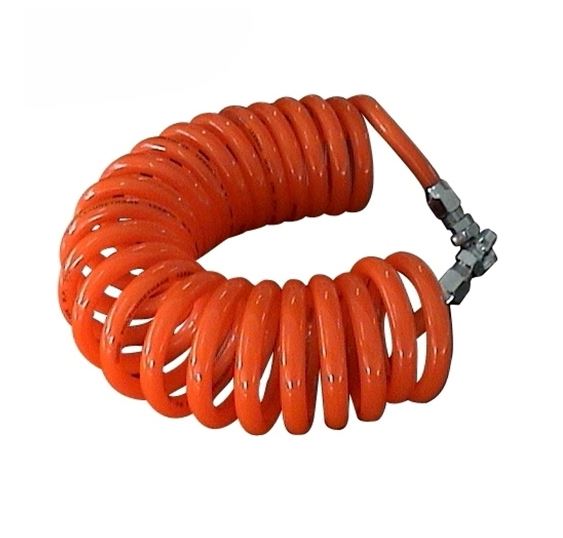
Simply put, a PU air pipe is a flexible conduit made from polyurethane, designed to transport compressed air within pneumatic systems. Compared to traditional PVC or rubber hoses, the polyurethane version boasts improved abrasion resistance, chemical tolerance, and elasticity. This makes it ideal for repetitive bending, high-pressure use, and environments with harsh chemicals or fluctuating temperatures.
These pipes link the mechanical heartbeats of modern factories and emergency settings — when you need reliable air flow fast, the pu air pipe often fits just right.
Core Features of PU Air Pipe
Durability
PU pipes withstand repeated flexing and rough handling — think about a hose in a busy workshop that’s dragged across metal surfaces daily. Their resistance to abrasions and kinks saves downtime.
Lightweight Flexibility
Unlike metal piping, these pipes bend around corners without much fuss, helping engineers design compact, efficient layouts.
Chemical and Temperature Resistance
PU handles oils, solvents, and temperature swings better than many alternatives, which extends its service life.
Ease of Installation
They’re easier to install and replace than rigid piping systems, cutting labor costs—a boon in fast-paced or temporary setups like disaster relief medical tents.
Cost-Efficiency
Though initial costs can be slightly higher than basic rubber hoses, the longevity and energy savings often tip the balance.
Real-World Applications: Where PU Air Pipes Make a Difference
- Manufacturing Plants: Automated assembly lines rely on PU air pipes for consistent airflow to pneumatic actuators.
- Medical Equipment: Hospitals utilize PU air pipes in respiratory and lab instruments where contamination prevention is critical.
- Disaster Relief: Rapidly deployable field hospitals or water treatment setups use these pipes for their ease of setup and reliability.
- Agricultural Automation: Greenhouses and livestock farms employ PU air pipes in automated feeding and watering systems.
- Automotive Repair Shops: For pneumatic tools like impact wrenches and paint sprayers, these pipes offer flexibility and endurance.
Regions with expanding industrial sectors—like Southeast Asia and parts of South America—are increasingly adopting PU air pipes due to their versatility.
Notable Example
During the 2020 wildfires in Australia, emergency responders relied on fast-setup air purification tents supplied with compressed air through PU air pipes, ensuring clean breathing air under tough conditions.
Quick Specs: Typical PU Air Pipe Product Data
| Specification | Typical Value | Unit |
|---|---|---|
| Outer Diameter | 12-50 | mm |
| Working Pressure | 8-15 | bar |
| Temperature Range | -40 to +85 | °C |
| Minimum Bend Radius | 5 | x OD |
| Abrasion Resistance | High | — |
Vendor Comparison: Choosing Your PU Air Pipe Supplier Wisely
| Vendor | Material Quality | Customization Options | Pricing | Delivery Speed |
|---|---|---|---|---|
| Kebing Hose | Premium Grade PU | Tailored Lengths & Diameters | Competitive | Fast (1-2 weeks) |
| GenericImport Co. | Standard PU Blend | Limited Sizes | Lower Price | Moderate (3-4 weeks) |
| Industrial Pipes Ltd. | High Durability PU | Custom Colors & Sleeving | Premium Pricing | Fast (1 week) |
Advantages and Long-Term Value of PU Air Pipes
Let’s be frank — many companies cut corners on piping, opting for cheaper hoses that crack or degrade. That creates ripple effects: maintenance headaches, system inefficiencies, and even safety hazards. PU air pipes, by contrast, offer remarkable longevity, minimizing downtime and long-term cost, which feels great for your bottom line.
Moreover, many engineers note they contribute to sustainability goals—lower air leakage improves energy efficiency and reduces wastage. Plus, PU materials are recyclable in some cases. Emotionally, knowing the infrastructure is safe and reliable translates to peace of mind, especially in critical sectors like healthcare or disaster management.
What’s Next? Emerging Trends in PU Air Pipe Technology
Innovation never stops. The future for pu air pipes looks exciting: advanced polymer blends that resist microbial growth, embedded sensors for real-time pressure monitoring, and greener manufacturing processes are all on the horizon. I also noticed a rising interest in automation-friendly piping that integrates with smart factory networks.
Combine this with regulatory pressures pushing industries toward sustainability and safety, and it’s safe to say pu air pipes are only going to become smarter and more essential.
Challenges and How Industry Leaders Are Overcoming Them
Even with their benefits, PU air pipes face issues: prolonged exposure to UV light or extreme chemicals can reduce lifespan. Supply chain disruptions sometimes affect availability too.
To tackle these, companies like Kebing Hose invest in specialized UV-resistant coatings and maintain multiple supply hubs. Moreover, modular piping designs enable easier on-site repairs — an approach that’s gaining traction. So, while challenges exist, smart innovation is keeping pu air pipes firmly reliable.
Frequently Asked Questions About PU Air Pipe
- Q: How does PU air pipe compare to standard rubber hoses in durability?
- A: PU air pipes generally last 2-3 times longer than rubber hoses due to superior abrasion resistance and chemical tolerance. This makes them ideal for environments with heavy mechanical stress.
- Q: Can PU air pipes be used outdoors?
- A: Yes, but prolonged direct sunlight exposure can degrade the material. Using UV-resistant versions or protective sleeving is recommended for outdoor use.
- Q: Are PU air pipes compatible with all pneumatic systems?
- A: Typically yes. They come in various diameters and pressure ratings suitable for most pneumatic needs, from light-duty tools to industrial automation.
- Q: How flexible are PU air pipes for installation in tight spaces?
- A: Very flexible. Their low minimum bend radius allows routing in compact areas without kinking or compromising airflow.
- Q: Where can I purchase quality PU air pipes?
- A: Trusted suppliers like Kebing Hose offer a range of high-grade PU air pipes with customization options and fast delivery.
Wrapping Up: Why PU Air Pipes Should Be Your Next Industrial Investment
In real terms, investing in quality pu air pipe translates to smoother workflows, fewer interruptions, and a greener footprint. Whether you’re upgrading an automotive plant, outfitting a hospital, or supporting humanitarian relief, these pipes aren’t just components — they’re enablers of progress and safety.
Want to explore options? Don’t hesitate to visit our website and discover the range of premium pu air pipe solutions ready to meet your needs.
-
How to Choose Fuel Oil Hose SAE J30 R6 for Size and Service ConditionsNewsNov.11,2026
-
Flexible High Pressure Top Quality PU Pneumatic Tube Air Hose: Comparing Two PU Tube OptionsNewsNov.03,2026
-
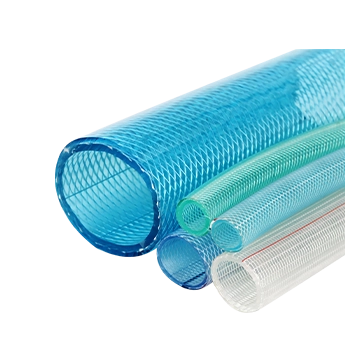
High-Quality Flexible PVC Clear Hose from China: Compatibility, Sizing and Documentation FAQNewsOct.28,2026
-
Choosing PU Anti-Sprial Hose: Medium, Dimensions and Operating ConditionsNewsOct.24,2026
-
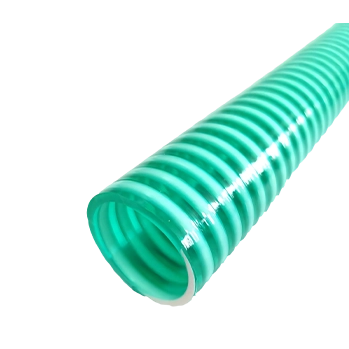
Choosing Plastic PVC Water Pump Suction Hose from a Cost-Effective PVC Water Hose Supplier: Medium, Dimensions and Operating ConditionsNewsOct.24,2026
-
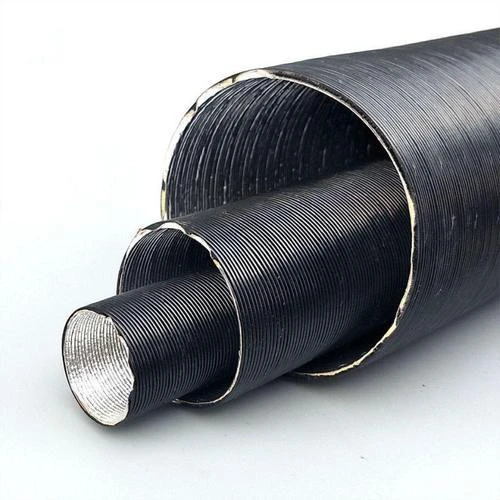
Choosing ALUMINUM FOIL VENTILATION DUCT: Application Fit and Specification ChecksNewsOct.24,2026
 Afrikaans
 Albanian
 Arabic
 Azerbaijani
 Belarusian
 Bengali
 Bulgarian
 Czech
 Danish
 Dutch
 Finnish
 French
 German
 Greek
 Hebrew
 Hindi
 Hungarian
 Indonesian
 Irish
 Italian
 Japanese
 Kazakh
 Korean
 Kyrgyz
 Lao
 Latin
 Lithuanian
 Luxembourgish
 Malay
 Mongolian
 Myanmar
 Nepali
 Norwegian
 Persian
 Polish
 Portuguese
 Russian
 Serbian
 Slovak
 Spanish
 Swedish
 Tagalog
 Thai
 Turkish
 Ukrainian
 Uighur
 Uzbek
 Vietnamese
 Welsh
 English